







Primrose (Primula vulgaris)
| Size | 9cm – Pack of 3 |
|---|---|
| Plant Type | Marginal |
| Sun / Shade | Full Sun to Part Shade |
| Flower Colour | Yellow |
| Growth Rate | Medium |
| Native to UK | Yes |
| Plant group |
Primrose, Primula vulgaris, is a much loved UK native spring flower with pale lemon blooms from March to May. Ideal for damp pond edges, shaded borders and woodland wildlife gardens, it brings early seasonal colour and natural charm to pondside planting.
£18.00 (inc VAT)
Primrose | Primula vulgaris
A much loved UK native spring flower with pale lemon blooms, ideal for damp pond edges, shaded borders, woodland gardens and natural wildlife planting.
Native spring primrose for damp pondside borders, woodland edges and wildlife gardens
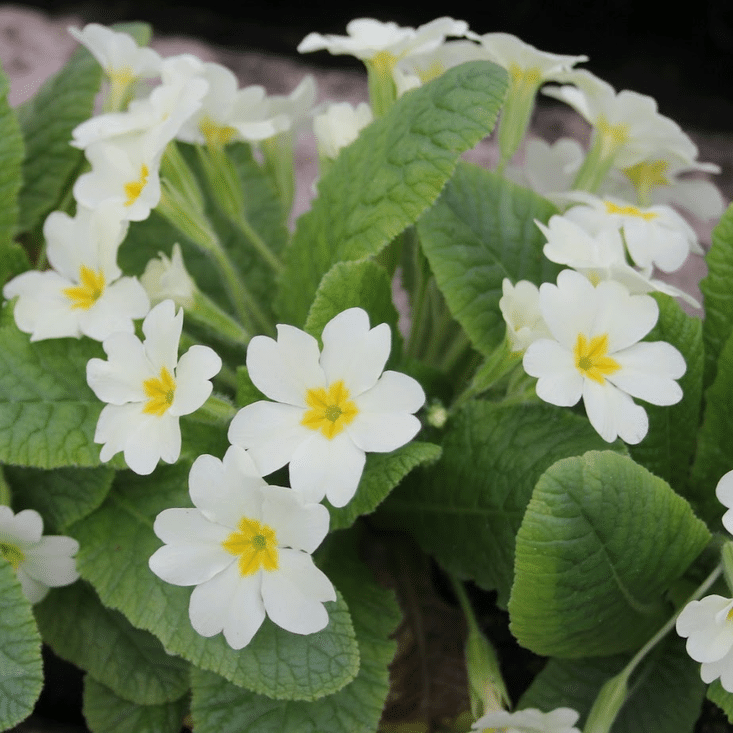
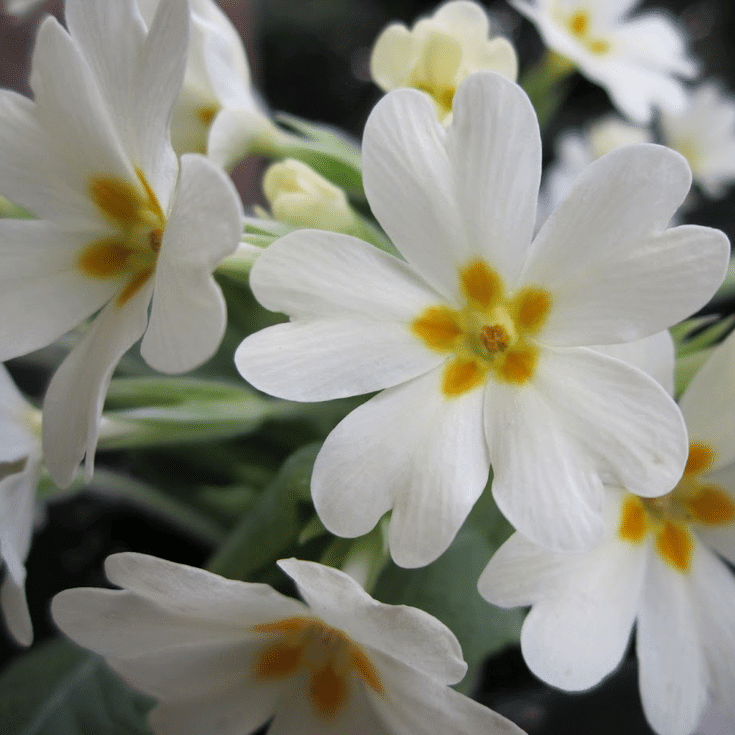
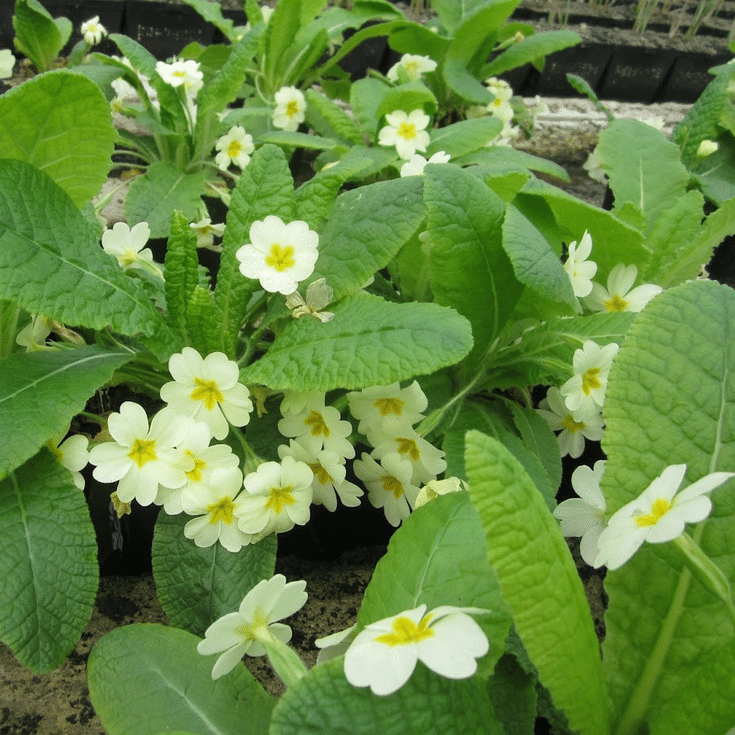
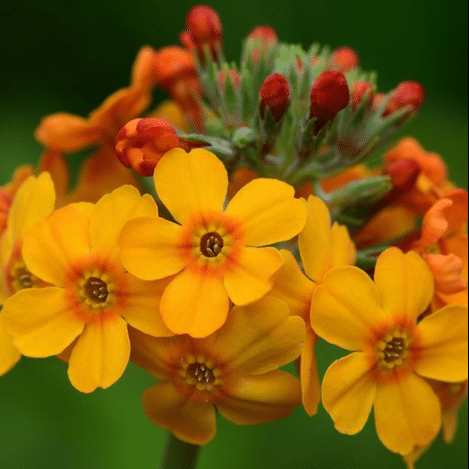
Primrose, botanically known as Primula vulgaris, is one of Britain’s best loved native spring flowers. It is often one of the first plants to bring colour to the garden, producing clusters of soft pale yellow flowers from early March through to May. The flowers have a classic primrose shape, often with deeper yellow centres, and sit above rosettes of bright green, deeply veined leaves.
This is a moisture loving pondside plant rather than an aquatic pond plant. It should not be planted directly into the pond or placed in standing water. Instead, Primula vulgaris is perfect for damp soil around pond edges, woodland borders, wildlife gardens, shaded banks, meadow edges and informal cottage garden planting. It enjoys moist, humus rich soil and looks especially natural when planted among ferns, Cowslips, Snake’s Head Fritillary, Hostas, Hellebores and other woodland style plants.
Primroses are particularly useful around wildlife ponds because they provide early spring colour before many taller pondside and marginal plants have started growing strongly. Planted around the edge of a pond, they help soften hard landscaping and create a more natural transition between the water and surrounding garden. Their low, leafy growth also helps provide seasonal cover around the pond edge for small wildlife.
For the best effect, plant Primula vulgaris in groups or drifts rather than as a single plant. Over time, in suitable conditions, it can naturalise gently and return each spring with a fresh display of flowers. It is ideal for a more relaxed, natural planting style and works beautifully in woodland inspired gardens or shaded damp borders.
Primula vulgaris grows best in light shade or partial shade, especially where the soil remains moist but well drained. It can tolerate some sun if the ground does not dry out, but it is not suited to hot, dry positions. Adding leaf mould, compost or well rotted organic matter before planting will help recreate the cool, fertile conditions that native primroses enjoy.
This plant is fully hardy and semi evergreen. In milder weather it may keep some foliage through winter, while in colder or more exposed gardens it may die back more noticeably before producing fresh new growth in spring.
🇬🇧 UK-grown aquatic plant: Grown at a dedicated aquatic plant nursery in the South of England and carefully prepared for delivery across the UK.
Key Benefits
- UK native spring flowering plant
- Pale lemon yellow flowers from March to May
- One of the first flowers to brighten the garden in spring
- Ideal for damp pond edges and shaded borders
- Excellent for woodland style and wildlife friendly planting
- Suitable for light shade and partial shade
- Can naturalise gently in suitable conditions
- Fully hardy and reliable in UK gardens
- Semi evergreen in milder conditions
- Works well with ferns, Cowslips, Hellebores and spring bulbs
- Low growing plant for softening pond edges outside the water
- Good choice for cottage gardens, woodland gardens and natural borders
Reasons to Buy Primrose
- Primrose is a brilliant choice if you want early spring colour around a pond, damp border or shaded wildlife garden. Its soft yellow flowers are simple, natural and cheerful, bringing life to the garden just as the season begins.
- It is especially useful for planting around pond edges where you want a softer and more natural look. Unlike taller marginal plants, Primula vulgaris stays low and creates gentle ground level colour.
- This plant is also a good choice for wildlife friendly and native planting schemes. As a UK native, it fits beautifully into natural garden designs and looks at home around woodland edges, hedgerows, damp lawns and informal pondside planting.
- For the best display, plant in groups. A drift of primroses beneath ferns or beside a pond edge will create a much stronger spring effect than individual plants dotted too far apart.
Moisture-Loving Plant Guidance
Primrose is a moisture loving pondside plant, not a marginal aquatic plant.
It should be planted outside the pond in damp soil, moist borders, woodland edges or natural garden areas. It should not be placed into pond water or planted into an aquatic basket on a pond shelf.
The soil should remain moist, especially in spring and early summer, but it should not stay permanently waterlogged through winter.
For a fuller display in a damp border or pondside planting area, allow approximately 8 x 9 cm plants per square metre.
Care Instructions
- Plant Primula vulgaris in light shade or partial shade. A sheltered position is ideal, especially beneath shrubs, around woodland style planting or beside a shaded pond edge.
- Choose moderately fertile, moist but well drained soil. Before planting, improve the soil with compost, leaf mould or well rotted organic matter to help hold moisture and support healthy growth.
- In heavier soils, add grit or coarse sand to improve drainage and reduce the risk of the plant sitting in waterlogged conditions during winter.
- Water well after planting and keep the soil consistently moist while the plant establishes. During dry spells, water as needed, especially in the first growing season.
- Apply a mulch of leaf mould or compost in autumn to help retain moisture and protect the crown during colder weather.
- Remove faded flowers and untidy leaves as required. Allow healthy foliage to remain so the plant can build strength for the following year.
- Divide large clumps in late spring or early summer after flowering, ideally during damp weather. Replant divisions straight away into prepared moist soil.
Flowering Period
Primrose usually flowers from March to May.
The flowers are pale lemon yellow, often with deeper yellow centres, and may be lightly fragrant.
Flowering can vary slightly depending on the season, plant maturity, weather and planting position. Plants are not always supplied in flower.
Size, Spread and Growing Conditions
Botanical name: Primula vulgaris
Common name: Primrose, Common Primrose, English Primrose
Plant type: UK native moisture loving perennial
Plant height: Approximately 10 cm to 20 cm
Potential spread: Approximately 20 cm to 30 cm
Growth rate: Fast seasonal growth in spring
Flower colour: Pale lemon yellow
Flowering period: March to May
Position: Light shade or partial shade
Soil: Moderately fertile, moist, well drained soil
Soil moisture: Moist but not permanently waterlogged
Planting depth: Plant to the rootball in damp soil outside the pond
Foliage: Bright green, deeply veined leaves
Foliage type: Semi evergreen, with some winter leaf loss possible
Hardiness: Fully hardy
Native status: Native to the UK
Best suited for: Damp pond edges, woodland gardens, shaded borders, wildlife gardens, cottage gardens, damp lawns and naturalised planting
Wildlife value: Early flowers may attract visiting pollinating insects, while the low foliage helps soften and shelter pondside planting areas
Your Plant on Arrival
Your Primrose will arrive in a solid nursery pot, depending on the size selected.
Remove the plant from the pot before planting. Plant into prepared damp soil at the same depth as the rootball, firm in gently and water well.
Plant size and appearance will vary depending on the season. In spring, plants may arrive with flowers or buds. Later in the year, flowering may have finished and the foliage may be smaller or less showy. In colder months, semi evergreen plants may arrive with reduced foliage, which is normal.
Dispatching Your Pondside Plants
Moisture loving pondside plants are carefully selected, watered and packed before dispatch. As living plants, the amount of visible growth, flower buds and foliage condition will naturally vary throughout the year.
Primroses may arrive smaller early in the season and will develop once planted into suitable conditions. Plants sent outside the flowering period may not be in flower on arrival.
Unpack your plant promptly when it arrives and check that the compost is moist. If you cannot plant straight away, keep it in a cool, sheltered position and water as needed.
Do not allow the rootball to dry out. Plant as soon as practical into damp soil, a shaded border, woodland garden or suitable pondside planting area.








Reviews
There are no reviews yet.