





Scarlet Monkey Flower (Mimulus cardinalis)
| Size | 1 Ltr, 1 Ltr – Pack of 3, 9cm – Pack of 3 |
|---|---|
| Plant Type | Marginal |
| Sun / Shade | Full Sun |
| Flower Colour | Red |
| Growth Rate | Fast |
| Native to UK | No |
| Plant group |
Scarlet Monkey Flower has upright stems and bright scarlet summer trumpets for wet soil or a shallow margin. Keep roots wet, allow for spreading growth and consider winter exposure before choosing its position.
Price range: £14.00 through £34.50 (inc VAT)
Scarlet Monkey Flower (Mimulus cardinalis)
Scarlet summer trumpets for wet soil and shallow margins
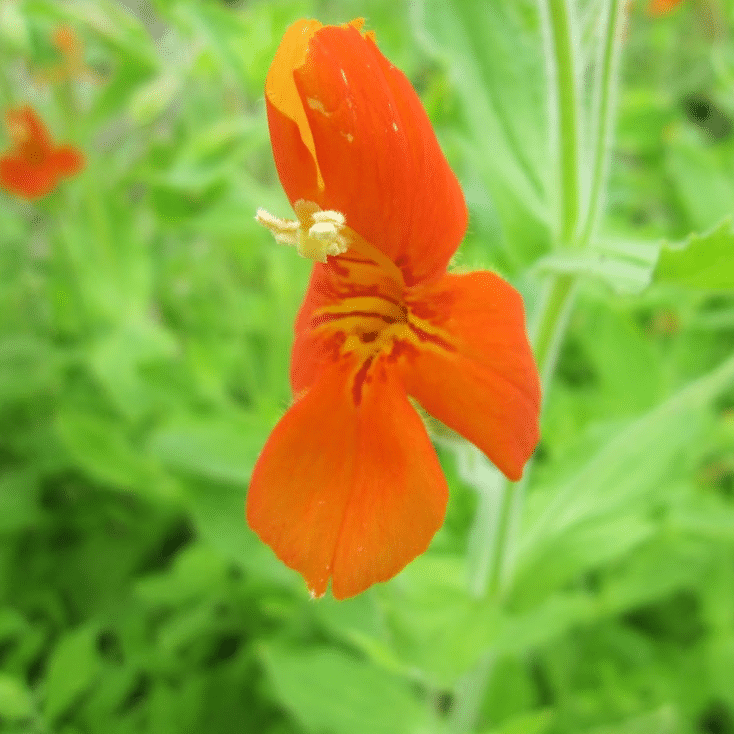
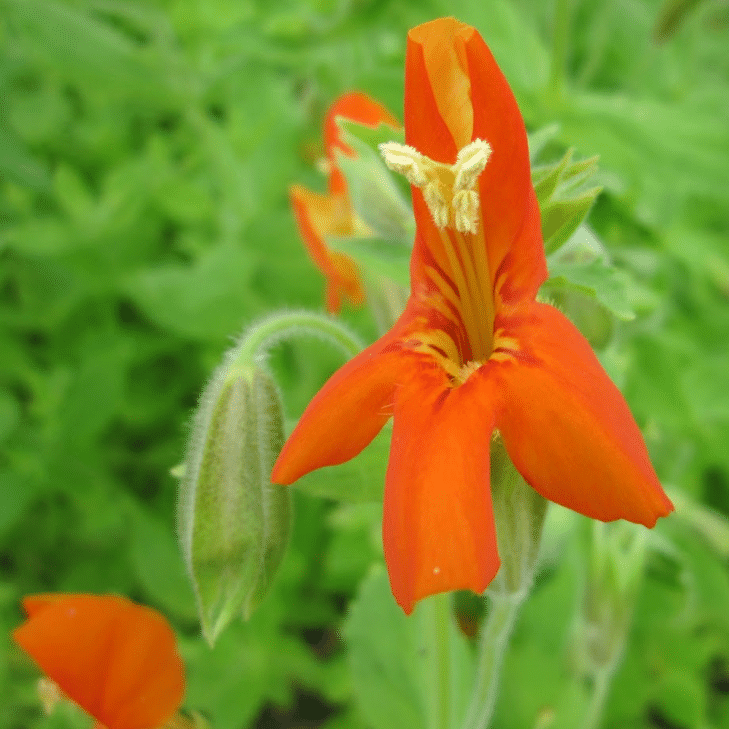
Scarlet Monkey Flower is chosen for its red tubular flowers and fresh green foliage beside the water. It is an upright plant with more height than some of the low monkeyflower selections, so give the flower stems room to be seen instead of hiding it among equally tall leaves.
The two-lipped scarlet flowers appear through part of summer. Their long tubular shape is a distinct feature, especially when viewed at close range from a path or pond edge. Colour and form make a useful contrast with rounded leaves, fine rush stems or small blue and yellow pondside flowers.
This plant needs a wet root environment. The RHS recommends humus-rich wet soil in sun or very light dappled shade and also permits shallow pond-margin planting with up to 10cm of water. Account for the growing crown and basket height when choosing a shelf, rather than measuring only from the pond floor.
Although often sold under Mimulus cardinalis, the species is also known as Erythranthe cardinalis. It has creeping rhizomes, so inspect the growing patch as it develops. Leave a defined patch and check new shoots around its edges as the rhizomes extend.
Allow around half a metre to a metre in mature height, depending on conditions. It is often grown as an annual; plan suitable winter treatment, especially in cold or exposed sites and small containers.
Remove tired flowers and stems when needed, and watch young growth for slugs and snails. It is a non-native species from western North America, with seasonal foliage and flowers. Choose it for scarlet colour in the right wet position, with realistic expectations about establishment and overwintering.
UK-grown plant. Grown at a dedicated aquatic plant nursery in the South of England.
What you receive
The choices are a single 1-litre plant, a pack of three 1-litre plants or a pack of three 9cm pots. Allow room for upright flowering growth and an accessible root area; do not choose the quantity from the nursery pot width alone.
Scarlet Monkey Flower has seasonal growth and may be supplied before flowering or with little top growth when resting. It is less dependable through exposed cold conditions than the word perennial can suggest, and is often grown for a summer display. Plan the winter treatment for the actual site before planting.
Is this right for your pond?
This is a vivid red-flowered choice for a wet, sunny edge. It makes more upright growth than the low monkeyflowers and needs a suitable shallow position, space for its spreading root system and realistic winter expectations.
- Wet roots: Use wet, humus-rich soil or a suitable shallow pond margin. A raised dry bank is a different growing environment even if the flowers would look attractive beside the water.
- Light: Choose full sun or very light dappled shade. The upright stems need room to develop without being hidden by dense reeds or large iris leaves.
- A scarlet display: The tubular scarlet flowers are a summer feature. Combine with contrasting foliage or differently timed flowers rather than relying on continuous bloom from delivery through autumn.
- Winter planning: This species is often treated as an annual in colder situations. Do not choose it as a guaranteed permanent plant for an exposed shallow container without considering how the root area will be protected.
Planting position and getting established
For wet-ground planting, prepare a humus-rich area that holds moisture and set the rootball at its existing level. Firm it in and water around the planting, leaving a gap from neighbouring crowns so the upright stems have light and the spreading roots can be inspected later.
For pond use, repot a 9cm nursery plant into a suitable aquatic basket with appropriate aquatic soil. Use only a shallow marginal position: the species is grown with up to about 10cm of water above the top of the planted basket, subject to the supplied label. Check that water cover rather than measuring to the shelf beneath it.
Keep the foliage above the surface and make sure the basket is stable before leaving it to establish. Check after a change in pond level or a period of dry weather. Choose a reachable position so that the plant can be tidied, divided or moved for its appropriate seasonal treatment without disturbing the whole margin.
Looking after your plants
- Growing-season moisture: Keep the roots wet, checking the original rootball during establishment. A tall stem does not tell you whether a small container underneath has been left above a falling water level.
- After flowering: Cut back finished growth after flowering as appropriate. Remove tired material carefully, retaining healthy stems while they still contribute to the display and keeping debris out of the water.
- Spring division: Established plants can be divided in spring. Keep healthy rooted sections and replant into the correct wet environment, avoiding a period with the roots left exposed and drying.
- Fresh growth: Watch young shoots for slugs and snails. Inspect damaged growth early so that a small plant is not stripped before the cause is noticed; keep enough space around the base to see what is happening.
- Winter expectations: Plan for cold exposure before autumn. Follow the supplied instructions for protecting or sheltering the actual plant and site; its perennial identity is not a promise that it will persist in every open garden pond.
Size and growing conditions
- Botanical name
- Erythranthe cardinalis
- Also sold as
- Mimulus cardinalis
- Flowers
- Scarlet, two-lipped tubular flowers in summer
- Habit
- Upright perennial with creeping rhizomes; often grown as an annual
- Height
- Allow approximately 50–100cm where growth is strong
- Spread
- An extending root system; inspect the clump boundary
- Light
- Full sun or very light dappled shade
- Soil
- Wet, humus-rich soil
- Aquatic position
- Shallow margin, up to about 10cm over the top of the planted basket, subject to the supplied label
- Division
- Spring when required
- Winter suitability
- Needs consideration in cold, exposed positions
- Native status
- Western North American species; not native to Britain
- RHS information
- RHS plant profile: Mimulus cardinalis
Delivery and basket information
We do not deliver live plants to Northern Ireland.
Orders received by 11am Monday to Wednesday are normally dispatched on the following working day using a next working day courier service. During busy periods, dispatch may occasionally take an extra day.
To avoid plants being held in depots over a weekend, we do not usually dispatch on Fridays. Highlands and Islands orders using a two day service are not normally dispatched on Thursdays.
Please read our delivery information for delivery arrangements and contact us if you need to check the timing of a particular order.
The 9cm option arrives in nursery pots. For pond planting, pot these plants into suitable aquatic baskets with aquatic planting soil before positioning them at the depth shown on their labels.
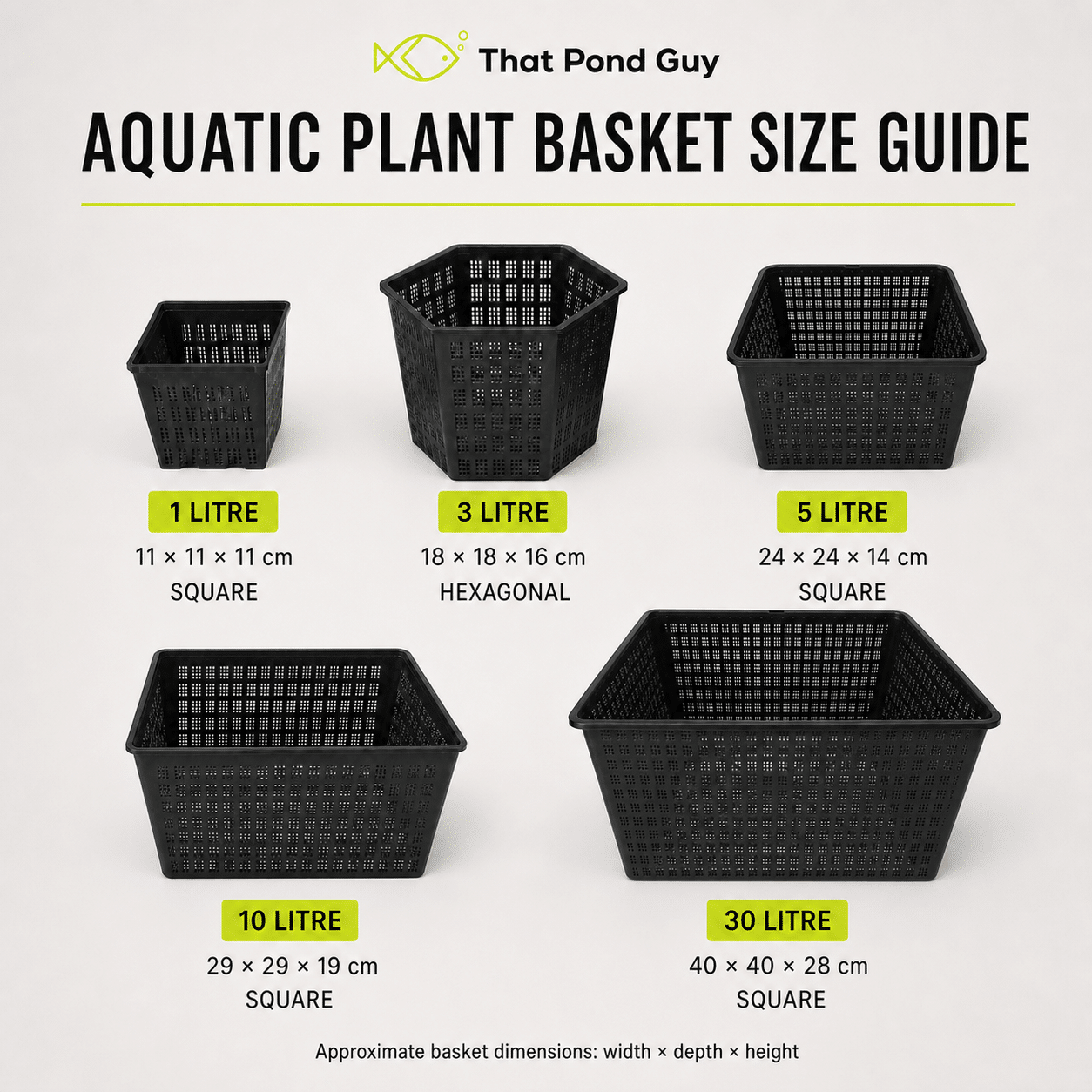
Finofil baskets are made from 100% recycled polypropylene co-polymer. They are not suitable for ordinary kerbside recycling; reuse them where possible and check local specialist recycling options. Their fine mesh helps retain aquatic soil while allowing water to reach the roots.
Basket measurements for the offered sizes:
- 1 Litre Basket – usually 11 × 11 × 11cm square; some varieties may be supplied in a 14cm diameter × 10cm round basket
Other plants to compare
Red Emperor Monkey Flower — Red Emperor gives a lower red-flowered mound for a front-of-margin position. Compare the stature and root space rather than assuming all red monkeyflowers have the same habit.
Queen’s Prize Monkey Flower — Queen’s Prize gives yellow flowers with red markings in a low damp-edge planting. It is a different colour and scale to the taller scarlet species, with its own shallow positioning guidance.





Reviews
There are no reviews yet.