






NT Labs Pond pH Test Kits
| Brand |
|---|
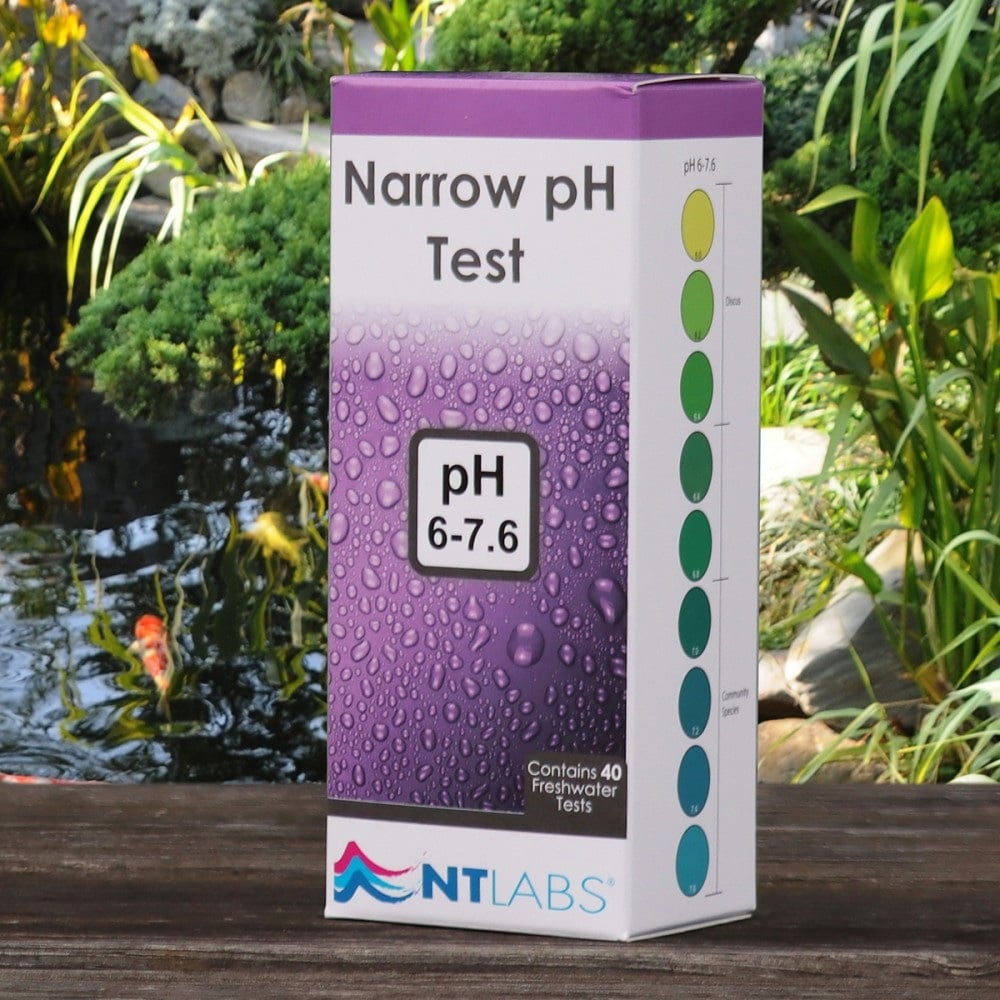
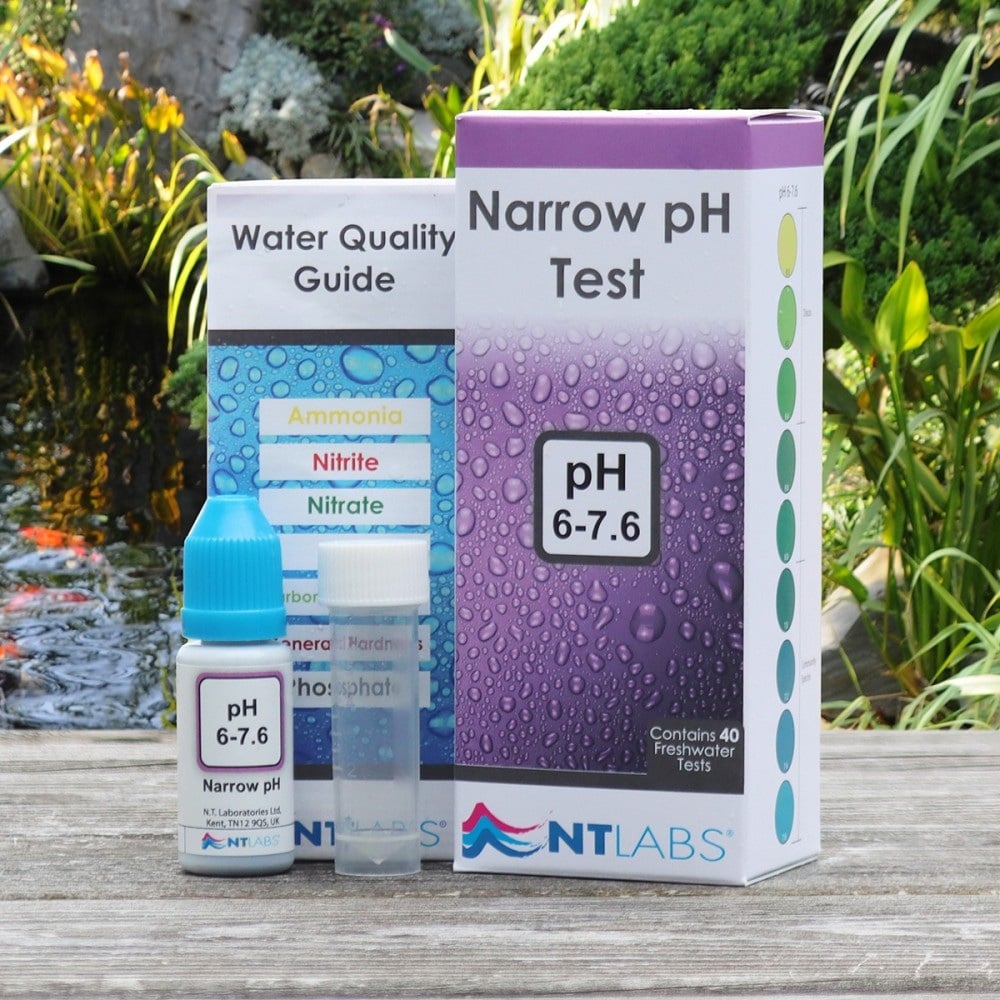
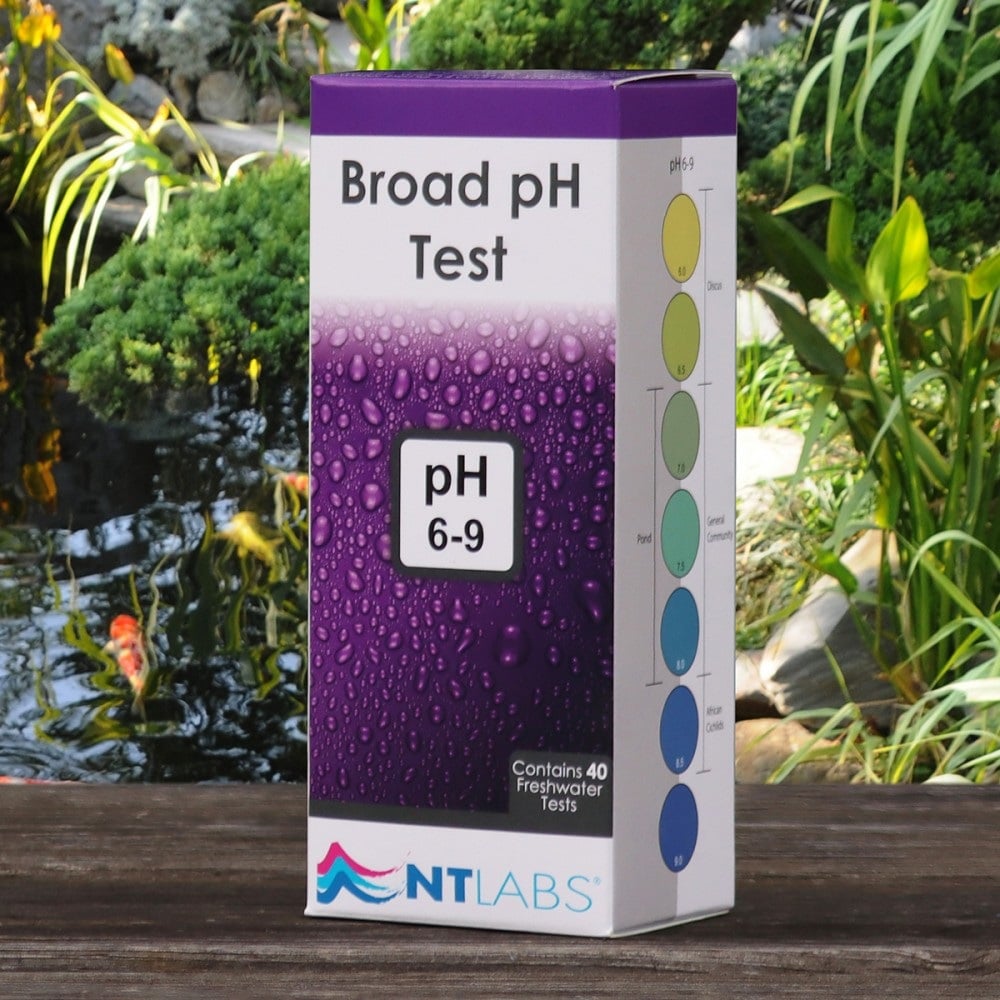
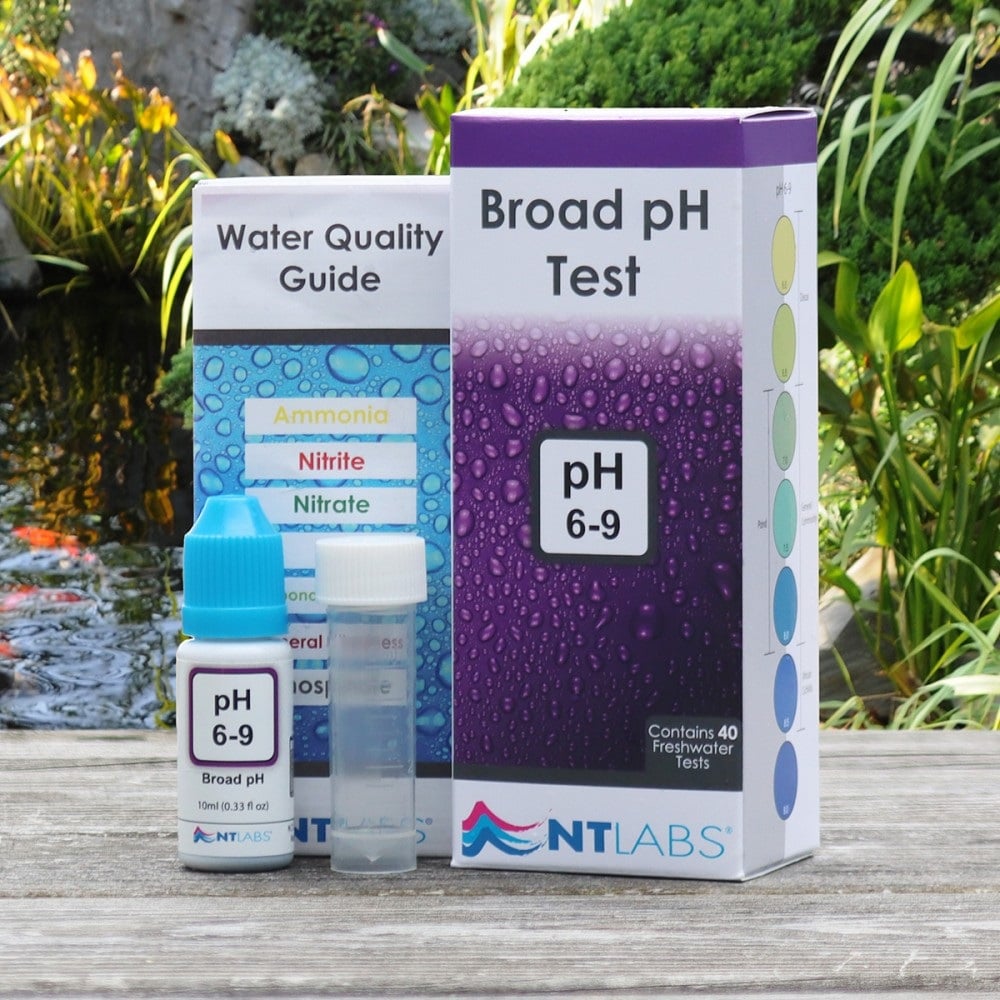
Choose Broad pH 6–9 or Narrow pH 6–7.6. Each NT Labs freshwater kit provides 40 tests using a 5ml sample and five reagent drops. Select the measuring range that suits your pond.
Price range: £5.89 through £6.50 (inc VAT)
NT Labs Pond pH Test Kits
Choose a broad or narrow range to suit the water you are testing
NT Labs liquid pH tests let you check the acidity or alkalinity of a freshwater sample using a colour comparison. Choose the Broad pH kit for a scale covering pH 6–9, or the Narrow pH kit for pH 6–7.6 with closer colour steps. Both contain 40 tests. The choice is about the range you need to measure; the narrow version is not simply a better version of the broad kit for every pond.
The broad range is the more practical starting point if you do not yet know where your pond’s pH sits. The narrow range is useful when you already know the water falls within its limits and want to compare smaller changes. A reading at the edge of a chart may be outside the kit’s range, so do not try to estimate a value beyond the colours provided.
Compare the two options
| Option | Measuring range | Colour steps | Tests |
|---|---|---|---|
| Broad pH | 6–9 | 0.5 pH units | 40 |
| Narrow pH | 6–7.6 | 0.2 pH units | 40 |
Select one option for the kit you want. Each is a separate test with its own reagent and matching colour scale. The stated colour steps describe the divisions on the chart, rather than a promise of laboratory measurement uncertainty. Good lighting and consistent sampling help you make the most of a visual test.
A straightforward liquid test
For either current NT Labs pH kit, put 5ml of water into a clean test tube, add five drops of the correct pH reagent, replace the cap and mix thoroughly. Compare the sample against the matching colour scale. Always use the instructions supplied with your own kit and keep the reagent with its original chart.
Do not use the broad-range chart to interpret a narrow-range reagent, or the reverse. Label bottles and tubes clearly when storing several kits together. A small amount of organisation is especially helpful when different people carry out pond checks: the result should identify both the value and the version of the kit used.
What a pH reading tells you
pH describes how acidic or alkaline the water is. It is a separate measurement from ammonia, nitrite and hardness, so it belongs alongside those checks rather than replacing them. A pond can have a pH reading within your expected range while another water-quality problem is developing. Equally, a change in pH deserves investigation even if the water remains visually clear.
Different fish have different water requirements. Use the requirements of the fish you keep when assessing a result, and look at stability as well as the number. Avoid choosing a target solely because it appears in a general discussion of another pond. Record the result before deciding whether any action is needed.
Check KH when investigating pH changes
Carbonate hardness, or KH, is related to the water’s ability to resist changes in pH. A pH test does not measure that buffering capacity. If the reading has changed unexpectedly, a separate KH check with the NT Labs Pond Hardness Test Kit provides useful information about the water. Testing the replacement water as well as the pond can help you understand what your normal water changes are adding.
Our NT Labs KH – Buffer Up page explains a product intended for adjusting KH where appropriate. Test first and follow the product’s directions. A buffer is not something to add automatically every time you take a pH reading, and the amount needed cannot be chosen from pond appearance.
Use results to guide gradual decisions
Sudden changes in water chemistry can be stressful for fish. NT Labs advises making necessary pH adjustments slowly. Before changing the water chemistry, confirm the result, check the other relevant parameters and understand why the pH has moved. Seek suitable advice if the reading is unexpected or the fish are showing signs of distress.
Keep a note of recent maintenance, rainfall, water replacement and any products added. Those details are useful when reviewing a change. If you do carry out corrective work, record what you did and take follow-up measurements. This helps you judge the actual response instead of repeatedly adding a product because you expected a particular result.
Make your testing record easy to compare
Note the time and date as well as the value. Use a consistent sampling routine and readable lighting, and keep the chart in good condition. When a colour lies between two printed steps, record the limitation honestly rather than inventing extra decimal places. A reliable record of approximate chart readings is more useful than a falsely precise number.
The NT Labs Pond Lab Multi-Test Kit combines pH, ammonia, nitrite, nitrate, KH and GH checks in one kit. If you are building a smaller testing set, compare the NT Labs Pond Lab Mini Test Kit for routine companion checks. For an alternative multi-parameter method, see Oase AquaActiv QuickSticks 6-in-1. Check the parameters, method and scale of each product before choosing; their results are not a reason to mix reagents or charts.
Supplied as the selected pH kit
This listing is for the Broad or Narrow pH test selected above. It is a sample-testing kit, not a pH treatment. Follow the label for storage, expiry, cleaning and disposal, and keep tested water separate from the pond. Read the instructions again when replacing a kit, particularly if you change from one measuring range to the other.



Reviews
There are no reviews yet.