





Mace Sedge (Carex grayi)
| Size | 1 Ltr, 1 Ltr – Pack of 3, 3 Ltr |
|---|---|
| Plant Type | Marginal |
| Sun / Shade | Full Sun to Part Shade |
| Growth Rate | Medium |
| Native to UK | No |
| Plant group |
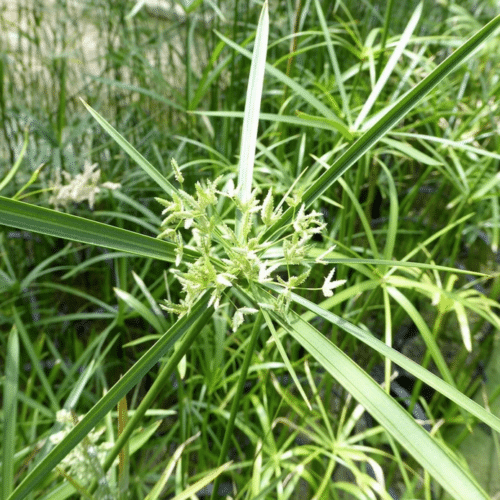
Mace Sedge is grown for its unusual spiky seedheads as well as its leaves. The rounded pale-green clusters have a star-like outline, giving a close-up detail that is quite different from a brightly coloured flower. Place it where those heads can be seen rather than hidden behind a larger marginal.
Price range: £14.00 through £35.00 (inc VAT)
Mace Sedge (Carex grayi)
Spiky pale-green seedheads above rich green leaves
Mace Sedge is grown for its unusual spiky seedheads as well as its leaves. The rounded pale-green clusters have a star-like outline, giving a close-up detail that is quite different from a brightly coloured flower. Place it where those heads can be seen rather than hidden behind a larger marginal.
Green flower spikes appear before the more conspicuous seedheads develop, giving the plant a changing display through the season. The leaves form an upright tuft beneath the stems, providing another shape in a planting dominated by broad blades or trailing growth.
Allow for a mature tuft around 50–100 cm high and wide. Keep access and lower neighbouring plants in mind as the leaves spread. A young nursery pot may eventually need replacing with more room for the established rootball.
Choose moisture-retentive ground in sun or light shade, with bog or marginal use according to the plant label. Keep the root area moist while allowing the tuft room to develop. If placing a basket in water, measure cover above the crown separately from the shelf depth.
Carex grayi is a hardy deciduous sedge. Its changing flower and seedhead stages make it a useful plant to watch through summer. Keep the tuft within reach for removing old growth and lifting if it becomes congested.
UK-grown plant. Grown at a dedicated aquatic plant nursery in the South of England.

What you receive
Choose one plant in a 1 litre container, three plants in 1 litre containers or one plant in a 3 litre container.
Keep the roots moist while preparing the site. Container volume is the starting root format rather than a head count or final width. Use the supplied label for any water placement.
How it changes through the year
Summer flowers develop into the more conspicuous spiky pale-green seedheads. The leaves are deciduous, so the plant’s fullness changes through the year. A young or resting delivery will not necessarily carry the mature heads shown in the photograph.
Choosing a place for it
- For distinctive heads: The star-like seedheads are a key feature after the summer flowers.
- For a roomy tuft: Allow for roughly 50–100 cm high and wide, rather than the starting container.
- For moist ground: Choose suitable moisture-retentive soil or the marginal position permitted by the label.
Planting and getting it established
Choose moisture-retentive soil in sun or light partial shade, with a bog or marginal position appropriate to the supplied label. Allow room for a tuft that can reach around 50–100 cm across and keep smaller neighbours outside the arch of its mature leaves.
Set the crown at its current level and settle suitable medium around the roots. For a label-approved pond position, use an appropriate aquatic basket and medium. A general marginal category does not establish a universal water-cover figure for every sedge.
Measure any water cover above the planted crown or medium separately from shelf depth, which includes the basket. In an above-water container or moist border, water in well and check the rootball through dry weather. Keep access to see the developing seedheads and to lift crowded roots later.
Looking after it
- Moisture: Maintain moisture-retentive conditions, checking new plants and containers during dry spells. Soil near a pond can still dry below the surface.
- Seedhead display: Allow flowers to develop into the distinctive pale-green spiky heads where you want to enjoy that feature. Do not remove every stem at the first flower stage if the seedheads are the reason for choosing it.
- Tidying: Allow the distinctive seedheads to develop, then cut back in autumn as the foliage fades. Remove old material carefully around the crown rather than shortening healthy green leaves during their growing season.
- Division: Lift and divide a congested clump from mid-spring to early summer. Keep healthy rooted sections, restore their original level and maintain moisture while they establish.
- Nutrition: Use suitable medium and conditions first. Supplementary feed should suit the actual soil or aquatic setting and follow the label rather than being added automatically to the pond.
- Winter: This is a hardy deciduous sedge. Seasonal decline is normal; tidy dead material when practical without burying the crown or damaging fresh shoots.
Plant details
- Botanical name
- Carex grayi
- Main feature
- Distinctive pale-green spiky seedheads after summer flowers
- Mature size
- About 50–100 cm high and wide
- Leaves
- Rich green, tufted and seasonal
- Position
- Sun or light shade; moisture-retentive bog or label-led marginal site
- Winter
- Hardy deciduous sedge; RHS H6
- Native status
- Not native to Britain or Ireland
- RHS information
- RHS plant profile: Carex grayi
Delivery and basket information
We do not deliver live plants to Northern Ireland.
Orders received by 11am Monday to Wednesday are normally dispatched on the following working day using a next working day courier service. During busy periods, dispatch may occasionally take an extra day.
To avoid plants being held in depots over a weekend, we do not usually dispatch on Fridays. Highlands and Islands orders using a two day service are not normally dispatched on Thursdays.
Please read our delivery information for delivery arrangements and contact us if you need to check the timing of a particular order.
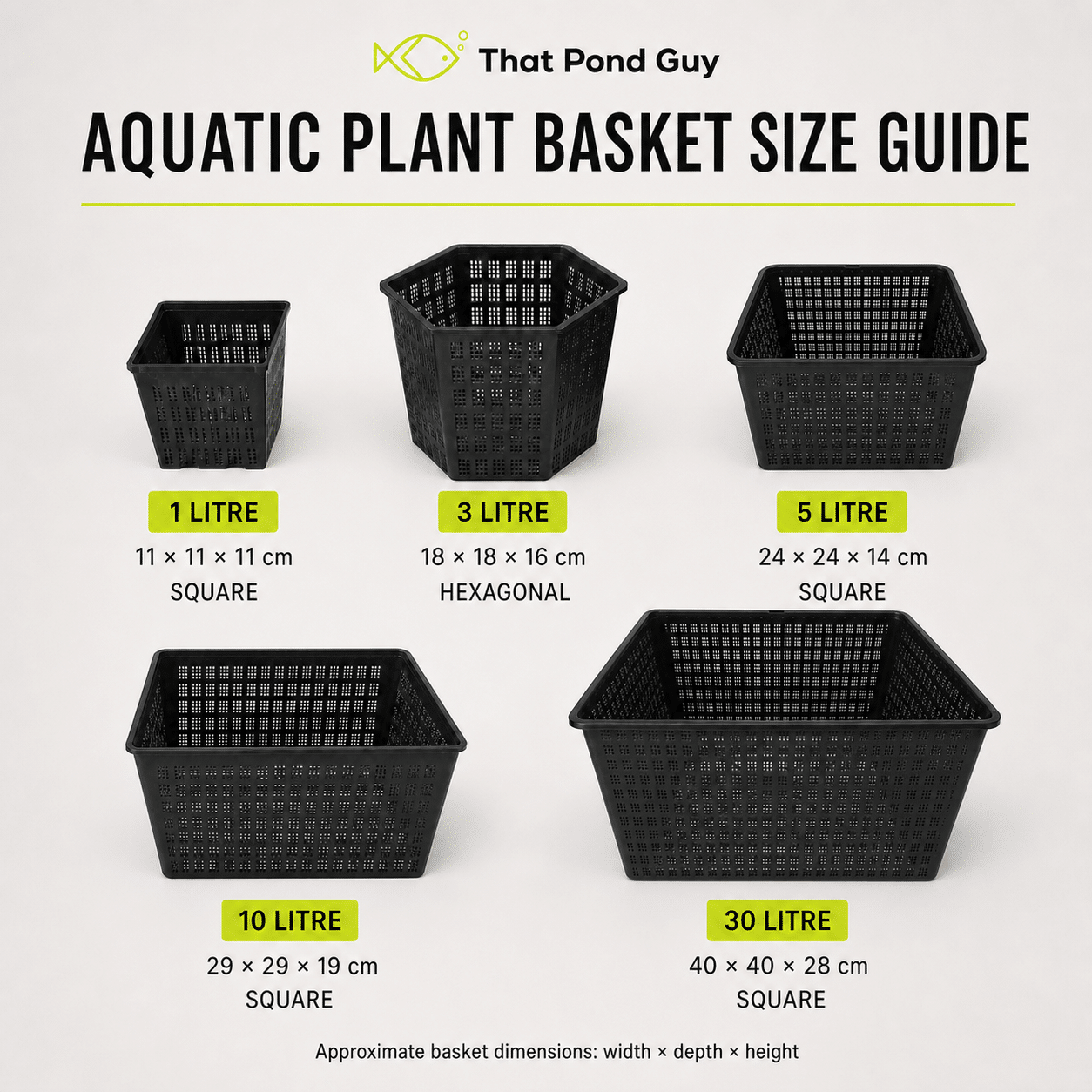
Finofil baskets are made from 100% recycled polypropylene co-polymer. They are not suitable for ordinary kerbside recycling; reuse them where possible and check local specialist recycling options. Their fine mesh helps retain aquatic soil while allowing water to reach the roots.
Basket measurements for the offered sizes:
- 1 Litre Basket – usually 11 × 11 × 11cm square; some varieties may be supplied in a 14cm diameter × 10cm round basket
- 3 Litre Hexagonal Basket – 18 × 18 × 16cm
Other plants to compare
Cyperus Sedge — Compare drooping finger-like spikes and a taller arching native tuft rather than the mace-like heads.
Cotton Grass — Its white cottony fruiting heads offer a much lighter texture, with acidic wet conditions to consider.
Choosing plants and planting supplies
Marginal pond plants — Compare pond-edge plants by their eventual size, light and water-depth needs before filling a shelf.
Pond plant baskets and planting supplies — Choose a suitable container and growing medium for the position described above.









Reviews
There are no reviews yet.