






Shining Pondweed (Potamogeton lucens)
| Size | 5 bunches |
|---|---|
| Plant Type | Oxygenator |
| Sun / Shade | Full Sun to Part Shade |
| Flower Colour | Green |
| Growth Rate | Medium |
| Native to UK | Yes |
Shining Pondweed, Potamogeton lucens, is a British native submerged oxygenating pond plant with shiny olive green leaves and excellent wildlife habitat value. Ideal for deeper wildlife ponds, natural ponds and small lakes, it provides underwater cover for newts, tadpoles, fish fry and aquatic insects.
£14.00 (inc VAT)
Shining Pondweed (Potamogeton lucens)
A British native submerged oxygenating pond plant with shiny olive green leaves, ideal for deeper ponds, wildlife habitats and natural underwater planting.
Native submerged pondweed for deeper ponds, newt habitat and natural pond balance
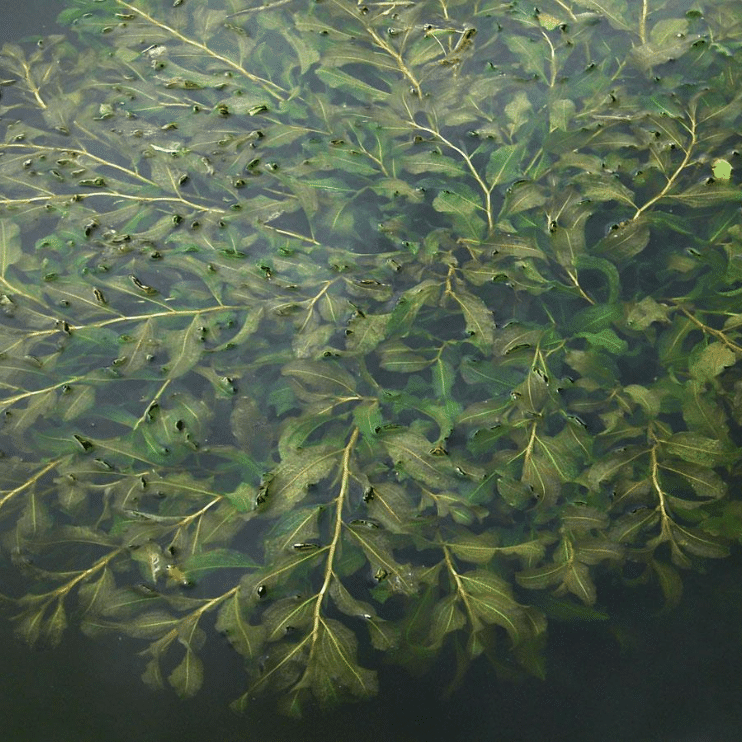
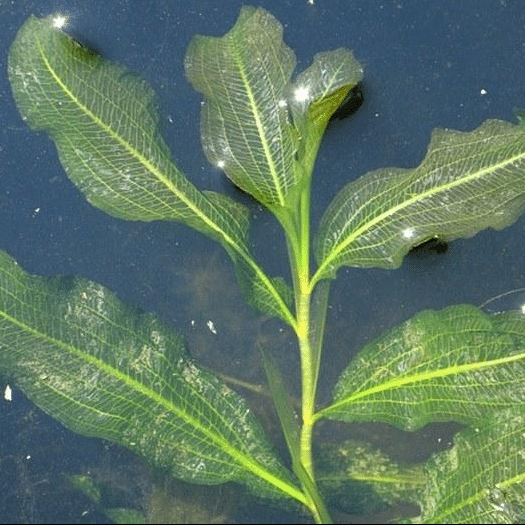
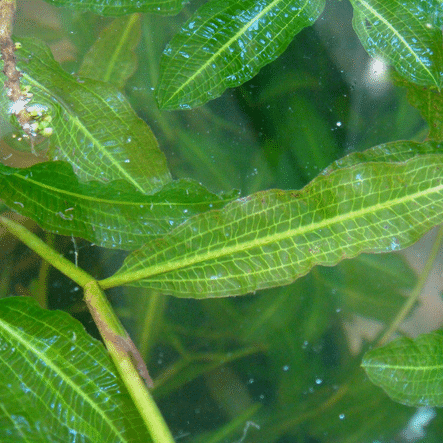
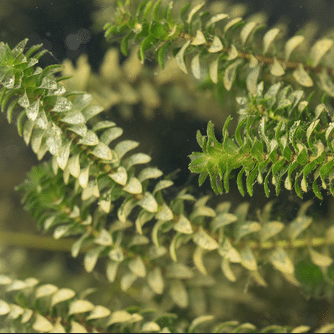
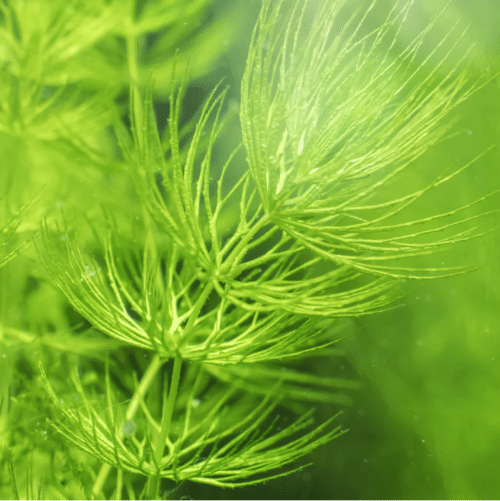
Shining Pondweed, botanically known as Potamogeton lucens, is a British native submerged aquatic plant grown for its long stems, glossy translucent leaves and excellent underwater habitat value. It is one of the more attractive native pondweeds, with broad lance shaped leaves that have a slightly crinkled edge, visible veins and a shiny olive green appearance beneath the water.
This plant grows fully submerged, making it a useful oxygenating plant for ponds where underwater cover and natural structure are needed. Unlike floating leaved pondweeds, Shining Pondweed is mainly valued for its submerged foliage. The leaves can look almost seaweed like under the water, creating a soft, natural effect that works beautifully in wildlife ponds, larger garden ponds and small lakes.
Potamogeton lucens is especially valuable for pond wildlife. The broad submerged leaves provide excellent cover for aquatic insects, fish fry, tadpoles and other small pond creatures. Newts are particularly associated with pond plants that have suitable leaves for egg laying, as they often fold eggs into underwater foliage. This makes Shining Pondweed a very useful choice for natural ponds where habitat is just as important as appearance.
As an oxygenating pond plant, Shining Pondweed photosynthesises below the water surface when enough light reaches the leaves. During daylight, the submerged foliage releases oxygen into the water and takes up nutrients as it grows. This helps support overall pond balance as part of a wider planting scheme. It should not be treated as a guaranteed cure for green water or blanketweed, but it is a strong native choice for improving underwater planting and supporting a healthier pond environment.
Shining Pondweed prefers clean, clear water and is particularly suitable for deeper ponds once established. It should not be placed too deep straight away, as new plants need good light levels to settle and begin growing. Start it in a shallower position, ideally around 30 cm deep, then move it gradually deeper as it establishes. Mature plants can be grown at around 45 cm to 100 cm over the crown, and in clear water may extend into deeper areas where light levels remain suitable.
This is a good choice for customers with medium to large ponds, wildlife ponds and small lakes who want a native oxygenator with larger, more visible leaves than fine textured plants such as milfoil or hornwort.
🇬🇧 UK-grown aquatic plant: Grown at a dedicated aquatic plant nursery in the South of England and carefully prepared for delivery across the UK.
Key Benefits
- British native submerged oxygenating pond plant
- Shiny olive green leaves with a translucent appearance
- Excellent underwater cover for pond wildlife
- Useful for newts, fish fry, tadpoles and aquatic insects
- Suitable for deeper ponds once established
- Good choice for wildlife ponds and natural ponds
- Can tolerate moderately flowing water
- Helps support pond balance as part of a planted pond
- Attractive broad leaves create a natural underwater display
- Low maintenance once established
- Excess growth can be trimmed if needed
- Suitable for ponds and small lakes with good water clarity
Reasons to Buy Shining Pondweed
- Shining Pondweed is a great choice if you want a native oxygenating plant with more visual presence than finer oxygenators. Its broad, shiny leaves make it easier to see below the water surface and give the pond a very natural planted look.
- It is especially useful for wildlife ponds. The submerged leaves create excellent shelter and can provide suitable habitat for newts, small fish, tadpoles and aquatic invertebrates.
- This plant is also a good option for deeper ponds. Once established, it can be moved further into the pond where many smaller oxygenators may struggle, provided the water is clear enough for light to reach the foliage.
- For the best results, plant into aquatic soil rather than simply dropping loose stems into the pond. This gives the plant a stronger start and makes future management easier.
Care Instructions
- Plant Shining Pondweed in a sunny to partially shaded pond position where good underwater light is available. Clear water is important, as the submerged leaves need light to photosynthesise and grow well.
- Start newly supplied plants in shallower water, ideally around 30 cm deep, while they establish. Once growing strongly, move the basket gradually deeper if required.
- A mature planting depth of around 45 cm to 100 cm over the crown is usually suitable. In very clear ponds, established plants may grow into deeper water where enough light reaches them.
- Shining Pondweed can be dropped into the pond as a weighted bunch, but it usually establishes better when planted into aquatic soil. Use an aquatic basket or planting crate filled with aquatic compost or heavy garden loam, topped with washed gravel to help stop soil clouding the water.
- If using in a lined or fibreglass pond, plant into a basket rather than loose soil on the pond floor. This makes the plant easier to position, manage and thin later.
- Trim back surplus growth if it becomes too dense or spreads beyond the area required. Remove cut material from the pond so it does not decay in the water.
- Do not dispose of unwanted pond plant material into wild ponds, ditches, streams, rivers or lakes. Compost safely away from natural waterways or dispose of responsibly.
Flowering Period
Shining Pondweed may produce small creamy white to greenish flowers from June to September.
The flowers are not showy and may be partly submerged or held just above the water surface depending on conditions. This plant is mainly grown for its shiny submerged foliage, oxygenating value and wildlife habitat.
Flowering can vary depending on water depth, sunlight, plant maturity, water quality and seasonal weather.
Size, Spread and Growing Conditions
Botanical name: Potamogeton lucens
Common name: Shining Pondweed
Plant type: Native submerged oxygenating pond plant
Stem length: Can grow to several metres in ideal conditions
Leaf size: Broad lance shaped leaves, often up to around 20 cm long
Growth rate: Medium to fast once established
Flower colour: Small creamy white to greenish flowers
Flowering period: June to September
Position: Full sun to partial shade
Water conditions: Best in clean, clear water with good light penetration
Recommended starting depth: Around 30 cm
General planting depth: 45 cm to 100 cm over the crown once established
Possible established depth: May grow deeper in clear water where light reaches the plant
Soil: Aquatic soil, heavy loam or pond substrate
Native status: British native
Best suited for: Wildlife ponds, natural ponds, deeper garden ponds, small lakes and planted water features
Wildlife value: Provides underwater cover for newts, tadpoles, fish fry, aquatic insects and invertebrates
How Many Bunches Will I Need?
As a useful guide, allow approximately 3 bunches per square metre of pond surface area when establishing submerged planting.
For example:
- 1 m² pond area: approximately 3 bunches
- 2 m² pond area: approximately 6 bunches
- 4 m² pond area: approximately 12 bunches
This is only a guide. The number required will depend on pond depth, water clarity, light levels, existing planting and how quickly you want the plant to establish.
For deeper ponds, it is often better to start plants in shallower baskets first, then move them deeper once they are growing strongly.
Oxygenating Pond Plant Guidance
Oxygenating plants grow below the water surface and help create a more natural planted pond environment. Their underwater leaves photosynthesise when enough light reaches them, releasing oxygen into the water during daylight hours.
Planting depth is a guide only. New plants usually establish better when started shallower, where underwater light levels are stronger.
Shining Pondweed is best for ponds with good water quality and reasonable clarity. If the water is very cloudy, heavily shaded or green, establishment may be slower because less light reaches the submerged leaves.
Your Plant on Arrival
Shining Pondweed may arrive as weighted bunches or as potted aquatic plants, depending on the size and availability.
Weighted bunches can be placed into the pond, but they usually benefit from being planted into aquatic soil or heavy loam in a planting basket.
If supplied as a potted plant, position it at the recommended starting depth and allow it to establish before moving deeper.
Plant size, stem length, leaf shape and colour will vary depending on the season and growing conditions. This is normal for living aquatic plants.
Dispatching Your Pond Plants
Pond plants are carefully selected, packed and dispatched to help them arrive in good condition. As living aquatic plants, Shining Pondweed can vary in colour, length, density and leaf condition depending on the season, weather and natural growth cycle.
Unpack your plants promptly when they arrive. Keep them wet at all times and introduce them to the pond as soon as practical.
Do not leave Potamogeton lucens exposed to sun, wind or drying conditions. If you cannot place it into the pond immediately, keep it in a container of pond water in a cool, shaded position for a short period.
For best establishment, plant into aquatic soil and start in shallower water before gradually moving deeper as the plant grows.







Reviews
There are no reviews yet.