





Air Source Heat Pumps
Compare heat-pump output at realistic air and water conditions
An air-source heat pump uses a refrigerant circuit to move ambient heat into the water. Because it transfers heat rather than creating all of it through resistance, it can deliver more heat energy than its electrical input under suitable conditions.
Performance is not fixed: heating output, coefficient of performance and defrost behaviour change with air temperature, humidity, water temperature and fan or compressor speed. Use the manufacturers data at conditions close to the intended installation.
Size the heat pump for duty, climate, flow and installation space
- Use a heat-loss calculation rather than litres alone.
- Compare output at relevant ambient conditions.
- Check minimum operating air temperature.
- Match water flow, bypass and connection size.
- Provide airflow, drainage, clearances and suitable electrics.
Our practical view: Heat-pump sizing is about heat loss, season and target temperature, not just water volume. We ask whether the unit is supporting koi through winter, extending a pool season or holding a fixed temperature before suggesting a capacity.
Price range: £1,720.00 through £4,695.00 (inc VAT)
Price range: £2,495.00 through £6,980.00 (inc VAT)
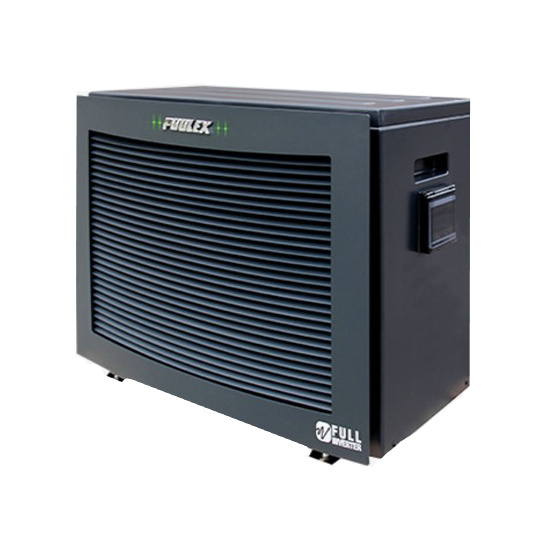
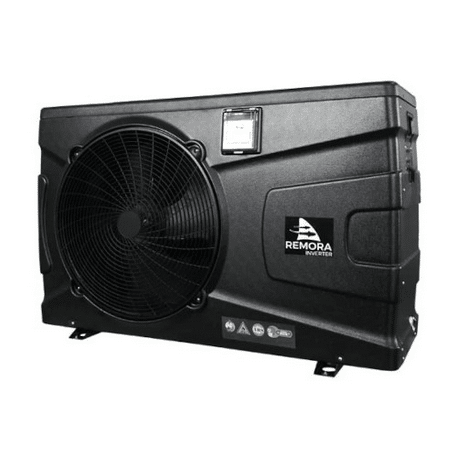
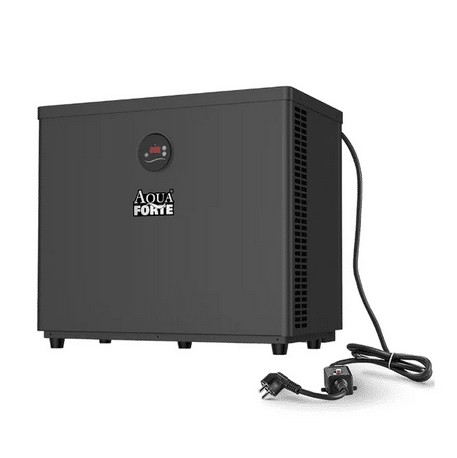
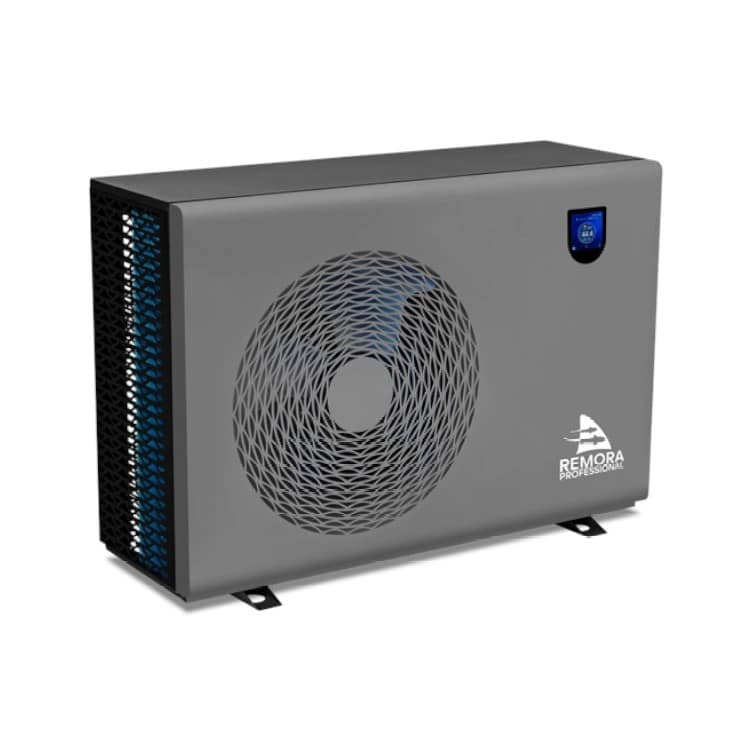
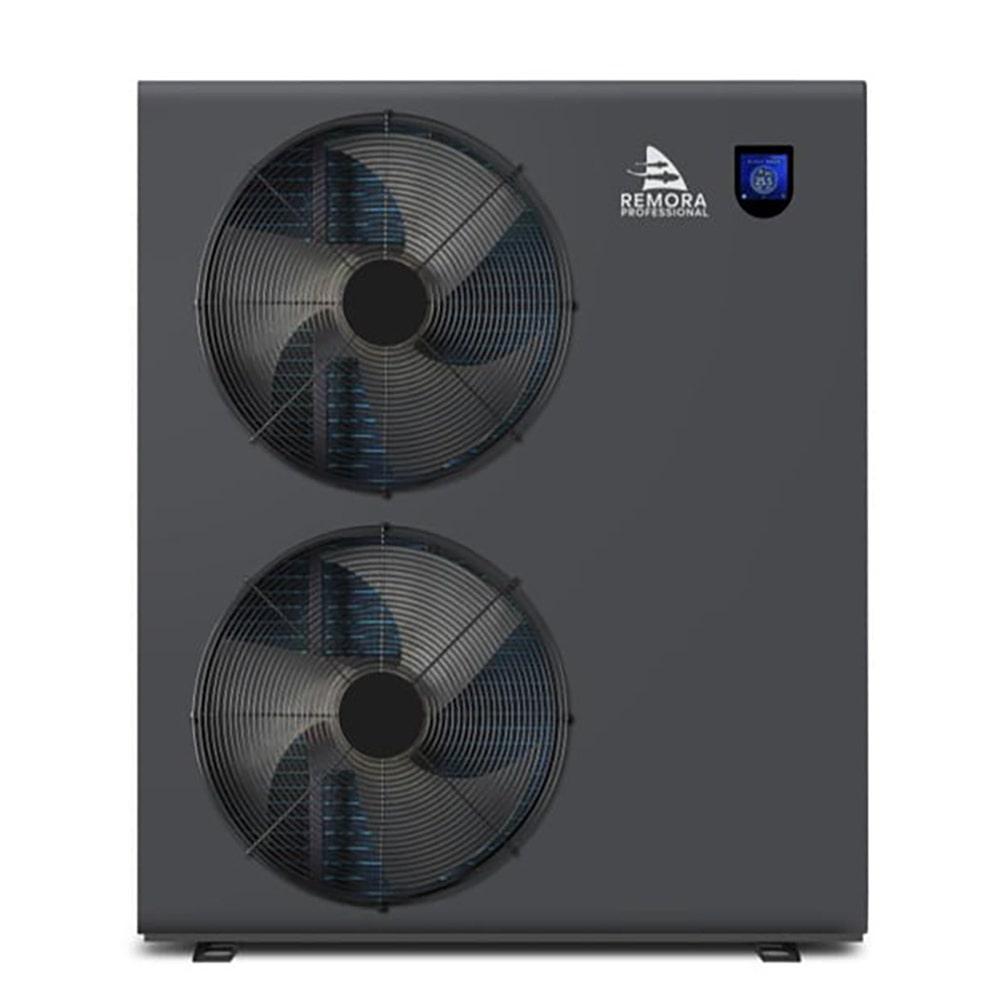
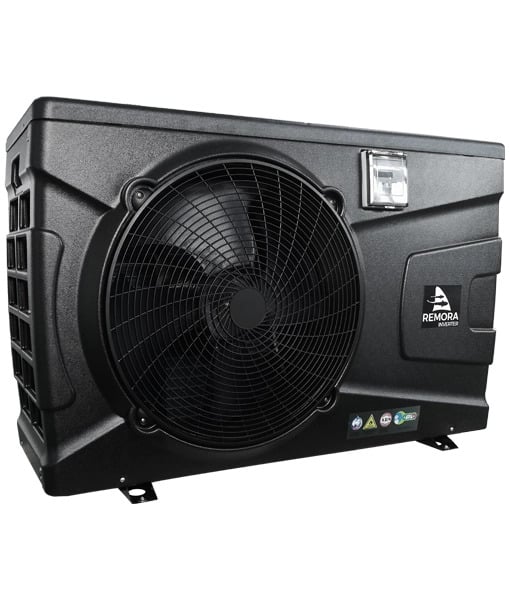
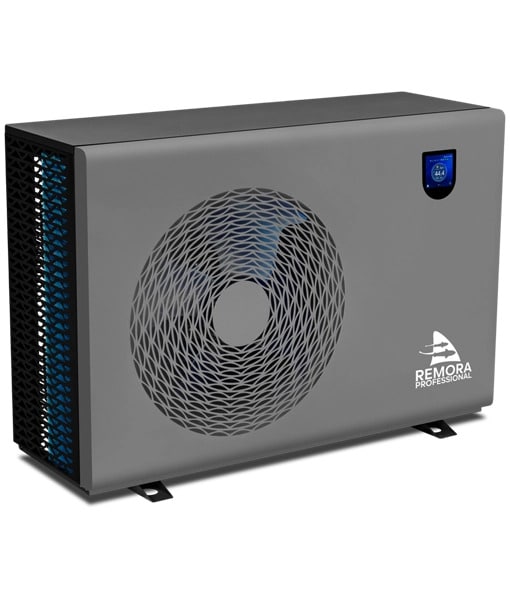
Compare Air Source Heat Pumps at the real operating head
Air source heat pumps move heat from outdoor air into pond or pool water, so their output and efficiency change with air and water temperature. Compare models at the conditions in which you expect to use them, not only at a warm-weather headline figure. Correct water flow, bypass plumbing, electrical supply, ventilation and frost drainage are all part of the installation.
What to check before ordering
- Calculate realistic heat loss from surface area, insulation, wind exposure and covers.
- Check output and operating limits at the coldest conditions you intend to heat.
- Provide the stated water flow, bypass valves, clearances and protected electrical supply.
Products you can compare in this section
Current examples include Remora Professional Inverter Heat Pump with Wi-Fi for Swimming Pools & Koi Ponds, Remora Professional 15 Inverter Heat Pump with Wi-Fi, Remora i27 Inverter Heat Pump with Wi-Fi, Jetline Premium 210 Wifi Model and Jetline Premium 55 Wifi Model.
For koi ponds, a cover and insulated pipework can reduce the heat requirement dramatically. It is usually better to control heat loss before buying a larger machine.
Need to compare the wider range? Return to Pond Heating for the surrounding product family.
Air Source Heat Pumps Selection and Installation Guide
Inverter modulation can improve part-load control
A variable-speed model can reduce output when demand falls, but the control range and published efficiency still depend on the exact unit and conditions.
Airflow and condensate need space
Do not obstruct the evaporator or discharge air. Normal operation can produce condensate, which needs a suitable drain route.
Winter operation changes the calculation
Lower air temperatures reduce available heat and can trigger defrost cycles, so cold-weather capacity matters more than a headline warm-weather figure.
Useful pages alongside Air Source Heat Pumps: Pond heating · Air-source heat pumps · In-line heaters · Water chillers · Pond pumps · Pond filters · Air pumps
Air Source Heat Pumps Frequently Asked Questions
These Air Source Heat Pumps answers cover the practical questions we hear most often. Follow the exact manual and use competent installers where the equipment requires them.
How does an air-source pond heat pump work?
It uses a refrigeration cycle to absorb heat from outside air and transfer it into circulating water.
What is heat-pump COP?
Coefficient of performance is heat output divided by electrical input at stated test conditions; it is not a fixed year-round value.
What is an inverter heat pump?
It can vary compressor and often fan speed to match part-load demand within the models control range.
Why does outdoor temperature affect heat-pump performance?
Colder air contains less readily available heat and can require defrost operation, changing output and efficiency.
Does a pond heat pump need outdoor space?
It needs the siting, clearances, airflow, drainage and weather arrangement stated by the manufacturer.
Can I hide a heat pump inside a shed?
Only if the exact installation design provides the required unrestricted airflow and separation; recirculating cold discharge air can undermine performance.
What is heat-pump defrost mode?
It is an automatic cycle used to remove frost from the outdoor heat exchanger under suitable cold and humid conditions.
How do I choose the right Air Source Heat Pumps product?
For Air Source Heat Pumps, compare water volume, calculated heat gain or loss, target temperature, winter ambient conditions, flow, connections, electrical supply and the manufacturers performance data.
Why does water flow matter for Air Source Heat Pumps?
Correct flow through Air Source Heat Pumps supports heat transfer and its safety devices; too little, too much or interrupted water can reduce output or trigger a fault.
Can Air Source Heat Pumps be sized from pond litres alone?
No. Sizing Air Source Heat Pumps also requires surface area, insulation, exposure, ambient temperature, equipment heat and the temperature change being requested.
Does Air Source Heat Pumps need professional installation?
Install Air Source Heat Pumps using competent plumbing, refrigeration and electrical trades where the exact equipment and current requirements call for them.
What plumbing details should I check for Air Source Heat Pumps?
For Air Source Heat Pumps plumbing, confirm flow direction, connection size, pressure, bypass arrangement, pump duty, isolation, drainage and material compatibility.
What maintenance does Air Source Heat Pumps need?
Maintain Air Source Heat Pumps using its model manual for scale or debris control, airflow, sensors, flow switches, frost protection and professional service intervals.
Can I ignore a flow or temperature alarm?
No. If Air Source Heat Pumps reports a flow or temperature alarm, stop and identify the cause instead of repeatedly resetting or bypassing a safety device.
What should I check before ordering Air Source Heat Pumps?
Before ordering Air Source Heat Pumps, record the required duty, water volume, target and winter temperatures, hydraulic flow, electrical supply, available space and controls.
