






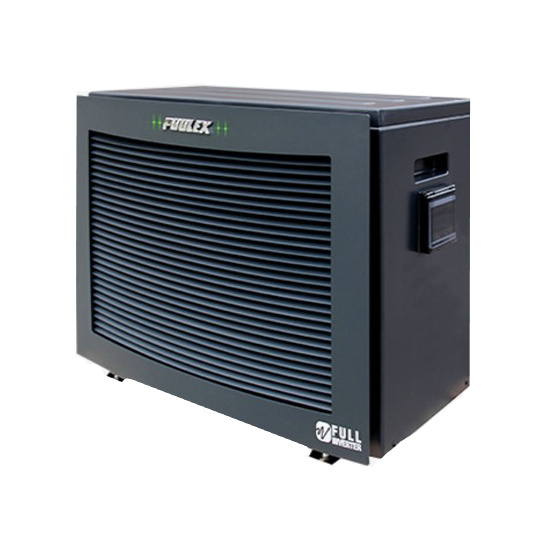
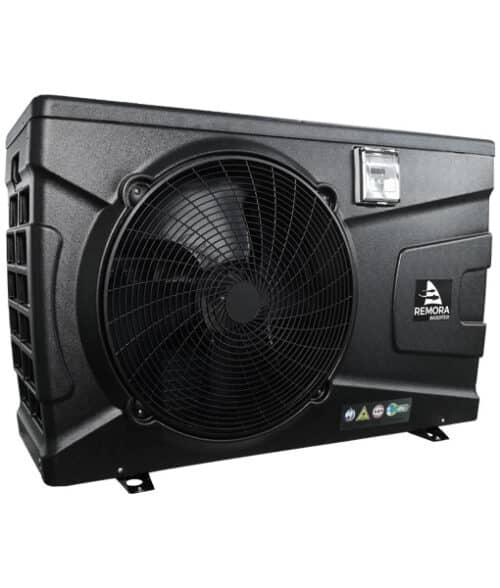
Poolex Jetline Premium Fi 55 Heat Pump with Wi-Fi
| Brand | |
|---|---|
| Heating Output | 7.62kW |
| Best Use | Swimming pools |
| Installation Type | Outdoor |
| Heating type | Air source heat pump |
| Connection Size | 50mm / 1½ inch PVC connectors |
| Wi-Fi control | Built in |
| Heating control | Inverter |
| Power supply | Single phase |
| Air discharge | Horizontal |
Jetline Premium Fi 55 inverter heat pump with built-in Wi-Fi. Heating setpoint range: 15–40°C. Check the model-specific output, flow and electrical supply below. Not suitable for a 12°C holding target using its standard heating controls.
£1,800.00 (inc VAT)
Jetline Premium Fi 55 Heat Pump with Wi-Fi
Inverter heating with a 15°C minimum heating setting
The 55 is the smallest model in this Jetline Premium Fi family. Its modest flow requirement makes it worth comparing for a smaller installation, but the model number is not its output under every operating condition.
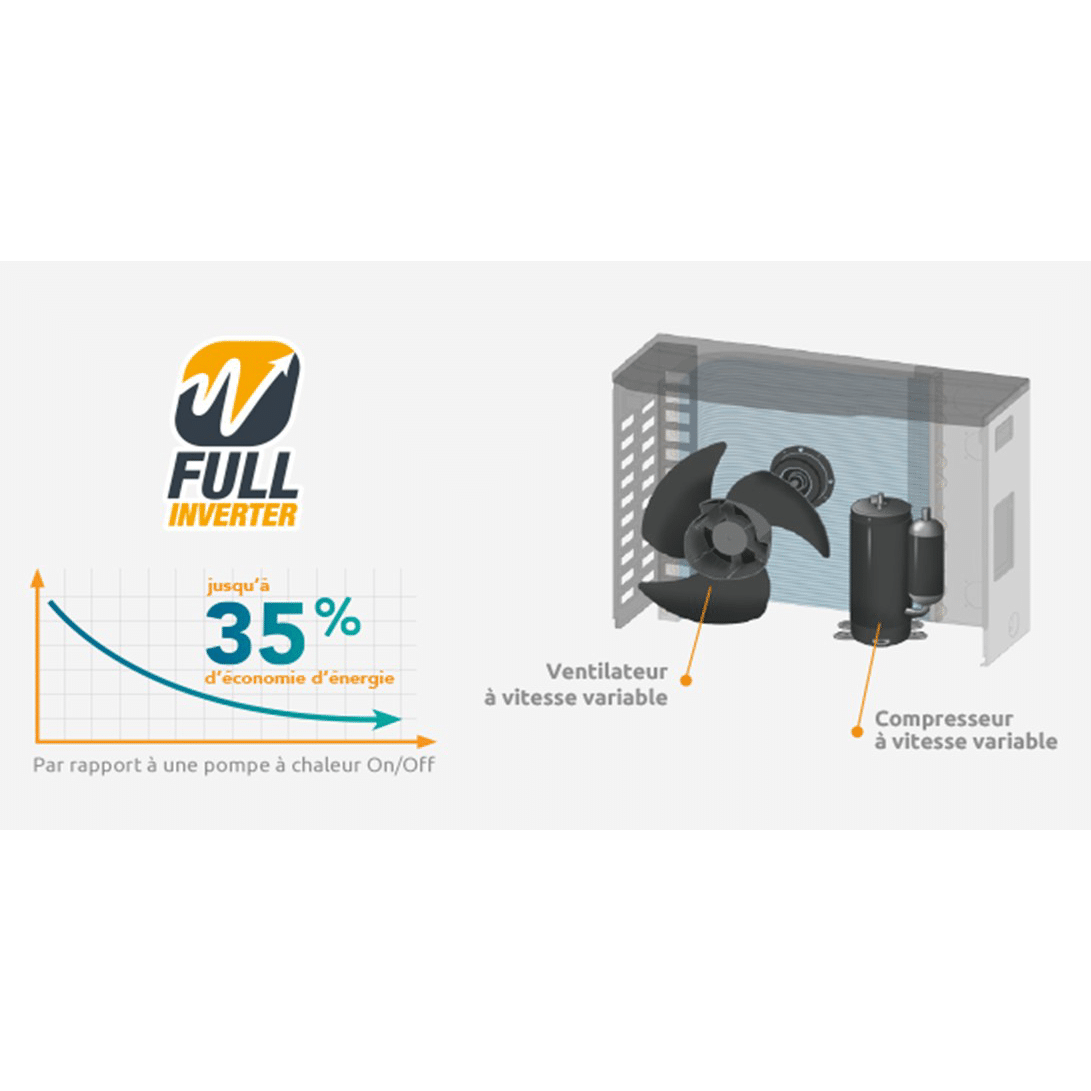
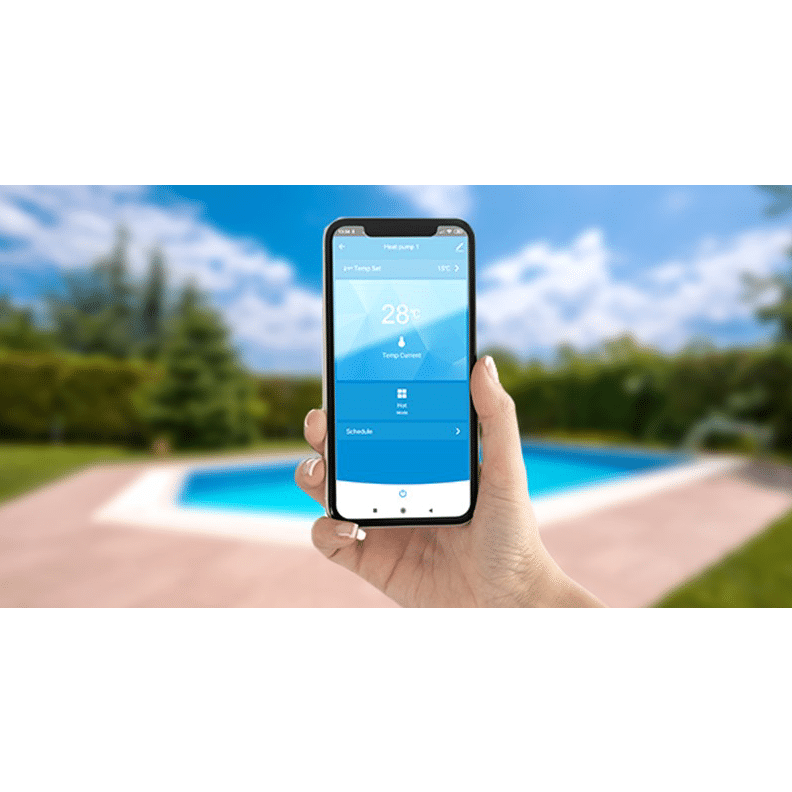
The Jetline Premium Fi uses inverter control to vary its operation as the demand changes. Built-in Wi-Fi provides remote control, while the water circuit and outdoor installation remain essential to its performance. Use the model-specific figures below to compare it with the other heaters in our air source heat pump range.
Choosing a heater for your target temperature
The manufacturer’s heating setting range is 15–40°C. This model is therefore not the right choice if you want the heater to hold a koi pond at 12°C using its standard controls. For that target, choose a model with a heating setpoint that includes 12°C and sufficient output for the actual winter conditions. Our pond heating range includes alternatives to compare.
A low operating air temperature and a low water temperature setting mean different things. The operating limit describes the air conditions in which the equipment can run; it does not change the lowest temperature available on the thermostat. Equally, operating in cold air does not mean the heater produces its warm-weather output throughout winter.
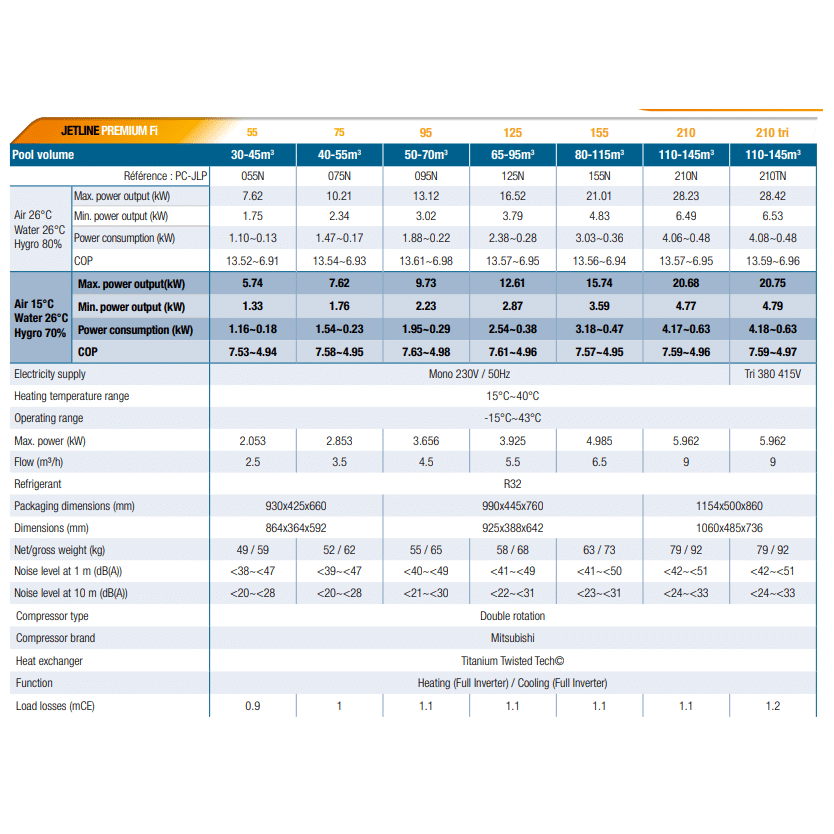
Jetline Premium Fi 55 technical information
- Type: Full inverter air source heat pump
- Model: Jetline Premium Fi 55
- Recommended pool volume: 30 to 45m³
- Maximum heating output at A26/W26: 7.62kW
- Minimum output at A26/W26: 1.75kW
- Power consumption at A26/W26: 1.10 to 0.13kW
- COP at A26/W26: 13.52 to 6.91
- Maximum heating output at A15/W26: 5.74kW
- Minimum output at A15/W26: 1.33kW
- Power consumption at A15/W26: 1.16 to 0.18kW
- COP at A15/W26: 7.53 to 4.94
- Maximum electrical power: 2.05kW
- Power supply: 230V single phase
- Nominal flow: 2.5m³/h
- Refrigerant: R32
- Dimensions: 864mm x 364mm x 592mm
- Weight: 49kg net / 59kg gross
- Noise level at 10m: less than 20 to 28dB(A)
- Connections: 50mm / 1½ inch PVC connectors
- Heat exchanger: Twisted Tech titanium
- Heating setpoint range: 15–40°C
- Operating air temperature: −15–43°C
How to use the capacity figures
The pool volume above is the manufacturer’s pool selection guidance. It is not a rating for keeping a covered koi pond at a specific temperature through a UK winter. The amount of heat needed depends on the water surface area, covers, exposure, construction, pipework and target temperature, as well as the number of litres.
When comparing heat pumps, use matching air and water test conditions. The A26/W26 and A15/W26 figures show performance at two different test points. Neither should be treated as a guaranteed output on a freezing night. Give the installer your intended heating season and water temperature so that the selection accounts for the real job.
Electrical input and heating output are separate measurements. A heat pump transfers heat from the air into the water, so its useful heating output can exceed the electricity it consumes. However, an advertised COP is tied to particular conditions and is not a fixed multiplier for every hour of operation. Running costs change with weather, demand and use.
Water flow, connections and servicing
Check the nominal water flow in the specification before choosing the circulating pump or planning the heater branch. Pipe length, bends, valves and other equipment all affect the flow delivered to the heat exchanger. The maximum number on a circulation pump’s box is not necessarily the flow available in the installed circuit.
A correctly arranged bypass allows the heater branch to be balanced and isolated for servicing. Match the supplied connections to the chosen pipework, allow access to the unions and provide a practical draining arrangement. Have the installation planned as a complete water circuit rather than adding fittings simply because they were used on another model.
Outdoor position and electrical supply
Install the unit on a firm, level base with the clearances required by its manual. Leave the air inlet and discharge unobstructed. A close enclosure or fence can cause the machine to draw its cooled discharge air back into the inlet, reducing the heat available to collect. Leave room for inspection and service work as well as airflow.
Normal operation produces condensate, so provide an appropriate drainage route. Consider where this water will go in cold weather and avoid discharging it onto a frequently used path. Positioning should also take account of neighbouring properties and the sound produced while the heater is working.
Have a qualified electrician confirm the supply, protection and cable requirements for this exact model. In the larger sizes, single-phase and three-phase products are separate choices. Selecting the correct phase is part of specifying the product, not a setting that can be changed after delivery.
Using the heater through the season
Set a heating plan appropriate to the water’s intended use and check the actual temperature independently. For fish ponds, avoid abrupt temperature changes and continue monitoring water conditions. Wi-Fi control is useful, but does not replace routine checks that circulation is running and the equipment is unobstructed.
Keep the air path clear and inspect the condensate route. If the unit is taken out of service for freezing weather, follow its draining and winterisation instructions. Turning off the electricity alone does not empty water from the heat exchanger. A stored heater and an actively heating installation need different winter arrangements.
Compare before ordering
Compare output, flow and electrical supply alongside the purchase price. For further help with the overall selection, read our pond heating guide. Tell us your volume, intended temperature, covers and heating season if you need help identifying the appropriate model.

Reviews
There are no reviews yet.