Brand

Remora Heat Pumps for Koi Ponds

Inverter pond heating and cooling with Wi-Fi control, titanium heat exchangers and cold-weather operation

Remora inverter heat pumps are a serious option for koi keepers who want to control seasonal temperature rather than rely on a large direct electric heater. They use a variable-speed compressor and fan, slowing down as the pond approaches set temperature instead of repeatedly switching from off to full output.

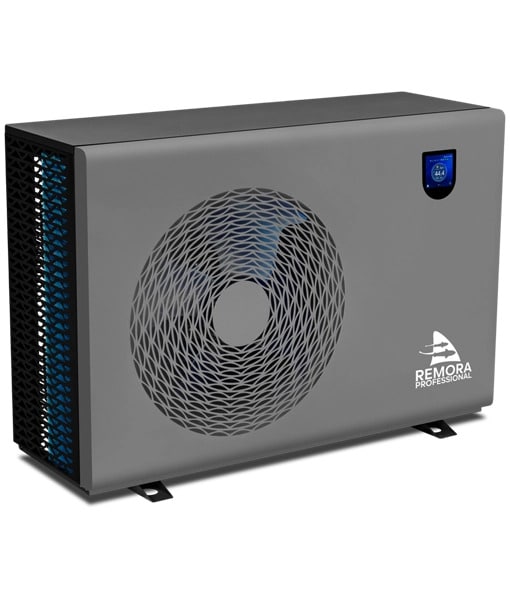
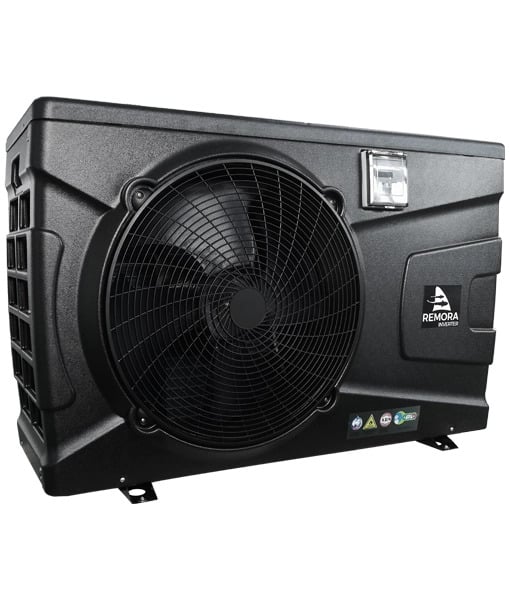
Our current pond range includes the Remora Inverter and the more advanced Remora Professional. Both can heat or cool and offer app control, but model sizes, operating modes, electrical requirements and warranties differ. We check those details against the exact variation rather than describing every black outdoor unit as the same.

For a koi pond, the heat pump is only half of the system. A cover, insulated exposed pipework, sensible water turnover and a gradual temperature plan make an enormous difference to running cost and fish welfare.

Remora Inverter or Remora Professional?

The Remora Inverter is the established stepless inverter family with heating, cooling and Wi-Fi control. The Remora Professional adds a premium control and construction package with Boost, Silent, Eco and Smart operating choices.

Published output must be read at the stated air and water conditions. A unit described as 12 kW in warm test conditions will deliver less heat on a cold January day.

Size for the Pond You Actually Have

We use the pond volume, surface area, desired winter temperature, local climate, wind exposure, cover and months of operation. A deep insulated koi pond under a fitted cover is a different heat-loss calculation from an open shallow pond.

Do not chase rapid temperature changes. Stable, planned temperature control is generally more useful than repeatedly warming and cooling the fish.

Plumbing and Outdoor Position

Install the heat pump outdoors with the specified air clearances. Use a bypass and unions in the return line so flow can be set and the unit isolated. Protect exposed pipework and arrange condensate drainage.

The 9 kW and 12 kW Remora Inverter models are commonly supplied as plug-fitted versions; larger models require a suitable dedicated installation. Confirm the exact variation before planning the electrics.

Our advice: send us a pond sketch before ordering. A well-sized heat pump with a good cover is far better than an oversized unit fighting avoidable heat loss.

Related Heating and Installation Categories

All pond heating · Air-source pond heat pumps · Pond covers · Pond pipework · Pond thermometers

Frequently Asked Questions

Are Remora heat pumps suitable for koi ponds?

Yes. The inverter and Professional ranges are sold for suitable pool and koi-pond heating/cooling duties.

What set-temperature range is published for koi use?

Remora literature states a broad 5 to 40 C set range; choose a gradual, appropriate target for the fish and season.

What is the difference between inverter and on/off heating?

An inverter varies compressor and fan speed. A conventional on/off machine generally cycles at fixed output.

Can I cool the pond in very hot weather?

Selected Remora inverter models have a cooling mode, subject to the model operating limits and safe temperature management.

Does Wi-Fi replace the local controller?

No. It provides remote monitoring and settings through the supported app and network, while the unit retains its own controls.

Can I use the swimming-pool maximum volume for a koi pond?

Not automatically. Pond temperatures, winter use and heat loss can create a different sizing duty.

Should I turn pond heating off overnight?

Large daily swings are rarely helpful. A cover and steady inverter operation may be more efficient and stable.

Can a heat pump replace pond aeration?

No. Warm water carries less dissolved oxygen, so maintain appropriate aeration and circulation.

Where in the filter return should it go?

Use the manufacturer layout, normally on clean filtered return water with a correctly arranged bypass.

Can I use salt in a koi pond with the heat pump?

Titanium exchangers provide good compatibility, but confirm the exact permitted water chemistry and keep it within the manual limits.

Do smaller Remora models include a plug?

Some smaller variations are supplied plug-fitted. Confirm the exact model and current package before ordering.

Is a Professional model always the best choice?

Not necessarily. It is valuable where its control modes, build and warranty justify the cost; sizing and installation still come first.

Why is a pool cover so important?

Most heat escapes from the water surface. A suitable cover can reduce heat loss dramatically and may change the heat-pump size and running cost.

Does the headline kW stay the same in cold weather?

No. Heat output and COP change with air temperature, water temperature and humidity. Compare the cold-condition performance for your season.

What does COP mean?

Coefficient of performance compares heat delivered with electrical input at stated test conditions. It is not a fixed year-round efficiency figure.

Why is a bypass useful?

A correctly set bypass helps keep flow through the heat exchanger within the permitted range and makes isolation and servicing easier.

Is water beneath the outdoor unit a leak?

Often it is normal condensate from the evaporator, especially in damp weather. Check that it is clear water and that the condensate drain is unobstructed.

Can the unit be enclosed in a shed?

Normally no. It needs the manufacturer clearances and unrestricted outdoor airflow; recirculating cold exhaust air reduces output and efficiency.

Who should install the electrical supply?

A qualified electrician should provide the correct protected circuit, isolation and cable sizing. Plug-fitted models still need a suitable outdoor supply.

How do I prevent frost damage?

Follow the exact winterising instructions. If the circulation is stopped, drain all trapped water from the heat exchanger and pipework.

Can you help size a heat pump?

Yes. Send water volume, surface area, target temperature, months of use, location, cover type, filtration flow and electrical supply.

Should chemical dosing enter before the heater?

Follow the installation manual; dosing equipment is normally placed downstream so concentrated chemical cannot enter the heat exchanger.

Why does flow matter?

Too little flow can cause faults or poor heat transfer; too much can exceed the unit limits. Use the specified range for the exact model.

How long will initial heating take?

It depends on water volume, starting and target temperatures, weather, cover and the unit’s output at those conditions. Maintaining temperature is easier than the first warm-up.