






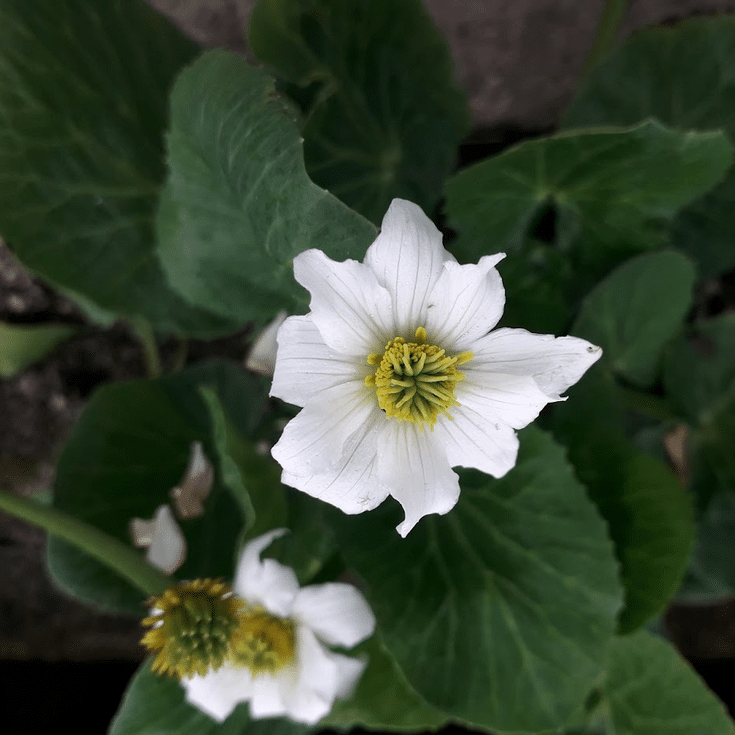
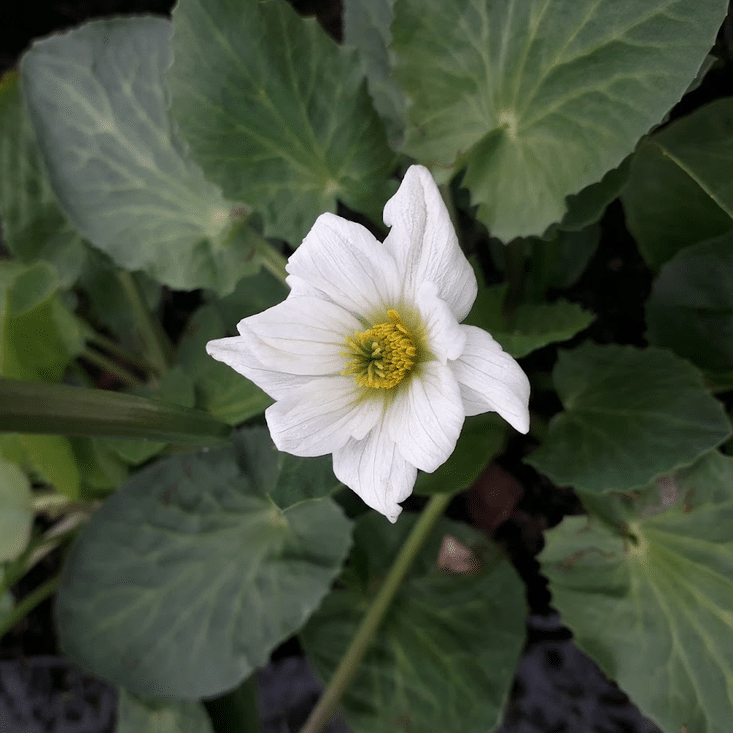
White Marsh Marigold (Caltha leptosepala)
| Size | 1 Ltr, 1 Ltr – Pack of 3 |
|---|---|
| Plant Type | Marginal |
| Sun / Shade | Full Sun to Part Shade |
| Flower Colour | White |
| Growth Rate | Slow |
| Native to UK | No |
| Plant group |
White spring flowers with yellow centres above glossy heart-shaped leaves. Choose an open sunny position in rich boggy pondside soil and keep the root zone wet.
Price range: £14.00 through £34.00 (inc VAT)
White Marsh Marigold (Caltha leptosepala)
Yellow-centred white spring flowers for an open, boggy pond edge
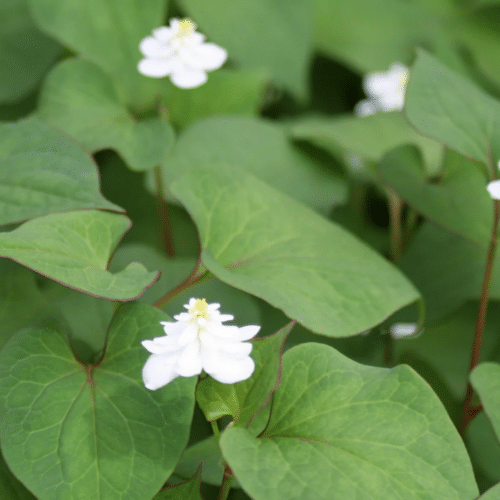
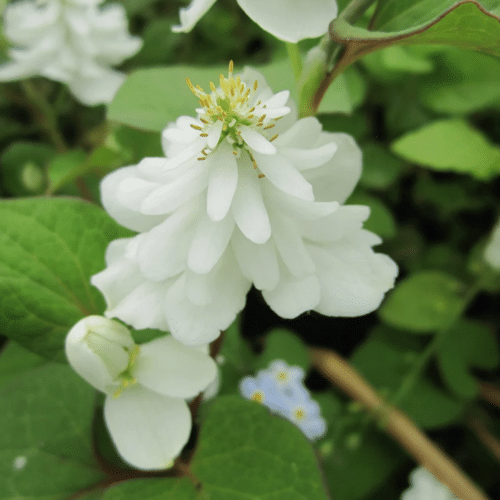
White Marsh Marigold brings white flowers with yellow centres to the damp ground beside a pond. Caltha leptosepala is a distinct species from the familiar yellow Caltha palustris. Its glossy, heart-shaped leaves form a small clump beneath the spring flowers, which can reach about 4cm across.
The scale suits the front of a planted margin, where the flowers can be seen without taller plants hiding them. A mature clump is around 30cm high and wide in RHS guidance. Leave enough space around the leaves for that shape to develop, rather than filling every gap with faster-spreading neighbours.
Choose an open sunny site with rich, boggy soil at the water’s edge. This moisture-loving pondside species needs a wet root zone; keep the root zone wet and follow the supplied label for any shallow cover. The most useful starting position is the boggy edge, with the leaves and flowers clearly above water.
The white display belongs to spring, with timing varying according to conditions. It can continue the lighter colours of a pondside planting alongside other early flowers. The flowers and leaf growth develop with the season, so the image of a mature flowering clump describes its garden appearance rather than the state of every plant at dispatch.
After flowering, the leaves continue their seasonal growth. Keep the root zone from drying, particularly if the plant is in a small container that loses water quickly in warm weather. Routine pruning is unnecessary; remove spent or decaying material selectively and divide an established clump if it becomes crowded.
This western North American species is not a British native. The RHS rates it H7 and describes deciduous growth, which means winter dieback is part of its normal cycle. Keep its planting position identifiable after the leaves disappear, so spring shoots are given room and the basket is not accidentally moved into a deeper part of the pond.
UK-grown plant. Grown at a dedicated aquatic plant nursery in the South of England.

What you receive
Choose a single 1 litre plant or a pack of three 1 litre plants from the options above. The selected pack determines the quantity supplied; mature height and spread describe an established garden plant, not the size of every plant at dispatch.
White Marsh Marigold is deciduous. A plant arriving outside the growing season may have little top growth, while the white spring flowers develop in their season. Keep the root zone moist and the label in place while you prepare its boggy pondside position.
Is this right for your pond?
Choose this species for a small clump of white spring flowers at an open, wet pond edge. Its conditions and season matter as much as the flower colour.
- A sunny boggy edge: An open site with rich, boggy soil suits this plant. A dry border or a deeply submerged shelf is a different growing environment and should not be treated as interchangeable.
- Room for the whole clump: Allow about 30cm in height and width for an established plant. Keep larger neighbours back so the glossy leaves and yellow-centred white flowers can be seen.
- A spring display: The flowers belong to spring rather than the late-summer display of pickerel plants. Consider the flowering season when choosing a white-flowered planting scheme.
- An ornamental non-native choice: This is a western North American species, distinct from native yellow Marsh Marigold. Choose it for its white flowers and suitable conditions rather than as local wild native stock.
Planting position and getting established
Use an open sunny site with rich boggy soil at the pond edge. Keep the roots wet and set the crown at its existing planted level, with leaves and flowers above water. The boggy edge gives the roots moisture while keeping the small spring display clearly visible.
If you are considering shallow water over a basket, follow the supplied plant label rather than transferring the depth of a different Caltha. Check where the planted crown will sit as well as the shelf depth. A container supplied for transport does not by itself establish that the whole crown should be held below water.
Leave space for the mature clump to reach around 30cm across and retain access for watering and seasonal tidying. Smaller plants can be overwhelmed by nearby vigorous marginals, so keep a clear view of the leaves and spring flowers. If the plant is in a separate container beside the pond, check moisture regularly: wet-looking surroundings do not stop a small rootball drying out.
Looking after your plants
- Keep the root zone wet: Water a boggy border planting when necessary and check containers during warm weather. The plant is suited to rich wet ground, so do not let its roots become dry while moving or maintaining it.
- After spring flowering: Allow healthy foliage to continue growing after the flowers fade. Remove spent stems selectively where needed, without cutting away the whole leaf clump simply because flowering has finished.
- Simple tidying: Routine hard pruning is not normally required. Lift out soft decaying leaves and keep fallen debris from burying the crown, taking care not to damage fresh shoots.
- Divide when crowded: An established congested clump can be divided to renew it or make room. Keep rooted sections moist and replant them promptly in a suitable wet position rather than leaving them exposed.
- Winter dormancy: The deciduous foliage can disappear in winter. Mark the planting position so the resting crown is not disturbed, and give emerging spring growth room before surrounding plants fill out.
Size and growing conditions
Delivery and basket information
We do not deliver live plants to Northern Ireland.
Orders received by 11am Monday to Wednesday are normally dispatched on the following working day using a next working day courier service. During busy periods, dispatch may occasionally take an extra day.
To avoid plants being held in depots over a weekend, we do not usually dispatch on Fridays. Highlands and Islands orders using a two day service are not normally dispatched on Thursdays.
Please read our delivery information for delivery arrangements and contact us if you need to check the timing of a particular order.
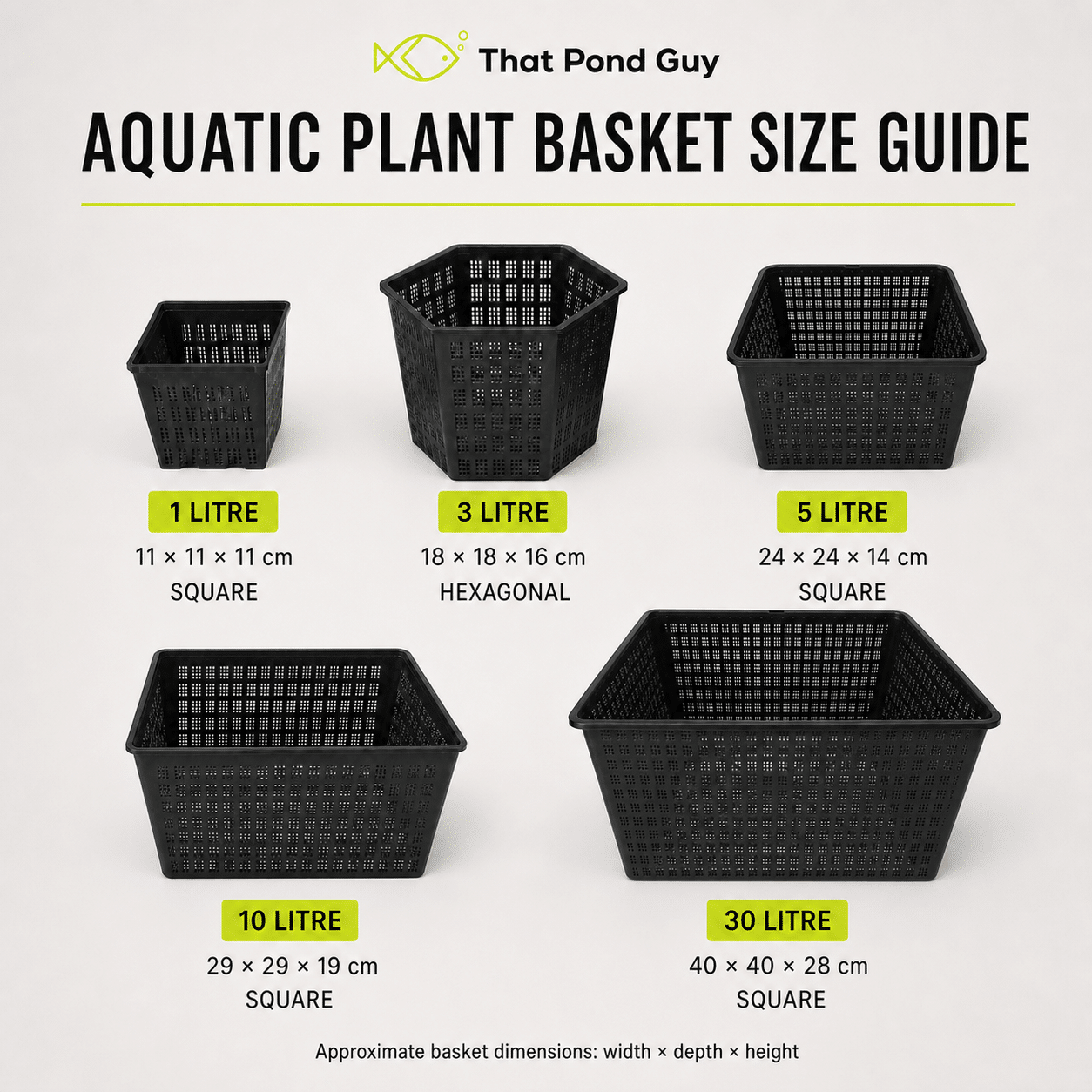
Finofil baskets are made from 100% recycled polypropylene co-polymer. They are not suitable for ordinary kerbside recycling; reuse them where possible and check local specialist recycling options. Their fine mesh helps retain aquatic soil while allowing water to reach the roots.
Basket measurements for the offered sizes:
- 1 Litre Basket – usually 11 × 11 × 11cm square; some varieties may be supplied in a 14cm diameter × 10cm round basket
Other plants to compare
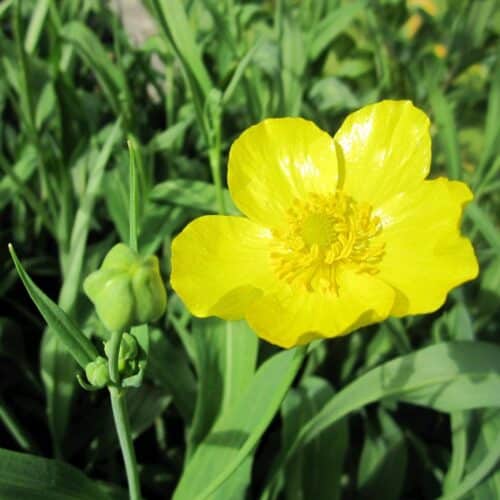
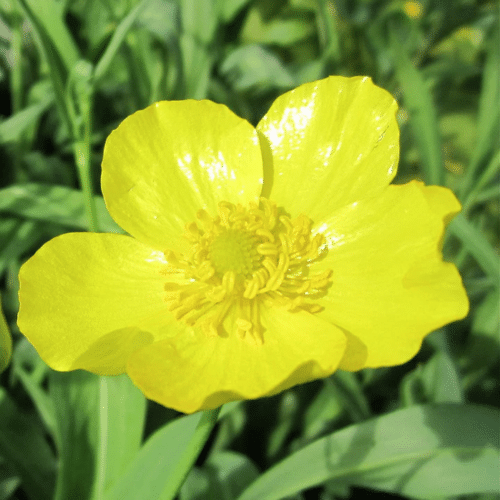
Marsh Marigold — Marsh Marigold gives yellow spring flowers and is a British native species. It is the familiar yellow choice for a suitable wet edge rather than this distinct white-flowered species.
White Pickerel Weed — White Pickerel Weed gives taller white flower spikes in summer in a sunny shallow-water position. Choose it for a different season and structure, rather than as a direct replacement for a small spring Caltha clump.







Reviews
There are no reviews yet.