





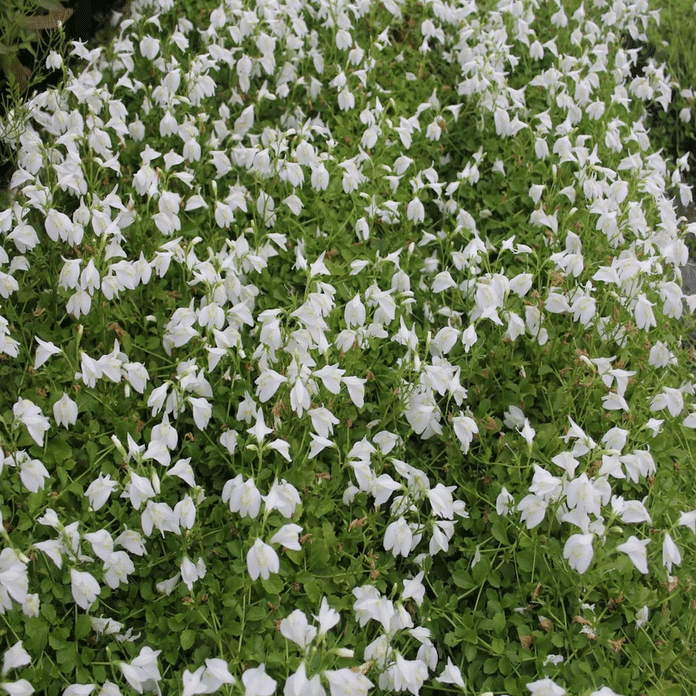
White Chinese Marshflower (Mazus reptans ‘Albus’)
| Size | 1 Ltr, 1 Ltr – Pack of 3, 9cm – Pack of 3, 3 Ltr |
|---|---|
| Plant Type | Marginal |
| Sun / Shade | Full Sun to Part Shade |
| Flower Colour | White |
| Growth Rate | Slow |
| Native to UK | No |
Low creeping foliage with small white late-spring and early-summer flowers. Plant in moist pondside soil above standing water, where taller neighbours will not overshadow the mat.
Price range: £14.00 through £34.00 (inc VAT)
White Chinese Marshflower (Mazus reptans ‘Albus’)
Low creeping foliage and small white flowers for damp pondside soil
White Chinese Marshflower makes a low layer of green leaves with small white flowers in late spring and early summer. Mazus reptans ‘Albus’ is a creeping perennial rather than an upright marginal, so its effect is at ground level. It can soften the garden side of a pond edge without hiding the water behind tall foliage.
Place it where the small leaves and flowers will not be overshadowed by larger plants. A suitable damp gap beside paving can let the low growth remain visible. It can therefore be useful beside a pond path or at the front of a damp border, provided the planting is not repeatedly buried beneath surrounding growth.
Choose moist soil in sun or partial shade, with shelter where possible. Keep the crown in soil above standing water and check the small rootball so it does not dry out beside a hard pond edge. A damp pondside position gives the roots moisture without covering the leaves.
The mat spreads outward from a small starting clump. Give it room and check the edges where it approaches other low plants or a path. A low plant can still expand into neighbouring space, so keep its boundary accessible and lift unwanted rooted pieces when needed.
The main white flower display comes in late spring and early summer. In a sheltered spot much of the foliage can remain green, while a colder or exposed winter can leave a thinner mat. Let the plant’s actual growth and the local conditions guide selective tidying.
Routine hard pruning is not normally needed. Neaten unwanted growth, divide a spreading patch when necessary and watch for slugs or snails on fresh shoots. Treat it as an ornamental non-native ground cover for a suitable moist position, keeping its low leaves visible and its spreading edge within reach.
UK-grown plant. Grown at a dedicated aquatic plant nursery in the South of England.

What you receive
The options above offer a 1 litre plant, three 1 litre plants, a 3 litre plant or a pack of three 9cm plants. Choose the size and quantity for the area you want to establish; a small nursery plant will take time to form a spreading mat.
The white flowers appear in their season, usually late spring and early summer. Leaves may remain in a sheltered winter position, but a cold-weather plant can look much thinner than the photograph. Keep the rootball moist while preparing its pondside place.
Is this right for your pond?
White Chinese Marshflower suits the garden side of a damp pond edge, where its small leaves and white flowers will not be lost beneath taller plants. It is a low creeping ground cover, not a deep-water marginal.
- The front of a moist border: A low mat can soften the edge of a planted area without hiding the pond behind tall stems. Keep vigorous neighbours far enough back for the small leaves to receive light.
- Damp paving-edge spaces: It can grow in suitable moist gaps beside paving. Choose a protected planting space rather than expecting it to make a hard-wearing surface for regular foot traffic.
- Moist soil above the water: Place the crown in damp garden soil rather than assuming that a pond-plant listing means it should be submerged. Keep the small rootball from drying beside warm paving.
- A sheltered low planting: Shelter can help more foliage remain through winter. Allow the mat room to expand, and neaten its edges where it reaches another small plant or a path.
Planting position and getting established
Choose moist soil in sun or partial shade on the garden side of the pond. Set the crown at its existing soil level, above standing water, and firm it gently so the small rootball has good contact with the surrounding soil. Do not place the plant on a submerged pond shelf simply because it is sold alongside aquatic plants.
Think about the light at ground level. Taller marginals can cast shade over the planting even when the pond itself looks sunny. Leave a gap around the mat and check that fallen leaves or trailing growth do not bury it. A damp border edge or a suitable paving gap can work where the root zone remains moist.
Water the planting in and check it during dry or windy weather, especially beside stone that warms in the sun. Leave room for outward creeping growth and for selective lifting if it spreads into another plant. The low habit makes the flowers easy to miss at a distance, so position it where the small white display can be seen close up.
Looking after your plants
- Maintain moisture: Check the soil around the rootball in dry spells. Moisture is particularly easy to overlook beside paving, where a small plant can dry while the nearby pond still looks full.
- Keep it visible: Move fallen leaves and trim encroaching neighbouring growth so the tiny leaves are not smothered. The mat needs its own light and space rather than being used as a filler under dense tall foliage.
- Neaten rather than hard-prune: Routine hard pruning is not normally necessary. Lift or trim unwanted creeping edges selectively where they reach a path, another low plant or a space you want to keep open.
- Divide an established patch: A growing mat can be divided when it needs renewing or moving. Replant rooted pieces into suitable moist soil promptly and keep them watered while they settle.
- Watch fresh growth: Slugs and snails can damage small shoots. Inspect the plant if gaps appear, and tidy winter damage selectively; some foliage can remain in shelter, but a full green mat is not guaranteed through cold weather.
Size and growing conditions
- Botanical name
- Mazus reptans ‘Albus’
- Plant type
- Low creeping pondside perennial
- Planting position
- Moist border or suitable damp paving-edge gap
- Water position
- Crown in moist soil above standing water
- Light
- Full sun or partial shade; avoid being overshadowed
- Height
- A very low creeping mat
- Spread
- A developing mat may reach about 10–50cm across
- Flowers
- Small white flowers in late spring and early summer
- Foliage
- Semi-evergreen; more foliage may remain in shelter
- Winter care
- Neaten damaged growth selectively; keep the root zone moist
- Routine pruning
- Usually unnecessary; manage the edges as needed
- Native status
- Not native to Great Britain or Ireland
- RHS information
- RHS plant profile: Mazus reptans 'Albus'
Delivery and basket information
We do not deliver live plants to Northern Ireland.
Orders received by 11am Monday to Wednesday are normally dispatched on the following working day using a next working day courier service. During busy periods, dispatch may occasionally take an extra day.
To avoid plants being held in depots over a weekend, we do not usually dispatch on Fridays. Highlands and Islands orders using a two day service are not normally dispatched on Thursdays.
Please read our delivery information for delivery arrangements and contact us if you need to check the timing of a particular order.
Finofil baskets are made from 100% recycled polypropylene co-polymer. They are not suitable for ordinary kerbside recycling; reuse them where possible and check local specialist recycling options. Their fine mesh helps retain aquatic soil while allowing water to reach the roots.
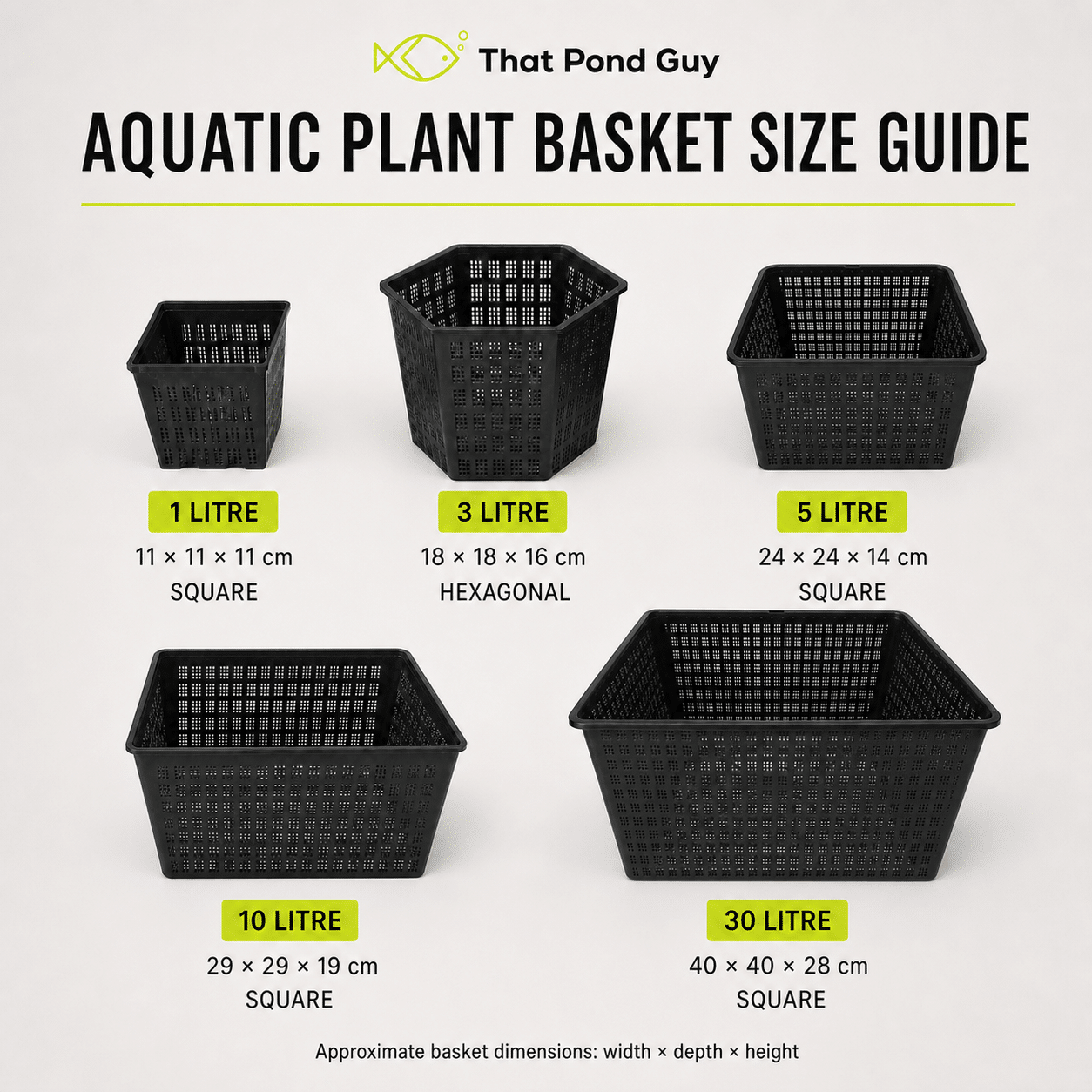
Basket measurements for the offered sizes:
- 1 Litre Basket – usually 11 × 11 × 11cm square; some varieties may be supplied in a 14cm diameter × 10cm round basket
- 3 Litre Hexagonal Basket – 18 × 18 × 16cm
Other plants to compare
Chinese Marshflower — Compare the plain Chinese Marshflower species listing with the named white ‘Albus’ selection. Both give low creeping growth for suitable moist pondside soil; use each listing’s flower description when choosing the effect you want.
White Lobelia — White Lobelia provides much taller white flower spikes later in the season. It suits a reliably moist border where there is room for an upright plant behind lower ground cover.





Reviews
There are no reviews yet.