





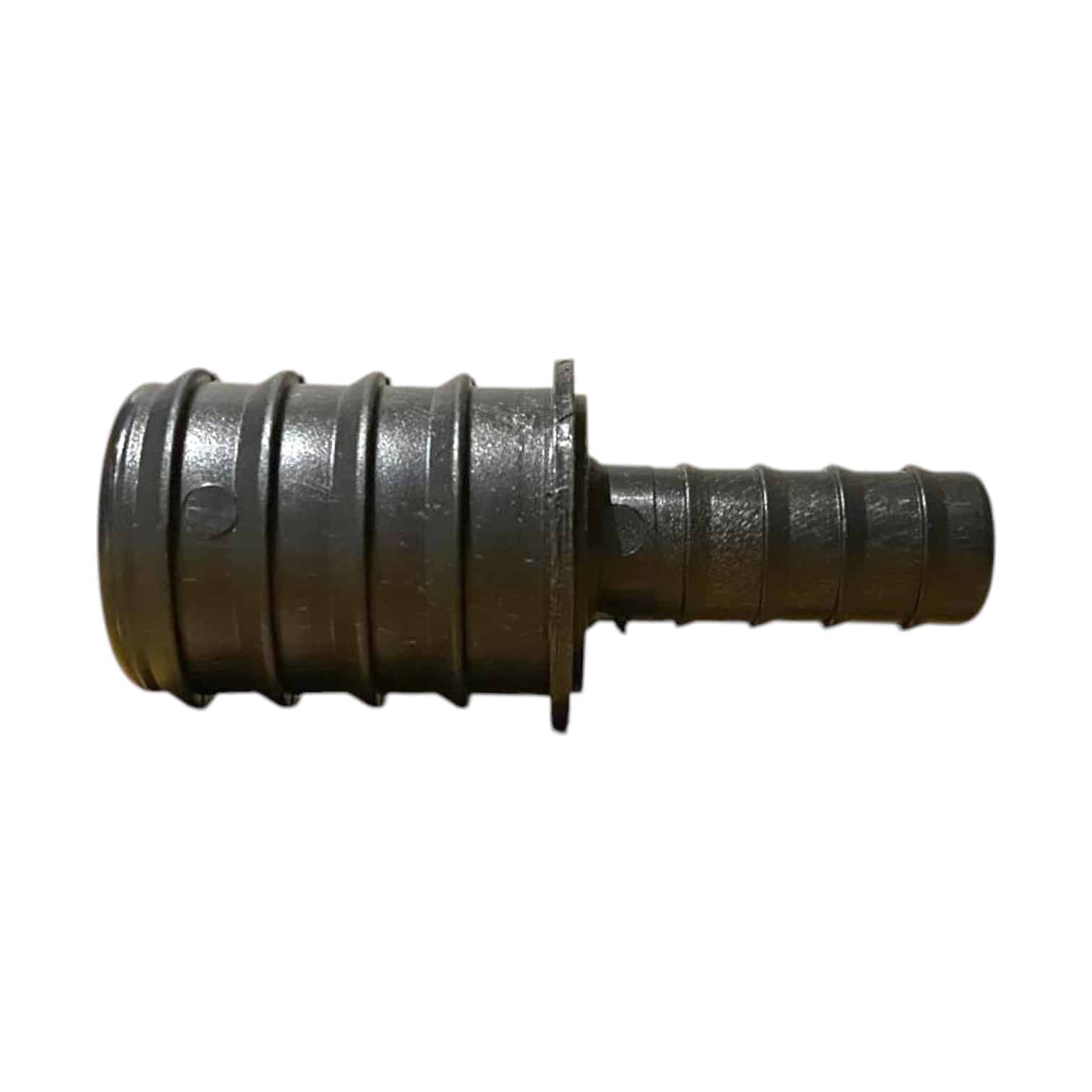
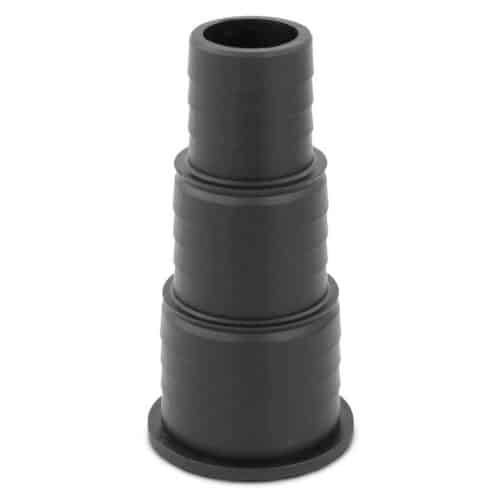
Reducing Pond Hose Menders — 3/8 to 1/2 and 1 to 1/2 Inch
| Connection type | Reducing hose-to-hose mender |
|---|---|
| Quantity | One selected mender |
| Option | 3/8 inch to 1/2 inch hose, 1 inch to 1/2 inch hose |
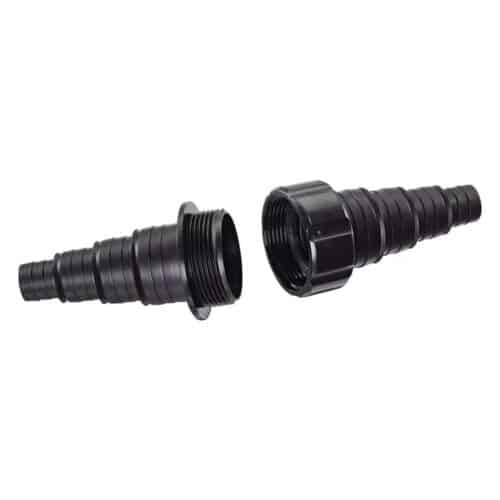
One reducing hose mender in the selected size: 3/8 to 1/2 inch or 1 to 1/2 inch. Match the internal diameter of both hoses. Hose and clips are separate.
Price range: £1.76 through £2.79 (inc VAT)
Reducing Pond Hose Menders
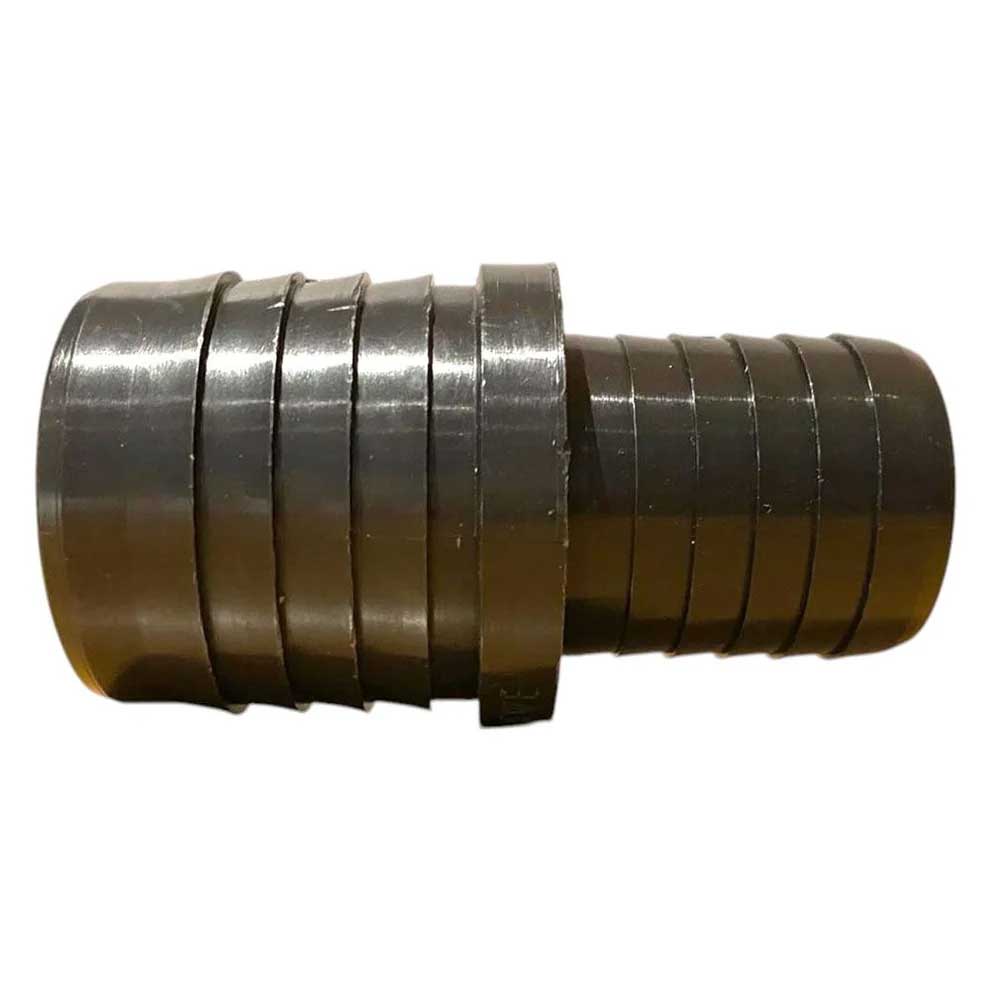
A reducing hose mender joins two compatible hoses with different internal diameters. It provides a compact connection where a hose route needs to change size, or where a damaged length is being replaced with an appropriate different bore. Choose the pair of sizes that matches both hoses rather than selecting a connector from only the larger measurement.
This listing has two specific combinations: 3/8 inch to 1/2 inch, and 1 inch to 1/2 inch. Each selection supplies one reducing mender. Hose clips and hose are separate items. These are hose connections, not female BSP threaded reducers or adaptors for rigid pressure-pipe sockets.
Available connections
| Option | Hose bore at one end | Hose bore at the other end |
|---|---|---|
| Small reducing mender | 3/8 inch | 1/2 inch |
| Large reducing mender | 1 inch | 1/2 inch |
For a rough metric comparison, 3/8 inch is approximately 9.5mm, 1/2 inch approximately 12.7mm and 1 inch approximately 25.4mm. The nominal inch designations identify the intended size choices. They are not a guarantee that a stiff tube, a differently specified metric hose or an unusual wall construction will fit correctly.
Decide whether a reduction suits the system
A smaller section of hose can limit the water delivered through a route. Before fitting a reducer to a pump outlet or filter return, check the equipment’s recommended hose size and operating arrangement. The mender provides a size transition; it does not preserve the flow of a larger uninterrupted hose or increase a pump’s rated performance.
Consider the whole route, including its length, bends, lift and other fittings. A reduction that is useful for a small water feature may be unsuitable for a filter that needs a larger return. Check the requirements of the equipment being supplied with water and avoid a connection chosen only because the hose happens to be available.
Identify both hose ends
Read the hose specification or measure the internal diameter of an undamaged end. Do not measure the outside and treat that figure as the bore. If an old connection has stretched the end, check a sound section as well. A connector can appear to fit an enlarged worn end but still leave an unreliable joint.
Inspect the condition of both lengths. A split, brittle or badly flattened hose should be replaced rather than held together with extra tightening. When repairing a damaged area, remove the affected section as the hose’s instructions allow and make a clean, square end. Leave enough usable hose for each side of the mender to seat properly.
Fitting the reducing mender
Switch off and safely isolate the equipment before opening a water connection. Drain the affected part of the route and keep debris out of the hose ends. Compare the complete mender with the intended hoses before carrying out any permanent alteration to the installation.
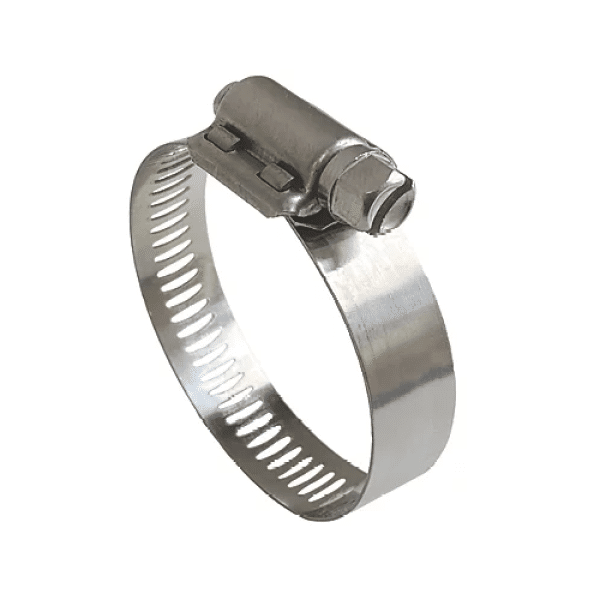
Fit each hose onto the correct end, following the hose and connector instructions. Avoid forcing a mismatched bore into place or using heat indiscriminately to make an unsuitable tube stretch. Secure the connections with appropriate clips where required. Select each clip for the outside of its assembled hose connection; the two ends may need different sizes.
Position and support the joint
Place the connection somewhere it can be inspected without lifting heavy pond equipment or pulling on a pump cable. Support the hose on both sides so that the mender is not under constant sideways load. Leave a sensible bend radius around the fitting and avoid a sharp fold immediately at the smaller end.
Do not bury a newly assembled joint and assume it is sound because the hoses felt tight during fitting. Refill or restart the route according to the equipment manual and examine both ends under normal operating conditions. If either end leaks or moves, isolate the equipment again before making adjustments.
Care and maintenance
Include the mender in regular checks of the hose run. Look for water escaping, clips loosening, worn hose ends or a connector being pulled out of alignment. Reinspect the joint after cleaning equipment, moving a water feature or changing the hose route, since those tasks can disturb a previously sound connection.
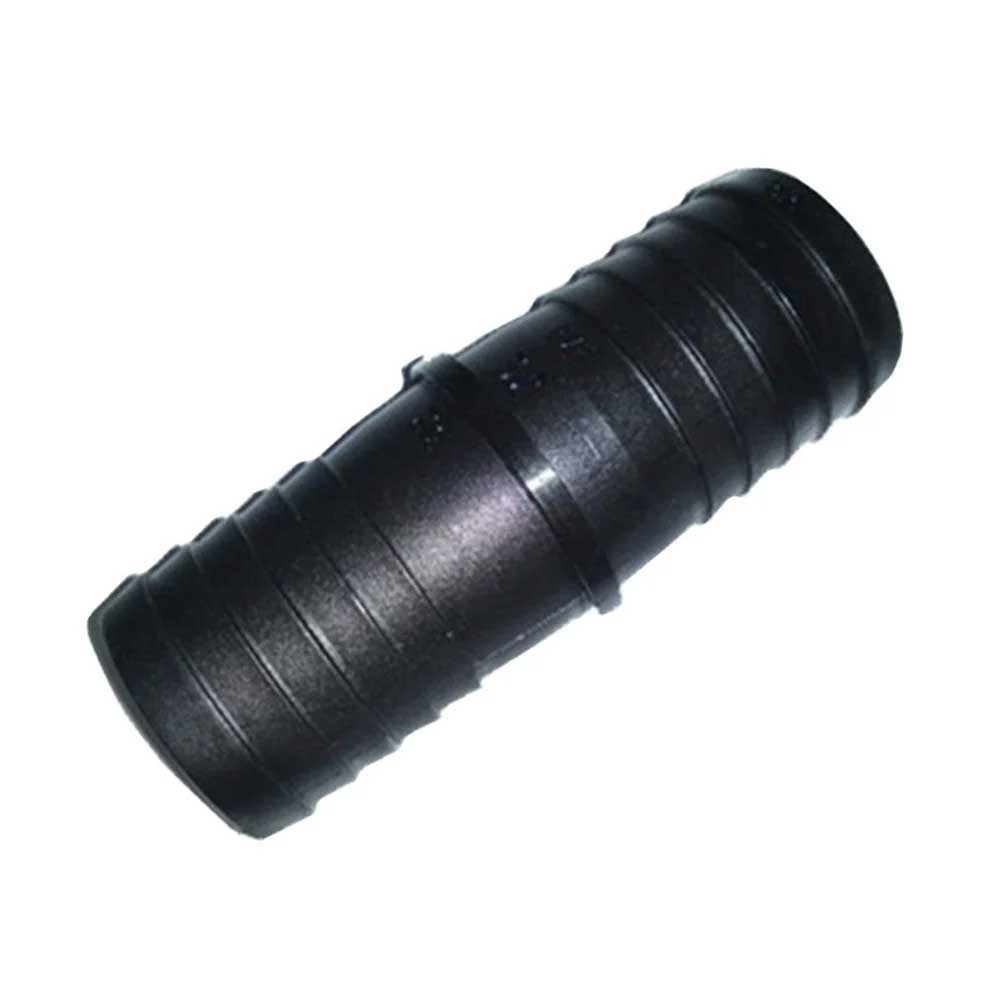
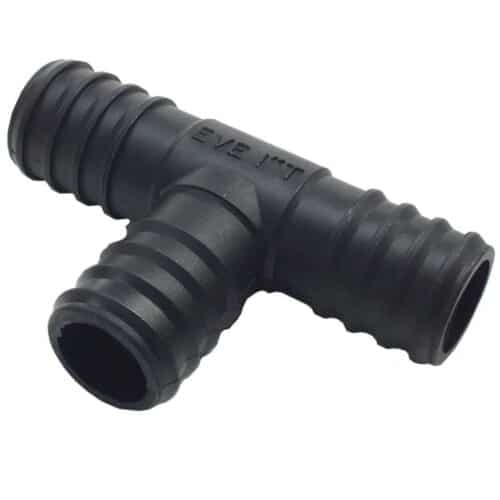
Keep a record of both bore sizes when arranging future spares. A straight equal-size joiner and a reducing mender can look similar in a small photograph, so the two sizes are the useful ordering detail. No unverified material, pressure rating or chemical-resistance claim is assigned to these options.
Related hose and fittings
For an equal-size connection, compare our straight barbed hose joiners. Our barbed hose reducers offer other size combinations for suitable installations. Check the stated ends of the selected fitting, rather than assuming every reducer in a range is interchangeable.
Our stainless steel hose clips and flexible pond hose help with planning the rest of a compatible route. Select the hose and retaining arrangement around the actual equipment requirements and keep the completed connection accessible for maintenance.





Reviews
There are no reviews yet.