






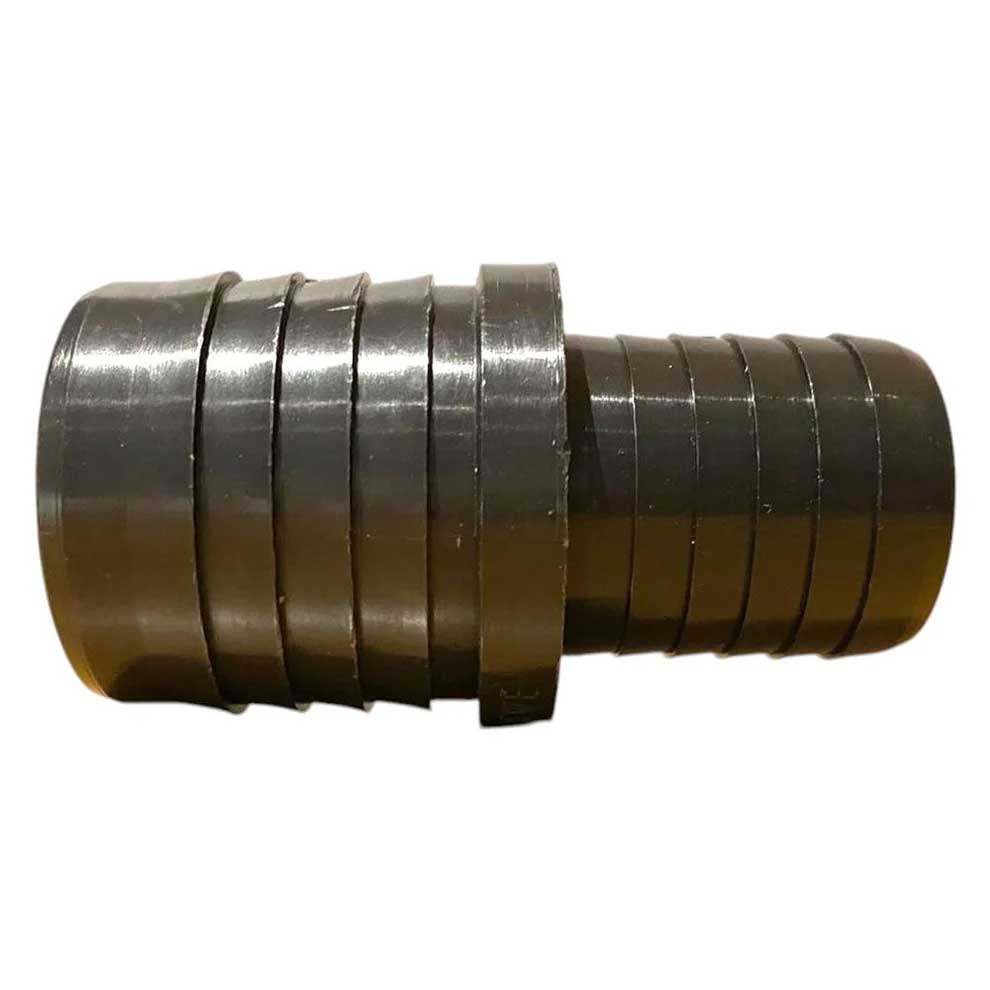
Kockney Koi Barbed Hose Reducers
| Size | 19mm – 12mm (¾inch – ½inch), 25mm – 19mm (1inch – ¾inch), 32mm – 25mm (1¼inch – 1inch), 38mm – 32mm (1½inch – 1¼inch), 50mm – 38mm (2inch – 1½inch) |
|---|---|
| Brand |
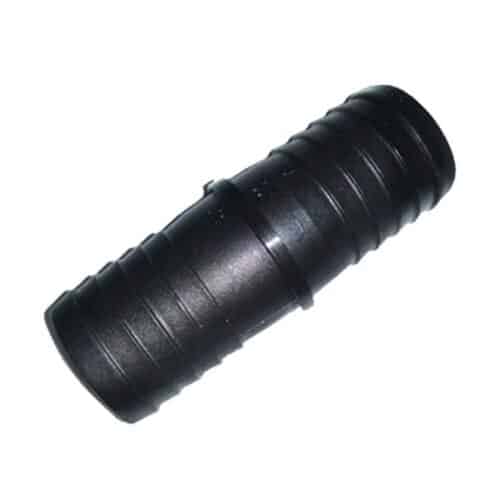
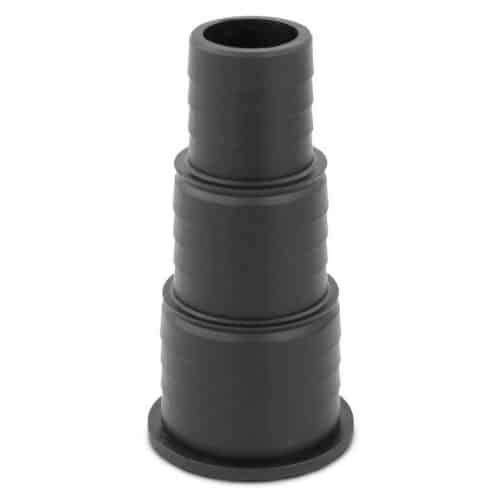
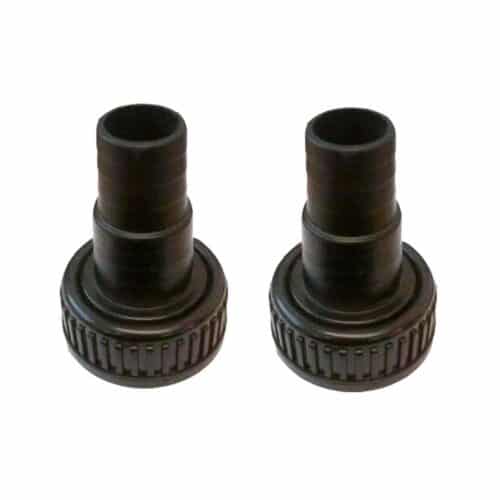
Kockney Koi Barbed Hose Reducers connect two different diameters of flexible pond pipe. Available in sizes from 19mm–12mm to 50mm–38mm and designed to be secured using two suitable hose or pipe clips.
Price range: £1.59 through £6.29 (inc VAT)
Kockney Koi Barbed Hose Reducers
Flexible Pond-Hose Adaptors for Connecting Two Different Pipe Diameters
The Kockney Koi Barbed Hose Reducers are practical pond-pipe fittings designed to connect two sections of flexible hose with different internal diameters. They provide a simple transition between larger and smaller pond hose, making them useful when pumps, filters, UVC clarifiers, waterfalls, fountains, water features, or existing pipework do not all use the same connection size.
Flexible pond systems often contain equipment with different inlet and outlet measurements. A pond pump may have a larger outlet than the hose connection on a filter, or an established pipe run may need to be connected to a smaller water-feature line. Instead of replacing the complete hose system or using several separate adaptors, a barbed reducer creates the size transition within one compact fitting.
Each reducer has two differently sized barbed ends. The larger flexible hose is pushed over the larger connection, while the smaller hose is fitted over the opposite end. This creates a continuous route through which water can travel while changing from one hose diameter to another.
The raised barbed profile on each end provides a defined gripping surface inside the flexible hose. Once the hoses are fully positioned, each connection should be secured with a correctly sized hose or pipe clip. Two clips are required—one for the larger hose and another for the smaller hose—to help keep both sections firmly attached during operation.
These fittings are especially helpful when upgrading or modifying an existing pond installation. If a new pump, filter, UVC unit, waterfall, or other component uses a different hose size from the existing pipework, the appropriate reducer may allow the new equipment to be integrated without replacing every section of hose.
A reducer can also be useful when extending a system using hose that is already available. For example, a large main circulation line may need to connect to a smaller branch serving a fountain, decorative feature, or separate pond return. The reducer provides a straightforward transition between those two diameters.
The fitting may be installed in either a visible filter-house arrangement or a carefully planned outdoor pipe route. Its compact form can help keep the installation more organised than an arrangement made from multiple unrelated connectors.
Available combinations include 19mm to 12mm, 25mm to 19mm, 32mm to 25mm, 38mm to 32mm, and 50mm to 38mm. These sizes cover many commonly used flexible pond-hose diameters and allow users to select a reducer that matches both sections of pipe.
Correct sizing is essential. The larger side of the fitting must match the internal diameter of the larger hose, while the smaller side must match the smaller hose. A fitting that is too small may create a loose connection, while an oversized fitting may stretch, split, or damage the pipe.
The hose ends should be cut cleanly and squarely before installation. Cracked, crushed, brittle, or badly distorted sections should be removed so that only sound hose is pushed over the connector. A clean cut allows the pipe to sit more evenly along the barbed surface.
If the flexible hose is stiff, its end may be softened carefully in warm water before being pushed onto the fitting. Excessive heat, open flames, boiling water, or high-temperature tools should not be used, as these may permanently weaken or deform the hose.
Once both hoses are fully seated, the clips should be positioned over the barbed connection areas and tightened gradually. Each clip should secure the hose firmly without cutting into it, crushing the pipe wall, or distorting the fitting.
Because the water route changes to a smaller internal diameter, the reducer becomes one of the narrower points in the complete pipework system. The final water flow will depend on the smaller hose size, pump performance, pipe length, lift height, bends, valves, filters, and other connected equipment.
The reducer itself does not increase pump output or water pressure. It simply allows two different hose sizes to be joined. Where maximum water flow is important, unnecessary reductions should be avoided and the complete pipework system should be planned around the equipment manufacturer’s recommended connection size.
The fitting can also help with repairs or equipment relocation. If a damaged hose section is replaced with a different available diameter, an appropriate reducer may allow it to connect to the remaining pipework. Similarly, if pond equipment is moved and a different hose size becomes more practical, the reducer can provide the required transition.
Long or water-filled hoses should be supported so that their full weight does not pull against the fitting. Supporting both sides reduces strain on the reducer and on the connected pump, filter, UVC unit, or water-feature connection.
For future maintenance, the reducer should ideally remain accessible. An accessible fitting is easier to inspect, retighten, clean, or replace than one permanently concealed beneath soil, concrete, decking, or landscaping.
Whether used to connect a pump to smaller pipework, adapt a filter connection, feed a water feature, or modify an existing pond system, the Kockney Koi Barbed Hose Reducers offer a simple and versatile solution for joining two different flexible-hose diameters.
Features
- Connects two different diameters of flexible pond hose
- Different-sized barbed connection at each end
- Provides a compact transition between larger and smaller pipework
- Suitable for pond-system installations, repairs, and modifications
- Useful when connected equipment uses different hose sizes
- Simple push-on fitting method
- Designed to be secured using two suitable hose or pipe clips
- Available in five common reducing-size combinations
- Suitable for pumps, filters, UVC units, waterfalls, and water features
- Helps reduce the need for several separate adaptors
- Suitable for garden ponds and koi pond systems
- Kockney Koi flexible pipework fitting
Available Sizes
The reducers are available in the following combinations:
- ¾″ to ½″ / 19mm to 12mm
- 1″ to ¾″ / 25mm to 19mm
- 1¼″ to 1″ / 32mm to 25mm
- 1½″ to 1¼″ / 38mm to 32mm
- 2″ to 1½″ / 50mm to 38mm
Both hose measurements should be checked before selecting a fitting.
When to Use
Use a Kockney Koi Barbed Hose Reducer when:
- Two flexible pond hoses have different internal diameters
- A pump outlet needs to connect to smaller pipework
- A filter inlet or outlet uses a different hose size
- A UVC clarifier must be integrated into existing flexible hose
- A large circulation line needs to feed a smaller water feature
- Existing pipework is being modified or upgraded
- Replacement equipment has different connection measurements
- A waterfall or fountain uses smaller hose than the pump line
- A damaged pipe section is being replaced with another diameter
- Pond equipment has been repositioned
- A compact hose-size transition is preferred
- Multiple separate adaptors would otherwise be required
Suitable Applications
The fittings may be used in compatible flexible-hose systems involving:
- Pond pumps
- Pond filters
- UVC clarifiers
- Waterfalls
- Fountains
- Streams and cascades
- Pond-return lines
- Filter-house plumbing
- Garden water features
- Koi pond circulation systems
- Equipment replacement projects
- General aquatic water-transfer installations
Compatibility depends on selecting the correct fitting size for both hoses and connected equipment.
How It Works
One end of the reducer has a larger barbed connection and the other end has a smaller barbed connection.
The larger flexible hose is pushed over the larger side of the fitting. The smaller hose is pushed over the opposite connection.
A suitable hose or pipe clip is placed around each hose where it covers the barbed fitting. Tightening the two clips helps hold the hoses securely against the connector.
Water then enters through one hose, passes through the reducer, and continues through the hose on the other side.
The fitting can normally be used within a water route regardless of which side the water enters, provided that the complete installation is suitable and both connections are secure.
Installation Instructions
- Switch off and electrically isolate the pond pump.
- Stop water movement through the pipework.
- Identify the internal diameter of both flexible hoses.
- Select the reducer that matches both measurements.
- Plan where the hose-size transition will be positioned.
- Cut both hose ends cleanly and squarely.
- Remove any cracked, crushed, or weakened sections.
- Make sure the fitting and hoses are clean.
- Slide the larger hose clip onto the larger hose.
- Slide the smaller clip onto the smaller hose.
- Push the larger hose fully over the larger barbed end.
- Push the smaller hose fully over the smaller end.
- Position each clip over its connection area.
- Tighten both clips gradually and evenly.
- Avoid overtightening or damaging the hoses.
- Support the pipework on both sides of the fitting.
- Restore water flow through the system.
- Inspect both connections for leakage or movement.
- Recheck the clips after the system has been operating.
Installation Tips
Measure Internal Hose Diameter
Flexible pond hose is generally identified by its internal diameter. Do not select the fitting using only the hose’s external measurement.
Check Both Ends
A reducer has two different measurements. Confirm that the larger and smaller sides match the corresponding hoses before installation.
Use Two Correctly Sized Clips
The larger and smaller hoses may require different clip sizes. Use one suitable clip for each connection.
Cut the Hose Squarely
A straight cut helps the hose sit evenly around the barbed fitting and provides a better area for the clip.
Warm Stiff Hose Carefully
Warm water may make a stiff hose end easier to fit. Avoid boiling water, flames, and excessive heat.
Avoid Immediate Tight Bends
Allow both hoses to leave the fitting without being forced into a sharp curve. Tight bends can restrict the water route and place sideways pressure on the connection.
Support Long Hose Runs
Do not allow long, water-filled hoses to hang entirely from the reducer or equipment outlet.
Keep the Fitting Accessible
Position the connection where it can be inspected and maintained whenever practical.
Understanding Hose Reduction and Water Flow
Reducing from a larger hose to a smaller hose creates a narrower section within the water route.
The delivered flow may be influenced by:
- The smaller hose diameter
- The length of the smaller pipe
- The distance between the pump and equipment
- Vertical lift or head height
- The number of bends and fittings
- Valves and flow controls
- Filters and UVC units
- Dirt or restrictions within the hose
- The pump’s operating performance
Using a reducer does not automatically increase useful pressure or compensate for an undersized pump. The pipework should be selected according to the requirements of the complete system.
Choosing the Correct Reducer
19mm to 12mm
Connects compatible ¾″/19mm hose to ½″/12mm hose.
25mm to 19mm
Connects compatible 1″/25mm hose to ¾″/19mm hose.
32mm to 25mm
Connects compatible 1¼″/32mm hose to 1″/25mm hose.
38mm to 32mm
Connects compatible 1½″/38mm hose to 1¼″/32mm hose.
50mm to 38mm
Connects compatible 2″/50mm hose to 1½″/38mm hose.
Select the fitting according to the actual internal measurements of the two hoses.
Product Specifications
Brand: Kockney Koi
Product Name: Kockney Koi Barbed Hose Reducers
Product Type: Flexible-hose reducing connector
Connection Style: Different-sized barbed connection at each end
Available Sizes: 19–12mm, 25–19mm, 32–25mm, 38–32mm, and 50–38mm
Equivalent Imperial Sizes: ¾″–½″, 1″–¾″, 1¼″–1″, 1½″–1¼″, and 2″–1½″
Primary Function: Connecting two different flexible-hose diameters
Installation Method: Push each hose onto the matching end and secure using two clips
Suitable Uses: Pond pipework installation, reduction, repair, replacement, and modification
Displayed Variant Code: HR19-12
Ideal For
- Garden pond plumbing
- Koi pond filtration systems
- Pond-pump connections
- Filter and UVC installations
- Waterfall pipework
- Fountain and water-feature systems
- Flexible pond-hose modifications
- Equipment upgrades
- Filter-house installations
- Hose-diameter transitions
- Professional pond installers
- Routine pond-system repairs
Related Hose Joiner Options
Barbed reducers are useful when adapting between flexible hose sizes, but avoid reducing hose size unnecessarily on high-flow pump and filter systems.
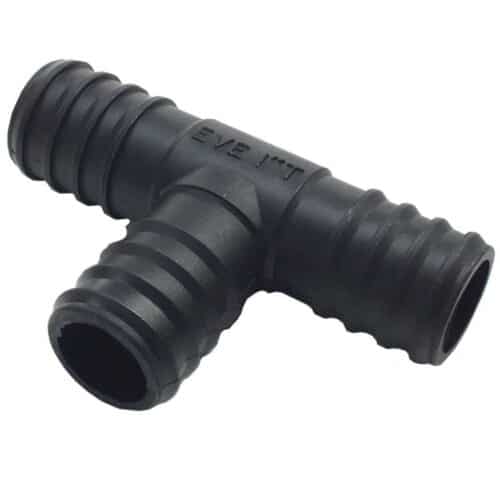
- For straight joins, see Kockney Koi Straight Barbed Hose Joiners.
- For angled joins, see Kockney Koi Elbow Barbed Hose Joiners.
- For branch connections, see Kockney Koi T-Piece Barbed Hose Joiners.
- Secure joins with stainless steel hose clips.



Reviews
There are no reviews yet.