






Pink Astilbe Pond Plant
| Size | 1 Ltr, 1 Ltr – Pack of 3 |
|---|---|
| Plant Type | Marginal |
| Sun / Shade | Part Shade |
| Growth Rate | Medium |
| Native to UK | No |
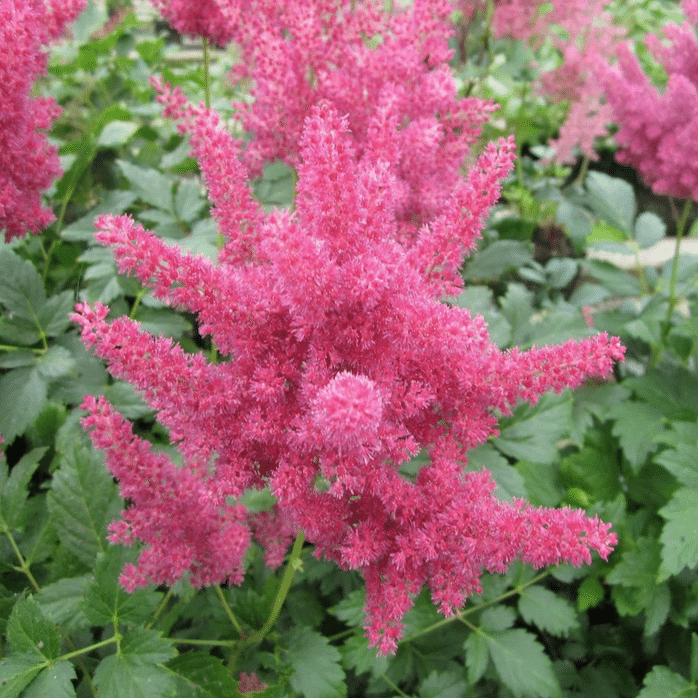
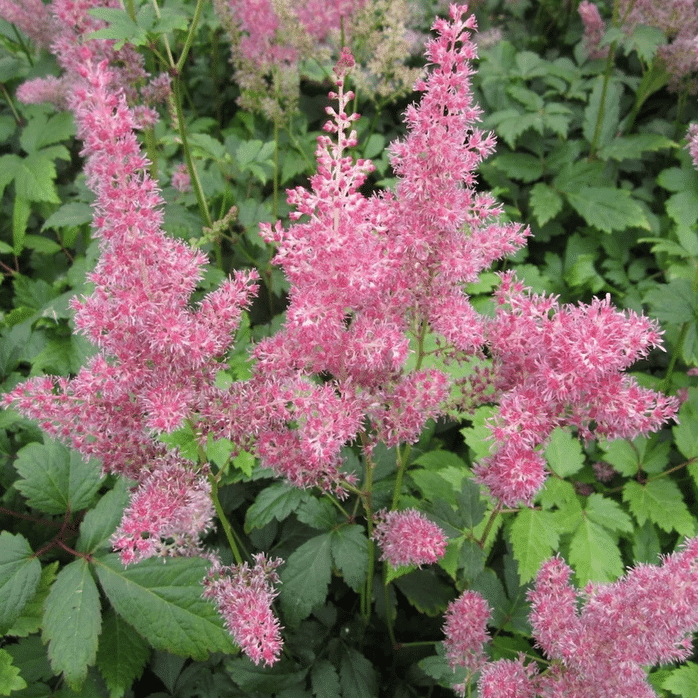
False Goat’s Beard, also known as Pink Astilbe, is a moisture loving perennial with soft pink flower plumes and fern like green foliage. Ideal for damp pond edges, bog gardens and shaded wildlife borders, it adds summer colour while providing leafy cover for frogs, newts and insects.
Price range: £14.00 through £34.00 (inc VAT)
False Goat’s Beard | Pink Astilbe
A moisture loving garden plant with soft pink feathery plumes and fern like foliage, ideal for damp pond edges, bog gardens and wildlife friendly borders.
Soft pink plumes for damp pondside planting and wildlife gardens
False Goat’s Beard, commonly known as Pink Astilbe, is a beautiful moisture loving perennial that brings soft colour, fine texture and elegant summer flowers to damp areas around the pond. It is grown for its feathery pink flower plumes, which rise above lush green foliage and create a graceful, natural look in pondside borders, bog gardens and wildlife friendly planting schemes.
This is not an aquatic pond plant and should not be planted directly into the pond. Instead, Pink Astilbe is perfect for the damp ground around the pond edge, where the soil stays consistently moist but is not permanently waterlogged. It is ideal for natural or man made boggy areas, shaded borders, streamside planting, wildlife gardens and damp planting pockets near container ponds.
The fern like foliage is one of the main reasons Astilbe is so popular for pondside planting. The leaves create soft cover at ground level, helping to make the planting around the pond feel more established and sheltered. Frogs, newts, insects and other small wildlife often benefit from this kind of cool, leafy cover as they move between water and garden planting.
From June to August, Pink Astilbe produces upright plumes of soft pink flowers. These delicate flower heads add height and colour without looking harsh or overly formal. They work beautifully alongside ferns, Heucheras, Hellebores, Hostas, Iris, Primulas and other moisture loving plants. The pink flowers also provide a lovely contrast against the green foliage and darker shaded areas around ponds.
Pink Astilbe grows to around 60 cm to 80 cm tall, with a spread of up to approximately 45 cm. It has a clump forming habit and will gradually build into a fuller plant over time. The growth rate is medium, making it easy to manage while still giving a good seasonal display once established.
For best results, plant in partial shade or dappled sunlight. Astilbe can tolerate more sun in cooler conditions, but only if the soil remains reliably damp. If the soil dries out, the leaves may scorch or the plant may struggle. A mulch of compost, leaf mould or bark around the base will help retain moisture and improve soil structure.
This is an excellent choice for adding colour and structure to pondside planting without placing plants in the water. It is extremely hardy, low maintenance and well suited to UK gardens where damp soil and partial shade are available.
Key benefits
• Soft pink feathery flower plumes
• Attractive fern like green foliage
• Ideal for damp pond edges and bog gardens
• Excellent for wildlife friendly planting
• Provides leafy cover for frogs, newts and insects
• Flowers from June to August
• Suitable for partial shade and dappled sunlight
• Works well with ferns, Heucheras, Hostas and Primulas
• Clump forming habit with upright flower stems
• Extremely hardy in UK gardens
• Supports pollinators
• Supplied in a solid 9 cm pot
Reasons to buy Pink Astilbe
Pink Astilbe is a brilliant choice if you want to add soft colour around a pond without using a plant that needs to sit in the water. It brings summer flowers, attractive foliage and a natural woodland style look to damp pondside areas.
It is especially useful for shaded or partly shaded pond edges where many sun loving plants may struggle. As long as the soil remains moist, Astilbe will reward you with elegant pink plumes and fresh green foliage.
This plant is also ideal for wildlife gardens. The low leafy growth creates cool shelter around the pond edge, while the flowers can attract pollinating insects during summer.
For the best display, plant in groups or repeat through a damp border. Several plants together will create a fuller and more natural effect than a single plant on its own.
Moisture loving plant guidance
Moisture loving plants are different from marginal pond plants.
Marginal plants are usually planted into aquatic baskets and placed on pond shelves, with their roots sitting in shallow water. Moisture loving plants, such as Pink Astilbe, are planted outside the pond in damp soil, boggy ground or moisture retentive garden borders.
They like their roots to remain consistently damp, but they should not be placed directly into the pond or left sitting in stagnant water. Do not allow the planting area to dry out, especially during warm weather.
Pink Astilbe is supplied in a solid 9 cm pot. Remove the plant from the pot before planting directly into prepared damp soil.
For a full look in a bog garden or damp border, we recommend approximately 8 x 9 cm plants per square metre.
Care instructions
Plant Pink Astilbe in moist, humus rich, well drained soil. The soil should stay damp but should not be permanently waterlogged.
Choose a position in partial shade or dappled sunlight. Full sun may be tolerated if the soil remains consistently moist, but avoid hot, dry and exposed positions.
Before planting, improve the soil with compost, leaf mould or well rotted organic matter. This helps retain moisture and gives the plant the fertile conditions it prefers.
Water thoroughly after planting and keep the soil consistently damp while the plant establishes. During dry periods, regular watering is important, particularly in the first growing season.
Space plants approximately 30 cm to 60 cm apart, depending on how quickly you want the area to fill and how much airflow is needed between plants.
Mulch around the base in spring with compost, bark or leaf mould to help hold moisture in the soil and suppress weeds. Keep mulch slightly away from the crown of the plant.
Deadhead spent flowers if you want to keep the plant tidy. In late autumn, cut back old foliage to ground level once it has died back naturally.
Astilbe is generally resilient, but young shoots may occasionally be targeted by slugs and snails. Good airflow can help reduce the risk of powdery mildew. Avoid planting in stagnant, poorly drained ground where root problems may occur.
Flowering period
Pink Astilbe usually flowers from June to August.
The flowers are soft pink, feathery and plume like, held above the foliage on upright stems. The display can vary depending on weather, soil moisture, shade levels and plant maturity.
Plants are not always supplied in flower. Early season plants may arrive as leafy young plants, while later season plants may have already flowered.
Size, spread and growing conditions
Botanical name: Astilbe
Common name: False Goat’s Beard, Pink Astilbe
Plant type: Moisture loving perennial
Plant height: Approximately 60 cm to 80 cm
Potential spread: Up to approximately 45 cm
Growth rate: Medium
Flower colour: Soft pink
Flowering period: June to August
Position: Partial shade or dappled sunlight preferred
Soil: Moist, humus rich, well drained soil
Soil moisture: Damp soil, boggy soil and moisture retentive borders
Planting depth: Plant into damp ground only, not into the pond
Foliage: Fern like, lush green leaves
Habit: Clump forming with upright flower plumes
Hardiness: Extremely hardy, suitable for very cold UK winters
Best suited for: Damp pond edges, bog gardens, shaded borders, wildlife gardens, streamside planting and moisture loving planting schemes
Wildlife value: Flowers support pollinators and foliage provides cover around pondside planting
Your plant on arrival
Your Pink Astilbe will arrive in a solid 9 cm pot, pre planted in soil.
Remove the plant from the pot before planting into the ground. Choose a damp area close to your pond, a bog garden, a moist border or a shaded wildlife planting area.
Plant size and appearance will vary depending on the time of year. Early season plants may arrive with fresh foliage and no flowers. Plants sent during the flowering season may be taller and more developed. Later in the season, flowering may have finished and the plant may begin to die back naturally.
This is normal for a hardy perennial. When planted in the right conditions, it should return with fresh growth the following spring.
Dispatching your plants
Moisture loving plants are carefully selected, watered and packed before dispatch. As living plants, the amount of visible growth, foliage size and flowering stage will naturally vary throughout the year.
Plants are not always supplied in flower. Flowering depends on the season, plant maturity and nursery conditions at the time of packing.
Unpack your plant promptly when it arrives and check that the compost is moist. If you cannot plant straight away, keep it in a cool, sheltered position and water as needed.
Do not allow the pot or rootball to dry out. Plant as soon as practical into damp soil, a bog garden, a pondside border or another moisture retentive planting area.





Reviews
There are no reviews yet.