





Cowslip (Primula veris)
| Size | 9cm – Pack of 3 |
|---|---|
| Plant Type | Marginal |
| Sun / Shade | Full Sun to Part Shade |
| Flower Colour | Yellow |
| Growth Rate | Medium |
| Native to UK | Yes |
| Plant group |
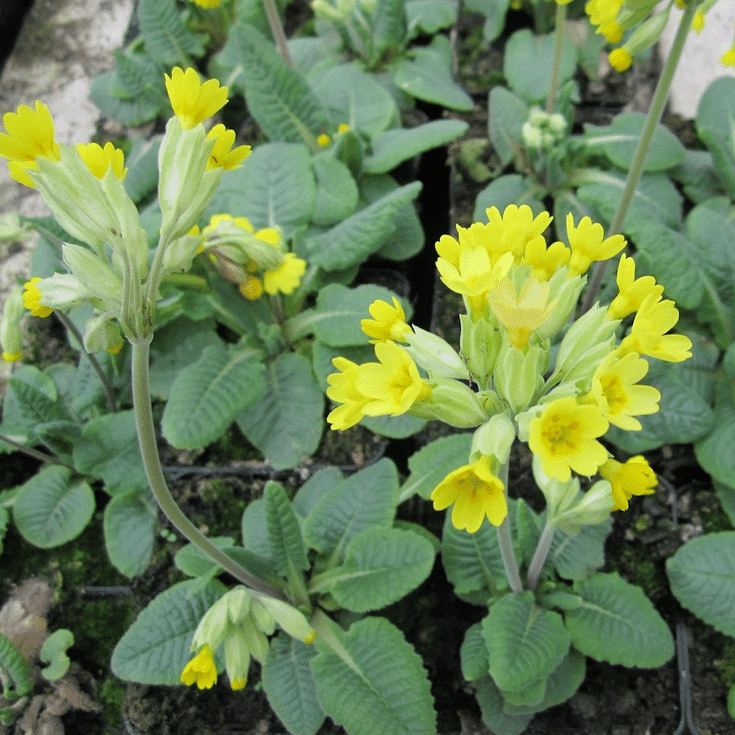
Cowslip has upright stems carrying clusters of nodding, bell-shaped yellow flowers above a low rosette of leaves. The flowers have a scent and a recognisable open-meadow character. It can add spring interest to the planting around a pond without needing an aquatic shelf.
£22.50 (inc VAT)
Cowslip (Primula veris)
Nodding yellow spring flowers for a garden bank
Cowslip has upright stems carrying clusters of nodding, bell-shaped yellow flowers above a low rosette of leaves. The flowers have a scent and a recognisable open-meadow character. It can add spring interest to the planting around a pond without needing an aquatic shelf.
This is Primula veris, a native species of Britain and Ireland. It differs from the moisture-loving candelabra primulas and should not receive the same bog-plant instructions simply because it shares the genus. Its more suitable place is a bank or border with drainage, rather than permanently flooded ground.
Cowslip needs moist but well-drained garden soil in sun or partial shade. It is not a primula for permanent submersion or a waterlogged pond shelf. A suitable border beside the pond can work well, provided the ground has the drainage the plant needs rather than being chosen only because it looks damp.
Plant this in the surrounding garden soil or a suitable container with the right drainage. It is not a deep-water aquatic to lower onto the pond floor. Prepare enough soil around the rootball for new roots to move out, settle the plant gently and water after planting rather than packing wet material over its centre.
Cowslip's flowering stems commonly reach around 25 cm above a much smaller leaf rosette. The individual rosette may be only about 10 cm across, but leave space for the plant to establish and neighbouring clumps to develop. Its modest size suits a different position from a tall, spreading pondside perennial.
Cowslip is semi-evergreen, so the amount of winter foliage and timing of its spring flowers depend on the site and weather. Look after the low rosette without treating it as a flooded marginal. Keep drainage suitable and remove damaged leaves selectively rather than covering the crown with wet debris.
A mixed pondside border works best when its plants suit the same ground conditions. Match neighbours by moisture, light and eventual size, and keep open access to pond equipment. More flowers or fuller foliage should come from sound planting and care rather than repeated feeding of a struggling plant in the wrong place.
UK-grown plant. Grown at a dedicated aquatic plant nursery in the South of England.
What you receive
We supply Cowslip in the option you select: 9 cm – pack of 3. Check the selector for current availability and the pack quantity you are ordering. The pot size describes the container supplied, while the mature dimensions below describe the plant once established.
Unpack promptly, check the rootball is moist and keep it in a sheltered place if planting is delayed. Water the root area when needed rather than leaving a small nursery pot to dry beside the pond. Visible leaves and flower stems vary with the season, so the delivered plant may look less full than its growing-season photograph.
Is Cowslip right for your garden?
Cowslip gives nodding yellow spring bells above a low rosette and suits an open naturalistic edge. It needs moist but well-drained soil, not the permanently saturated conditions of every bog plant. Choose it for a sunny or partly shaded border where its flowers can be seen rather than hidden behind tall foliage.
Planting in the pondside border
Plant in suitable garden soil at the original rootball level, keeping the rosette centre above a heavy mulch. Check drainage as well as moisture: a pond edge can be damp without being flooded. Water a new plant in, then avoid leaving its crown in standing water.
Prepare enough surrounding soil for the roots to establish rather than slipping the nursery rootball into a tight, dry hole. Remove the container carefully, set the existing soil line level with the surrounding ground and firm gently around the roots. Water it in so the rootball and the prepared soil are both moist, keeping the plant’s central crown or rosette clear.
Check moisture beyond the first watering, especially where roots compete with trees or other vigorous plants. A suitable organic mulch around the root zone can help retain moisture, but it should not smother the growing point. In a container, use an appropriate medium and drainage and check watering more often; nearby pond water does not automatically supply its roots.
Practical care through the growing season
- Water during establishment: Inspect the rootball and surrounding soil in dry weather and water when needed so the new roots can grow beyond the delivery pot. Keep the moisture and drainage balance described for this plant; neither a dry rootball nor unsuitable standing water is corrected by extra feed.
- Soil and feeding: Maintain a suitable root area with appropriate organic matter and mulch where needed, keeping the crown clear. Follow the directions on any garden fertiliser you use. This is a soil-grown perennial, so aquatic feeding tablets are not a substitute for preparing and watering its border soil.
- Flowers, foliage and older growth: Decide whether you want seedlings. Leave some spent heads for seed to ripen if naturalising is part of the plan, or remove them after flowering to limit spread. Keep healthy leaves and check the surrounding ground before weeding out small new rosettes.
- Routine tidying: Remove damaged or exhausted material carefully without pulling through the crown or stripping healthy new leaves. Keep encroaching neighbours and weeds from hiding the plant, and leave safe access for watering and inspecting the root area.
Seasonal appearance and winter care
The main flower display is in spring and the plant’s size changes with the season. Do not expect the photograph’s full flowering stems on arrival or through winter. Mark and retain the living rosette while tidying faded stems and surrounding growth.
Review the planting position as the season changes. Keep its label or a discreet marker in place where top growth disappears, and judge the plant’s normal resting habit before deciding it has failed. New growth and flowers depend on the season, establishment and conditions rather than the delivery photograph.
Size and growing conditions
- Position
- Pondside garden soil or suitable container outside the pond
- Depth
- Plant at the existing soil line; do not submerge as an aquatic basket
- Reference point
- The existing rootball or crown level in the surrounding soil.
- Sun
- Sun or partial shade
- Height
- Flowering stems around 25 cm; 0.1–0.5 m band
- Spread
- A small individual rosette, up to about 10 cm across; allow room for neighbouring growth.
- Flowering
- Fragrant rich-yellow nodding spring flowers
- Winter care
- Semi-evergreen; retained foliage and spring flowering depend on season and position.
- Native status
- Native species in Britain and Ireland; supplied stock is not proof of local wild origin
- Soil moisture
- Moist but well-drained garden soil
- RHS information
- RHS plant profile: Primula veris
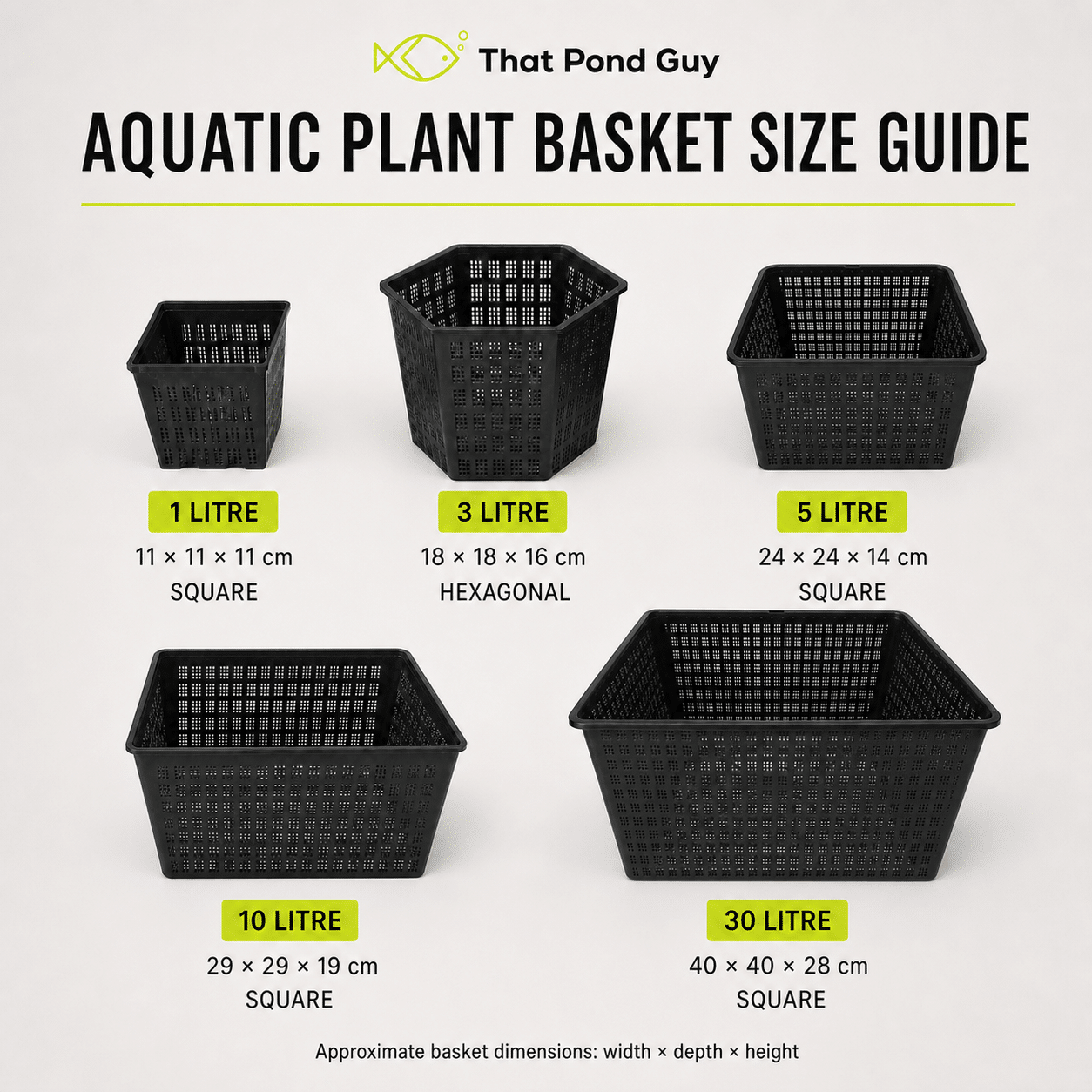
Delivery and basket information
We do not deliver live plants to Northern Ireland.
Please read our delivery information for delivery arrangements and contact us if you need to check the timing of a particular order.
Unpack promptly and check that the planting medium is moist. Keep the rootball moist if planting is delayed, and keep the plant in a sheltered position. Plant into suitable moist soil in the position described above.
Other pondside plants to compare
Primrose — For pale-yellow flowers on individual low stems rather than hanging clusters above the rosette.
Primula beesiana — For purple tiered flowers in deeper, reliably moist neutral-to-acid soil.





Reviews
There are no reviews yet.