






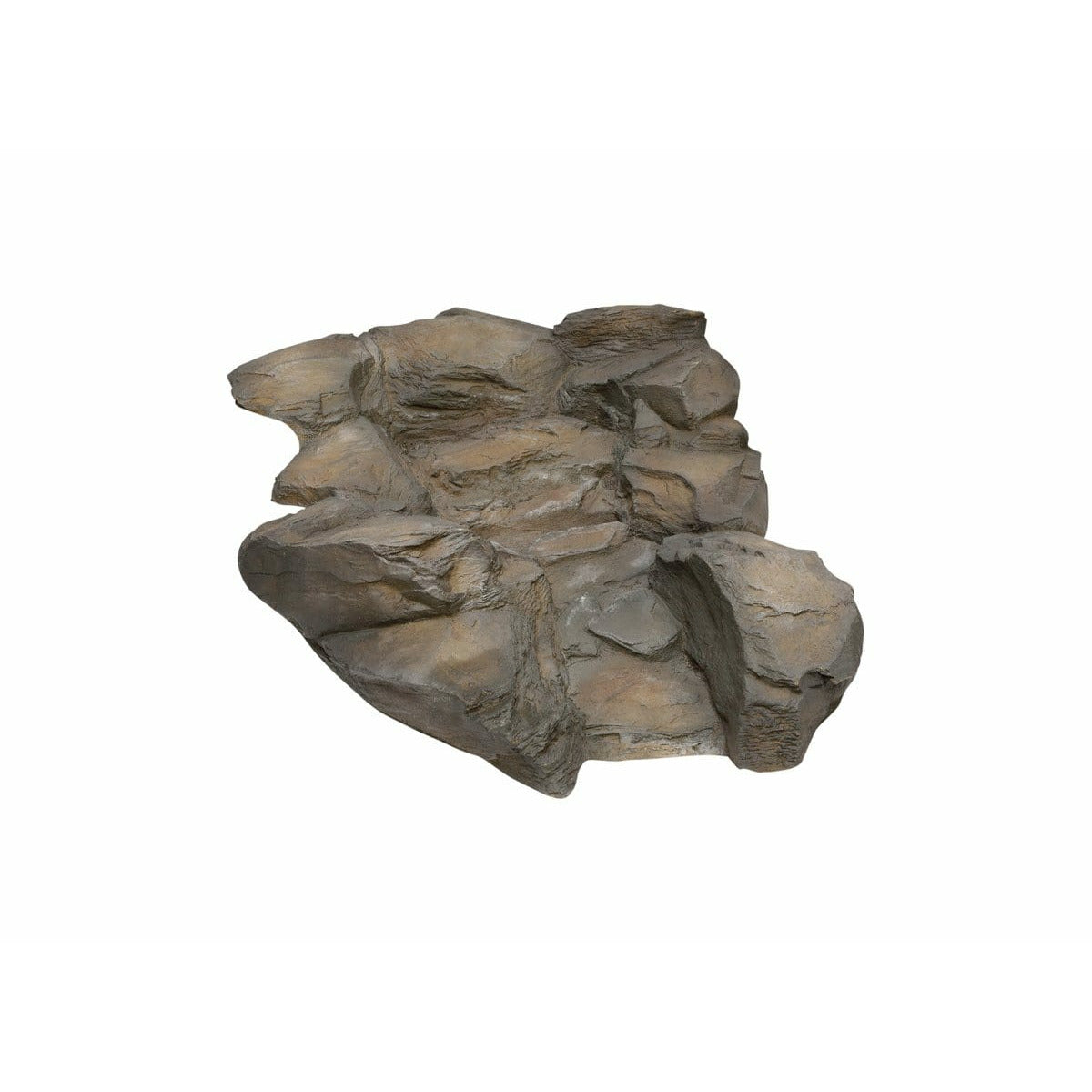
Oase Caucasus Grey Pond Watercourse – 33059
| Brand | |
|---|---|
| Finish | Grey |
| Product type | Preformed watercourse element |
| Dimensions | 1040 × 700 × 290mm |
| Material | Polyresin |
Oase Caucasus grey watercourse 33059: a 1040 × 700 × 290mm preformed cascade with hand-applied colouring. One source-capable element; plan the pump, hose, support and water return separately.
£160.60 (inc VAT)
Oase Caucasus grey: a preformed waterfall for a garden pond
The Oase Caucasus grey watercourse gives you a shaped cascade with a natural stone-style appearance. Its broad, stepped form provides a starting point for a waterfall on the pond bank, without having to construct every change in level from individual rocks. This listing is the grey element, item 33059, supplied as one piece. The pump, delivery hose, pond liner and surrounding landscaping are planned separately.
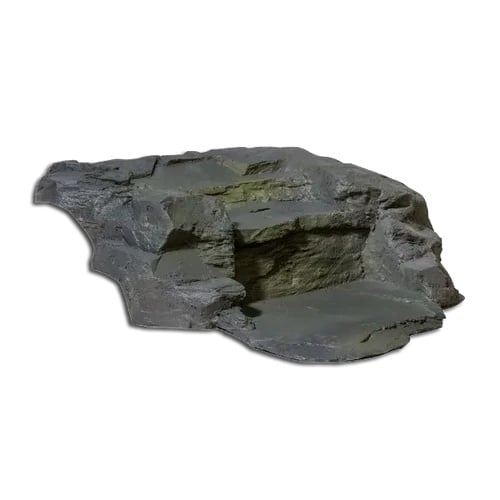
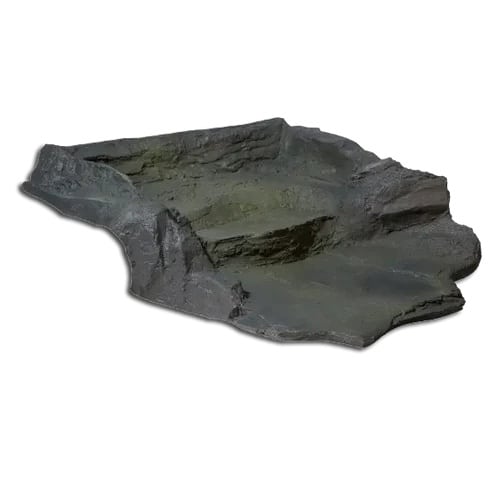
Choose the shape and footprint first, then work out how the water will reach it and return to the pond. A watercourse is part of a complete circulation arrangement, so the size of the bank, the height of the inlet and the receiving area all matter. The grey finish is a separate choice from the slate brown Caucasus model; check the item number as well as the product name.
Dimensions and construction
| Product | Oase Caucasus grey watercourse |
|---|---|
| Item number | 33059 |
| Length × width × height | 1040 × 700 × 290mm |
| Construction | Weather-resistant polyresin |
| Finish | Grey, with hand-applied colouring |
| Quantity | One watercourse element |
The element is approximately 1.04m long and 70cm wide. Its 29cm overall height describes the moulding, rather than the total lift that a pump must overcome. Before ordering, mark out this footprint on the proposed bank and check the access route into the garden. Allow space around the piece for the hose connection and for future cleaning.
Oase describes a polyresin construction with hand-applied colours. The stone-style finish can sit alongside planting and surrounding rocks, while individual hand-finished pieces may show some variation. Weather resistance does not remove the need to provide a stable support or to protect the separate pump and pipework in freezing conditions.
Using the element as the water source
The Caucasus manufacturer description identifies a source connection with a stopper and stepped hose connector. The stated connection size is 32mm. This lets the element receive water from the separately selected pump, rather than simply acting as a downstream spill piece. Check the supplied connector and the internal diameter of the intended hose before making the connection.
Keep the inlet accessible when shaping the bank. A hose connection buried beneath finished stonework is difficult to inspect later, and pulling the hose to reach a pump can place strain on the fitting. Plan a route that supports the hose, avoids sharp bends and leaves enough access for checking the joint.
Selecting a pump for the finished waterfall
The useful pump figure is the water delivered at the waterfall, after allowing for the lift and the resistance of the hose and fittings. The maximum flow printed on a pump is not a guarantee of the same flow at a raised inlet. Measure the lift from the pond water level to the point where water enters the feature, then use the candidate pump’s performance curve.
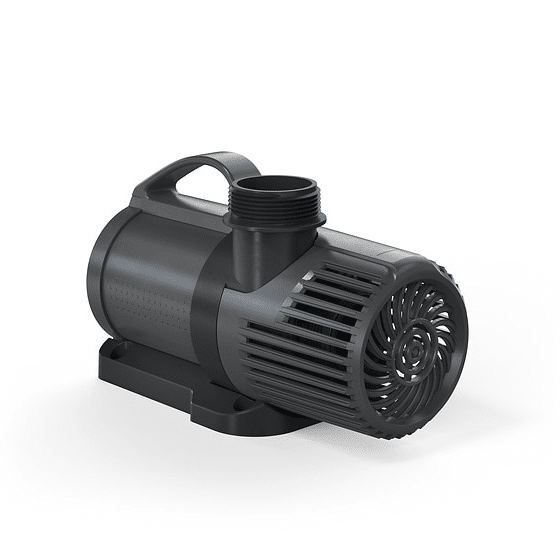
A flow-adjustable pump can help you set the appearance once the installation is running. The Pontec PondoMax Eco Control 5000 is one existing model to compare, using its own flow curve and installation requirements. It is a useful starting point for looking at adjustable circulation, rather than a universal pump specification for every Caucasus layout.
Avoid choosing solely from the physical size of the waterfall. A long hose route, a higher bank or extra fittings can change the delivered flow substantially. Consider the appearance you want, the return path and the actual installation together. A quieter trickle and a stronger cascade place different demands on the pump and on the receiving area.
Supporting the element and testing the return
Set out the dry arrangement before finishing the landscape. The support should keep the element stable across its footprint, with the spill edge positioned so that water returns to the lined pond or a suitably designed reservoir. Check the route from the lip to the receiving surface and leave access to inspect it.
Run the system before concealing the edges. Start with a gentle flow, then increase it gradually and check the water path at each setting. Look for splashing outside the receiving area, water tracking behind the element and any change in the hose joint. Adjust the support or return arrangement before placing the final edging.
Keep loose soil and mulch outside the circulating water path. When adding plants, allow for their eventual growth so that leaves and stems do not obstruct the spill edge or hide a connection that needs occasional attention. The aim is a natural-looking bank that remains straightforward to maintain.
Maintenance and seasonal use
Remove fallen leaves and accumulated debris before they interrupt the flow. Check the return area as well as the cascade: debris below the lip can redirect the water even when the element itself is clear. Follow the separate pump’s instructions before cleaning its intake or carrying out work around the system.
As temperatures fall, review the complete installation. A weather-resistant watercourse does not make every hose, pump or connection suitable for running in ice. Follow the requirements of the connected equipment and check that the intended water return remains clear whenever the feature operates.
Compare other waterfall shapes
If the Caucasus footprint is too broad for your bank, compare the Aber Falls Step and the Aber Falls Drop. These offer different shapes for planning a cascade. Compare each model’s own dimensions and inlet arrangement; similar-looking watercourses are not interchangeable pieces with guaranteed matching overlaps.
Order the grey 33059 element when this specific finish and shape suit the layout. Plan the pump, hose, support and lined receiving area as the rest of the system, then test the water path before the final landscaping.





Reviews
There are no reviews yet.