






Rockways FGRS35 One-Piece Pond Waterfall – Slate Brown
| Brand | |
|---|---|
| Product type | Preformed waterfall |
| Model | FGRS35 |
| Finish | Slate brown |
| Dimensions | 125 × 104 × 45 cm |
| Maximum flow | 4,000 litres per hour |
One-piece Rockways FGRS35 slate-brown cascade, 125 × 104 × 45 cm. Catalogue maximum flow 4,000 litres per hour. Feature only; choose the pump and water-containment arrangement separately.
£399.00 (inc VAT)
Rockways FGRS35 one-piece pond waterfall
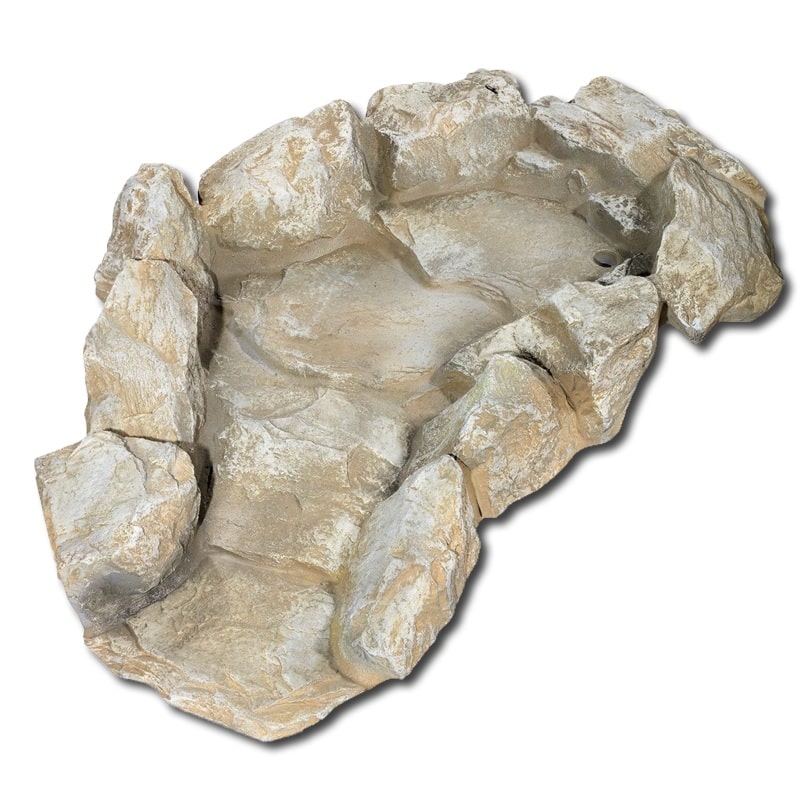
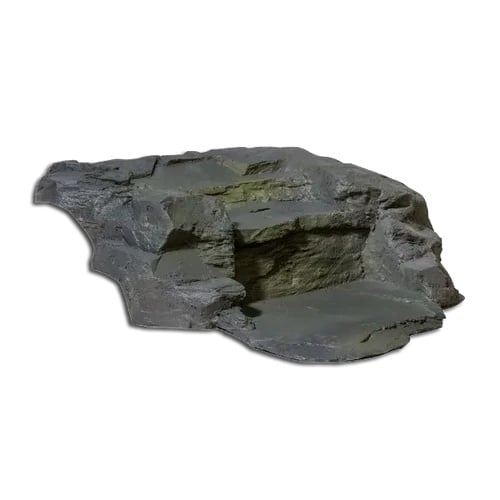
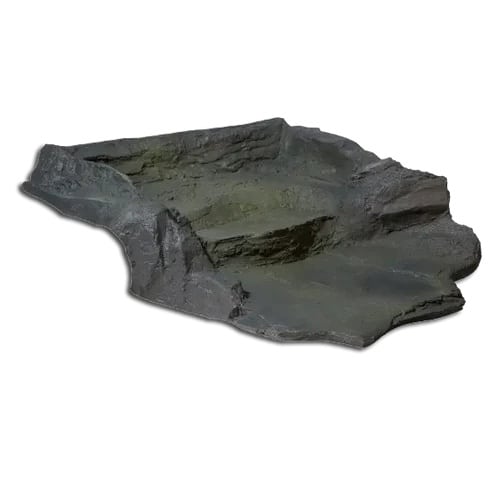
The Rockways FGRS35 forms a stepped, natural-looking cascade in a single moulded feature. Its slate-brown finish suits a planted pond edge or rockery where you want the water to be the focal point. The one-piece layout gives you a defined route for the falling water without having to align several separate waterfall sections.
This is the FGRS35, supplied under reference 51055. The catalogue dimensions are 125 cm long, 104 cm wide and 45 cm high. Those measurements describe the feature itself: allow additional space for support, edging and a safe water return when planning the installation. The pump, pond liner and collection pond are separate items.
Specifications and model identification
| Model | Rockways FGRS35 one-piece waterfall |
|---|---|
| Supplier reference | 51055 |
| Finish | Slate brown |
| Dimensions | 125 × 104 × 45 cm, length × width × height |
| Construction | Moulded resin |
| Catalogue maximum flow | 4,000 litres per hour |
The maximum-flow figure is a limit for this watercourse, not a statement of pond-filtering capacity or a guarantee that every 4,000-litre-per-hour pump will deliver the same result. The lift and pipework still need to be included in pump selection. Choose the flow that stays within the feature and gives the drop and sound you want.
Plan the water circuit before landscaping
A waterfall needs a pump to lift water from the pond or reservoir to its inlet, and a clear return route back to that same supply. The decorative moulding is one part of that circuit. Measure the vertical lift from the water surface to the inlet, along with the length and diameter of the proposed hose. These affect the flow reaching the feature, so a pump’s headline maximum flow is not the flow you will necessarily see at the top.
Use the pump’s performance chart at your actual head height and allow for resistance from the hose and fittings. A controllable pump or a suitable flow adjustment can help you find the appearance you prefer. Start gently during testing and increase the flow while checking the edges and landing area. More water is not always better: an excessive flow can splash outside the pond, waste water and make the feature louder than you intended.
Positioning, support and the return into the pond
First mark out the proposed footprint on the ground. Look at it from the seating area, house and normal approach to the pond, then check there is still room to reach the pump and connections for maintenance. Allow for the water’s landing point as well as the dimensions of the dry feature. The final drop should discharge inside the pond or collection area rather than onto the edging.
Set the feature on firm, stable support suitable for its shape and the weight it will carry in use. Do not balance it on isolated high spots or use the moulding as a structural support for heavy decorative rocks. Keep loose soil and planting material out of the water path. Arrange surrounding planting and stonework so that they disguise the edges without blocking inspection or pulling water out of the feature.
Run the complete system before making the landscaping permanent. Watch every edge, connection and splash zone, then switch the pump off and check where the water drains. That simple test is easier to carry out while the hose and base are accessible. An underlying liner or other suitable water-containment detail should return any escaped water to the pond, not direct it behind the edging.
Pondless installation and reservoir planning
A hidden reservoir can provide the water supply for a pondless design. Its usable volume must allow for the water held in the hose and feature while the pump is running, plus drain-back when it stops. Keep enough water above the pump’s intake during normal operation and leave access for cleaning and topping up. A reservoir cover or grid must be designed to support the actual landscaping load; the decorative waterfall is not a load-bearing cover.
Care through the seasons
Remove leaves and debris from the water path and pump intake before they restrict circulation. A change in the waterfall’s appearance can be a sign that the pump or hose needs cleaning, rather than a reason to turn the pump up. Check the water level regularly, especially during warm or windy weather when splashing and evaporation may increase losses.
Use a soft brush and water for routine cleaning, and avoid introducing household detergents into a pond. Follow the pump manufacturer’s winter instructions. If you stop the feature during freezing weather, drain any vulnerable hoses and fittings as required by their instructions. Keep essential fish filtration and aeration arrangements under separate consideration; a decorative waterfall is not a substitute for a properly planned pond life-support system.
Other waterfall layouts to compare
If you prefer a smaller feature or a different arrangement at the pond edge, compare the Rockways Aber Falls Step and Rockways Aber Falls Drop. Their shapes and footprints differ from the FGRS35. For a more winding water path, look at the Rockways Atlantis Curved Stream. Compare the actual dimensions and flow requirements rather than choosing by the photograph alone.
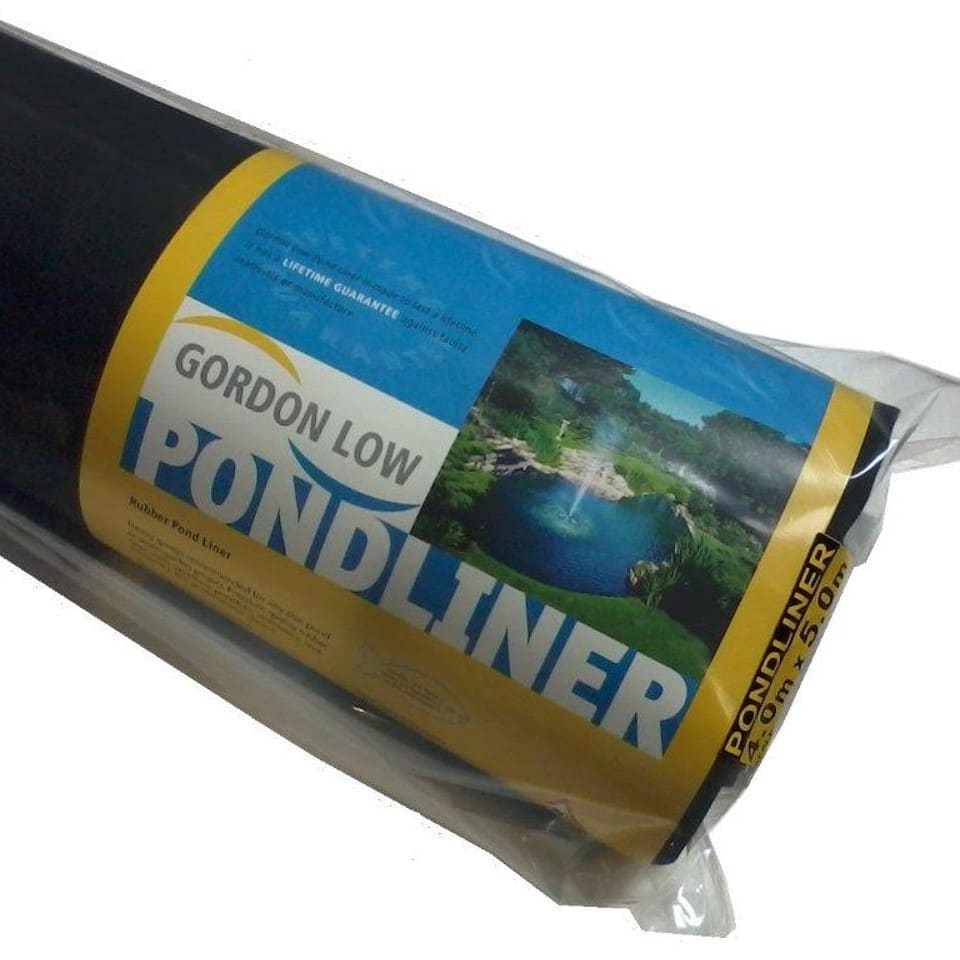
For a lined catchment pond, our Gordon Low EPDM pond liner offers a separate lining option. Measure the complete excavation, depth and edging allowance before selecting a sheet. A waterfall moulding does not replace the liner needed to retain water in the pond beneath it.





Reviews
There are no reviews yet.