





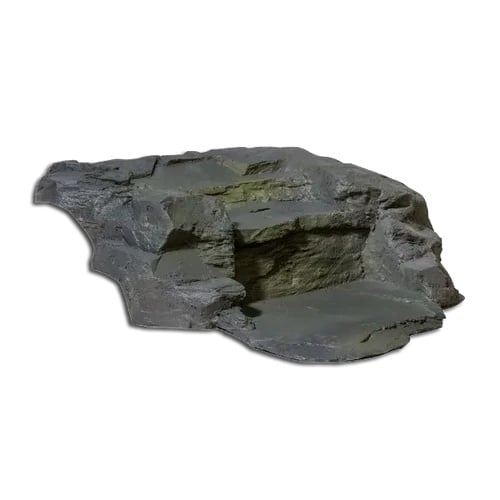
Rockways Aber Falls Drop Pond Waterfall
A sculpted slate effect drop for pond edges and garden cascades
The Rockways Aber Falls Drop adds a defined falling water feature to a garden pond or a separately equipped pondless installation. Its resin body is shaped to resemble a natural slate formation, with a textured surface and a pronounced drop that makes the movement of water the focal point. This is the FGAB2 Drop model, supplied through the Oasis catalogue under reference 76633.
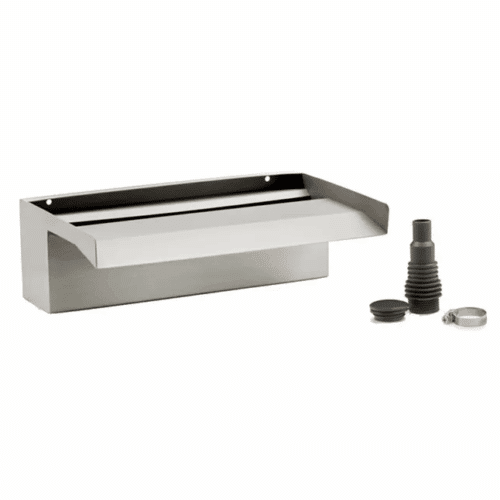
Choose it when the visible fall is an important part of the design. The surrounding planting and stonework can soften the transition into the garden, while the moulded channel provides the route for the water. It offers a different appearance from a straight stainless steel blade, so it is worth considering the rest of your pond edging before choosing between them. Our waterfall range includes alternatives for different styles of pond.
Handmade resin with a Welsh slate appearance
Rockways describes the finish as Welsh slate and the construction as resin. The feature is handmade, with some variation in colour and texture between individual pieces. It is an imitation rock waterfall, rather than a carved block of natural slate. That distinction is useful when planning the installation and considering how to support the feature.
Use the product photograph to judge the overall shape and style, then plan the surrounding materials separately. A few matching stones can help connect the feature visually to the pond edge. Avoid obscuring the actual water channel or placing loose gravel where the flow could carry it into the pond. Leave a clear view of the drop from the place where you will normally enjoy the feature.
Creating a longer cascade
Rockways identifies the FGAB1 Aber Falls Step as a companion for the FGAB2 Drop, allowing the two pieces to create a longer cascade. Before building them into landscaping, arrange the pieces temporarily and check how the water passes between them. The overall layout needs to guide water back to the pond or reservoir without letting it escape behind the visible feature.
Think about the height and viewing angle as well as the total length. A feature positioned too far back behind planting may lose much of its visual effect. Equally, a fall placed close to an exposed edge needs sufficient receiving space to collect the returning water. Test the proposed arrangement with water before finishing any permanent edging or concealing the hose.
Selecting the pump and water route
The pump and connecting hose are part of the wider installation. Select the pump using its performance at the intended lift, rather than its maximum output at zero height. The distance from the water surface to the top of the feature matters, as do the hose length and fittings. A long or restrictive hose run can reduce the flow that actually reaches the cascade.
Compare our pond pumps with the installation requirements in mind. If you already own a pump, check its model and performance curve before designing the feature around it. Tell us the proposed height and hose length if you would like help assessing the combination. Increasing pump size without checking the complete water route can create an unsuitable flow rather than solve the underlying problem.
Connecting and supporting the feature
The manufacturer provides a built in hose connection and a pipe fitting. Rockways instructs installers to open the thin protective film over the connector before attaching the fitting. Follow the instructions supplied with the actual feature, and check the hose and fitting together before cutting or modifying parts. Keep the connection accessible during the initial test.
Prepare a firm supporting base and avoid leaving the cascade balanced on isolated decorative stones. Route the hose so it does not pull on the inlet or become trapped beneath the landscaping. Make the pump accessible for cleaning too. The best time to think about future maintenance is before the feature is surrounded by plants, edging and other garden materials.
Pondless installations
A pondless feature uses a concealed reservoir to collect the falling water before a pump returns it to the cascade. Rockways describes this as an option for the Aber Falls Drop. The reservoir, pump and supporting structure must be chosen separately; this waterfall is not a complete fountain with a built in water store.
Plan access to the reservoir so you can check the water level and remove debris. Allow for water in the hose and cascade during operation and for that water returning when the pump stops. Follow the reservoir supplier’s instructions for loading and support. Decorative covering should not make it impossible to reach the pump or inspect the collection area.
Testing, cleaning and ongoing care
Run the completed water route before concealing it. Check the inlet, spill edge and receiving area for escaping water, then switch the pump off and observe where the remaining water drains. Restart it and confirm that the intended route is restored. This simple commissioning check is especially useful where several cascade pieces are combined.
During use, remove leaves and loose material from the channel and check the pump intake whenever the flow changes. Isolate electrical equipment before maintenance and follow the pump manufacturer’s safety instructions. Keep the waterfall as part of your wider pond plan: decorative moving water does not remove the need for suitable filtration, fish stocking and water quality checks.
If you would like help choosing or positioning the Drop, contact That Pond Guy with photographs of the pond edge and details of the pump you intend to use. That gives us a useful basis for discussing the complete arrangement before you finish the surrounding garden.
Compare a sandstone-effect waterfall
For a compact sandstone-effect feature with a stepped water route, see the Rockways Atlantis Tiered Cascade Waterfall. This is an alternative style rather than a matching Aber component; choose the shape, finish and pump arrangement to suit the complete installation.





Reviews
There are no reviews yet.