






Kockney Koi Yamitsu Mega Filter Replacement Foam Sets
| Brand | |
|---|---|
| Media type | Replacement foam and filter wool |
| Filter model | Set 1 – Mega, Set 2 – Mega Large, Set 3 – Mega XL, Set 4 – Mega Max |
Replacement foam and filter wool for the Yamitsu Mega black box range. Set 1 fits Mega; Set 2 fits Mega Large; Set 3 fits Mega XL; Set 4 fits Mega Max. Choose by the filter model, not pond volume. Filter, pump and UV are not included.
Price range: £20.00 through £66.71 (inc VAT)
Kockney Koi Yamitsu Mega Filter Replacement Foam Sets
Refresh the mechanical media in your Kockney Koi Yamitsu Mega filter with the replacement set made for its particular box size. Choose Set 1 for the standard Mega, Set 2 for Mega Large, Set 3 for Mega XL or Set 4 for Mega Max. Each option contains replacement foam and filter wool; the complete filter, pump and UV unit are not included.
The model selector matters. Mega, Mega Large, Mega XL and Mega Max are different filter bodies, and their media sets are not interchangeable simply because they share the Mega name. These are replacement sets for that range, rather than the similarly named Platinum filters or a universal pack of rectangular foam sheets.
Which replacement set do I need?
| Choose this option | Filter model | Contents |
|---|---|---|
| Set 1 | Mega | 2 foam pieces and 1 filter wool piece |
| Set 2 | Mega Large | 4 foam pieces and 1 filter wool piece |
| Set 3 | Mega XL | 4 foam pieces and 1 filter wool piece |
| Set 4 | Mega Max | 4 foam pieces and 1 filter wool piece |
Check the name on the filter and compare its existing media arrangement before ordering. An old UV lamp rating is not a reliable way to identify the foam set: electrical equipment can have been replaced during a filter’s life. Likewise, the size of the pond does not identify which box is installed. If the model label is missing, a photograph of the complete filter and the old media is much more useful than choosing by the apparent colour of the sponge.
What the foam and wool do
The foam intercepts suspended debris as pond water passes through it. The wool provides a finer polishing stage, catching smaller material that has travelled through the preceding media. Removing this trapped waste during maintenance helps keep it out of circulation. The media must sit properly in its intended position so that water follows the designed route instead of escaping through gaps around the edges.
Foam in an established filter can also carry beneficial bacteria, but a new foam set is not already mature biological media. Keep that distinction in mind when replacing a heavily colonised set. Clear-looking water alone does not show whether ammonia and nitrite are controlled. We recommend checking those parameters after substantial filter maintenance, particularly in a heavily stocked pond or during periods of increased feeding.
Cleaning or replacing: how to decide
A dirty foam is often doing its job and does not automatically need replacing. Inspect its condition after careful cleaning. Tears, crumbling material, permanent compression or gaps that allow water to bypass the media are more useful reasons to consider a replacement. Check the wool separately: fine material can become loaded with debris sooner than the coarser stages.
There is no single replacement interval that suits every pond. Fish numbers, feeding, falling leaves and the amount of solids reaching the filter all affect how quickly its mechanical media becomes dirty. Watch the filter’s normal water level and return flow, and respond to changes rather than letting a blocked set dictate the maintenance schedule. If cleaning does not restore normal flow, check the inlet, spray bar and outlets as well.
Fitting a new set
Before opening the filter, isolate the pump and any connected UV equipment according to their instructions. Record the position of the existing foams, supports and wool before removing them. A quick photograph gives you a useful reference when rebuilding the stack, especially if the filter has several similar-looking layers.
Remove accumulated waste from the mechanical section and inspect the support beneath the media. Fit the selected replacement set in the filter’s original arrangement, following its instructions. Do not force an oversized piece into a smaller chamber or compress the whole stack to make the lid close. A poor fit can obstruct flow or leave a path around the media. If the pieces differ from the old set, check the selected model before cutting or modifying them.
Reconnect and restart the system in the order specified for your equipment. Stay with the filter while it fills, then check that the outlets return water freely and the water level settles normally. Never leave a newly serviced filter unattended until you have checked the flow path and any connections disturbed during the work.
Look after the biological side of the filter
Where your filter instructions allow it, avoid unnecessarily cleaning or replacing every established biological surface at the same time. Keep retained biological media wet with pond water during routine servicing. Rinse media you intend to retain in removed pond water rather than exposing it to untreated chlorinated tap water. Do not use household detergents on pond filter media.
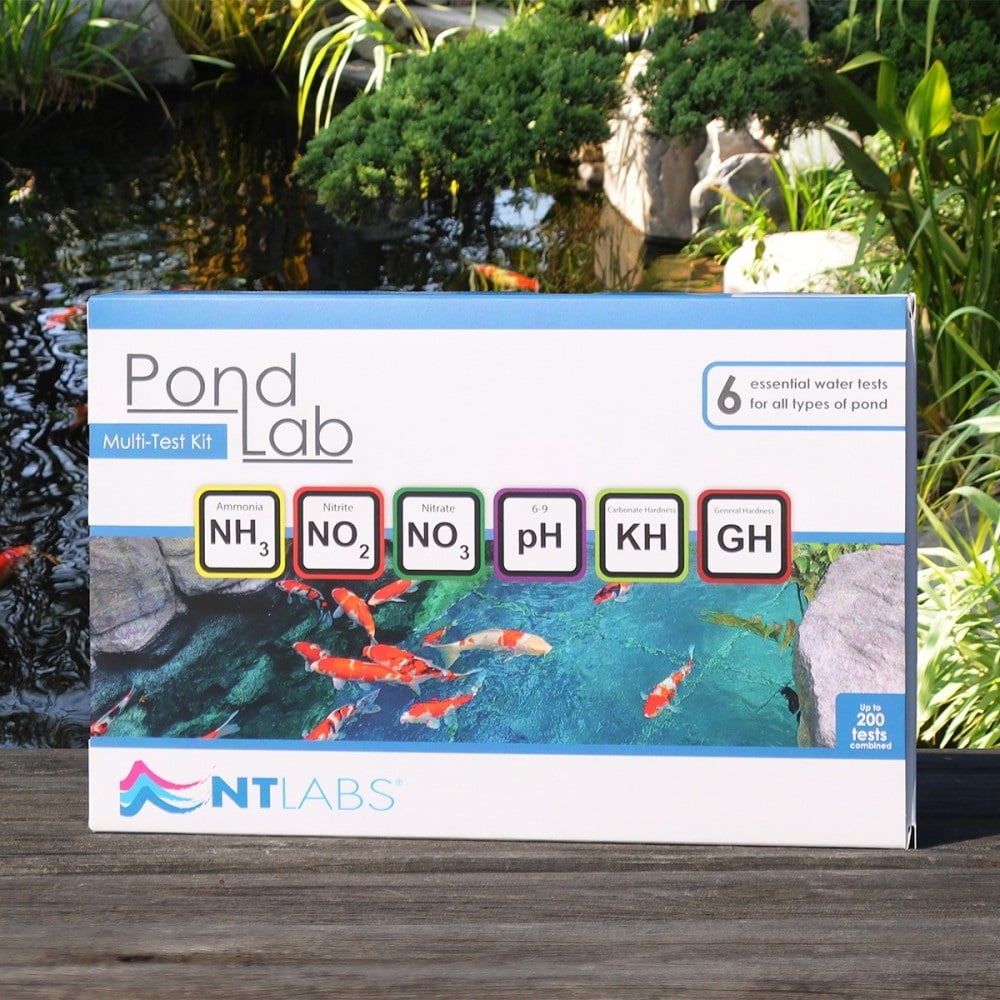
After replacement, monitor the pond with a suitable water test kit and adjust feeding if readings indicate that the biological filter is struggling. Our NT Labs Pond Lab Multi-Test Kit is a useful companion for routine checks. Follow the test instructions carefully and compare results over time rather than relying on the appearance of the water.
Related equipment and alternatives
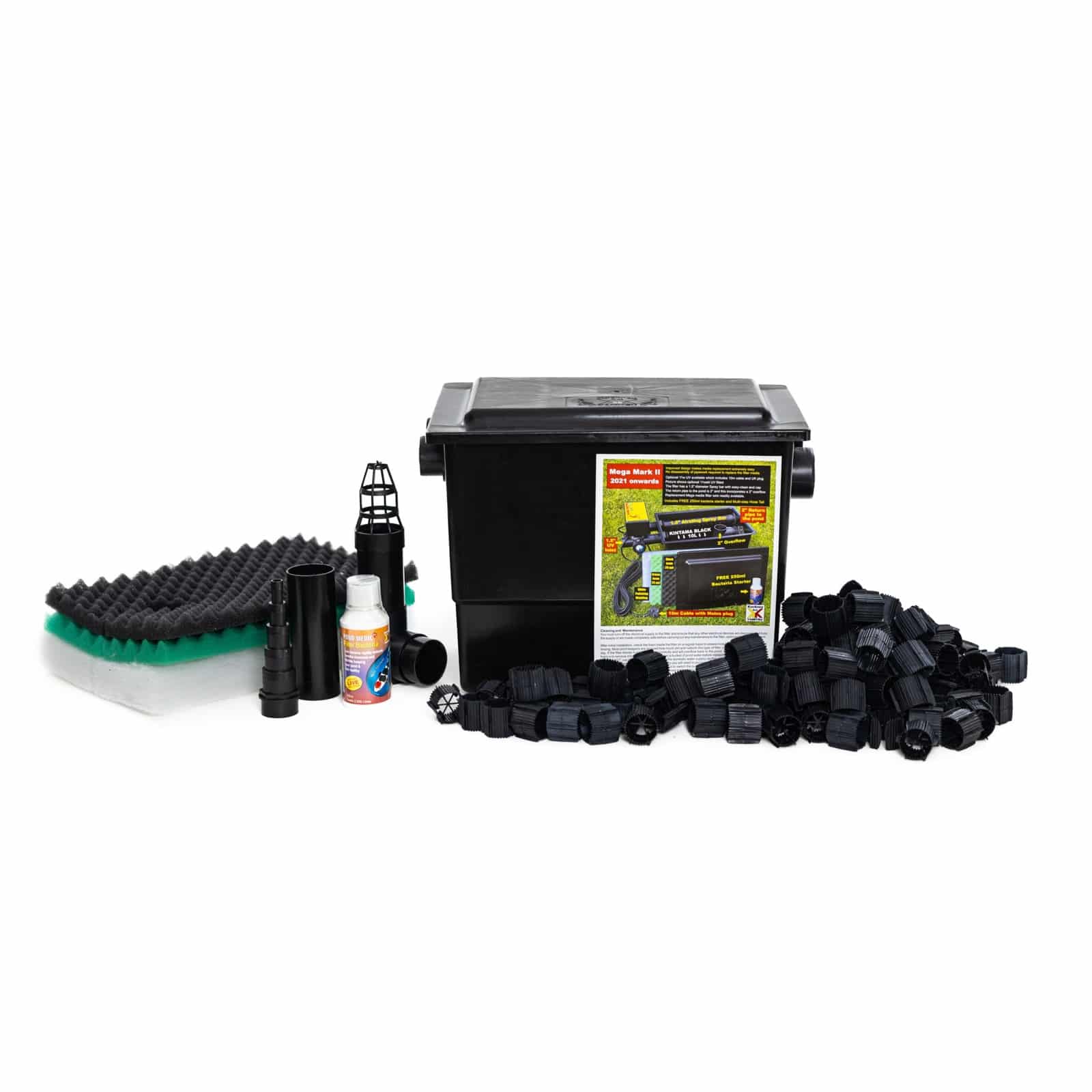
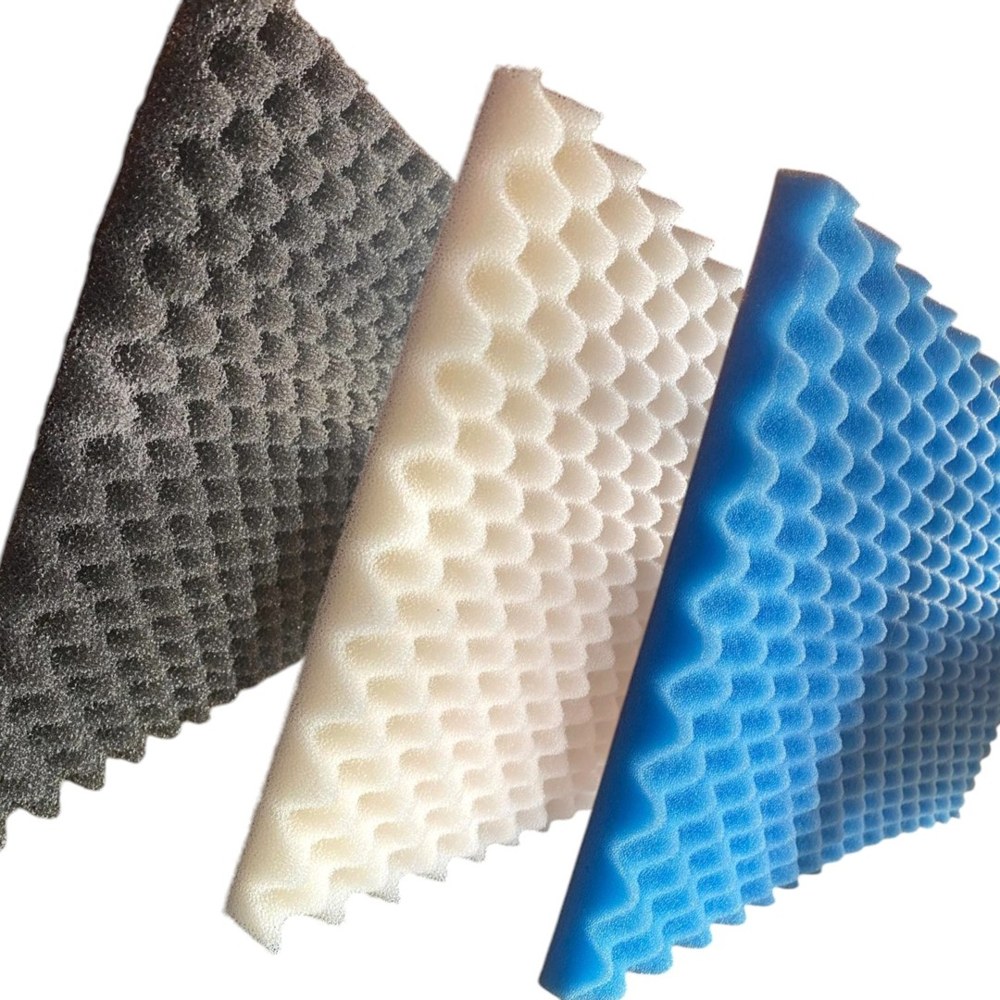
If the filter body itself needs replacing, see the Kockney Koi Mega Black Box Pond Filter. Check its model and supplied media before ordering additional spares. For a different filter that uses cut-to-fit sheet media, our Kockney Koi three-piece foam sheet sets provide another option; they are not a substitute for confirming the correct pre-cut Mega set.






Reviews
There are no reviews yet.