





Variegated Sweet Flag (Acorus calamus ‘Variegatus’)
| Size | 1 Ltr, 1 Ltr – Pack of 3, 3 Ltr |
|---|---|
| Plant Type | Marginal |
| Sun / Shade | Full Sun to Part Shade |
| Growth Rate | Medium |
| Native to UK | No |
| Plant group |
Variegated Sweet Flag has tall cream-striped leaves for a sunny wet margin. Allow room for its rhizomes, use the correct shallow water cover and keep access for early-season division.
Price range: £14.00 through £34.00 (inc VAT)
Variegated Sweet Flag (Acorus calamus ‘Variegatus’)
Cream-striped leaves for a sunny wet margin
Variegated Sweet Flag brings a pale stripe to the upright shape of Acorus calamus. Its aromatic, sword-shaped leaves have creamy-white lengthwise markings, making this a foliage choice for a wet pond margin. The name Variegatus is still widely used in the trade; the RHS accepts Argenteostriatus and lists Variegatus as its synonym.
The leaves give a taller outline than the smaller Acorus gramineus cultivars. Allow roughly 0.5–1 metre in height, with room for the rhizomes to expand. It can sit behind low flowering plants, where the pale stripes remain visible without hiding the whole pond behind a dense stand of equally tall foliage.
Choose full sun and very moist or wet soil. Use a shallow marginal position, with around 5–15cm of water cover rather than deep water. Measure cover above the planted soil surface, including the basket height separately when choosing a shelf. A newly supplied small plant should follow its own label rather than be pushed immediately to a maximum depth.
This is grown mainly for leaves. Small flower spikes are secondary and should not be the reason for expecting a long floral display. The pale foliage can give contrast alongside green marginals, but it still needs the correct wet root position; variegation does not make a dry border or a deeply submerged pot suitable.
Keep an eye on its spread and divide the clump every few years if congested. The RHS specifically warns that this selection can become too vigorous for a small pool. A basket is useful for access and management, but does not mean that the plant will never need lifting or checking for escaped rhizomes.
The foliage is deciduous, so seasonal loss of leaves is normal. Tidy dead material and divide rhizomes at the beginning of active growth when needed. This is a non-native ornamental selection, with no edible or medicinal use implied by the aromatic foliage.
UK-grown plant. Grown at a dedicated aquatic plant nursery in the South of England.

What you receive
Choose a single 1-litre or 3-litre plant, or a pack of three 1-litre plants. Allow room for a tall striped-leaf clump and leave access to lift or divide its rhizomes as it develops.
Variegated Sweet Flag loses its leaves seasonally. A delivered plant may be leafy without conspicuous flowers, or show little top growth when dormant. The cream-striped foliage is the main reason to choose this form; its nursery container does not describe the final height or spread.
Is this right for your pond?
This is the taller variegated Sweet Flag, not the low Japanese Sweet Flag. Choose it where cream-striped upright leaves have room to develop in sun and wet ground, with a realistic plan for the rhizomes.
- Sunny wet roots: Use full sun with very moist or wet soil or a suitable shallow margin. A dry raised bank is not the same environment and will need a way to maintain root moisture.
- A taller foliage layer: Allow growth around 50–100cm. The striped leaves can stand behind lower flowers, provided they do not obscure the view or a narrow route to the water.
- Managed rhizomes: Leave the root area accessible and inspect extending growth. In a small pond, a container helps organise maintenance but still needs checking and division.
- Correct identity: The accepted name Argenteostriatus is also sold as Variegatus. Keeping the botanical name with the plant helps distinguish it from smaller Acorus gramineus forms with different depth and space needs.
Planting position and getting established
Choose a sunny wet border, bog-garden position or appropriate marginal basket. Plant at the existing rootball level and keep the rhizome from being buried under a heavy new mound. In soil, water around the plant after firming; for aquatic use, choose a stable basket with suitable aquatic medium.
This cultivar sits in the RHS 5–15cm shallow-water group. Use the supplied label to set water cover above the actual planted basket level, allowing separately for the basket height when choosing a shelf. Keep new leaves above the water rather than placing a small plant at depth to hide its container.
Leave space for the leaves and a route to lift the clump. The rhizomes can become congested, so avoid trapping the plant behind permanent stonework or tightly among delicate neighbours. Check the new rootball while it establishes and inspect the basket position if the pond level changes.
Looking after your plants
- Maintaining moisture: Keep roots wet and check young plants during low pond levels or dry weather. The striped leaves can remain attractive while the original small rootball still needs attention.
- Inspecting rhizomes: Look for crowded growth or shoots outside the intended area. Reduce or repot when needed rather than assuming the supplied basket will remain the right size indefinitely.
- Division timing: Divide rhizomes at the beginning of the growing season when necessary. Pot healthy sections and allow them to establish before moving to their final planting position.
- Tidying leaves: Cut back after flowering where a tidy is needed, removing tired material carefully. Retain sound leaves while they still contribute to the display and keep cut material clear of the pond.
- Winter dormancy: Allow for the foliage to die back. Keep the root area identifiable and suitably moist, then inspect returning growth before making decisions about further division or replacement.
Size and growing conditions
- Accepted botanical name
- Acorus calamus ‘Argenteostriatus’
- Also sold as
- Acorus calamus ‘Variegatus’
- Foliage
- Aromatic green leaves striped creamy-white
- Main interest
- Tall variegated foliage; inconspicuous flower spikes
- Height
- Allow around 50–100cm
- Spread
- An expanding rhizomatous clump requiring inspection
- Light
- Full sun
- Soil
- Very moist or wet soil
- Aquatic position
- Shallow 5–15cm group; follow the supplied basket-depth label
- Division
- Beginning of the growing season; establish divisions before final planting
- Winter habit
- Deciduous
- Native status
- Non-native cultivated selection
- RHS information
- RHS plant profile: Acorus calamus 'Argenteostriatus'
Delivery and basket information
We do not deliver live plants to Northern Ireland.
Orders received by 11am Monday to Wednesday are normally dispatched on the following working day using a next working day courier service. During busy periods, dispatch may occasionally take an extra day.
To avoid plants being held in depots over a weekend, we do not usually dispatch on Fridays. Highlands and Islands orders using a two day service are not normally dispatched on Thursdays.
Please read our delivery information for delivery arrangements and contact us if you need to check the timing of a particular order.
Finofil baskets are made from 100% recycled polypropylene co-polymer. They are not suitable for ordinary kerbside recycling; reuse them where possible and check local specialist recycling options. Their fine mesh helps retain aquatic soil while allowing water to reach the roots.
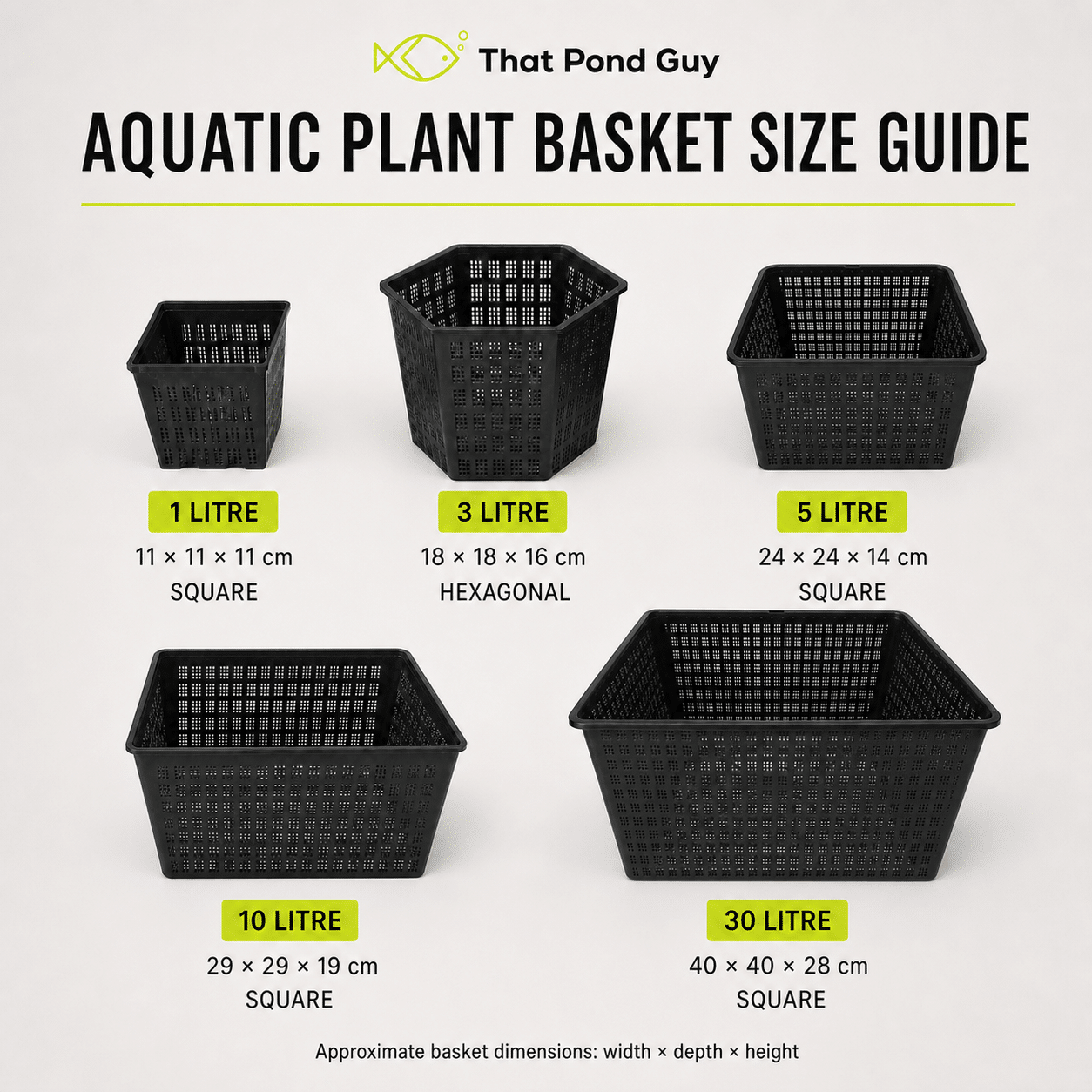
Basket measurements for the offered sizes:
- 1 Litre Basket – usually 11 × 11 × 11cm square; some varieties may be supplied in a 14cm diameter × 10cm round basket
- 3 Litre Hexagonal Basket – 18 × 18 × 16cm
Other plants to compare
Sweet Flag — Plain Sweet Flag has green rather than cream-striped leaves. It offers a similar upright foliage role, with its own water-position guidance and the same need to manage rhizomes.
Variegated Japanese Sweet Flag — Variegated Japanese Sweet Flag is much lower, around 20–30cm, and needs a very shallow or wet-soil position. Compare it where the taller calamus form would dominate a small pond edge.







Reviews
There are no reviews yet.