





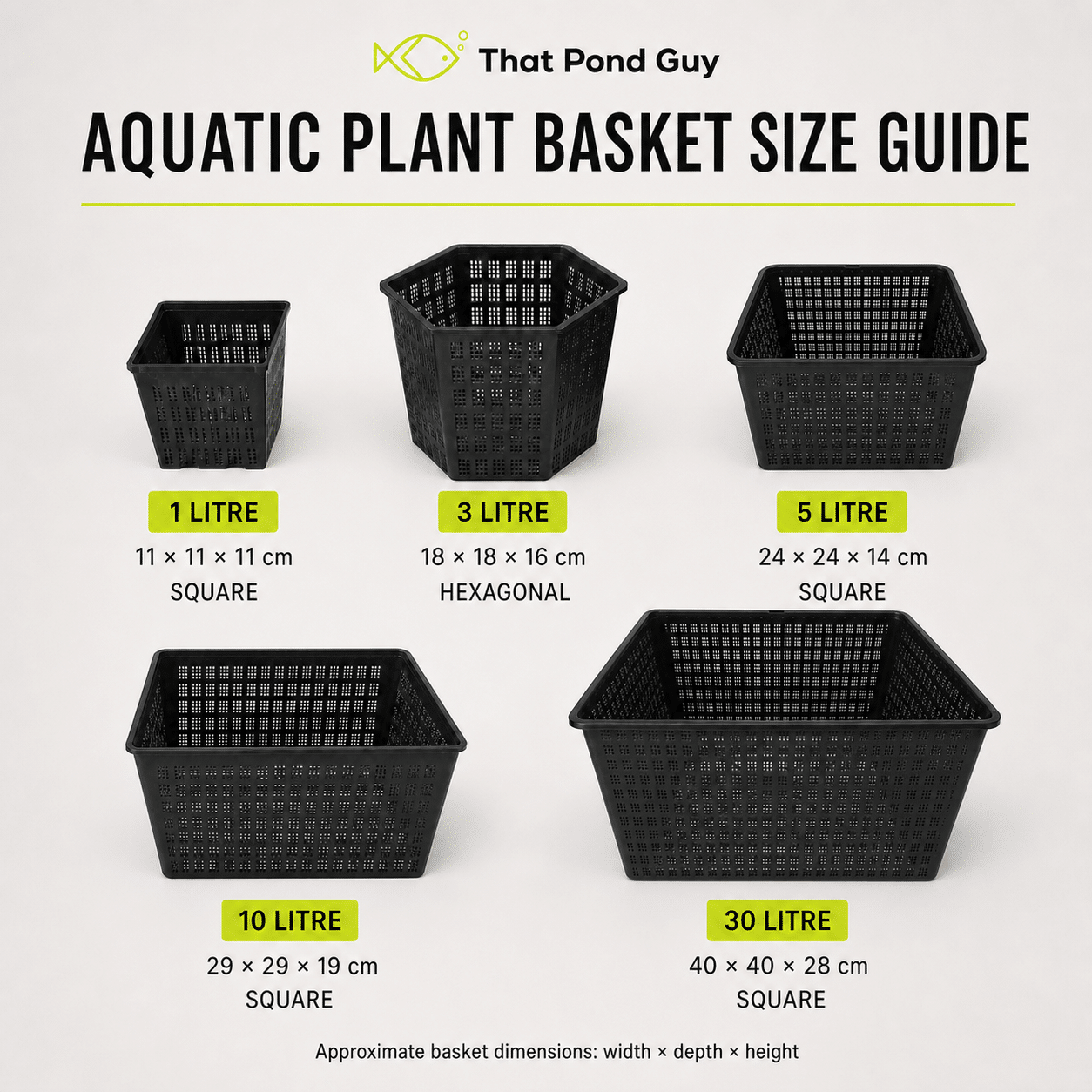
Creeping Jenny (Lysimachia nummularia)
| Size | 1 Ltr, 1 Ltr Pack of 3, 9cm Pack of 3, 3 Ltr |
|---|---|
| Plant Type | Marginal |
| Sun / Shade | Full Sun to Part Shade |
| Flower Colour | Yellow |
| Growth Rate | Medium |
| Native to UK | Yes |
| Plant group |
Creeping Jenny makes a low, trailing line of rounded green leaves. Its stems can soften the edge of a planting or spill over a suitable container, giving a different effect from an upright marginal. The yellow flowers appear among the leaves rather than on tall separate flower spikes.
Price range: £14.00 through £34.50 (inc VAT)
Creeping Jenny (Lysimachia nummularia)
Rounded green leaves and yellow summer flowers on trailing stems
Creeping Jenny makes a low, trailing line of rounded green leaves. Its stems can soften the edge of a planting or spill over a suitable container, giving a different effect from an upright marginal. The yellow flowers appear among the leaves rather than on tall separate flower spikes.
This is the green-leaved species, not the yellow-leaved cultivar Aurea. The paired leaves remain its main feature between the summer flowers. Use the full name when comparing the products so the expected foliage colour is clear before the plant arrives.
The trailing growth roots and spreads, so leave room to manage its outline. It may be useful where a relaxed edge is wanted, but it is not permanently limited to the dimensions of the first pot. Inspect stems that reach neighbouring planting and trim them back before they become established in places you do not want them.
Choose damp ground in sun or partial shade. The exact plant label should govern any shallow-water placement; a damp terrestrial setting and water over the crown are not interchangeable measurements. Check the actual root environment, especially where a hard edge or container can dry out more quickly than the pond beside it.
Lysimachia nummularia is a hardy native perennial, with a low mat that changes through the seasons. Keep access to the trailing stems so you can remove rooted extensions before they take over neighbouring planting. The green foliage gives a quieter background than the yellow-leaved cultivar.
UK-grown plant. Grown at a dedicated aquatic plant nursery in the South of England.
What you receive
Choose three plants in 9 cm nursery pots, one plant in a 1 litre container, three plants in 1 litre containers or one plant in a 3 litre container.
Nursery-pot plants need transferring into suitable baskets before any label-approved pond placement. Keep roots moist and remember that the eventual trailing patch extends beyond the starting container.
How it changes through the year
Yellow flowers appear in summer among the paired green leaves. Weather and season affect the fullness of the mat. The supplied pot is a starting rootball, so allow time and room for the trailing stems to develop.
Choosing a place for it
- For green trailing foliage: This is the green-leaved species, with yellow flowers among the rounded leaves.
- For a damp front edge: Use a position where the low stems can be seen and moisture is dependable.
- For manageable access: Rooting shoots need checking if they reach neighbouring planting.
Planting and getting it established
Choose damp soil in sun or partial shade and plant at the rootball's existing level. Settle the medium around the roots, water in and leave the trailing shoots free rather than burying them. An accessible front edge shows the rounded leaves and summer flowers well.
For pondside use, follow the supplied label before allowing any water cover over the crown. Damp ground beside the pond is not the same measurement as a submerged shelf. A nursery or aquatic-style container does not set a universal submergence depth for the plant.
If planting an actual label-approved aquatic format, use a suitable basket and aquatic medium and measure cover above the planted crown, allowing separately for basket height. In a container above water, check dampness during dry weather. Plan where the stems can trail without rooting through every neighbouring pot or disappearing into inaccessible rockwork.
Looking after it
- Moisture: Maintain the appropriate damp conditions while the roots establish. Pay particular attention to small containers and raised edges that can dry faster than the soil beside them.
- Trailing stems: Trim unwanted extensions and lift any rooted sections that are spreading outside the intended patch. Removing leaves alone does not remove roots that have formed farther along a stem.
- Tidying: Remove damaged or dead material selectively. There is no fixed need to hard-prune a healthy patch that is still within its allotted space.
- Division: Separate or divide congested rooted growth when necessary, keeping healthy sections and replanting at their previous level. Water in and maintain moisture afterwards.
- Winter: The perennial persists but its seasonal appearance can change. Tidy according to the condition of the growth, retaining healthy leaves where they remain sound.
Plant details
- Botanical name
- Lysimachia nummularia
- Native status
- Native species to Britain and Ireland
- Foliage
- Paired rounded green leaves on trailing stems
- Flowers
- Yellow five-lobed summer flowers
- Habit
- Low mat-forming perennial; rooting stems can spread
- Light
- Sun or partial shade
- Position
- Damp soil; water placement only as directed by the label
- RHS information
- RHS plant profile: Lysimachia nummularia
Delivery and basket information
We do not deliver live plants to Northern Ireland.
Orders received by 11am Monday to Wednesday are normally dispatched on the following working day using a next working day courier service. During busy periods, dispatch may occasionally take an extra day.
To avoid plants being held in depots over a weekend, we do not usually dispatch on Fridays. Highlands and Islands orders using a two day service are not normally dispatched on Thursdays.
Please read our delivery information for delivery arrangements and contact us if you need to check the timing of a particular order.
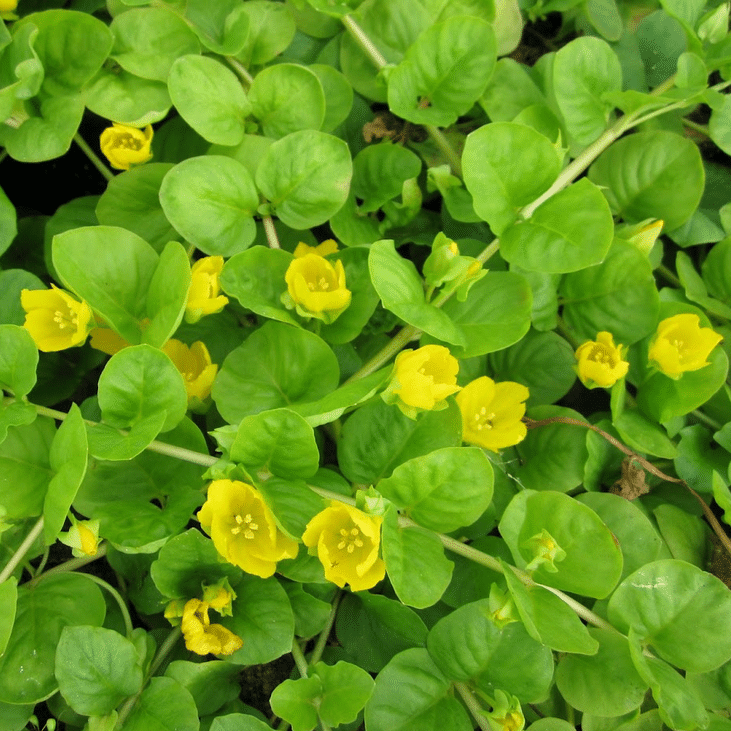
The 9cm option arrives in nursery pots. For pond planting, pot these plants into suitable aquatic baskets with aquatic planting soil before positioning them at the depth shown on their labels.
Finofil baskets are made from 100% recycled polypropylene co-polymer. They are not suitable for ordinary kerbside recycling; reuse them where possible and check local specialist recycling options. Their fine mesh helps retain aquatic soil while allowing water to reach the roots.
Basket measurements for the offered sizes:
- 1 Litre Basket – usually 11 × 11 × 11cm square; some varieties may be supplied in a 14cm diameter × 10cm round basket
- 3 Litre Hexagonal Basket – 18 × 18 × 16cm
Other plants to compare
Golden Creeping Jenny — Choose Aurea if you want yellow foliage as well as yellow flowers, rather than this species’ green leaves.
Brooklime — Compare fleshy green leaves and blue flowers for a permanently wet edge, allowing for its extensive creeping growth.
Choosing plants and planting supplies
Marginal pond plants — Compare pond-edge plants by their eventual size, light and water-depth needs before filling a shelf.
Pond plant baskets and planting supplies — Choose a suitable container and growing medium for the position described above.



Reviews
There are no reviews yet.