





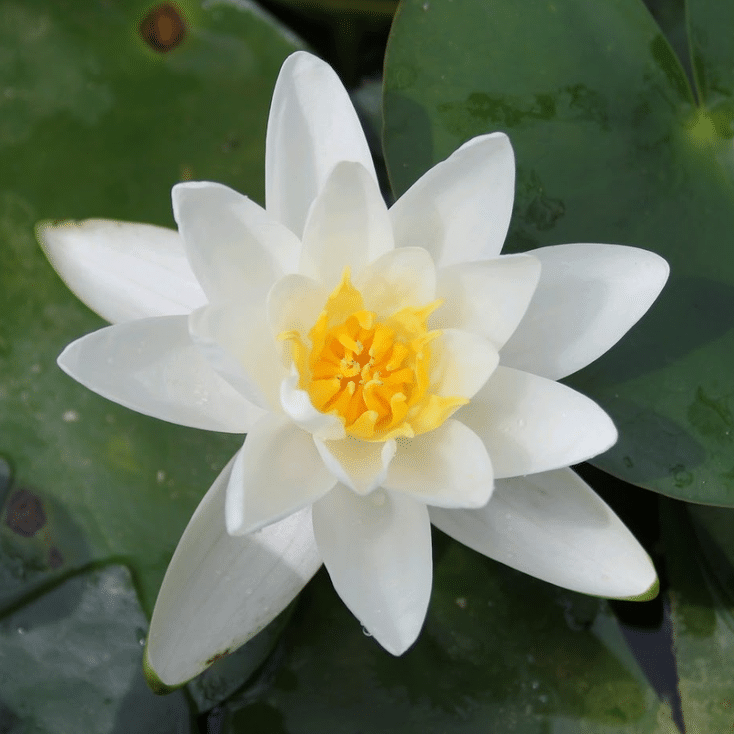
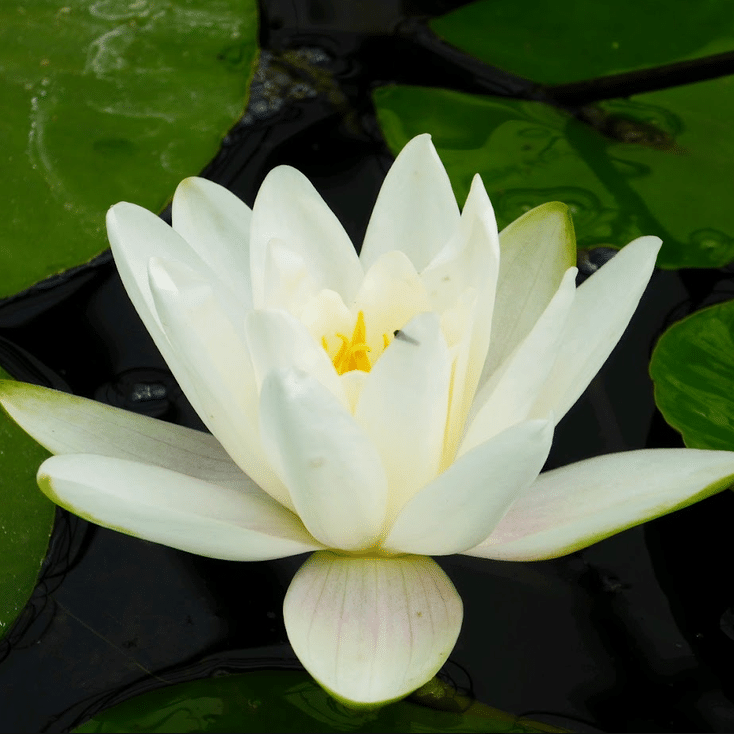
Albatross Waterlily (Nymphaea ‘Albatross’)
| Size | 3 Ltr |
|---|---|
| Plant Type | Water Lily |
| Sun / Shade | Full Sun |
| Flower Colour | White |
| Growth Rate | Medium |
| Native to UK | No |
Albatross is supplied as a white-flowered waterlily with young leaves that can emerge rich purple before turning green. That change in foliage gives the planting interest around the flowers and means an established lily can carry leaves at several stages of colour.
£36.50 (inc VAT)
Albatross Waterlily (Nymphaea ‘Albatross’)
White flowers above leaves that change from purple to green
Albatross is supplied as a white-flowered waterlily with young leaves that can emerge rich purple before turning green. That change in foliage gives the planting interest around the flowers and means an established lily can carry leaves at several stages of colour.
The white flowers stand out against the darker young pads, while greener older leaves provide a changing backdrop. Give the plant enough calm open water for the leaves to float naturally. Keep its supplied label for future placement and care, especially when comparing several white-flowered lilies with different sizes and habits.
The grower's guide gives a spread of around 60–100 cm. Allow that area for the mature leaves, alongside the rest of your planting and some open water. A pot may fit neatly onto a shelf while the future canopy has far less space available above it.
The corresponding established depth guide is around 40–90 cm of water cover for this line. Follow the supplied plant label for its reference point and start a short young plant where the leaves can reach the surface. Lowering it in stages lets the stems adjust; going directly to the deep end of a range is not a shortcut to a larger display.
Give Albatross a sunny, quiet position away from constant splashing. The leaves need to float rather than being pushed beneath other plants or a return flow. Leave the basket within reach for feeding and inspection, especially if the pond already holds other lilies with strong leaf growth.
This is a hardy seasonal plant, not an evergreen surface cover. Leaves decline as winter arrives while the rhizome rests underwater. Remove soft old growth, protect a shallow or exposed planting from freezing solid and check for congestion when active growth returns. Use a suitable aquatic fertiliser as directed. Its purple-to-green foliage can be enjoyed between summer flowers, without expecting every delivered plant to arrive with the same leaf colour or number of blooms.
UK-grown plant. Grown at a dedicated aquatic plant nursery in the South of England.
What you receive
Your Albatross Waterlily is supplied planted in a 3-litre aquatic basket. The basket size describes the container supplied; allow separately for the space its mature leaves will need.
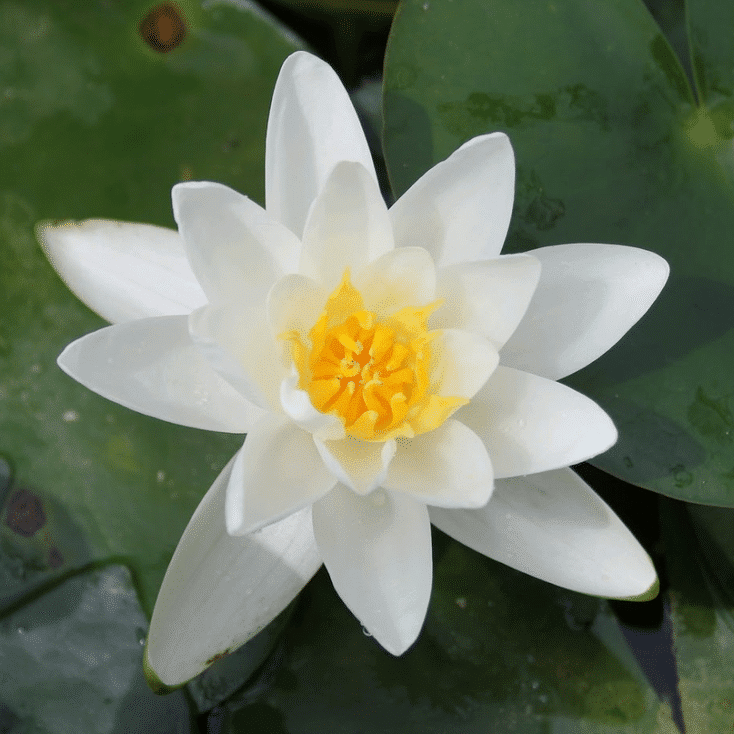
Unpack promptly and keep the planting wet while you prepare its position. A hardy waterlily may arrive with little visible foliage while dormant, or with leaves at different stages in the growing season. The photograph shows the cultivar in growth; flowers on arrival or in the first season depend on the plant and conditions.
Is Albatross Waterlily right for your pond?
Albatross has white summer flowers, young purple leaves maturing green and a grower’s spread guide around 60–100 cm. Use that leaf patch when planning its position, leaving open water around it and access to the basket. Compare the named plants’ own growing guidance before choosing another white lily simply because the flower colour matches.
Choose a position with plenty of direct sun and quiet water. Keep pads and flowers clear of constant fountain spray or a strong waterfall return, and leave room to reach the basket. Plan the mature planting with open water around it rather than filling every visible gap on delivery day.
Planting depth and getting established
Our grower’s depth guide is around 40–90 cm for an established planting. Check the label’s water-cover reference and start young growth closer to the surface, lowering it progressively as leaves extend. The total pond depth includes the basket and any support, so it is not automatically the depth above the planted growing point.
Keep a correctly planted, settled basket intact when putting it into the pond. If the plant needs more root space later, use an aquatic mesh basket with suitable aquatic compost or heavy loam. Position the rhizome with its growing point at the correct soil level and dress the surface with washed pea gravel without burying the active crown.
Lower the basket slowly so the soil stays in place. Check that its whole base is stable and supported, and inspect the young leaves after positioning. If they cannot reach the light, review the starting water cover before assuming that more feed is needed. A larger delivery basket does not need dismantling simply because you are planting a new pond.
Looking after your waterlily
- Feeding: Use a suitable aquatic fertiliser during active growth, following its dose and application instructions. Place tablets or capsules within the planting medium as directed so the feed reaches the roots rather than being scattered into the open pond. Check what has already been applied before adding more.
- Tidying: Remove yellowing leaves and faded flowers when you can reach them safely, cutting or taking off the spent growth without damaging new buds. Collect the material rather than letting it sink into the pond. Keep sound leaves to support the plant as it grows.
- What is normal for this cultivar: Colour in the young pads is expected to change as they mature. Keep useful healthy foliage while removing soft old growth, and allow the white blooms clear water around them rather than pushing the planting into a crowded margin.
- Crowded plants: If leaves are pushed above the water instead of floating, or the clump is clearly congested, inspect the rhizome and container. Divide an established hardy lily when needed, usually in late spring or early summer, keeping growing shoots and healthy roots on the divisions. Replant in suitable aquatic medium and begin the divisions in shallower water.
- Poor flowering: Review sunlight, water cover, root space and establishment before changing the feeding routine. A shaded, crowded or newly settling plant may make leaves without producing the display seen in a photograph of an established plant. Extra fertiliser alone does not correct those conditions.
Autumn, winter and spring growth
As autumn cools, the leaves die back and the rhizome rests below the water. Remove soft, fading foliage where reachable so it does not collect in the pond, but keep the dormant growing parts wet. A lack of floating leaves in winter is normal for this hardy lily.
In a suitable pond the plant can remain outdoors. Pay particular attention to a shallow or exposed container, where the whole root zone could freeze solid; protect or move the planted container to a suitable frost-protected position if that risk cannot be avoided. Look for renewed growth as conditions warm and adjust the basket gradually rather than disturbing it repeatedly.
Size and growing conditions
- Botanical identity
- Nymphaea ‘Albatross’
- Flowers
- White summer flowers
- Foliage
- Young purple leaves maturing green
- Established spread
- Around 60–100 cm
- Planting depth
- Around 40–90 cm; establish to the current label
- Depth measurement
- For the stated young-plant guidance, measure water above the top of the planted basket; follow the supplied label for the established position.
- Light
- Full sun preferred for flowering; keep foliage away from constant spray
- Winter
- Deciduous/seasonal hardy waterlily; dormant rhizome remains underwater, protected from freezing solid.
- Native status
- Cultivated waterlily; not native British wild stock.
- RHS information
- RHS guide: how to grow waterlilies (general guidance)
Delivery and basket information
We do not deliver live plants to Northern Ireland.
Orders received by 11am Monday to Wednesday are normally dispatched on the following working day using a next working day courier service. During busy periods, dispatch may occasionally take an extra day.
To avoid plants being held in depots over a weekend, we do not usually dispatch on Fridays. Highlands and Islands orders using a two day service are not normally dispatched on Thursdays.
Please read our delivery information for delivery arrangements and contact us if you need to check the timing of a particular order.
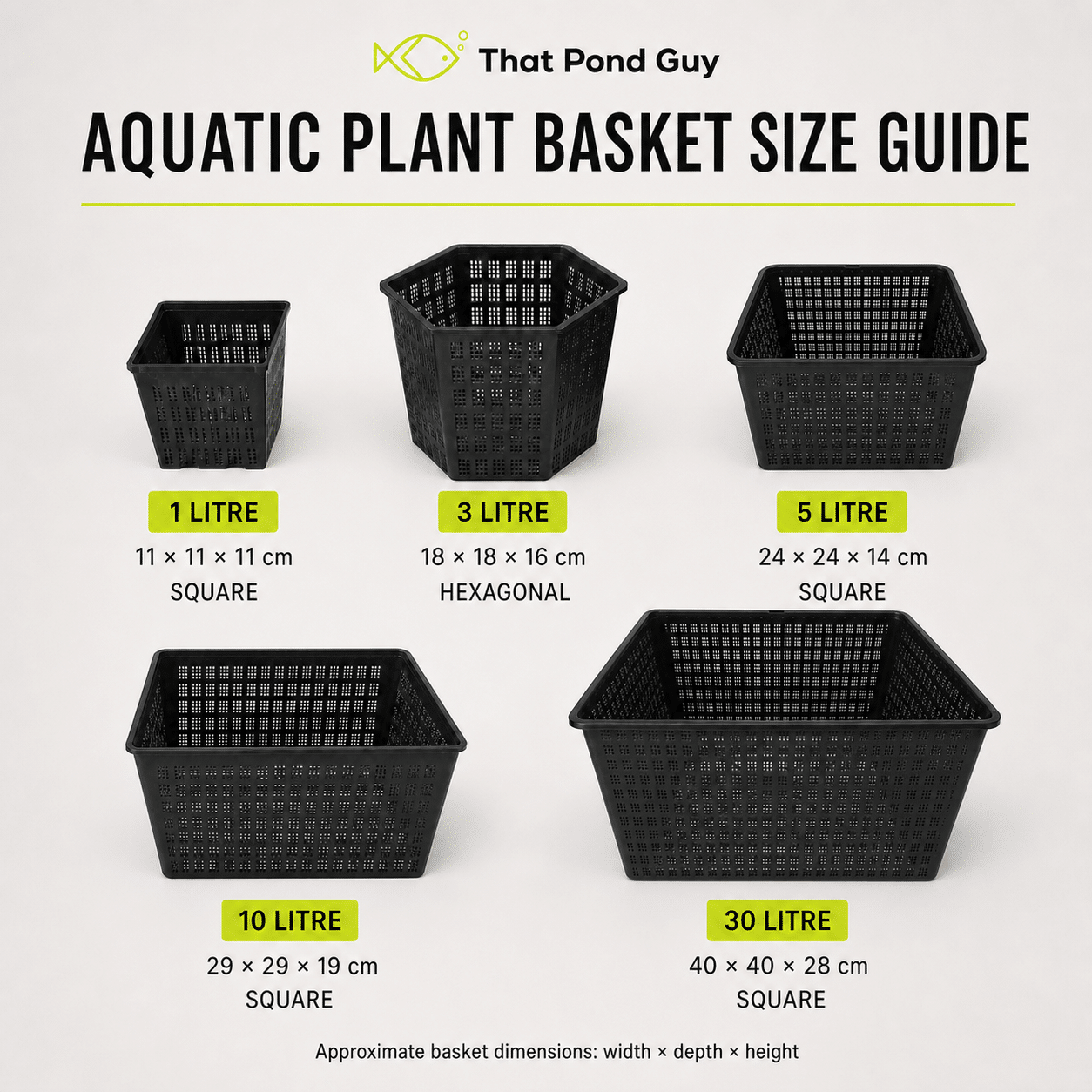
Finofil baskets are made from 100% recycled polypropylene co-polymer. They are not suitable for ordinary kerbside recycling; reuse them where possible and check local specialist recycling options. Their fine mesh helps retain aquatic soil while allowing water to reach the roots.
Basket measurements for the offered sizes:
- 3 Litre Hexagonal Basket – 18 × 18 × 16cm
Other waterlilies to compare
Virginalis — For a separately named white lily with fragrant cups and a broader RHS 1–1.5 m mature-spread band.
Marliacea Albida — For a fuller double white flower; compare its own mature size and planting guidance.
More planting help
waterlily planting and care guide — Worked depth examples, feeding, winter care and checks for a lily that is not flowering.



Reviews
There are no reviews yet.