






Choosing Pond Plant Packs: Contents, Sizes and Planting Positions
A pond pack gives you a selected group of plants without choosing every variety separately. Start with the part of the pond you want to plant: a shallow margin, submerged growing area or a separate mini-pond container.
Compare the actual contents, supplied sizes and planting requirements below. The varieties in a seasonal mix can change, so a photograph is an example rather than a promise of particular flowers or species.
Price range: £95.00 through £155.00 (inc VAT)
✔️ In stock - ready for dispatchPrice range: £34.00 through £83.00 (inc VAT)
✔️ In stock - ready for dispatchPrice range: £28.00 through £61.00 (inc VAT)
❄️ Out of season - available next yearPrice range: £34.00 through £83.00 (inc VAT)
✔️ In stock - ready for dispatchPrice range: £34.00 through £54.00 (inc VAT)
❄️ Out of season - available next year




Choosing and caring for pond plant packs
Compare the pack’s purpose and actual contents
The Native Wildlife Marginal Pond Pack is a seasonal selection for shallow edges and wet margins. It is a marginal-only pack, not a complete recipe for every zone of a wildlife pond. Choose submerged or deeper-water planting separately where the pond needs it.
The Ornamental Marginal Pond Pack combines plants selected for pond-edge foliage and flowers. The exact varieties can change, so use the labels to choose each position and leave room for mature height and spread.
The Oxygenator Pond Plant Pack contains rooted plants in the pots or aquatic baskets offered by the selected option. It is a different purchase from loose weighted bunches. Not every plant in a mix necessarily needs the same water depth.
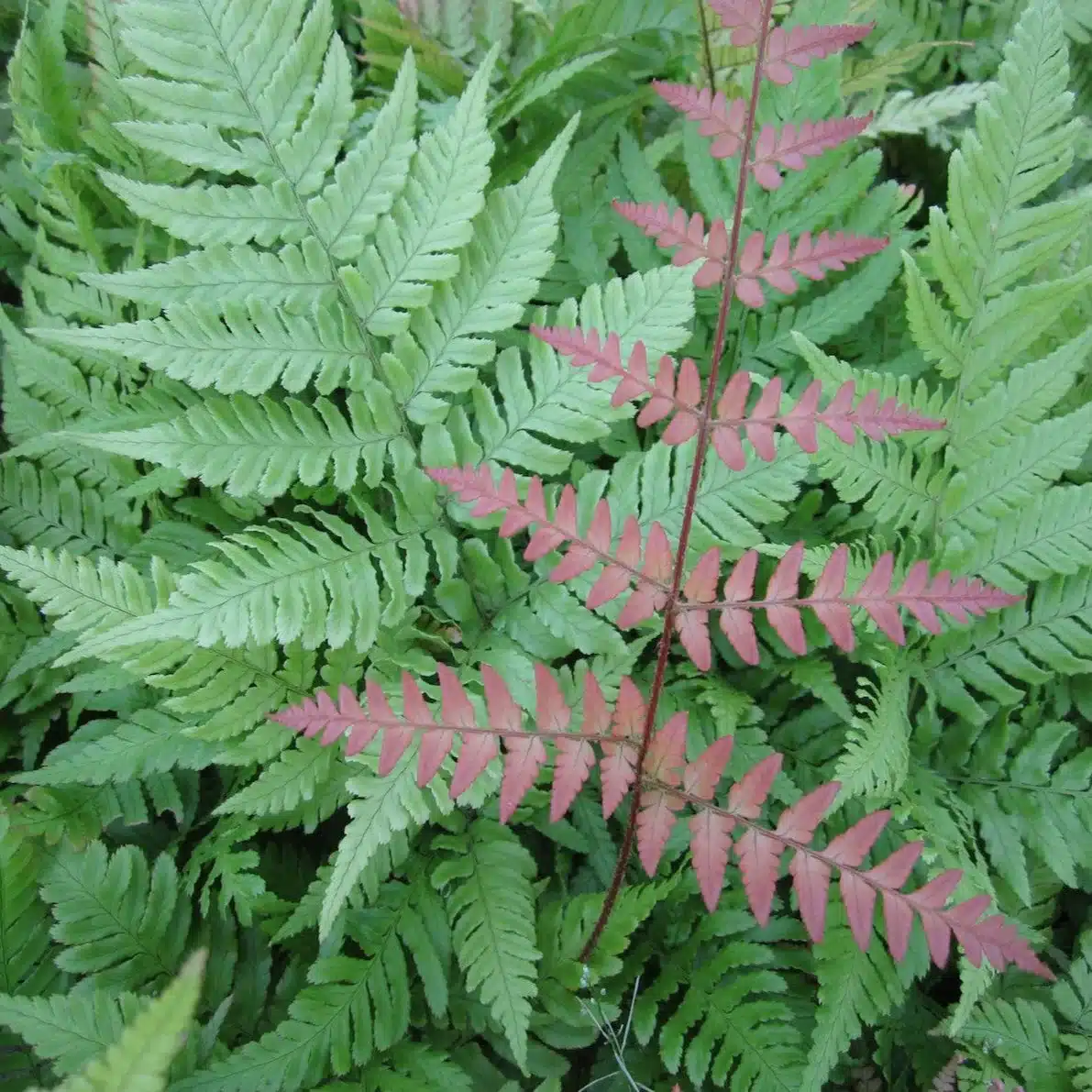
The Fern Collection provides a seasonal mix for suitable ground beside the pond. It is not a pack to submerge: match each supplied fern to its light, soil moisture and space requirements.
The Mini Garden Pond Kit is a separate bowl-and-mesh product with bowl-only and seasonal planted options. If you want that container, compare the mini pond kit information; an ordinary plant pack does not imply a bowl, pump or fountain is included.
Check the pond before choosing a pack
Note the usable shelf depths, underwater light and available planting space. Depth must be measured above the reference point given for each plant, allowing for its basket or pot. Do not judge the whole mix from the pond’s deepest measurement.
A mixed pack makes selecting varieties easier, but it does not remove the need to place them individually. Check the chosen pack size and supplied format on its product page. If a particular species, native status, flower colour or plant count matters, confirm the exact selected option before ordering.
Leave room for water movement, viewing and future lifting or division. Existing planting also counts towards the space available. Planting in stages is often easier to manage than filling every shelf at once.
Prepare each supplied plant in the right way
Open the packaging promptly, identify the plants and keep aquatic roots or pots from drying out while you organise their positions. Follow the supplied labels. A plant for moist soil outside the pond does not become suitable for submersion because it arrives with aquatic plants.
Rooted aquatics in 9 cm nursery pots generally need potting into suitable aquatic baskets before going into the pond. Larger selected options may already be planted in baskets: check before buying replacements. Weighted bunches, rootless Hornwort and free-floating plants need their own handling rather than being forced into compost.
Use aquatic baskets, suitable soil and planting supplies where the plant needs them. Keep gravel clear of the growing point, avoid loose multipurpose compost in pond water and use aquatic fertiliser only as the named plant and feed label direct.
Place a mixed selection without applying one depth to all
Match each marginal to a suitable shallow shelf and each rooted oxygenator to its own light and depth instructions. Young water lilies and other deeper-water plants have different establishment requirements; use the selected plant’s guidance rather than dropping the whole pack onto the pond floor.
For more help, read our oxygenating pond plants guide and water lily care guide. You can compare individual marginals, oxygenators and water lilies if you need to fill a specific gap instead of adding another mixed pack.
Seasonal appearance and timing
The growth you receive depends on the plants, selected size and season. A photograph may show mature plants in flower, while the delivered selection may be establishing, cut back or dormant. Flowers, colours and all-season foliage are not guaranteed by choosing a mixed pack.
Choose planting time around the actual species and suitable conditions. Keep plants moist before planting, protect them from drying in hot weather and follow the individual winter-care advice. A hardy rooted plant with little top growth is different from a tender or free-floating plant.
Ongoing care and the limits of planting
Remove damaged or decaying growth, thin vigorous plants and divide crowded baskets when appropriate for the species. Check removed material for pond creatures and keep surplus plants and fragments away from drains, streams and other water bodies.
Plants provide cover and use nutrients as they grow, but a pack is not a guaranteed cure for green water or blanketweed. Submerged plants photosynthesise in daylight and also use oxygen through respiration, including at night. Keep the filtration, aeration, feeding and maintenance appropriate to a fish pond.
Can I combine a native marginal pack with oxygenators?
Yes, if the pond has suitable positions and room for the plants in both selections. Marginals and submerged growth fulfil different roles; check the labels and do not let surface cover shade all the oxygenators. A native marginal pack does not mean every separate ornamental plant is native.
Will a plant pack suit a koi pond?
Some plants can form part of a koi-pond design, but large fish may eat foliage, dig into compost or disturb roots. Choose secure planting arrangements and a protected zone where necessary, keeping access for maintenance. Replacing repeatedly damaged plants without changing their position is unlikely to solve the problem.
Can packs be used in a lined, raised or fibreglass pond?
The construction material is less important than the actual growing positions, available light and water depth. Use baskets where the rooted plants need them and protect the liner from sharp or unstable supports. A pond without shelves may need a separate or floating planting arrangement suited to the selected plant.
Are more plants always better for wildlife?
A varied planting scheme can offer shelter and different stems or foliage for pond creatures, but leave open water and room for plants to grow. Do not move frogspawn, animals or unwanted plants from another pond to fill the new one. For the Mini Garden Pond Kit, follow its specific no-fish and no-snails guidance rather than treating a small planted bowl as a stocked wildlife pond.
What should I send if I need help choosing?
A photograph, pond dimensions, shelf depths, sunlight and existing plant cover are useful. Tell us whether your priority is native marginal planting, submerged growth or a planted container, and which selected pack size you are considering. We can then compare the pack with the space you actually have.
