






Fern Collection
| Size | 1 Ltr – Pack of 3, 3 Ltr – Pack of 3, 1 Ltr – Pack of 6, 1 Ltr – Pack of 9 |
|---|---|
| Plant Type | Fern |
| Sun / Shade | Mixed |
| Growth Rate | Mixed |
| Native to UK | Mixed |
The Fern Collection is a hand-selected mix of UK grown ferns for shady pond edges, wildlife gardens and woodland-style borders. Ideal for creating soft foliage, natural structure and sheltered cover for frogs, newts, birds and insects around damp garden areas.
Price range: £28.00 through £61.00 (inc VAT)
Fern Collection
A hand-selected collection of UK grown ferns for shady pond edges, woodland-style planting and soft wildlife cover.
Soft, natural foliage for shaded pondside borders and wildlife-friendly gardens
The Fern Collection is a beautiful way to add soft structure, shade-loving texture and natural woodland character to the areas around your pond. Ferns are perfect for damp, cool and partially shaded positions, making them especially useful for planting around pond edges, shady borders, woodland gardens, wildlife areas and containers near water.
Unlike aquatic pond plants, ferns are not planted in the pond itself. They are garden plants for the surrounding soil, where their roots can enjoy moisture without sitting permanently underwater. When planted near a pond, their arching fronds help create a sheltered understorey that feels natural, calm and established. This makes them an excellent companion to pond plants, marginal planting, Heucheras, Hellebores and other shade-loving perennials.
Ferns are particularly valuable for wildlife gardens. Their fronds create cool, protected cover for frogs, toads, newts, beetles and other small creatures moving between the garden and the pond. Birds may also use the cover for foraging and shelter, especially where ferns are planted with leaf litter, logs, stones and other natural hiding places. This makes the Fern Collection a brilliant choice for creating a softer and more wildlife-friendly pondside habitat.
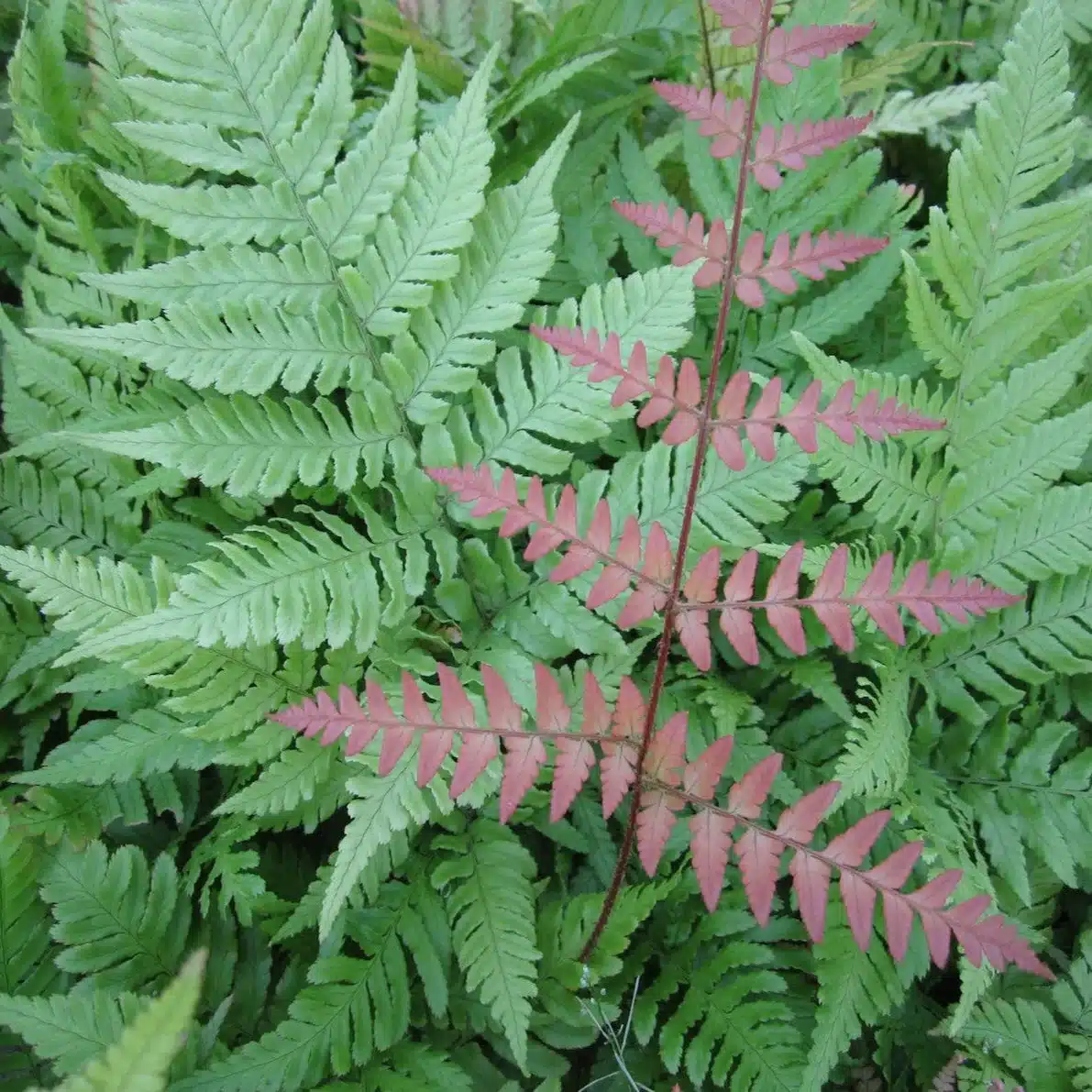
The collection is selected from strong, healthy fern varieties grown in the UK. Exact varieties will vary depending on seasonal availability, plant quality and what is looking best at the time of dispatch. You may receive a mix of classic green ferns, finely divided fronds, leathery evergreen foliage, coppery young growth or more architectural varieties, depending on the pack selected and the current nursery crop.
Ferns are grown mainly for foliage rather than flowers. Their beauty comes from the shape, colour and texture of the fronds, which can range from delicate and feathery to bold, glossy and upright. Many ferns provide a long season of interest from spring through autumn, while evergreen varieties can continue adding structure through winter.
For best results, plant ferns in moist, well-drained soil enriched with compost or leaf mould. They are ideal for partial shade to full shade, although some varieties will tolerate more light if the soil remains consistently moist. Avoid hot, dry, exposed areas, as ferns perform best where their roots can stay cool and the soil does not dry out for long periods.
🇬🇧 UK-grown aquatic plant: Grown at a dedicated aquatic plant nursery in the South of England and carefully prepared for delivery across the UK.
Key Benefits
- Hand-selected collection of UK grown ferns
- Ideal for shady pond edges and damp garden borders
- Adds soft woodland-style foliage and natural structure
- Provides cover for frogs, newts, toads, birds and insects
- Excellent for wildlife-friendly pondside planting
- Works well with Heucheras, Hellebores and shade-loving perennials
- Suitable for borders, containers and pondside planting schemes
- Low maintenance once established
- Useful for softening hard landscaping around ponds
- Varieties selected according to seasonal availability and plant quality
- Adds texture, movement and natural shelter around the garden
Reasons to Buy the Fern Collection
- The Fern Collection is ideal if you want to create a softer, more natural look around your pond without choosing individual fern varieties yourself. The pack is selected by growers from suitable varieties that are healthy, strong and looking good at the time of dispatch.
- Ferns are especially useful around ponds because they enjoy the cooler, moister conditions often found near water. Their foliage helps create a shaded, sheltered environment that supports frogs, newts, insects and other garden wildlife.
- This collection is also a great choice for difficult shady areas. Many gardens have spaces near walls, fences, trees or pond edges where sun-loving plants struggle. Ferns thrive in these conditions and bring shape, texture and interest without needing showy flowers.
- For a layered pondside border, combine ferns with Heucheras for colourful foliage, Hellebores for early flowers, and logs or stones to create extra shelter for amphibians and insects.
Wildlife tip
For an even better wildlife habitat, scatter a small amount of leaf litter beneath your ferns and add a few logs, stones or pieces of bark nearby. This helps attract insects and creates cool, damp hiding places that frogs, toads and newts love.
Avoid keeping the area too tidy. A natural layer of leaves and organic material can make the planting more useful for wildlife, provided it is not smothering the crowns of the plants.
Varieties you may receive
Your Fern Collection will be hand-selected by our growers according to the pot size chosen, seasonal availability and plant condition at the time of dispatch.
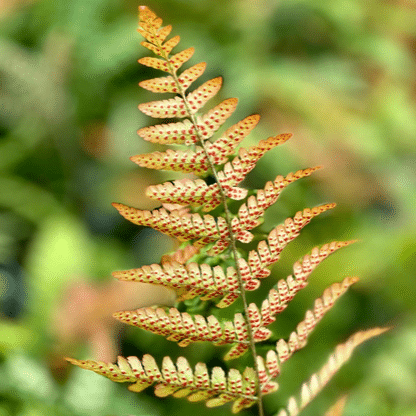
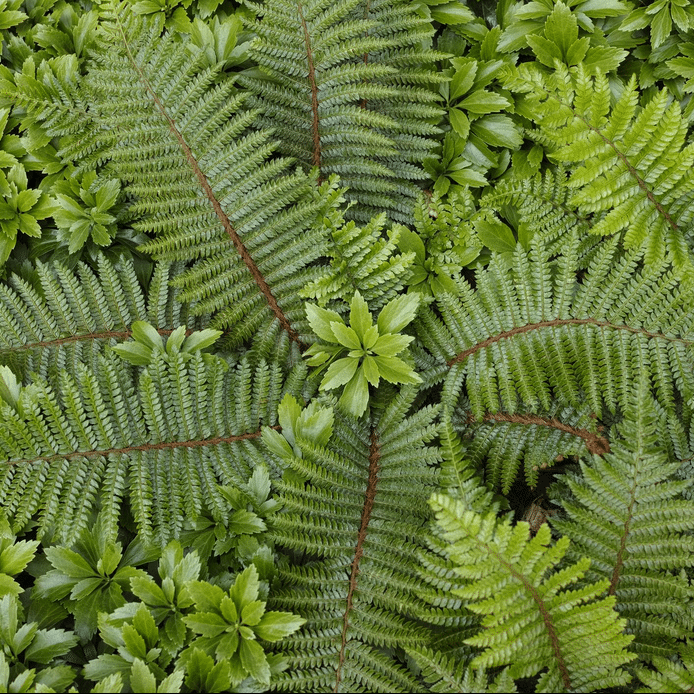
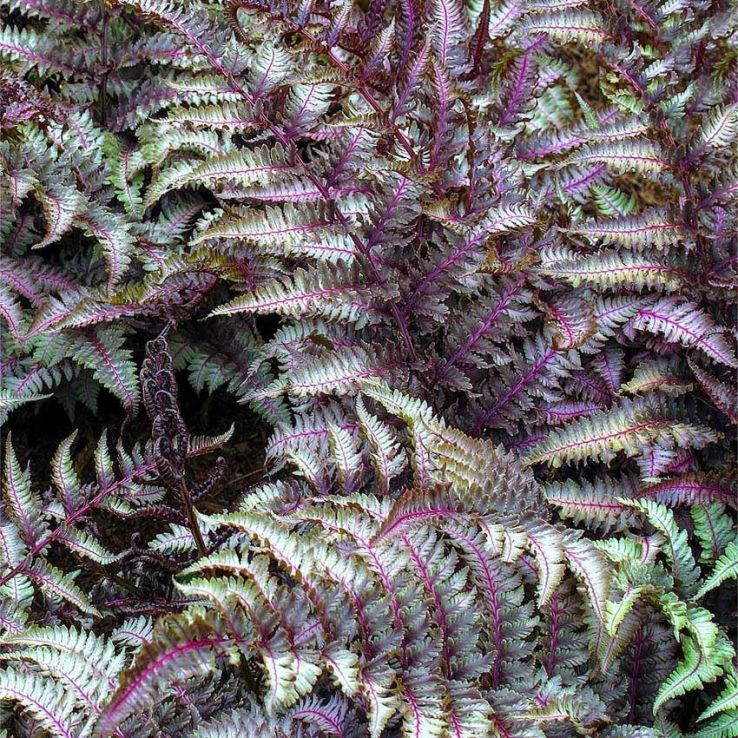
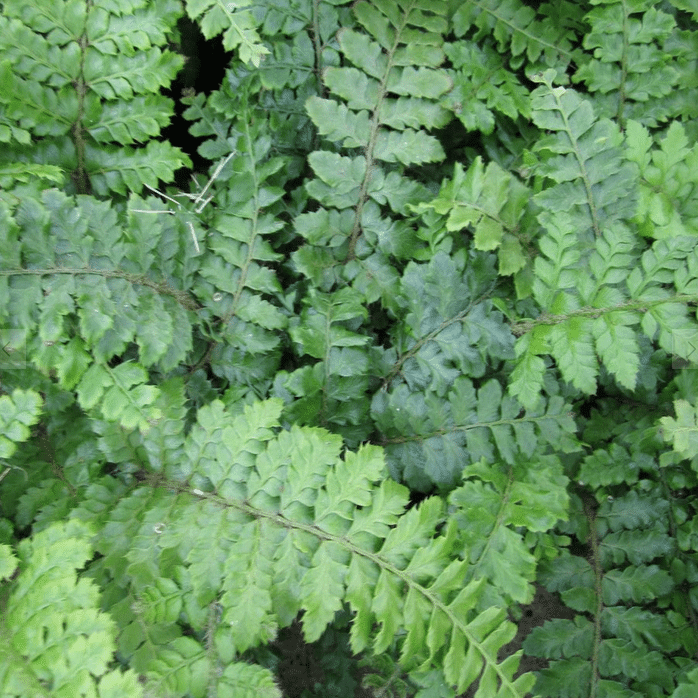
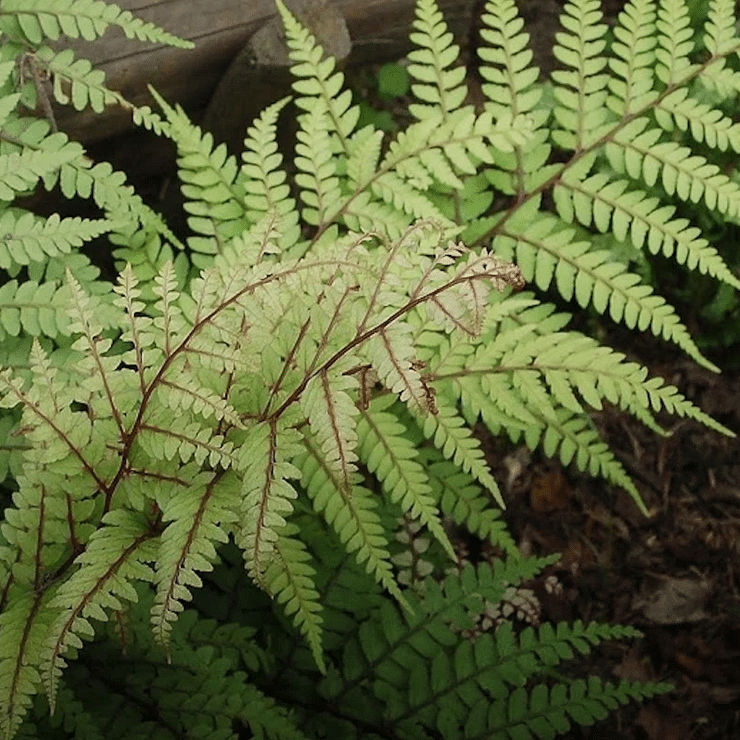
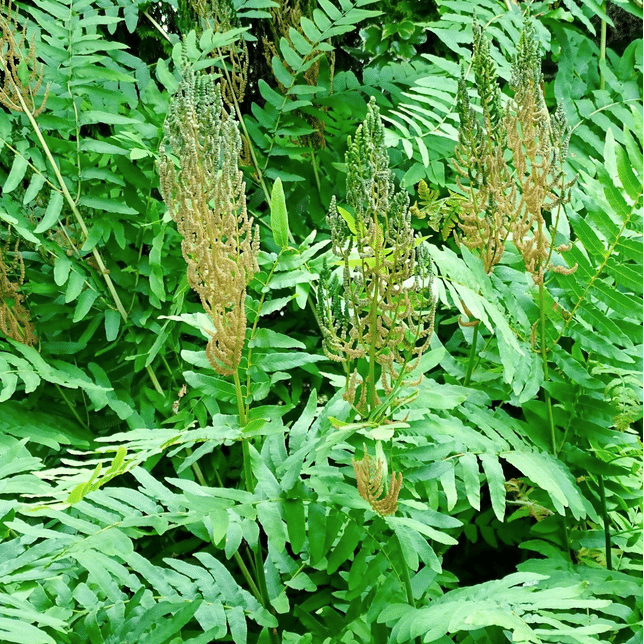
Possible varieties may include Maidenhair Ferns, Holly Ferns, Painted Lady Ferns, Deer Ferns, Male Ferns, Autumn Ferns, Shuttlecock Ferns, Hart’s Tongue Ferns, Common Polypody Ferns, Christmas Ferns, Soft Shield Ferns, Tassel Ferns, Korean Rock Ferns and other suitable fern varieties.
1 litre and 3 litre selections may vary throughout the season. Some varieties are more delicate and finely divided, while others are more upright, glossy, evergreen or architectural. Images are for illustration only and show examples of the type of fern varieties that may be included.
Care Instructions
- Plant ferns in moist, well-drained soil. They prefer soil that holds moisture without becoming permanently waterlogged. Before planting, improve the soil with compost, leaf mould or well-rotted organic matter to help retain moisture and improve structure.
- Position ferns in partial shade to full shade. Some varieties will tolerate more sun if the soil remains damp, but most ferns grow best away from hot, dry and exposed positions.
- Plant at ground level, making sure the crown sits at or just slightly above the soil surface. Avoid planting too deeply, as this can cause the crown to rot.
- Water thoroughly after planting and continue watering regularly during dry periods, especially throughout the first growing season. Once established, ferns are generally lower maintenance, but they will still benefit from watering during prolonged dry spells.
- Apply a mulch of leaf mould, compost or bark in early spring to help conserve moisture and suppress weeds. Keep mulch away from the crown of the plant.
- Remove old, damaged or tired fronds in early spring before fresh growth appears. For evergreen varieties, simply remove faded or untidy fronds as needed to keep the plant looking good.
- Slugs and snails may occasionally damage young fronds. In wildlife gardens, frogs, toads and newts can help naturally control these pests.
Flowering Period
Ferns do not produce flowers. They are non-flowering plants grown for their ornamental foliage, frond shape and natural texture.
Seasonal interest usually begins in spring as fresh new fronds unfurl. Many varieties look their best from spring through late summer, with some continuing to provide attractive foliage into autumn or winter.
Evergreen and semi-evergreen varieties can provide structure during colder months, while deciduous varieties naturally die back and return with fresh growth in spring.
Size, Spread and Growing Conditions
Plant height: Approximately 30 cm to 100 cm, depending on variety
Potential spread: Up to approximately 1 m, depending on variety and growing conditions
Plant type: Hardy garden fern collection
Growth habit: Clump-forming or spreading perennials with upright or arching fronds
Foliage: Feathery, leathery, glossy, divided or architectural green fronds, depending on variety
Flowering: Ferns do not flower
Position: Partial shade to full shade
Soil: Moist, well-drained soil enriched with organic matter
Hardiness: Hardy in most UK areas
Best suited for: Pondside borders, shady borders, woodland gardens, wildlife areas and containers
Wildlife value: Provides shelter for frogs, toads, newts, birds, beetles and insects
Suggested spacing:
- 1 litre plants: approximately 4 to 6 plants per square metre
- 3 litre plants: approximately 2 to 4 plants per square metre
Allow enough space between plants for air movement and future growth. Larger varieties may need more room as they mature.
Your Plants on Arrival
Your Fern Collection will arrive in sturdy nursery pots with a care card for guidance. The collection will be selected from suitable fern varieties according to the size option ordered and the best available stock at the time of packing.
Perennial pot measurements:
1 litre round pot:
- Height: 11.5 cm
- Base: 9.5 cm
- Top: 13 cm
3 litre round pot:
- Height: 15 cm
- Base: 14 cm
- Top: 18.5 cm
Plant sizes and foliage appearance will vary depending on variety and season. Some ferns may arrive with smaller fronds early in the season, while others may be fuller later in the year. This is normal for hardy garden plants.
Dispatching Your Plants
Your Fern Collection will be carefully selected, watered and packed to help protect the plants during delivery. As living plants, the size, shape, foliage colour and amount of visible growth will naturally vary throughout the season.
1 litre fern collections are normally available from January to May. 3 litre fern collections are normally available from March to July. Availability may vary depending on seasonal growing conditions and nursery stock.
Upon arrival, unpack your plants promptly and check that the compost is moist. If you cannot plant them straight away, keep them in a cool, shaded and sheltered position and water as needed.
Plant as soon as practical into prepared moist, well-drained soil. Water thoroughly after planting and keep the soil consistently moist while the plants establish.




Reviews
There are no reviews yet.