





Trapdoor Snail (Viviparus Viviparus)
| Size | Pack of 5 |
|---|---|
| Plant Type | Mollusc |
| Native to UK | Yes |
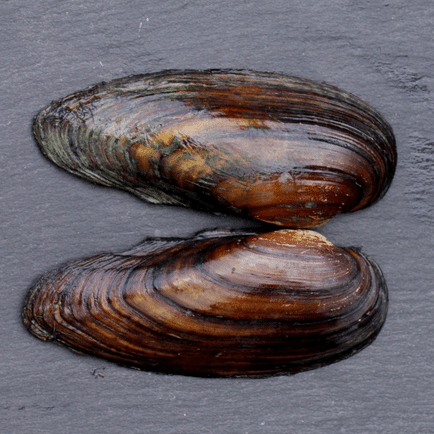
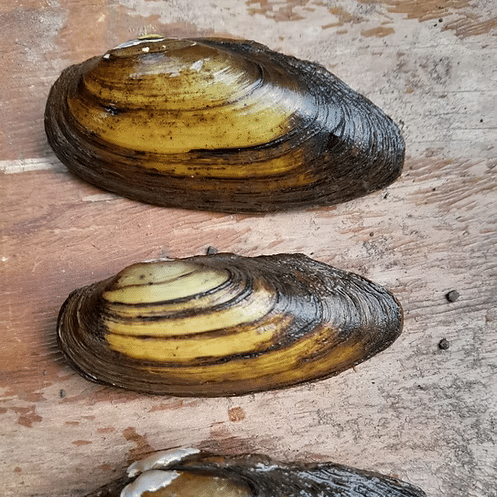
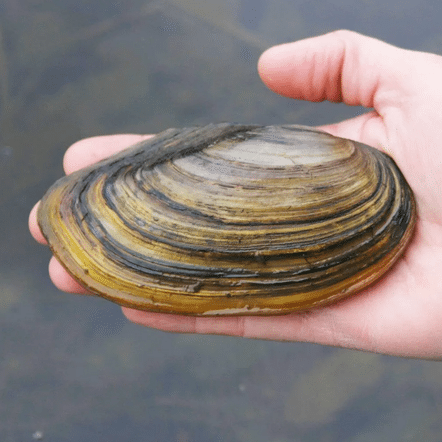
Trapdoor Snails, Viviparus viviparus, are hardy freshwater pond snails with rounded shells and a protective trapdoor. Ideal for established wildlife ponds and garden ponds, they graze soft algae, biofilm and organic debris while breeding more slowly than many common pond snails.
£14.00 (inc VAT)
Out of stock
Out of stock
Trapdoor Snail | Viviparus viviparus
A hardy freshwater pond snail with a rounded shell and protective trapdoor, ideal for grazing soft algae, biofilm and organic debris in established garden ponds.
Hardy pond snails for natural grazing, pond floor cleaning and balanced wildlife ponds
Trapdoor Snails, scientifically known as Viviparus viviparus, are hardy freshwater pond snails that make a useful natural addition to established garden ponds, wildlife ponds and ornamental ponds. They are valued for their steady grazing behaviour, peaceful nature and ability to feed on soft algae films, biofilm, decaying plant matter and small organic particles around the pond.
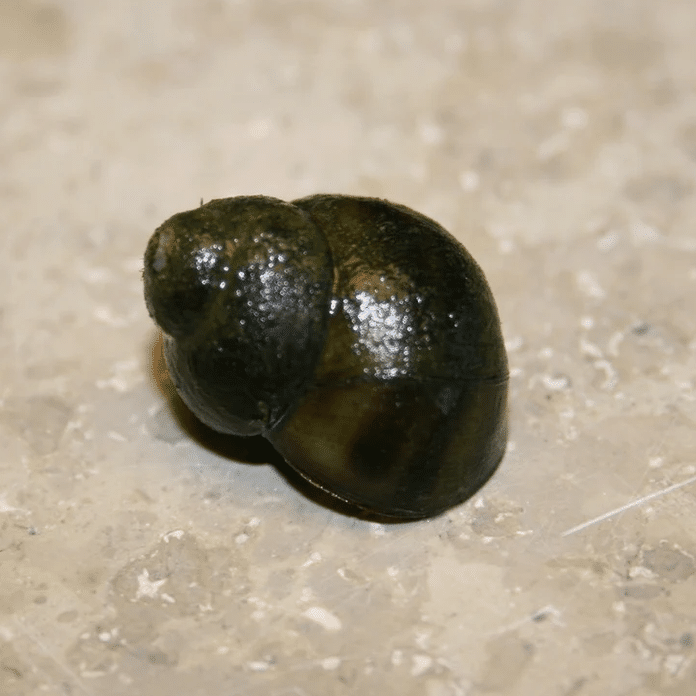
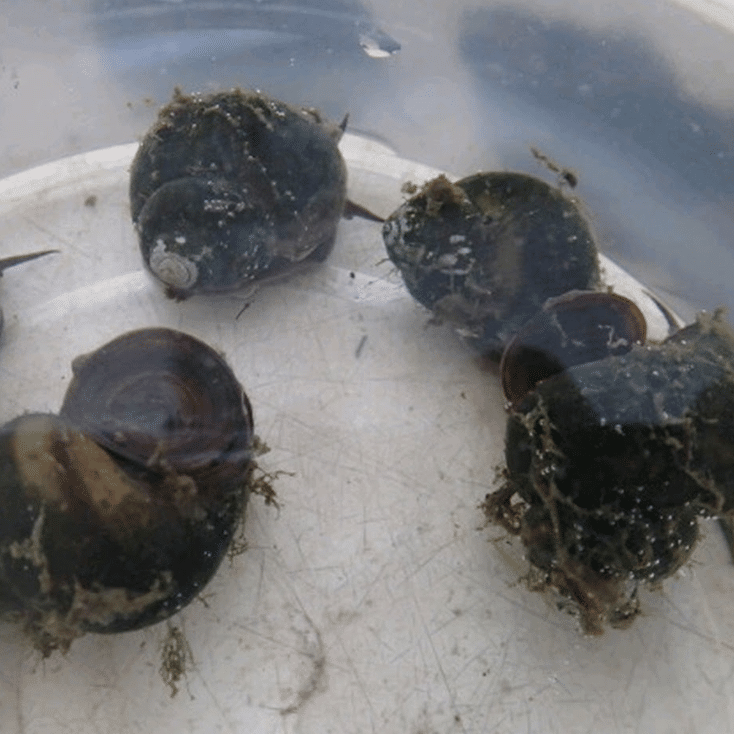
Unlike Ramshorn Snails, which have a flat spiral shell and often spend more time on pond plants, walls and surfaces, Trapdoor Snails have a more rounded, conical shell and are commonly found moving around the lower areas of the pond. They are often seen on the pond floor, around stones, on plant baskets, in shallow shelves and across natural substrate where they graze and scavenge as they move.
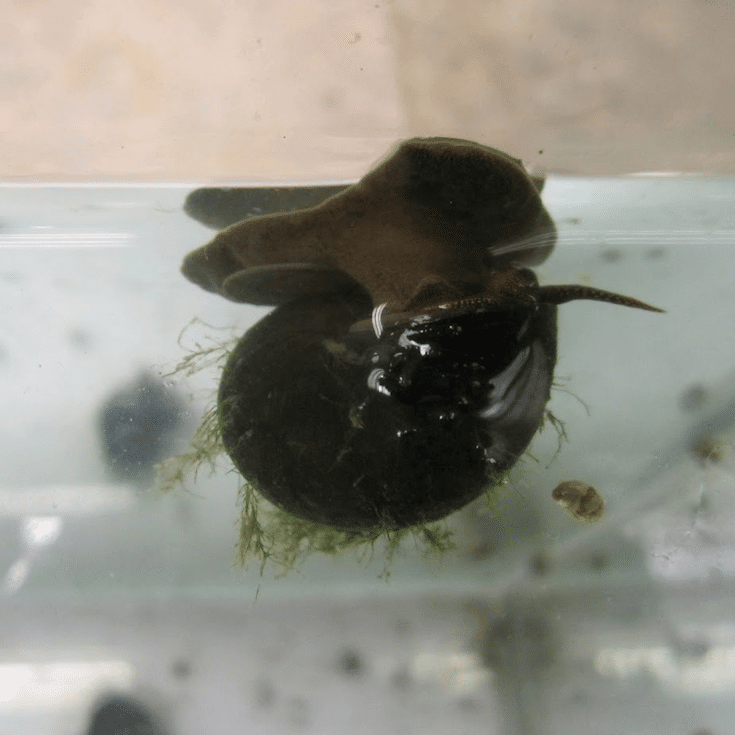
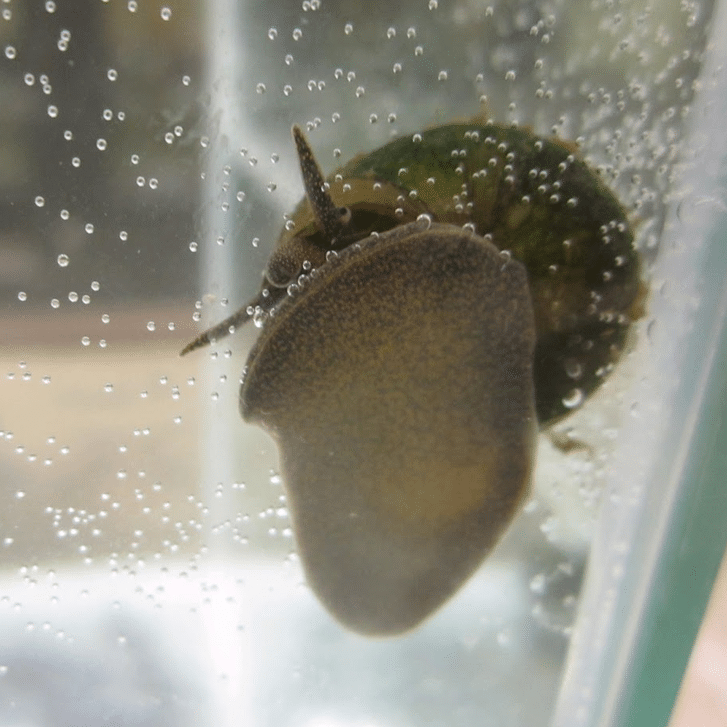
Their common name comes from the small operculum, often called a trapdoor, which closes across the shell opening when the snail withdraws inside. This helps protect the snail from drying, disturbance and some predators. It also makes them a robust choice for outdoor ponds when conditions are suitable.
Trapdoor Snails are a good choice for customers who want natural pond cleaners without adding a fast breeding snail that may quickly become too numerous. Viviparus viviparus is live bearing, meaning it gives birth to live young rather than laying large clusters of eggs. This makes population growth slower and usually easier to manage than many egg laying pond snails.
These snails should be added to established ponds rather than brand new ponds. A newly filled pond will often have very little natural algae, biofilm or organic debris available, which means the snails may struggle to find enough food. Once a pond has matured and natural growth has developed on the surfaces, Trapdoor Snails can settle more successfully and begin grazing.
Trapdoor Snails are helpful, but they should not be treated as a complete algae cure. They can graze soft algae films and help break down organic debris, but they will not solve heavy blanketweed, severe green water or poor water quality on their own. They work best as part of a balanced pond with suitable planting, stable water quality, sensible feeding and regular maintenance where needed.
Key benefits
- Hardy freshwater pond snail
- Feeds on soft algae, biofilm and organic debris
- Useful for established wildlife ponds and garden ponds
- Rounded shell with protective trapdoor
- Slower breeding than many egg laying pond snails
- Helps break down decaying plant matter
- Can graze around the pond floor, rocks, baskets and shallow shelves
- Peaceful and suitable for natural pond ecosystems
- Low maintenance once settled into the pond
- Good alternative to faster breeding Ramshorn Snails
- Supports a more balanced pond environment
- Suitable for outdoor UK ponds with stable conditions
Reasons to buy Trapdoor Snails
Trapdoor Snails are a great choice if you want a hardy, useful pond snail that does not usually multiply as quickly as Ramshorn Snails. Their slower breeding habit makes them easier to manage in many established ponds.
They are especially useful in wildlife and ornamental ponds where a natural clean up species is wanted. They graze on soft algae films, biofilm and decomposing organic matter, helping to recycle waste as part of the pond ecosystem.
Trapdoor Snails are also interesting to watch. Their rounded shells, slow movement and natural grazing behaviour make them a fascinating addition to a pond with clear shallow areas.
For the best results, introduce them into a mature pond with established algae and biofilm. They are not the right choice for a brand new pond with clean liner, new water and very little natural food.
Care instructions
Introduce Trapdoor Snails to an established pond with natural algae, biofilm and organic material available. Avoid adding them to new ponds, recently cleaned ponds or heavily treated ponds where natural food may be limited.
When your snails arrive, open the packaging carefully and allow them time to adjust. Place them gently into a shallow area of the pond, ideally near plants, stones, pond baskets or a natural pond edge.
Do not throw snails into deep water. Place them into shallow water and allow them to move away naturally.
Avoid using chemical algae treatments, fish medications or pond treatments unless they are clearly safe for pond snails and aquatic invertebrates. Many treatments can harm snails.
Trapdoor Snails prefer stable water quality and good oxygen levels. Avoid sudden changes in water conditions, large untreated tap water additions, poor water quality or very acidic water.
Do not overfeed fish. Excess fish food and waste can increase organic build up and may encourage snail populations to rise.
If you need to manage snail numbers, remove surplus snails by hand, reduce excess feeding and clear decaying leaves or plant matter from the pond.
Flowering period
Trapdoor Snails do not flower.
They are live freshwater pond animals rather than pond plants. They reproduce by giving birth to live young, rather than laying clusters of eggs like many other pond snails.
Breeding is usually slower than Ramshorn Snails and will depend on pond temperature, food availability and general conditions.
Size and pond conditions
Scientific name: Viviparus viviparus
Common name: Trapdoor Snail, Common River Snail
Product type: Live freshwater pond snail
Typical size: Usually around 2 cm to 4 cm, depending on age and supply size
Shell shape: Rounded, conical shell with a protective operculum
Shell colour: Usually olive, brown, greenish brown or banded, with natural variation
Temperament: Peaceful
Feeding type: Algae grazer and scavenger
Food source: Soft algae, biofilm, decaying plant matter, organic debris and uneaten food particles
Best pond type: Established garden ponds, wildlife ponds and ornamental ponds
Water movement: Still or slow moving pond areas preferred
Position in pond: Pond floor, stones, plant baskets, shallow shelves, pond edges and natural substrate
Suitable conditions: Stable, mature pond with natural algae and biofilm
Not suitable for: Brand new ponds, sterile ponds, recently treated ponds or ponds with poor water quality
How many Trapdoor Snails will I need?
A sensible starting guide is around 1 to 2 Trapdoor Snails per square metre of pond surface area for established ponds.
The right number will depend on pond size, natural algae levels, fish stocking, planting, filtration and how much biofilm or organic matter is available.
Start with a modest number and allow the snails to settle. Adding too many snails to a clean pond with limited food can lead to poor survival.
Trapdoor Snails breed more slowly than Ramshorn Snails, so they are often a better option if you are concerned about overpopulation.
Difference between Trapdoor Snails and Ramshorn Snails
Trapdoor Snails have rounded, conical shells and a small operculum that acts like a trapdoor. They often spend more time around the pond floor, substrate, stones and lower pond areas.
Ramshorn Snails have flatter spiral shells shaped like a ram’s horn. They are often seen on pond walls, plants and surfaces, grazing soft algae and biofilm.
Ramshorn Snails usually reproduce more quickly by laying egg clusters. Trapdoor Snails give birth to live young and normally breed more slowly, making them easier to manage in many ponds.
Both types can be useful, but Trapdoor Snails are often the better choice where slower breeding and pond floor scavenging are preferred.
Introducing your Trapdoor Snails
Unpack your snails promptly when they arrive.
Snails may be slow to move at first, especially after transit or during cooler weather. This is normal and does not always mean there is a problem.
Place them gently into a shallow, sheltered area of the pond. Choose a spot near pond plants, stones, plant baskets or natural substrate so they can settle and begin grazing.
Some snails may stay closed for a while after introduction. Give them time to adjust to the pond.
If a snail remains inactive for a long period and gives off a bad smell, remove it from the pond.
Dispatching your pond snails
Trapdoor Snails are live pond animals and are packed carefully to help protect them during transit. They may be sent in a small container or damp packing material to keep them moist during delivery.
On arrival, unpack them promptly and check them carefully. Do not leave live snails in the packaging for longer than necessary.
Introduce them to the pond as soon as practical, avoiding very hot, freezing or extreme weather conditions where possible.
Live snails may be less active in cooler conditions and can take time to start moving after delivery. Place them in a shallow, sheltered part of the pond and allow them time to adjust.
Do not allow snails to dry out. Keep them moist until they are introduced to the pond.









Reviews
There are no reviews yet.