





Ramshorn Snails (Planorbis corneus)
| Size | Pack of 5 |
|---|---|
| Plant Type | Mollusc |
| Native to UK | Yes |
Ramshorn Snails are useful freshwater pond snails with flat spiral shells, suitable for established garden ponds and wildlife ponds. They graze soft algae, biofilm and decaying plant matter from pond surfaces, helping support a more natural and balanced pond environment.
£9.99 (inc VAT)
Ramshorn Snails | Planorbis corneus
Natural freshwater pond snails with flat spiral shells, ideal for grazing soft algae, biofilm and decaying plant matter in established garden ponds and wildlife ponds.
Natural algae grazers for established ponds and wildlife friendly water gardens
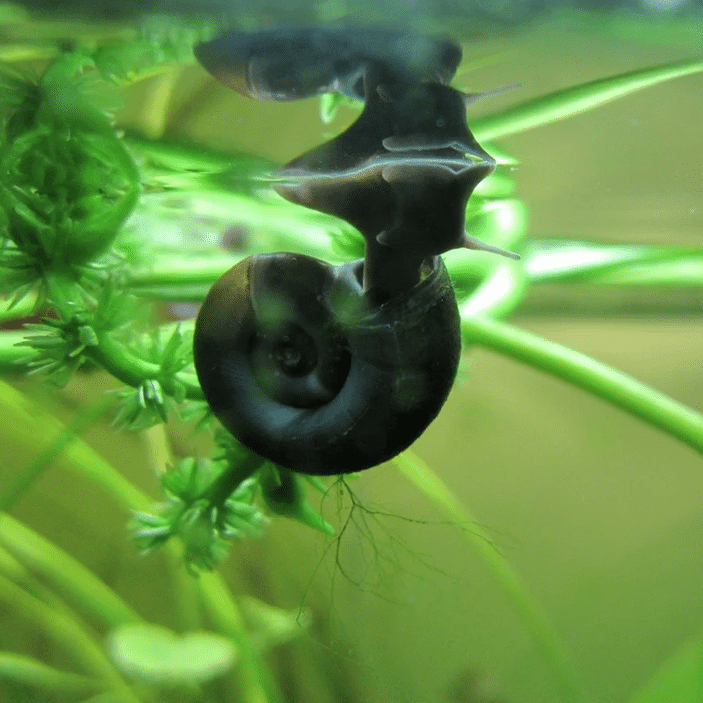
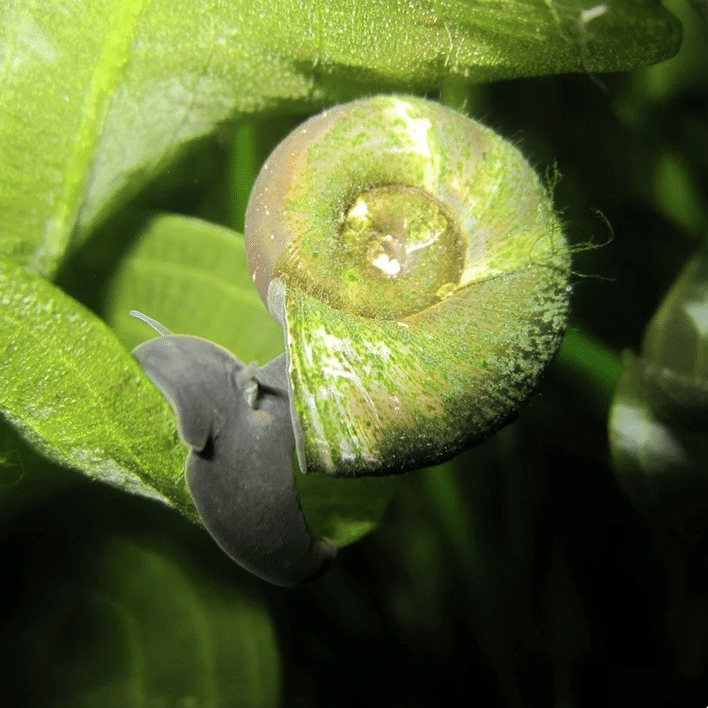
Ramshorn Snails, commonly sold as Planorbis corneus, are small freshwater pond snails with distinctive flat, spiral shells shaped like a ram’s horn. They are a popular choice for established garden ponds, wildlife ponds and planted water features where a natural, low maintenance grazing species is wanted.
These snails are mainly valued for their ability to graze soft algae, biofilm and decaying plant material from pond surfaces. They are often seen moving slowly across pond walls, liner edges, stones, aquatic plant stems, pots and the base of the pond, feeding as they go. This makes them a useful addition to a balanced pond ecosystem, especially where there is already natural surface growth for them to eat.
Ramshorn Snails should not be seen as a complete algae cure. They will not clear green water, heavy blanketweed or serious algae problems on their own. However, they can help graze soft algae films from surfaces and remove small amounts of decomposing organic matter. Used alongside pond plants, sensible fish feeding, good filtration where required and regular pond care, they can contribute to a healthier, more natural pond environment.
These snails are suitable for small to medium sized ponds, particularly established wildlife ponds and planted ponds. Their slow movement and natural grazing add interest, while their presence helps support the wider pond ecosystem. They may also provide a natural food source for some fish and pond wildlife, depending on the pond setup.
Ramshorn Snails can vary in colour from translucent brown through to darker brown or almost black, with colour influenced by age, diet and pond conditions. They usually grow to around 2.5 cm in size, although this can vary depending on the environment.
For stocking, a useful guide is around 5 snails per square metre of pond surface area. This is only a guide, as the right number will depend on the age of the pond, algae growth, fish stocking, available food and general pond conditions.
For best results, introduce Ramshorn Snails to an established pond rather than a brand new sterile pond. New ponds often have very little algae or biofilm, meaning there may not be enough natural food available straight away.
Key benefits
- Natural freshwater pond snails
- Graze soft algae from pond walls, stones and plant stems
- Feed on biofilm and decaying plant matter
- Suitable for small to medium garden ponds
- Useful for established wildlife ponds and planted ponds
- Help support a more natural pond ecosystem
- Add movement and interest to the pond
- Distinctive flat spiral ramshorn shaped shells
- Colour can vary from translucent brown to dark brown or black
- Low maintenance once settled into suitable pond conditions
- Chemical free addition to natural pond care
- Useful guide of around 5 snails per square metre
Reasons to buy Ramshorn Snails
Ramshorn Snails are a good choice if you want a natural way to help graze soft algae and organic debris from pond surfaces. They work quietly in the background, feeding on algae films, biofilm and decaying plant matter as part of the pond’s natural cycle.
They are especially useful for wildlife ponds and planted ponds, where the aim is to create a balanced, natural environment rather than a completely sterile pond. They complement oxygenating plants, marginal plants, waterlilies and other pond life by adding another layer to the ecosystem.
Ramshorn Snails are also a simple, low maintenance addition for customers who enjoy natural pond life. Once introduced carefully into suitable conditions, they will begin grazing and exploring the pond.
They are not a quick fix for poor water quality, green water or heavy algae, but they are a helpful natural pond grazer when used in the right way.
Care instructions
Introduce Ramshorn Snails into an established pond with natural algae, biofilm and pond planting. Avoid adding them to a brand new pond with completely clean surfaces, as there may not be enough natural food available.
When your snails arrive, open the packaging carefully and place them gently into a shallow area of the pond. Ideally, introduce them near plants, stones or the pond edge where they can settle and move away naturally.
Do not throw snails into deep open water. Place them gently at the edge or on a shallow shelf.
Avoid using pond treatments, fish medications or algae treatments unless they are clearly safe for snails and aquatic invertebrates. Many chemical treatments can be harmful to pond snails.
Maintain suitable water quality. Avoid introducing snails immediately after a major pond clean, chemical treatment or large water change.
Do not overfeed fish. Excess fish food and waste can encourage snail numbers to increase quickly. If numbers become too high, reduce excess feeding, remove surplus snails by hand and improve general pond maintenance.
Breeding and activity
Ramshorn Snails do not flower, as they are live pond animals rather than plants.
They may breed in suitable pond conditions, especially during warmer weather when food is available. Eggs are usually laid in small jelly like clusters on pond plants, stones, pots, liner or other underwater surfaces.
Snails may be less active in cooler weather and can take time to begin moving after delivery. This is normal. Place them in a shallow, sheltered area and allow them time to adjust.
Size, stocking and pond conditions
Common name: Ramshorn Snail, Great Ramshorn Snail
Scientific name: Planorbis corneus
Product type: Live freshwater pond snail
Typical size: Up to approximately 2.5 cm
Shell shape: Flat spiral ramshorn shaped shell
Colour: Translucent brown, brown, dark brown or sometimes almost black
Recommended stocking guide: Around 5 snails per square metre of pond surface area
Best pond type: Established wildlife ponds, planted ponds and small to medium garden ponds
Water movement: Best in still or slow moving pond areas
Position in pond: Pond edges, pond walls, plant stems, stones, pots and shallow areas
Food source: Soft algae films, biofilm, decaying plant matter and small organic particles
Best suited for: Established ponds with natural algae, pond plants, stable water and suitable shelter
Not suitable for: Brand new sterile ponds, recently treated ponds, heavily chlorinated water or ponds without natural grazing material
How many Ramshorn Snails will I need?
A useful stocking guide is around 5 Ramshorn Snails per square metre of pond surface area.
For example:
- 1 square metre pond area: approximately 5 snails
- 2 square metre pond area: approximately 10 snails
- 4 square metre pond area: approximately 20 snails
This is only a guide. A mature wildlife pond with plenty of algae and biofilm may support more snails, while a very clean or newly established pond may support fewer.
Start with a sensible number and allow the pond ecosystem to adjust naturally.
Introducing your Ramshorn Snails
Unpack your snails promptly when they arrive.
Add a small amount of pond water to the container and allow the snails time to adjust. They may be slow to move at first, especially after transit or during cooler weather.
Place them gently into a shallow area of the pond, preferably close to aquatic plants, stones or the pond edge.
Some snails may float temporarily when first introduced. This does not always mean they are dead. Give them time in a shallow area to settle.
If a snail does not move after a reasonable period and gives off a bad smell, remove it from the pond.
Dispatching your pond snails
Ramshorn Snails are living pond animals and are packed carefully to help keep them safe during transit.
On arrival, unpack them promptly and check them carefully. Do not leave them in the packaging longer than necessary.
Introduce them to the pond as soon as practical, avoiding very hot, freezing or extreme weather conditions where possible.
Live snails may be less active in cooler temperatures and can take time to begin moving. This is normal. Place them in a shallow, sheltered part of the pond and allow them to adjust.
Do not allow snails to dry out. Keep them moist until they are introduced to the pond.






Reviews
There are no reviews yet.