





Thin Bulrush (Typha lugdunensis)
| Size | 3 Ltr, 5 Ltr |
|---|---|
| Plant Type | Marginal |
| Sun / Shade | Full Sun to Part Shade |
| Flower Colour | Brown |
| Growth Rate | Fast |
| Native to UK | No |
| Plant group |
Thin Bulrush gives narrow green leaves and brown summer heads in a shallow pond margin. It has vigorous rhizomes, so use an accessible position and realistic containment rather than treating it as a miniature.
Price range: £26.50 through £45.00 (inc VAT)
Thin Bulrush (Typha lugdunensis)
Narrow foliage and brown bulrush heads for a roomy pond margin
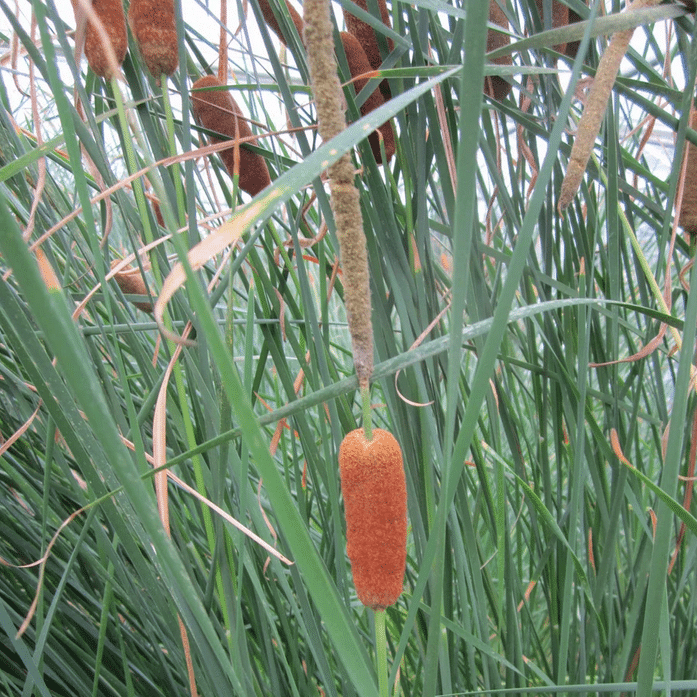
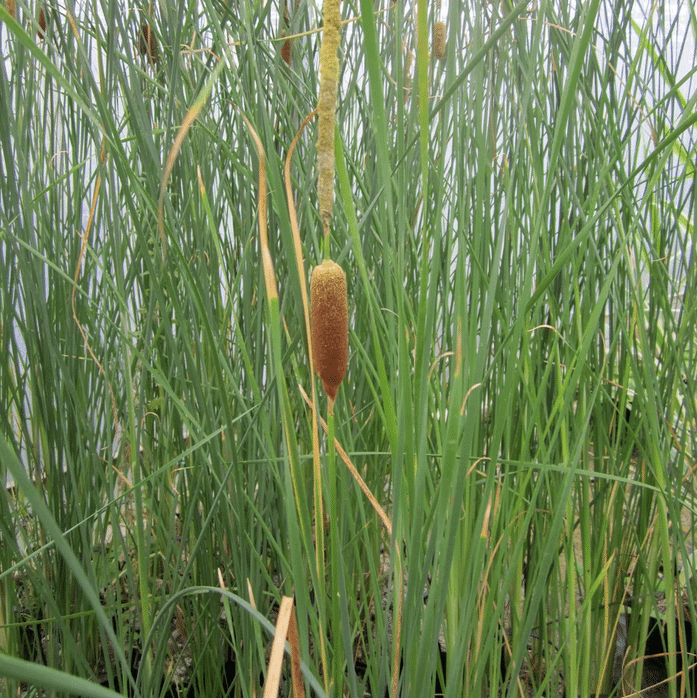
Thin Bulrush has the familiar cylindrical brown heads of a reedmace above finer, narrow foliage. Typha lugdunensis is the accepted name used by the RHS, with Typha gracilis Jord. listed as a synonym. It is a different plant from the very small Typha minima, so the word thin should not be read as a promise of miniature size.
The flower and seed heads give the pond edge a strong outline in late summer and can remain visible into winter. The leaves also change as the season ends, before the fresh growing season begins. Give the stems a place where they can be seen against open water rather than hidden among equally tall leaves.
For garden placement, UK specialist nursery guidance describes plants around 90cm tall with 10–20cm of water above the soil. Allow for variation with growing conditions and leave the root area accessible. Measure from the planted soil surface; adding the basket height gives the shelf depth required.
A sunny or partially shaded margin is suitable. The roots need wet soil or a shallow-water position, and the top growth stays above the water. An established plant should not be allowed to dry out while lifted for maintenance. A suitable basket makes lifting possible, but give the roots enough room for a healthy clump.
This is a spreading, rhizomatous marginal and needs a roomy setting or active containment. A UK nursery specifically describes it as vigorous, so it should not be advertised as a harmless smaller replacement for every common bulrush planting. Check new growth and rhizomes regularly, especially beside delicate plants or in a small pond.
Retain attractive heads while they suit the display, then clear old growth before it falls into the pond. Divide crowded plants when active growth resumes. This is not a British native according to the RHS record, and it needs room for its mature growth.
UK-grown plant. Grown at a dedicated aquatic plant nursery in the South of England.

What you receive
The current options are single 3-litre and 5-litre plants. Choose the container around the position you can manage, leaving space for the plant’s vigorous rhizomes rather than treating either basket as a permanent boundary.
Thin Bulrush is deciduous. A delivery can be leafy or have little visible top growth while resting. Its brown heads develop in season and may remain as part of the winter display, but neither basket size guarantees a plant will arrive carrying heads.
Is this right for your pond?
The fine leaves and brown heads can give a natural pond margin a light reedmace outline. This is nevertheless a vigorous spreading plant, so the available root space and ability to manage it are more important than the word thin in the name.
- A roomy margin: Use it where extending rhizomes can be inspected and reduced. It is not a low-maintenance filler to tuck unchecked among small, slow-growing marginals.
- Sun or partial shade: Choose enough light for the developing stems, keeping them clear of dense overhanging foliage. Its outline is easiest to see where the leaves have space around them.
- Shallow water: The specialist guidance is for a shallow aquatic position, not the deepest part of the pond. Basket height and the water above the planted soil must be considered separately.
- Container management: A substantial container can help organise its root area, but it still needs monitoring. Keep a safe route for lifting it before it becomes crowded or begins rafting beyond the intended planting.
Planting position and getting established
Use a suitable aquatic basket with appropriate planting medium and set it securely on a stable shelf. Keep the plant at its existing planted level rather than burying the crown beneath a new heavy cap. Leave open space around the leaves and a route to lift the container later.
Specialist UK nursery guidance gives around 10–20cm of water above the soil surface. Measure from the planted soil to the water, not from the basket base or pond floor. Follow the label with your actual plant when choosing its initial position and keep emerging foliage above the surface.
Check the shelf before placing the filled container: it must support the basket upright while leaving the intended water cover. The mature plant can spread vigorously, so do not position it behind inaccessible rockwork or let several spreading marginals share a space that cannot be divided and managed.
Looking after your plants
- Water level: Keep the root area wet and check the position after changes in pond level. The container should remain in the appropriate shallow margin rather than being left dry at the edge or moved to deep water to hide it.
- Rhizome checks: Inspect basket sides and new shoots appearing outside the planned area. Remove unwanted rooted growth before it becomes mixed through other marginals or forms a raft beyond the original container.
- Older heads and leaves: Retain sound old heads where they suit the seasonal display, or remove them when they need tidying. Clear collapsing material before it falls into the water and becomes difficult to retrieve.
- Reducing crowded growth: Lift and divide an established clump when the root area or overall spread no longer suits the space. Keep healthy rooted sections for replanting and maintain moisture while handling them.
- Reviewing suitability: If regular containment becomes impractical, choose a smaller-scale plant for that position. Thin leaves do not make the species a miniature: the rhizomes still need a realistic place in the pond plan.
Size and growing conditions
- Botanical name
- Typha lugdunensis
- Also known as
- Typha gracilis
- Plant type
- Vigorous rhizomatous marginal perennial
- Foliage
- Narrow upright green leaves
- Heads
- Brown reedmace heads in summer/late summer
- Height
- Around 90cm in UK specialist guidance; growth varies
- Spread
- Vigorous rhizomes; inspect and manage outward growth
- Light
- Sun or partial shade
- Water cover
- Around 10–20cm above the planted soil surface, subject to the supplied label
- Winter habit
- Deciduous; sound old heads may remain
- Container care
- Leave access for lifting and division
- Native status
- Not native to Britain or Ireland
- RHS information
- RHS plant profile: Typha lugdunensis
Delivery and basket information
We do not deliver live plants to Northern Ireland.
Orders received by 11am Monday to Wednesday are normally dispatched on the following working day using a next working day courier service. During busy periods, dispatch may occasionally take an extra day.
To avoid plants being held in depots over a weekend, we do not usually dispatch on Fridays. Highlands and Islands orders using a two day service are not normally dispatched on Thursdays.
Please read our delivery information for delivery arrangements and contact us if you need to check the timing of a particular order.
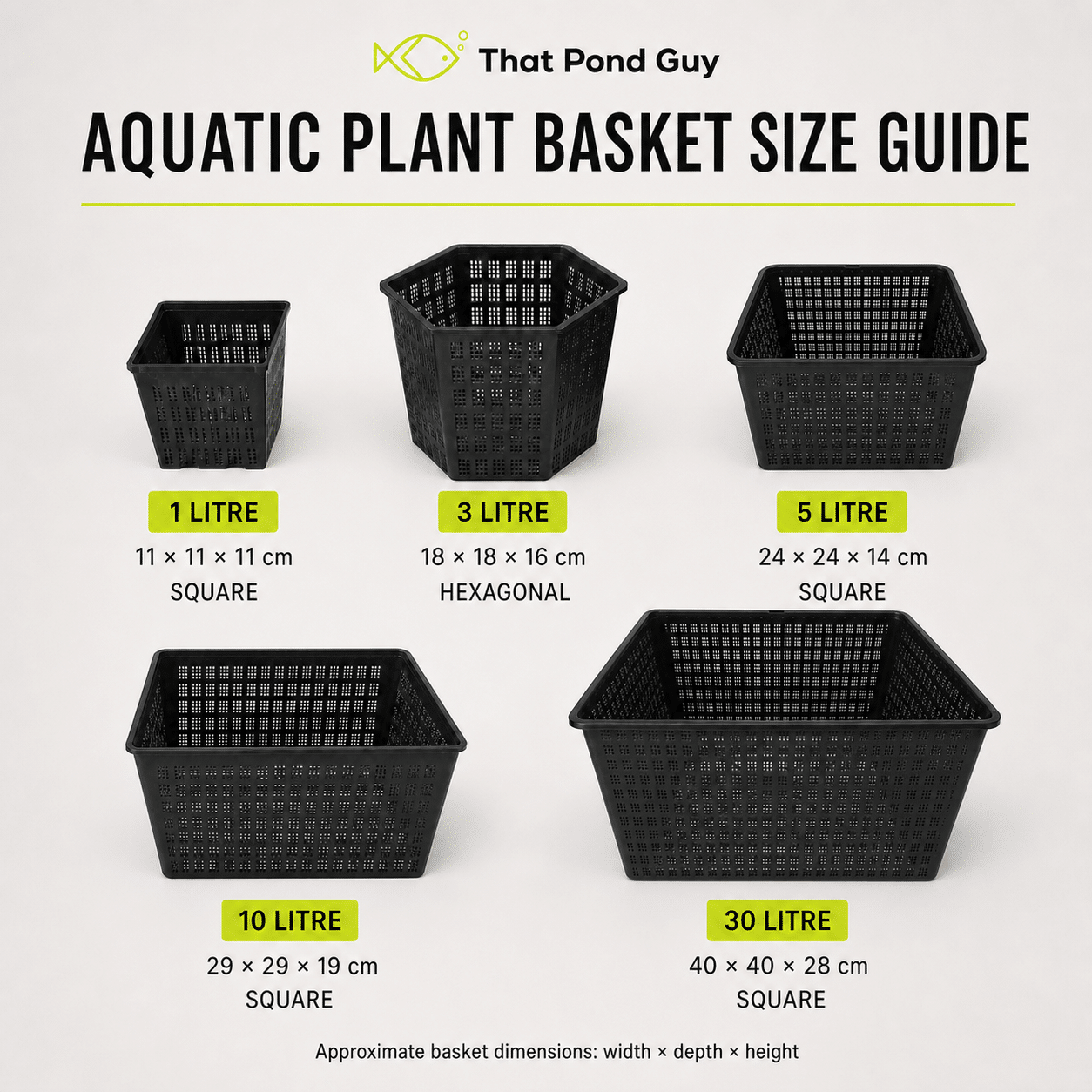
Finofil baskets are made from 100% recycled polypropylene co-polymer. They are not suitable for ordinary kerbside recycling; reuse them where possible and check local specialist recycling options. Their fine mesh helps retain aquatic soil while allowing water to reach the roots.
Basket measurements for the offered sizes:
- 3 Litre Hexagonal Basket – 18 × 18 × 16cm
- 5 Litre Square Basket – 24 × 24 × 14cm
Other plants to compare
Miniature Bulrush — Miniature Bulrush is the smaller clumping Typha choice to compare for a limited planting. It has its own shallower water-cover guidance and still needs routine checks for crowding.
Pickerel Weed — Pickerel Weed gives broader leaves and blue late-season spikes rather than fine blades and brown heads. It offers a different appearance for a sunny shallow margin with growing room.







Reviews
There are no reviews yet.