





Pennyroyal (Mentha pulegium)
| Size | 1 Ltr, 1 Ltr – Pack of 3, 9cm – Pack of 3 |
|---|---|
| Plant Type | Marginal |
| Sun / Shade | Full Sun to Part Shade |
| Flower Colour | Purple |
| Growth Rate | Medium |
| Native to UK | Yes |
| Plant group |
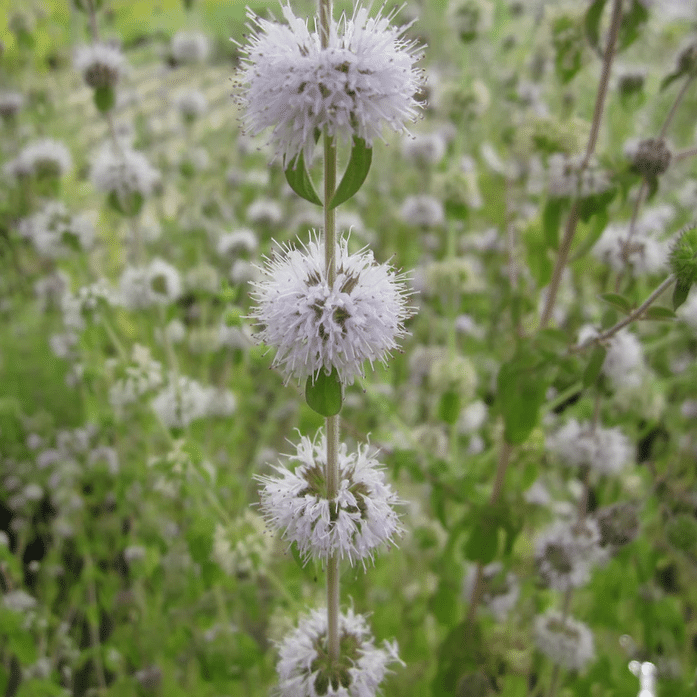
Pennyroyal forms an aromatic ornamental patch in moist ground, with small lilac summer flowers. It is harmful if eaten and must not be used as a culinary mint. Keep its spreading stems accessible for trimming.
Price range: £14.00 through £34.50 (inc VAT)
Pennyroyal (Mentha pulegium)
A low, aromatic ornamental mint for moist pondside ground
Pennyroyal is a low-growing mint with small leaves and lilac flowers arranged around its stems. It can soften a damp edge where taller marginals would look out of scale. The combination of creeping and upright growth gives it a looser outline than a neatly clipped groundcover, which can suit a natural pondside planting.
The leaves have a strong mint scent, but that does not make this a kitchen herb. Pennyroyal is harmful if eaten and is grown here as an ornamental plant. Wear gloves when handling it, and choose its position with that distinction in mind if edible herbs are grown elsewhere in the garden.
Small lilac flowers appear in whorls during summer, bringing a different shape from the larger trumpets of monkeyflowers or the tall spikes of loosestrife. Their scale is best appreciated near a path or a visible section of pond edge. Flowering and the amount of foliage depend on the growing season.
Moist ground is the starting requirement. Sun or partial shade can work, provided the plant is not left to dry out in a small pocket of soil. It can be used to link a damp border with other pondside planting, without assuming that every mint requires a permanently submerged crown.
Spreading stems can travel beyond the first clump. Leave room to inspect the planting and cut back or divide when it moves into space needed by another plant. Its low habit is useful around larger leaves, but it should not be allowed to cover small crowns or become tangled through neighbouring baskets.
The species is native to Britain and is a hardy perennial, with seasonal growth and a changing outline through the year. Keep the plant for its particular flower form, fragrance and damp-ground habit. Its common name, wildlife associations and native status do not replace the need to choose the right position and manage its spread.
UK-grown plant. Grown at a dedicated aquatic plant nursery in the South of England.

What you receive
Choose a single 1-litre plant, a pack of three 1-litre plants or a pack of three 9cm pots. These are ornamental plants for the pondside planting scheme. Pennyroyal is not an edible mint, despite its scent and familiar mint-like leaves.
Its creeping and upright stems develop through the growing season, with small lilac flowers in summer. A delivery may be before flowering or have little top growth when dormant. Keep its label with the planting so it remains clearly identified if other garden mints or herbs are grown nearby.
Is this right for your pond?
Pennyroyal is useful for a low, aromatic patch in moist ground, but the safety distinction is essential: choose it as an ornamental plant, not for cooking, tea or harvesting.
- A moist edge: It grows in moist soil in sun or partial shade. A small, dry container above the pond is harder to keep suitable than a moisture-retentive bed with space for the stems to spread.
- Room to creep: Allow for stems extending across the soil and into surrounding planting. Keep it separate from delicate low neighbours and leave the edge of the patch easy to inspect.
- Ornamental use only: It is harmful if eaten. Keep it clearly identified and do not use its mint scent as a reason to add leaves or flowers to food or drinks.
- A low summer layer: Small lilac flowers appear in whorls around the stems. It is a different effect from a tall flower spike, so choose a place where the low growth can be seen rather than hidden behind larger plants.
Planting position and getting established
Plant into moist soil at the level of the existing rootball and water the surrounding ground after firming. Give it a defined space where creeping stems will be easy to trim or lift. The growing position should remain accessible so that the edge of the patch can be managed before it becomes entangled with other plants.
Moist soil is sufficient. If you use an aquatic basket at the edge, follow the label supplied with the plant for any permitted shallow water cover and keep the foliage above the surface. Do not assume that a mint offered in a pond range should be put into a permanently deep position.
Keep the identification label with the plant, especially in a garden that also contains culinary herbs. Wear gloves when planting and handling it. If a 9cm nursery plant is intended for pond use, use a suitable aquatic basket; when planting in the border, prepare an appropriate moist soil position instead.
Looking after your plants
- Moisture: Water a recently planted rootball as needed while roots establish. Check small containers and exposed edges during dry weather so the plant is not repeatedly left dry between waterings.
- After flowering: Cut back after flowering to keep the patch within its allotted space. Remove the cut material from the planting area rather than leaving long stems where they can hide new growth or obstruct access.
- Controlling the edge: Inspect spreading stems and reduce those moving into neighbouring plants. A defined border or accessible container helps with management, but the growth still needs checking during the season.
- Division: Divide established growth in spring or autumn when the patch needs reducing. Keep healthy rooted pieces for the ornamental planting and maintain moisture after replanting.
- Handling and identification: Wear gloves when working with Pennyroyal and keep the label in place. Do not taste the leaves or use the trimmings as kitchen mint; its scent does not change the harmful-if-eaten warning.
Size and growing conditions
- Botanical name
- Mentha pulegium
- Plant type
- Creeping herbaceous perennial
- Leaves
- Small aromatic mint-like leaves
- Flowers
- Tiny lilac flowers in summer whorls
- Growth
- A mixture of spreading and upright stems
- Height
- Generally within about 10–50cm
- Spread
- Allow around 10–50cm initially, with spreading stems to manage
- Light
- Sun or partial shade
- Soil
- Moist soil
- Winter habit
- Deciduous; seasonal top growth dies back
- Division
- Spring or autumn when necessary
- Native status
- Native to Britain and Ireland
- Safety
- Harmful if eaten; ornamental use only. Wear gloves when handling.
- RHS information
- RHS plant profile: Mentha pulegium
Delivery and basket information
We do not deliver live plants to Northern Ireland.
Orders received by 11am Monday to Wednesday are normally dispatched on the following working day using a next working day courier service. During busy periods, dispatch may occasionally take an extra day.
To avoid plants being held in depots over a weekend, we do not usually dispatch on Fridays. Highlands and Islands orders using a two day service are not normally dispatched on Thursdays.
Please read our delivery information for delivery arrangements and contact us if you need to check the timing of a particular order.
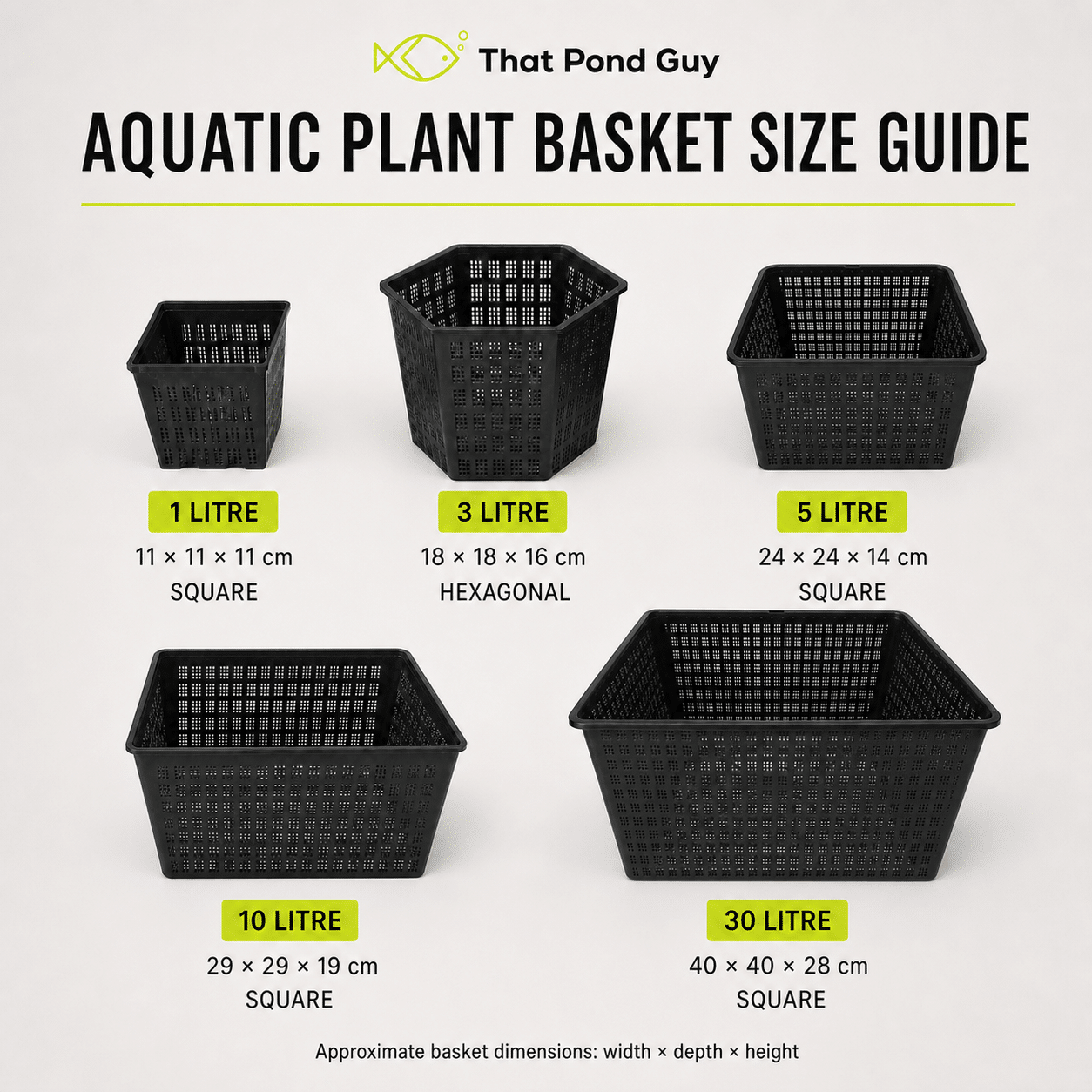
The 9cm option arrives in nursery pots. For pond planting, pot these plants into suitable aquatic baskets with aquatic planting soil before positioning them at the depth shown on their labels.
Finofil baskets are made from 100% recycled polypropylene co-polymer. They are not suitable for ordinary kerbside recycling; reuse them where possible and check local specialist recycling options. Their fine mesh helps retain aquatic soil while allowing water to reach the roots.
Basket measurements for the offered sizes:
- 1 Litre Basket – usually 11 × 11 × 11cm square; some varieties may be supplied in a 14cm diameter × 10cm round basket
Other plants to compare
Water Mint — Water Mint makes a taller, more upright wet-margin planting with broader aromatic leaves and rounded pink-purple flower heads. Compare its mature spread and water requirements rather than choosing by scent alone.
Marsh Woundwort — Marsh Woundwort provides taller pink-purple flower spikes and hairy foliage in moist ground. It offers a different shape for the back of a native pondside scheme and also needs room for spreading roots.



Reviews
There are no reviews yet.