








Society Garlic (Tulbaghia violacea)
| Size | 1 Ltr, 1 Ltr – Pack of 3, 9cm – Pack of 3 |
|---|---|
| Plant Type | Marginal |
| Sun / Shade | Full Sun to Part Shade |
| Flower Colour | Purple |
| Growth Rate | Slow |
| Native to UK | No |
Society Garlic has narrow grey-green leaves and lilac later-season flowers. Use sunny, sheltered, well-drained soil beside the pond, with planned winter mulch or greenhouse protection where needed.
Price range: £14.00 through £34.50 (inc VAT)
Society Garlic (Tulbaghia violacea)
Lilac flower clusters for a sunny, well-drained border beside the pond
Society Garlic is a pondside perennial for the dry side of the water’s edge. Tulbaghia violacea forms a clump of narrow grey-green leaves, with lilac to pale-purple flowers gathered at the top of slender stems. The display arrives later than many spring-flowering pond plants, adding another season of interest beside a patio or garden pond.
Despite appearing in a pond plant range, it needs well-drained soil. Do not lower its pot or basket into the pond, or put it in the constantly waterlogged position that suits a true water iris. A sunny raised border or a container with drainage is a better way to grow it near the water.
Choose a sheltered position in full sun and moderately fertile soil. Its compact clump can sit near paving without the bulk of a tall rush, provided the roots have room and excess rain can drain away. Keep a newly planted specimen watered as it establishes, then avoid leaving its container standing in a water-filled saucer.
The flower heads stand above the leaves from late summer into early autumn in the RHS profile, with timing influenced by conditions. Both its botanical name and common name can suggest culinary garlic, but we sell it as an ornamental plant. Brushing or crushing the foliage releases the characteristic garlic-like scent.
Winter protection is the main practical consideration in Britain. The RHS rates Tulbaghia violacea H3, so an exposed cold garden is different from a sheltered mild site. A dry winter mulch is useful where appropriate, and a container can be moved to an unheated greenhouse in areas where outdoor conditions are too severe.
Allow for a plant around 50cm tall rather than expecting a large waterside screen. Tidy damaged foliage and divide an established clump in spring when necessary. If combining it with moisture-loving marginals, keep their root positions separate: the plants can be seen together without sharing the same wet planting hole.
UK-grown plant. Grown at a dedicated aquatic plant nursery in the South of England.

What you receive
Choose a single 1-litre plant, a pack of three 1-litre plants or a pack of three 9cm pots. These are for a drained garden planting or a container with drainage beside the pond. They are not supplied as a reason to put Society Garlic under pond water.
The amount of foliage and flowering changes with season and temperature. A plant may arrive before its later flowers develop or with little active growth in cold weather. Plan suitable winter shelter before planting an exposed container where it cannot easily be moved.
Is this right for your pondside border?
Society Garlic belongs on the drained side of the pond edge. Its lilac flower heads and narrow leaves can be enjoyed near the water while the roots have quite different conditions from a true aquatic marginal.
- Drainage first: Use moderately fertile, well-drained soil or a suitable drained pot. Avoid a constantly waterlogged planting hole, a submerged basket or a container left standing in a full saucer.
- Sun and shelter: Choose full sun in a sheltered position. A warm border or patio-side container can be a better match than an open, cold bank exposed to winter weather.
- Later flower interest: Lilac to pale-purple flowers stand above grey-green leaves in late summer and early autumn. They provide another season of interest after many spring pondside flowers have finished.
- Winter provision: Outside the mildest areas, plan a deep dry winter mulch or move a container into an unheated greenhouse. Think about access and lifting before choosing the final pot and position.
Planting in drained soil beside the pond
Prepare moderately fertile soil that drains well and set the rootball at its existing level. Firm gently and water after planting, then maintain enough moisture for establishment without leaving the roots permanently waterlogged. Keep its crown above standing pond water.
For a container, choose adequate drainage and an appropriate garden growing medium. Place it where rain and irrigation can drain away, and do not sit it in pond water. A decorative position beside a water feature can provide the desired look without asking this plant to share the saturated root environment of a rush or water iris.
Consider winter handling while the pot is still empty and manageable. If your site needs greenhouse protection, leave a practical way to move the container before cold conditions arrive. Give the narrow leaves and flower stems room around neighbouring plants so that the later-season display remains visible.
Looking after your plants
- Watering a new plant: Water while roots establish and check containers in dry weather. Let excess water drain away; frequent watering should not become permanent standing water around the roots.
- Maintaining the position: Keep the plant in sun and shelter. Trim or move neighbouring growth if it shades the leaves and stems, and check that a pot’s drainage has not become blocked.
- Simple tidying: Remove dead or damaged material when needed rather than cutting sound foliage down automatically. No regular hard pruning is required to maintain the plant’s natural clump.
- Winter protection: Protect outside the mildest areas with a deep dry mulch, or bring a container into an unheated greenhouse. Arrange that protection before prolonged cold, keeping the root position drained rather than wet and sealed under heavy material.
- Spring division: Divide established clumps in spring if they are crowded or need reducing. Replant healthy sections into the correct drained soil and water them while they establish.
Size and growing conditions
- Botanical name
- Tulbaghia violacea
- Plant type
- Clump-forming pondside garden perennial
- Foliage
- Narrow grey-green leaves with a garlic-like scent
- Flowers
- Lilac to pale-purple umbels on slender stems
- Main season
- Late summer to early autumn
- Height
- Up to about 50cm
- Light
- Full sun in shelter
- Soil
- Moderately fertile, well-drained loamy soil
- Water position
- Above the waterline; do not submerge
- Winter care
- Dry mulch or unheated-greenhouse container protection outside the mildest areas
- Division
- Spring if required
- Native status
- South African species; not native to Britain
- RHS information
- RHS plant profile: Tulbaghia violacea
Delivery and basket information
We do not deliver live plants to Northern Ireland.
Orders received by 11am Monday to Wednesday are normally dispatched on the following working day using a next working day courier service. During busy periods, dispatch may occasionally take an extra day.
To avoid plants being held in depots over a weekend, we do not usually dispatch on Fridays. Highlands and Islands orders using a two day service are not normally dispatched on Thursdays.
Please read our delivery information for delivery arrangements and contact us if you need to check the timing of a particular order.
Finofil baskets are made from 100% recycled polypropylene co-polymer. They are not suitable for ordinary kerbside recycling; reuse them where possible and check local specialist recycling options. Their fine mesh helps retain aquatic soil while allowing water to reach the roots.
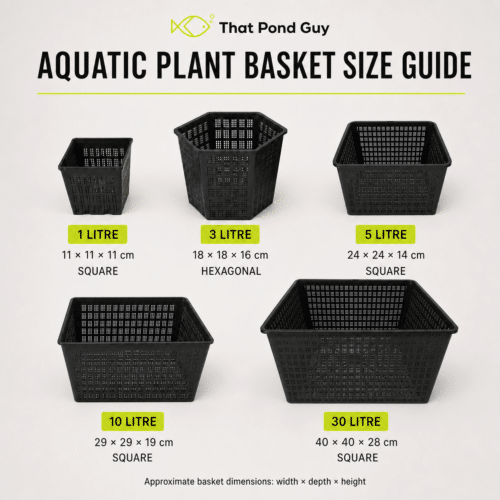
Basket measurements for the offered sizes:
- 1 Litre Basket – usually 11 × 11 × 11cm square; some varieties may be supplied in a 14cm diameter × 10cm round basket
Other plants to compare
Variegated Society Garlic — Variegated Society Garlic gives striped leaves rather than plain grey-green foliage. Compare it for a lighter leaf effect while retaining the same need for drainage and appropriate winter shelter.
Siberian Flag — Siberian Flag gives a taller early-summer iris display in moist, drained soil. It is another border-side choice, with a different flower season and a hardier winter profile.





Reviews
There are no reviews yet.