






Pond Hose Cross Connector — 1/2 Inch
| Fitting shape | Four-way cross |
|---|---|
| Nominal hose size | 1/2 inch |
| Quantity | One connector |
One half-inch pond hose cross for a compatible four-branch hose route. Check the hose bore and support each branch. Hose, clips and flow-control valves are separate.
£7.78 (inc VAT)
1/2 Inch Pond Hose Cross Connector
A hose cross provides four connection points in one compact fitting. This half-inch option is intended for a compatible hose arrangement that needs four branches meeting at the same point. It can be useful when planning a distribution or collection route where a straight joiner or a three-way tee does not provide the required layout.
This product supplies one 1/2 inch hose cross. The four-way shape is the important difference from an equal tee, and the size applies to the nominal hose connection. Hose, clips, valves and supporting equipment are separate. A cross connects the branches; it does not include a tap on each outlet or provide independent control of all four routes.
Specification at a glance
| Fitting type | Hose cross / four-way connector |
|---|---|
| Nominal hose size | 1/2 inch |
| Approximate inch-to-metric comparison | 12.7mm nominal bore |
| Supplied quantity | One connector |
| Flow-control valves | Separate items |
Check the internal diameter and construction of your hose before ordering. A nominal half-inch hose and a metric tube described by its outside diameter are not necessarily the same fit. Similarly, this hose cross is not a half-inch BSP threaded fitting or a solvent-weld cross for rigid pipe.
Plan the four branches
Sketch the intended water route and identify how each branch will be used. The four-way connection does not automatically divide the water equally. Hose lengths, changes in height, restrictions and the equipment connected to each branch influence where the water travels.
Where individual branches need adjustment, use suitable separate control valves and keep them accessible. Check the pump’s instructions before closing or restricting outlets. Do not assume that a cross can replace a manufacturer’s dedicated distribution assembly or a water-feature connector with a different internal arrangement.
Choose hose around the equipment requirements
The half-inch connection is a size choice, not a pond-capacity rating. Check that this bore is suitable for the pump, feature or other equipment being connected. A compact fitting can make a layout easier to route, but reducing a system’s hose size can affect the delivered flow.
Consider the rest of the installation at the same time. A long run, several bends or a higher outlet can change performance even when the connector size is correct. If the intended equipment requires a larger water route, choose the suitable larger arrangement rather than adapting it down solely to use this cross.
Preparing the hose ends
Isolate the equipment and drain the affected section before opening the route. Inspect each hose end for cracks, hardening or damage left by an older fitting. Use sound hose and keep loose dirt out of the open ends while you assemble the branches.
Make sure each hose has enough free length to seat properly without forcing the cross sideways. A clean, square cut is easier to fit than a torn or uneven end. Where clips are required, put them over the hoses before seating the ends if the surrounding arrangement would prevent you adding them afterwards.
Assemble and support the joint
Fit each compatible hose to its correct position and secure it using the retaining method required for that hose and installation. Choose clips around the outside diameter of the assembled joint, including the hose wall thickness. Avoid overtightening a band so that it cuts the hose or distorts the fitting.
Support the four hose runs independently. The cross should not be used as a support for a heavy pump, a hanging feature or long unsupported hoses. Leave room to reach the connections during maintenance and avoid routing a hose into a sharp bend immediately beside the fitting.
Check the completed arrangement
Restart the equipment according to its instructions and examine every connection. Confirm that the hoses remain properly seated and that the intended branches receive an appropriate flow. If a hose moves, a joint leaks or a branch receives little water, isolate the equipment before adjusting the arrangement.
Check that the route cannot accidentally divert water outside the pond or reservoir. A connection problem on a pumped branch can lower the water level, so inspect a new installation before leaving it unattended. Keep the equipment’s normal operating and water-level requirements in mind as you test.
Alternatives and useful accessories
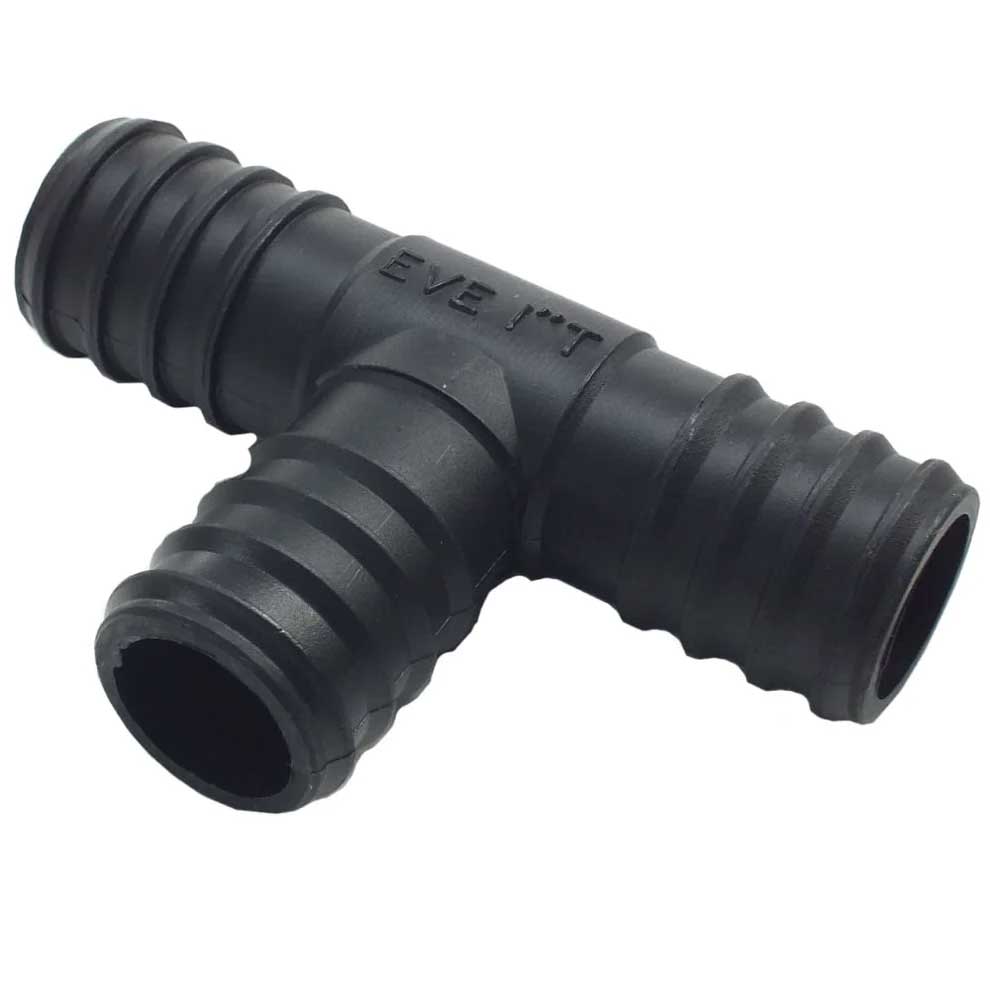
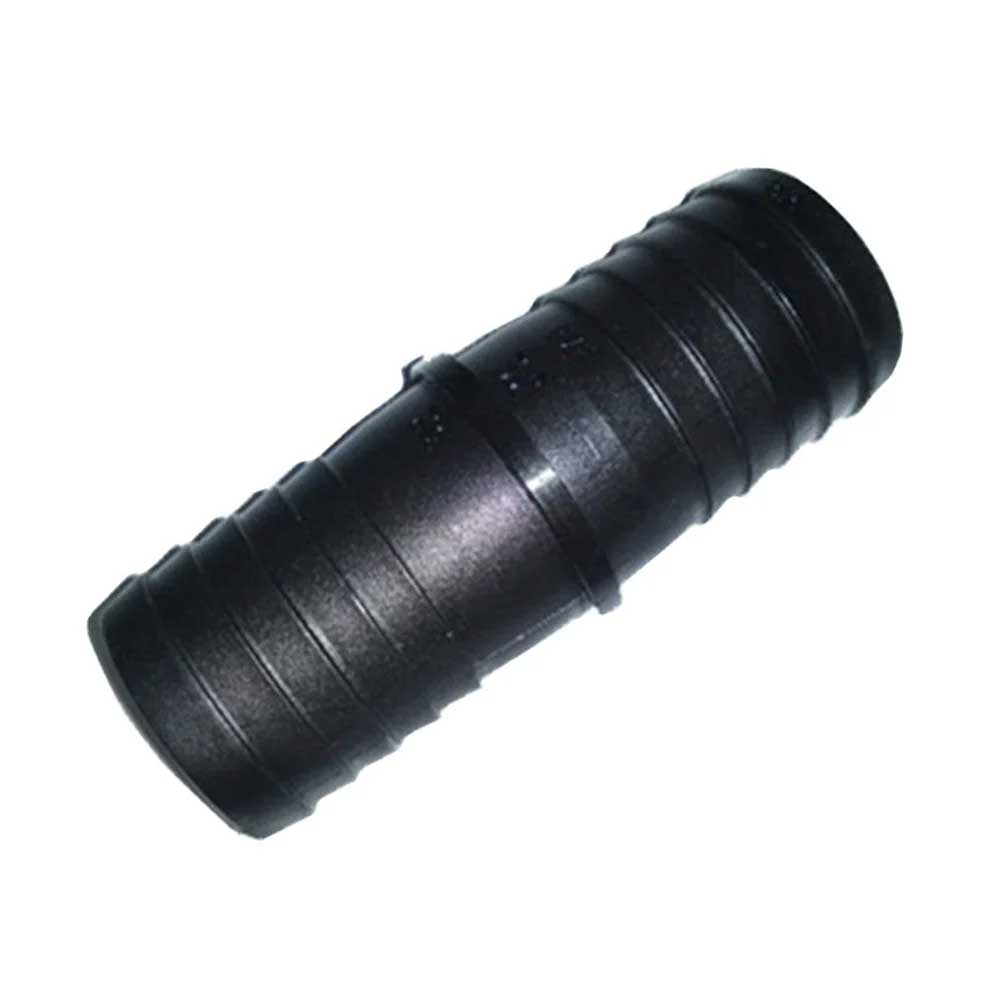
If three branches are sufficient, compare our T-piece barbed hose joiners. For a simple straight route, see straight hose joiners. Choose the shape that serves the actual route rather than adding an unused branch unnecessarily.
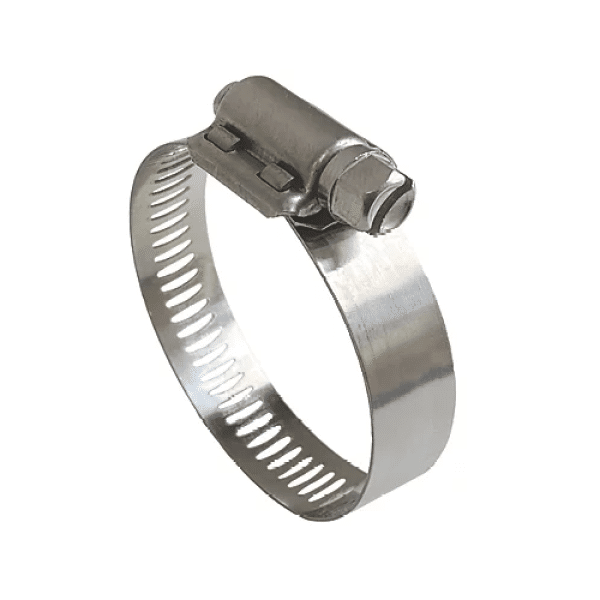
Our hose clips with millimetre size ranges provide retaining options to compare. This supplier-described cross has no unverified factory brand, pressure class or temperature rating assigned to it. Use it in a compatible pond-hose installation and follow the operating limits of the connected equipment.





Reviews
There are no reviews yet.