






Oase BioSys Set 3 ScreenMatic Pond Filter, Pump & 36W UVC
| Brand | |
|---|---|
| Filter type | Pump-fed gravity-return filter set |
| UVC power | 36W |
| Maximum filter flow | 10,000 lph |
| Filter dimensions | 792 × 592 × 430mm |
| Maximum koi pond volume | 10,000 litres |
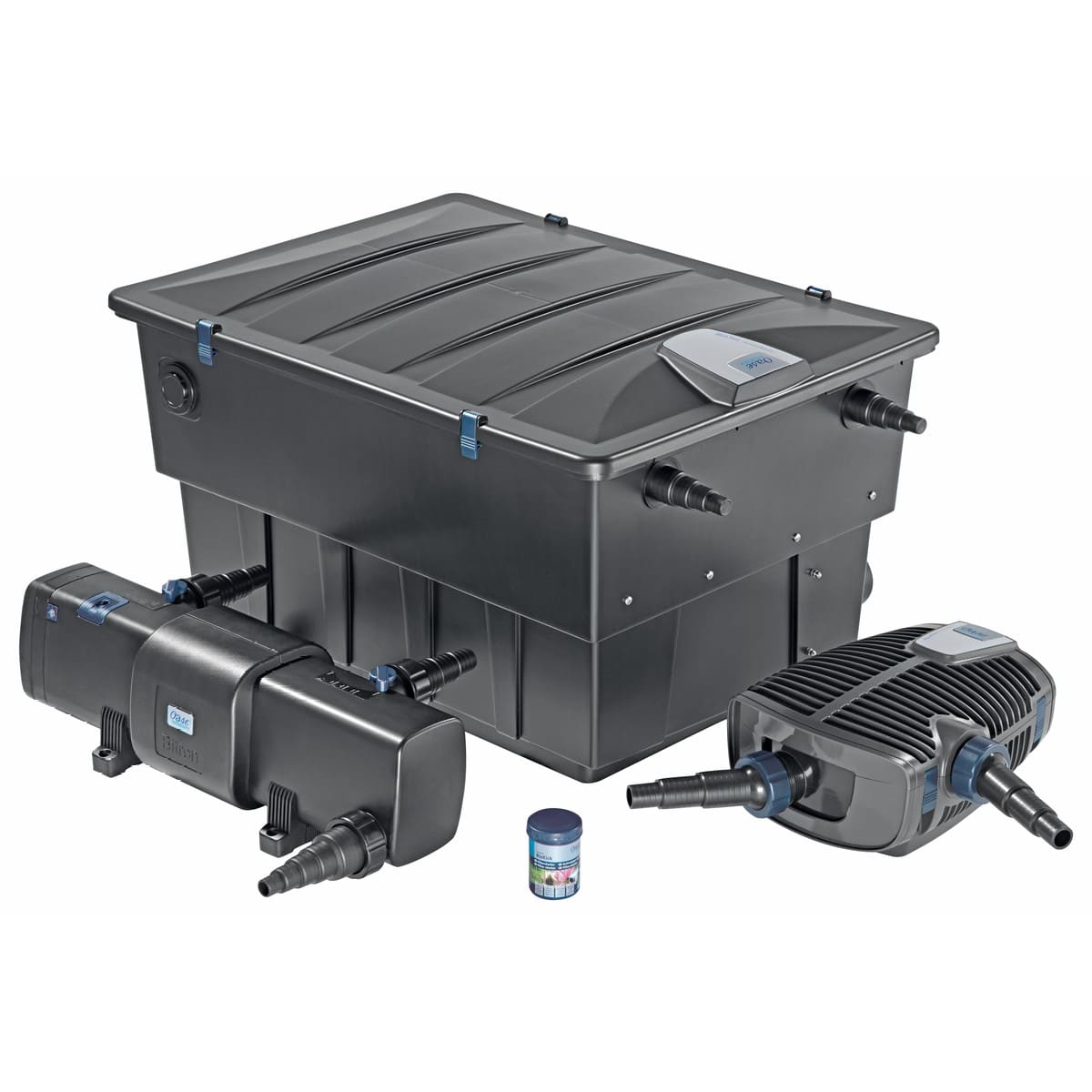
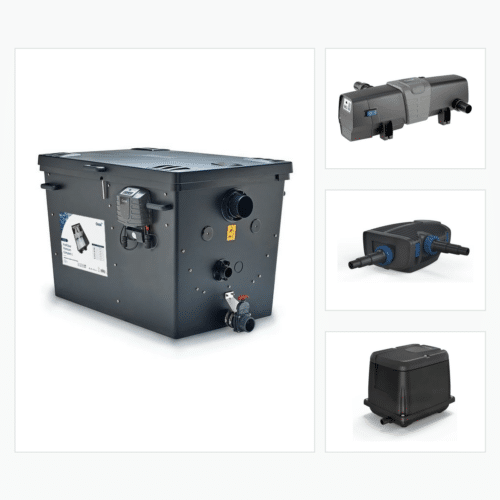
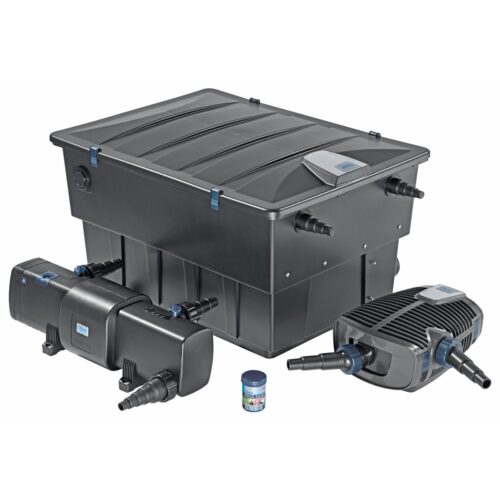
Original Oase BioSys Set 3: BioTec ScreenMatic 12 filter, Bitron C 36W UVC and AquaMax 12000 pump. Published set guidance: up to 40,000 litres without fish, 20,000 litres with fish or 10,000 litres with koi. Pump-fed filter with gravity return; UK reference 57414.
£1,164.99 (inc VAT)
Oase BioSys Set 3 ScreenMatic pond filter system
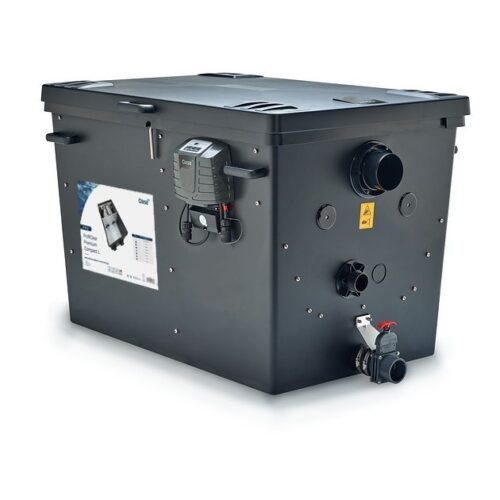
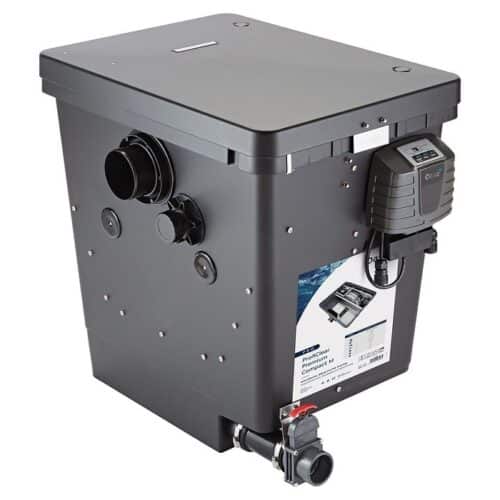
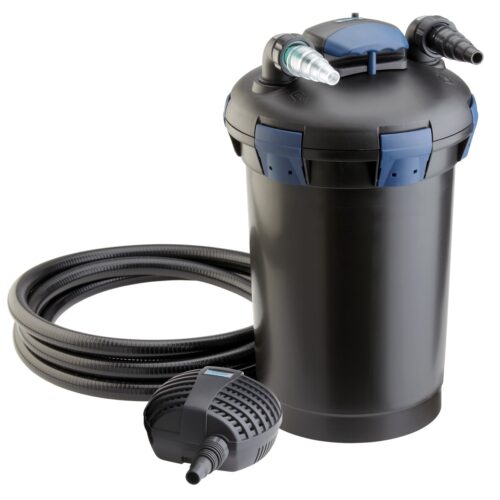
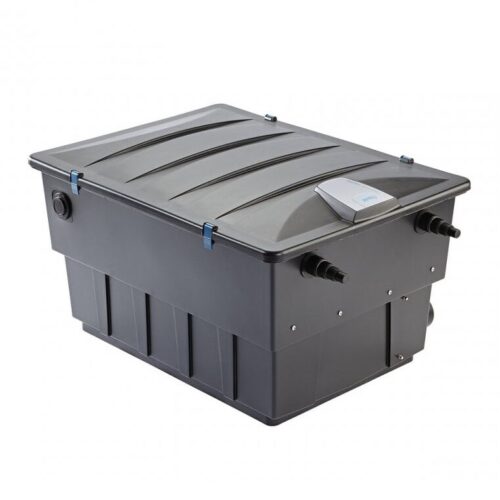
The Oase BioSys Set 3 brings together a BioTec ScreenMatic 12 filter, a Bitron C 36W ultraviolet clarifier and an AquaMax 12000 pump. It provides the main filtration equipment for a pump-fed pond system, combining mechanical debris removal, biological filtration and green-water clarification. This listing is for UK set reference 57414, rather than a filter box on its own.
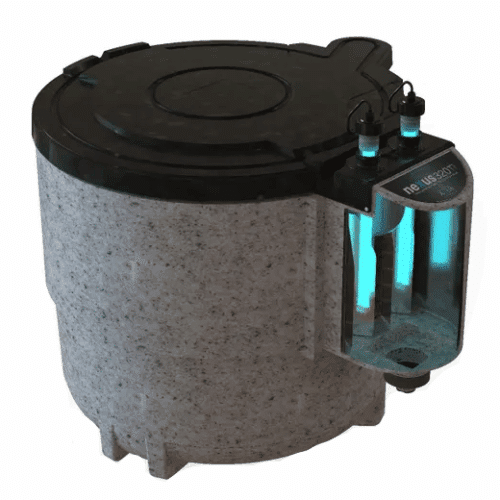
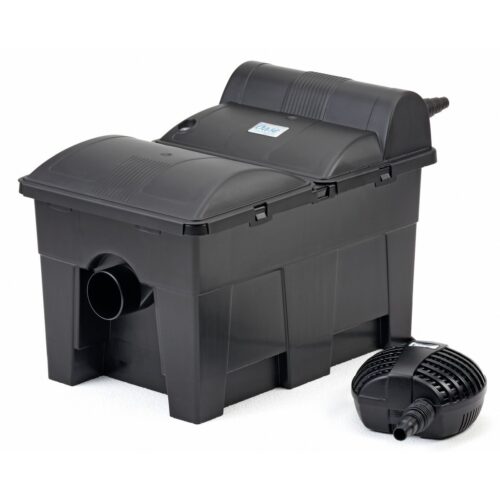
The original ScreenMatic 12 is a different generation from the current ScreenMatic² range. That distinction matters when comparing dimensions, replacement parts and operating features. If you want to compare the newer complete package, see our Oase BioTec ScreenMatic² 40000 Set OC. Check the contents of each package rather than comparing the model names alone.
What the system contains
| Set reference | 57414, BioSys Set 3 ScreenMatic |
|---|---|
| Filter | BioTec ScreenMatic 12 |
| UVC | Bitron C 36W |
| Pump | AquaMax 12000 |
| Filter box dimensions | 792 × 592 × 430mm |
| Filter water outlet | 70mm |
| Filter hose connections | 1–1½ inches, approximately 25–40mm |
| ScreenMatic 12 maximum filter flow | 10,000 litres per hour |
| Filter media specification | Eight blue foams, eight red foams and 3kg special granules |
Plan the connecting hose, return pipe and any installation-specific fittings separately. Do not assume that a complete equipment set includes every length and adapter needed for your particular pond. The pump, filter and clarifier need to be positioned together as a working installation, with suitable electrical connections and access for servicing.
Choosing the set for your pond
Oase’s published BioSys Set 3 guidance gives maximum pond volumes of 40,000 litres without fish, 20,000 litres with fish and 10,000 litres with koi. These are conditional selection figures, not three interchangeable ratings. Use the figure appropriate to the animals you keep, then consider feeding, sunlight, debris and the size those fish will reach.
A koi pond needs substantially more filtration capacity than an ornamental pond of the same volume. Do not use the largest, no-fish figure simply because it matches your pond measurement. Where stocking or feeding is demanding, leave capacity in reserve. Measure the actual water volume, including shelves and changes in depth, so the starting point is as accurate as possible.
The standalone filter’s maximum capacity can differ from the rating of a specified pump-and-UVC combination. For this listing, compare the complete BioSys set against your pond, rather than taking a capacity from an unrelated ScreenMatic model or a newer package. Our pond filter range offers other arrangements if the installation or fish load calls for a different system.
How the three components work together
The pump moves pond water through the system. The UVC addresses suspended algae associated with green water, while the filter separates debris and provides media for biological filtration. Each component has a separate job. A strong pump does not replace filter media, and a UV clarifier does not make an overloaded pond biologically safe.
The ScreenMatic mechanism helps separate larger dirt particles before they reach the foams. The original filter’s drive specification uses a timed cleaning cycle of 30 seconds every 30 minutes. It still needs routine inspection and cleaning; an automatic screen mechanism should not be interpreted as a maintenance-free pond.
Water clarity and water quality should be assessed separately. Clear water can still contain ammonia or nitrite, particularly during the establishment of a new biological filter. Keep a record of tests, feeding and any significant changes to the system so that you can respond to trends rather than relying only on appearance.
Positioning and connecting the filter
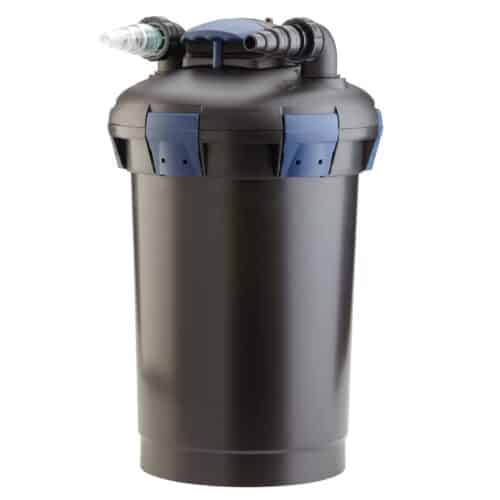
This is a pump-fed flow-through arrangement with a gravity return. Position the filter so that cleaned water can return freely to the pond. It is not a pressure filter intended to push the return water uphill after filtration. Plan the return route before fixing the base or cutting pipework; a restricted return can cause the filter to overflow.
Provide a firm, level base and enough space to open the lid, reach the media and remove collected waste. Consider where maintenance water will go and keep service access clear when adding plants, screening or landscaping. Hiding the filter completely behind a permanent structure can make a routine job unnecessarily difficult.
The 12000 pump designation is not an instruction to send 12,000 litres per hour through the filter. The ScreenMatic 12’s published maximum is 10,000 litres per hour. Actual delivery depends on the pump’s performance at the installed lift height and the resistance of the hose, fittings and clarifier. Follow the supplied component instructions when setting up the combination.
Establishing and maintaining biological filtration
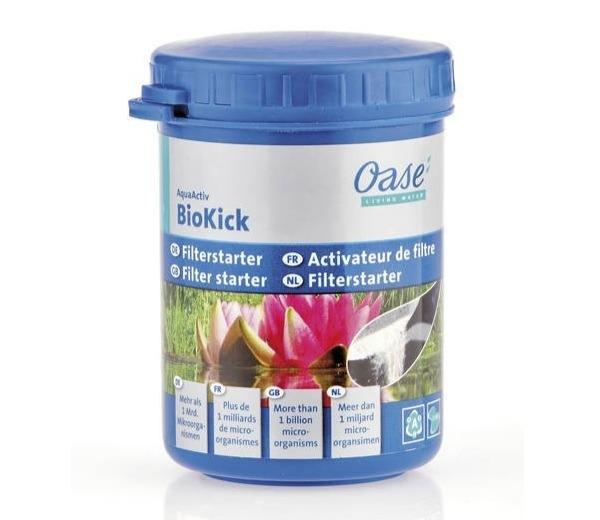
Allow a new biological system time to establish and avoid increasing the fish load or feeding too quickly. The Oase AquaActiv BioKick 100ml filter starter is a separate accessory to consider, following its own dosing instructions. A starter product does not remove the need to monitor the pond or replace sensible stocking and feeding.
Keep the pump intake, screen and return under observation. Inspect the foams when performance or water level indicates servicing is needed, and follow the original ScreenMatic instructions for the cleaning sequence. Keep the filter, pump and UVC model details together so that replacement foams, lamps and other parts are ordered against the correct equipment.
Before installation
Read the instructions supplied with all three components, including their electrical and seasonal requirements. Isolate the relevant equipment before maintenance and arrange pond electrics appropriately. Never operate an exposed UV lamp or look directly at it. During cold weather, follow the component manuals for frost protection and storage rather than allowing trapped water to freeze inside equipment.
Before ordering, confirm the pond volume, fish load, filter position and return route. Compare the footprint with the space available, then allow extra room around it for pipework and access. This makes the equipment choice part of a practical installation plan, rather than a purchase based solely on the largest litre figure in a specification table.



Reviews
There are no reviews yet.