






Kockney Koi Japanese Filter Matting – 1m × 1m × 38mm
| Brand | |
|---|---|
| Sheet size | 100cm × 100cm |
| Thickness | 38mm |
| Colour | Blue |
| Manufacturer part number | 004038 |
One Kockney Koi blue filter-matting half sheet, 100cm × 100cm × 38mm. Cut to the panel sizes needed for a suitable pond filter. Manufacturer part 004038; check the chamber dimensions, supports and media layout before cutting.
£45.00 (inc VAT)
Kockney Koi Japanese Filter Matting – 1m × 1m
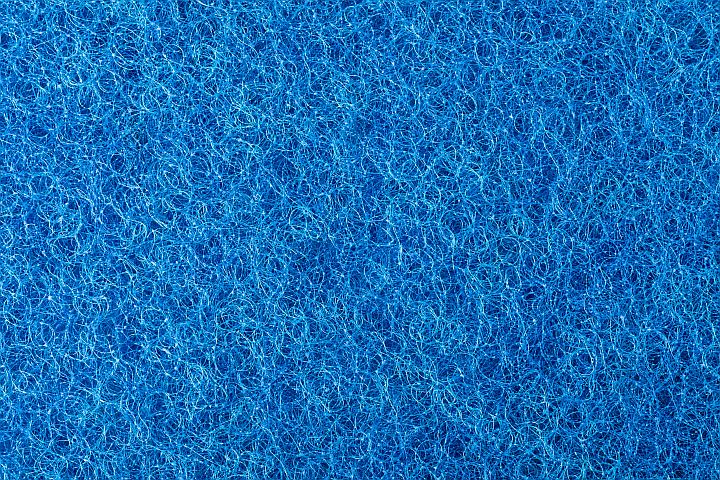
This Kockney Koi blue filter matting is supplied as one 100cm × 100cm half sheet, 38mm thick, ready to cut to suit an appropriate pond-filter chamber. It is manufacturer part 004038. The manageable sheet size is useful when replacing existing matting, making individual panels or planning the media layout in a custom filter.
The sheet is filtration media, rather than a complete filter or a finished cartridge for a particular model. Measure the space available and check how the filter supports and separates its media before cutting. Matching the panel layout matters as much as buying enough material: water needs a suitable route through the chamber, with access left for cleaning.
Size and product identification
| Brand | Kockney Koi |
|---|---|
| Manufacturer reference | 004038 |
| Sheet dimensions | 100cm × 100cm |
| Thickness | 38mm |
| Colour | Blue |
| Supplied | One half sheet for cutting to size |
What filter matting contributes
Matting provides a structured surface within a pond filter. In a suitable operating system, biological films develop on wetted media and contribute to the filter’s biological processing. Material moving through the chamber can also collect in the matting, so its position and cleaning needs should be considered alongside the mechanical stage.
A sheet is not supplied as a mature biological filter. Establishing a working filter takes time, and its performance depends on the whole system, including water movement, oxygen availability and the amount of waste entering it. There is no universal pond-volume rating for this sheet alone. Adding it does not make an undersized filter suitable for any fish load.
Measure the chamber before cutting
Measure the usable space inside the chamber, including any rails, supports or existing cartridge frame. Account for the 38mm thickness and the space needed to lift panels out for cleaning. A paper or card template can help check an awkward shape before you cut the matting itself. Keep the template clear of pond water and remove it before installation.
Plan the cuts on the full sheet to minimise waste. Several small panels may fit within a metre square, but their actual quantity depends on the dimensions and layout you choose. Avoid ordering from area alone if the pieces are unusually long or have shapes that cannot be arranged efficiently. The sheet dimensions do not guarantee that every collection of panels with the same total area can be cut from it.
Fit around the intended water route
Follow the filter manufacturer’s arrangement for media position and spacing. Packing a chamber tightly is not automatically better filtration: it can restrict flow, make cleaning difficult or encourage water to bypass the intended route. Equally, an unsupported panel that moves out of position may leave a gap where water passes around it.
Keep drains, overflows and other service points accessible. If the filter uses a ready-made cartridge or a particular support frame, check whether a replacement cartridge is the appropriate part instead. This sheet is sold for cutting; it is not promised as a drop-in replacement for every Kockney Koi filter simply because the brand matches.
Replacing existing biological media
Before removing established matting, consider how much of the filter’s biological media you are changing. Where the system allows it, replacing sections in stages can help retain mature media while the new material becomes established. Do not leave the pond without suitable filtration during a prolonged alteration, and follow the equipment instructions when isolating pumps and other electrical components.
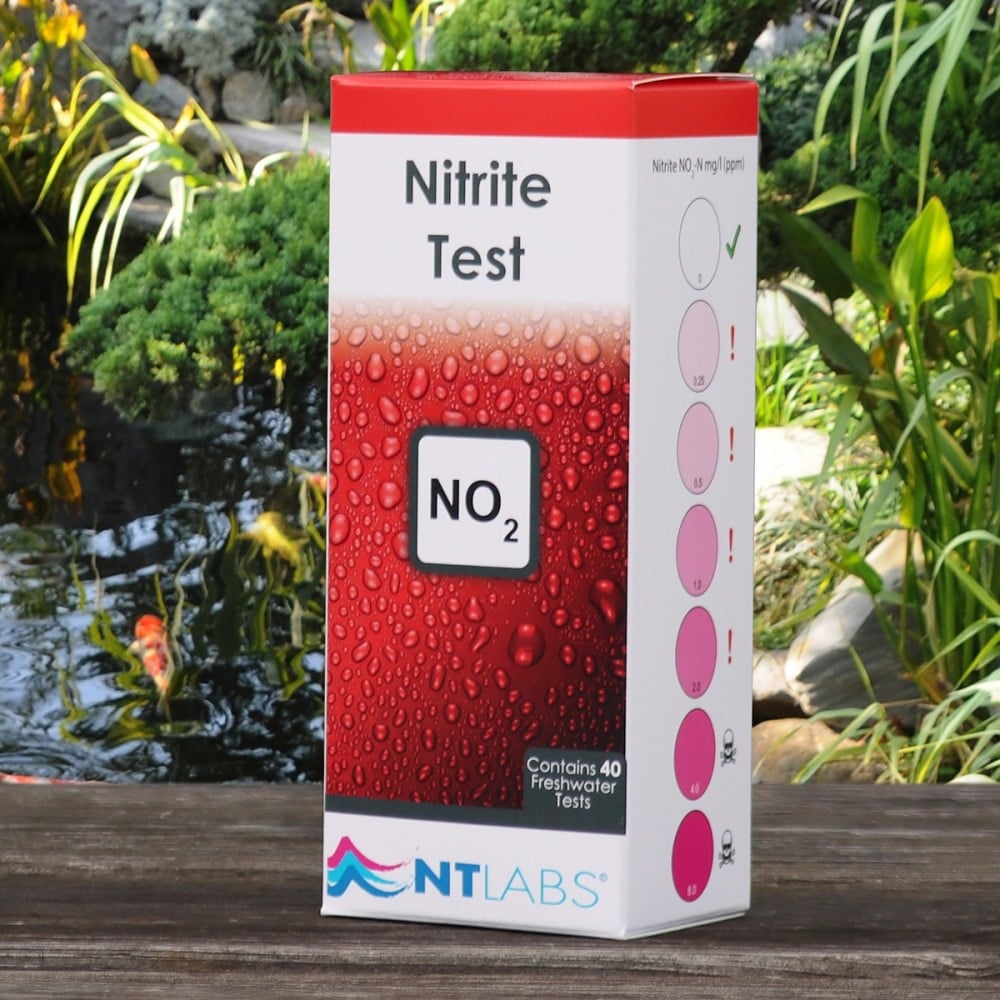
Monitor the water after significant filter work rather than judging only by its appearance. Our NT Labs ammonia test kit and NT Labs nitrite test kit help you track two useful indicators of biological-filter performance. Clear-looking water can still need attention, especially following a change in feeding or stocking.
Cleaning and routine inspection
Inspect the matting as part of the filter’s normal maintenance routine. Cleaning frequency depends on how the filter is arranged and how much debris reaches this stage. If panels are loading with waste quickly, check the upstream mechanical filtration and the water route rather than assuming a denser layer of matting will solve the problem.
When the matting is used as established biological media, handle cleaning in a way that preserves the biological stage. Follow the filter’s instructions and avoid unnecessary aggressive cleaning of all mature media at the same time. Inspect panels for damage, distortion or accumulated material that prevents them sitting correctly. Replace damaged pieces with matching dimensions and retain useful fitting notes for next time.
Compare different filter-media formats
For another branded sheet option, compare our Aqua Source Japanese matting, checking its own sizes and specification. It is a separate product range, so the dimensions and construction should not be assumed to match this Kockney Koi sheet.
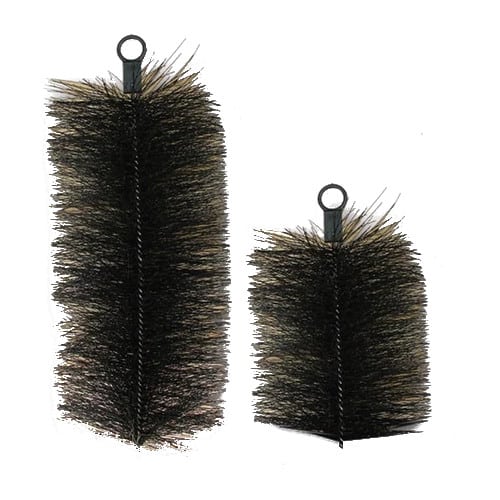
If you need a brush stage ahead of biological media, see our Black Knight filter brushes. Brushes and matting have different formats and installation requirements. Choose the complete arrangement around your filter design, with practical cleaning access and reliable water movement through each stage.






Reviews
There are no reviews yet.