






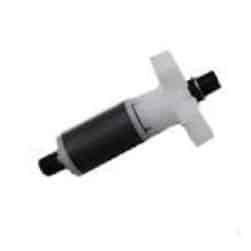
Genuine Oase Replacement Rotor & Impeller Assemblies
| Brand | |
|---|---|
| Model | ASE 1500 magnetised rotor assembly – 18012, ASE 2500 / Filtral 2500 rotor assembly, Aquarius 900 / 900i rotor assembly |
| Compatible Range | Filtral UVC 2500 and compatible ASE 2500 applications; verify diagram, Older Oase Aquarius 900 and 900i; verify product number |
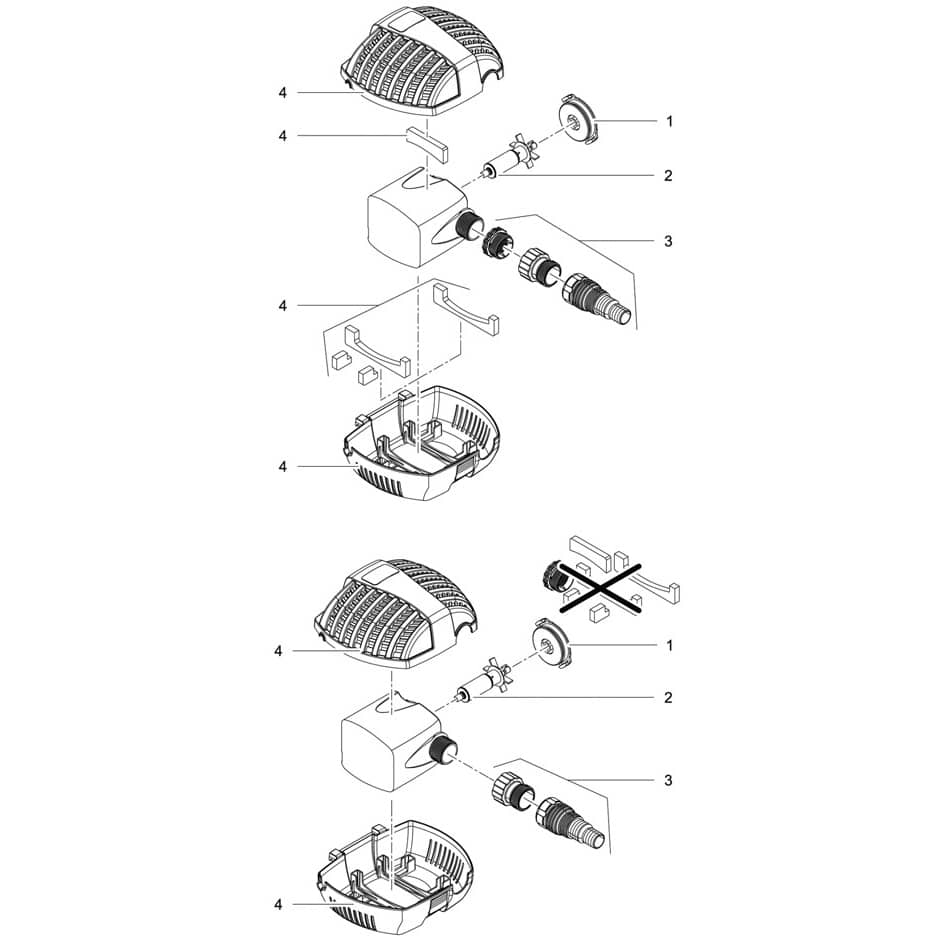
Genuine Oase rotor and impeller assemblies. Choose the exact part number: 18012 ASE 1500, 18013 ASE 2500 or 53491 for the older Aquarius 900i. Compare model references and the equipment parts diagram before ordering.
Price range: £13.99 through £37.49 (inc VAT)
Genuine Oase Replacement Rotor and Impeller Assemblies
Choose the correct rotor for your Oase pump or Filtral unit
A replacement rotor can restore a serviceable pump when its rotating assembly is worn or damaged. This range brings together genuine Oase spares for selected ASE 1500, ASE 2500 and older Aquarius applications. Each option is a different component, so choose by the Oase spare-part number and the exact equipment model rather than by the pump’s approximate flow rate.
The rotor is the assembly that turns inside the pump’s motor chamber and drives the impeller blades. It is a service component, not a complete pump or motor. If the motor body, electrical cable or sealed electrical components are damaged, a rotor replacement will not repair that fault. Our pond pump range provides complete replacement options when a repair is no longer appropriate.
Which replacement rotor should I select?
| 18012: ASE 1500 rotor | Aquarius Fountain Set Classic 1500, FP 1500 and Filtral UVC 3000 UK 70237 |
|---|---|
| 18013: ASE 2500 rotor | Aquarius Fountain Set Classic 2500, AquaMax Eco Classic 2500 and Filtral UVC 6000/9000 UK 70238/70239 |
| 53491: Aquarius 900-series rotor | Older Aquarius 900i, identified in the diagram for product 53040 |
These examples help narrow the choice, but the spare-part reference in your own equipment diagram remains the deciding check. Oase has reused familiar model names across different product generations. A matching name or similar appearance alone does not establish that an internal component will fit.
Oase 18012: ASE 1500 replacement rotor
Select part 18012 for equipment whose parts list specifies the ASE 1500 magnetised rotor. Oase’s parts catalogue identifies it for the Aquarius Fountain Set Classic 1500, including UK product 57439, and the FP 1500 pump identified as 15329. It also appears as the pump rotor in the UK Filtral UVC 3000 identified as 70237.
The number 1500 describes this rotor family; it should not be read as a promise that the part fits every pump or filter with 1500 in its name. In particular, a Filtral’s stated pond-size designation and its internal pump specification are different things. Read the label on the complete unit, then check the associated exploded diagram before choosing the option.
Oase 18013: ASE 2500 replacement rotor
Part 18013 is the ASE 2500 magnetised assembly. Oase identifies it for the Aquarius Fountain Set Classic 2500, including UK product 57440, and AquaMax Eco Classic 2500, including UK product 51088. The UK Filtral UVC 6000 and 9000 diagrams for products 70238 and 70239 also specify this part.
Although 18012 and 18013 belong to related pump families, they are separate spare parts. Ordering the larger-numbered rotor is not a way to upgrade a smaller pump’s output. The rotor must suit the motor and pump chamber it was designed for. Do not force a component into place or modify the magnet, shaft or impeller to make it fit.
Oase 53491: older Aquarius 900-series rotor
This option serves a different generation of equipment from the ASE assemblies. Oase’s older Aquarius 900i parts diagram, for product 53040, identifies rotor 53491. Owners of older Aquarius pumps should check the full model identification carefully, particularly where a faded label or a replacement housing makes the pump difficult to recognise.
Do not select this rotor simply because a newer pump delivers around 900 litres per hour. If the original model cannot be identified, take clear photographs of the label, complete pump and removed assembly before asking for help. That is more useful than trying to match the impeller by colour alone.
Check for a blockage before replacing parts
Low flow, noise or difficulty starting can have several causes. First isolate the electrical supply and remove the pump according to its instructions. Clear accumulated leaves or debris from the intake, inspect the pump chamber and check the connected hose or fountain nozzle for restrictions. A clogged intake or outlet can reduce performance even when the rotor itself is serviceable.
With the assembly removed, examine the impeller blades, magnet and accessible supporting parts for damage or excessive wear. Keep any separate shaft supports, bearings, seals and fasteners together so that they can be checked and correctly refitted. Order additional components separately where the equipment diagram shows them as distinct parts; do not assume every item around the rotor is included with the selected assembly.
Fitting and returning the pump to use
Follow the instructions for the exact pump when opening and reassembling its chamber. Clean the seating surfaces, position the assembly correctly and check that the housing closes without being forced. Do not lift or lower the pump by its electrical cable. Return it to the installation position required by its manual, with water available to the pumping chamber before restarting.
After restarting, observe the pump and connected outlet. Check that water is flowing normally, listen for unusual noise and inspect accessible connections for leaks. Switch off and investigate if the pump does not operate as expected. A replacement rotor cannot compensate for an obstructed hose, an unsuitable installation or a separate electrical fault.
Related maintenance parts
For a Filtral service, inspect the mechanical filter media as well as the pump. Our Oase Filtral replacement filter foams are selected separately by the filter model. Browse the wider filter spares range for other components, and retain the equipment’s original instructions so that future maintenance starts with the correct part reference.



Reviews
There are no reviews yet.