





Koi Food Filters
Sinking Koi Food
Sinking koi pellets for shy fish, deeper ponds and natural feeding below the surface
Sinking koi food is designed for koi that feed more confidently below the surface, including shy or nervous fish that may struggle to compete during busy surface feeding. Instead of remaining at the top of the pond, the pellets move down through the water so fish can feed at different depths and in a calmer, more natural way.
At That Pond Guy, our sinking koi food range brings together carefully selected sinking and mixed sinking-and-floating foods for different feeding purposes. Options include warm-weather growth koi food, cooler-weather wheatgerm koi food, premium life-stage diets and balanced foods that combine floating and sinking pellets. This makes it easier to choose a food around the season, the size of your koi and how they prefer to feed.
Why choose sinking koi food?
Floating pellets are usually the easiest type of food to monitor, but they do not suit every fish or every pond. Dominant koi can take most of the food at the surface, while timid fish hang back and receive less. Sinking pellets spread feeding activity through the water column, reducing the pressure on shy koi to join an aggressive surface feeding response.
Sinking food can also be useful in deeper koi ponds, growing-on systems and ponds containing younger fish that prefer feeding lower in the water. Products such as Kiyomizu Sinking are designed around the development of younger koi, while Aqua Source Hi Growth Sinking Koi Food, Burtons Growth Sinking Food and Saki Hikari Growth Sinking provide more targeted warm-weather growth options.
Choose sinking food by season and feeding purpose
The fact that a pellet sinks does not tell you when it should be fed. Always check whether the food is intended for growth, everyday feeding, cooler weather or a particular life stage. Richer sinking growth foods are best used when the water is warm, koi are feeding strongly and the biological filter can process the additional waste. In cooler conditions, a more digestible option such as Burtons Winter Sinking Food or a suitable sinking wheatgerm diet may be more appropriate.
If you want food available at both the surface and lower in the pond, a mixed formula can be a useful compromise. Aqua Source Balance Plus Sinking/Floating and Aqua Source Hi Growth 50/50 Sinking and Floating Koi Food allow confident surface feeders and more reserved fish to feed at the same time. For a straightforward daily diet, compare these options with our all season koi food and staple and complete koi food ranges.
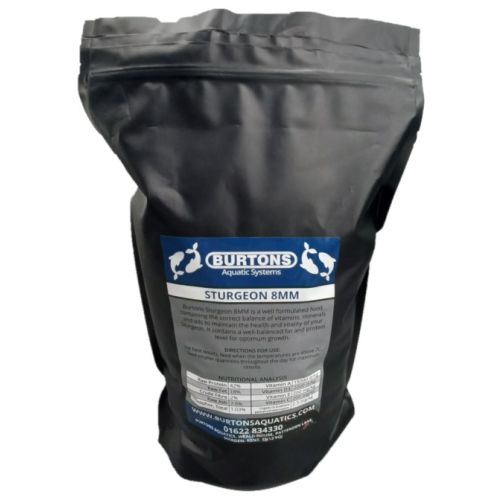
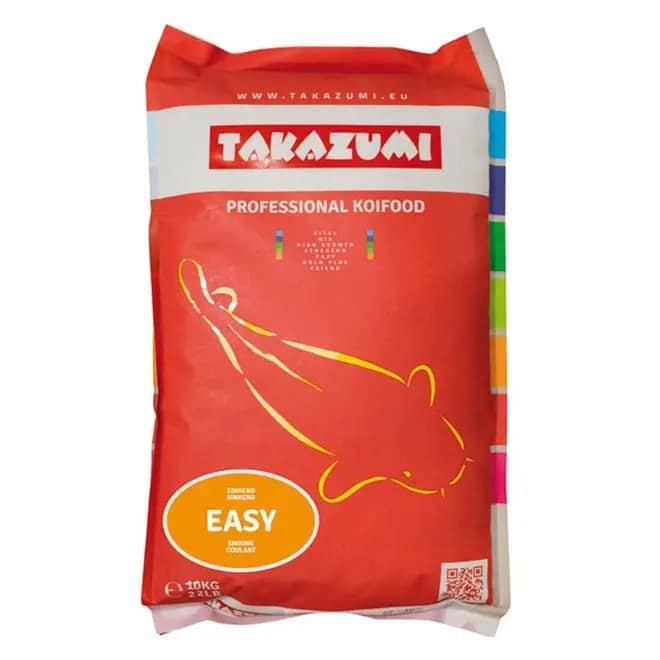
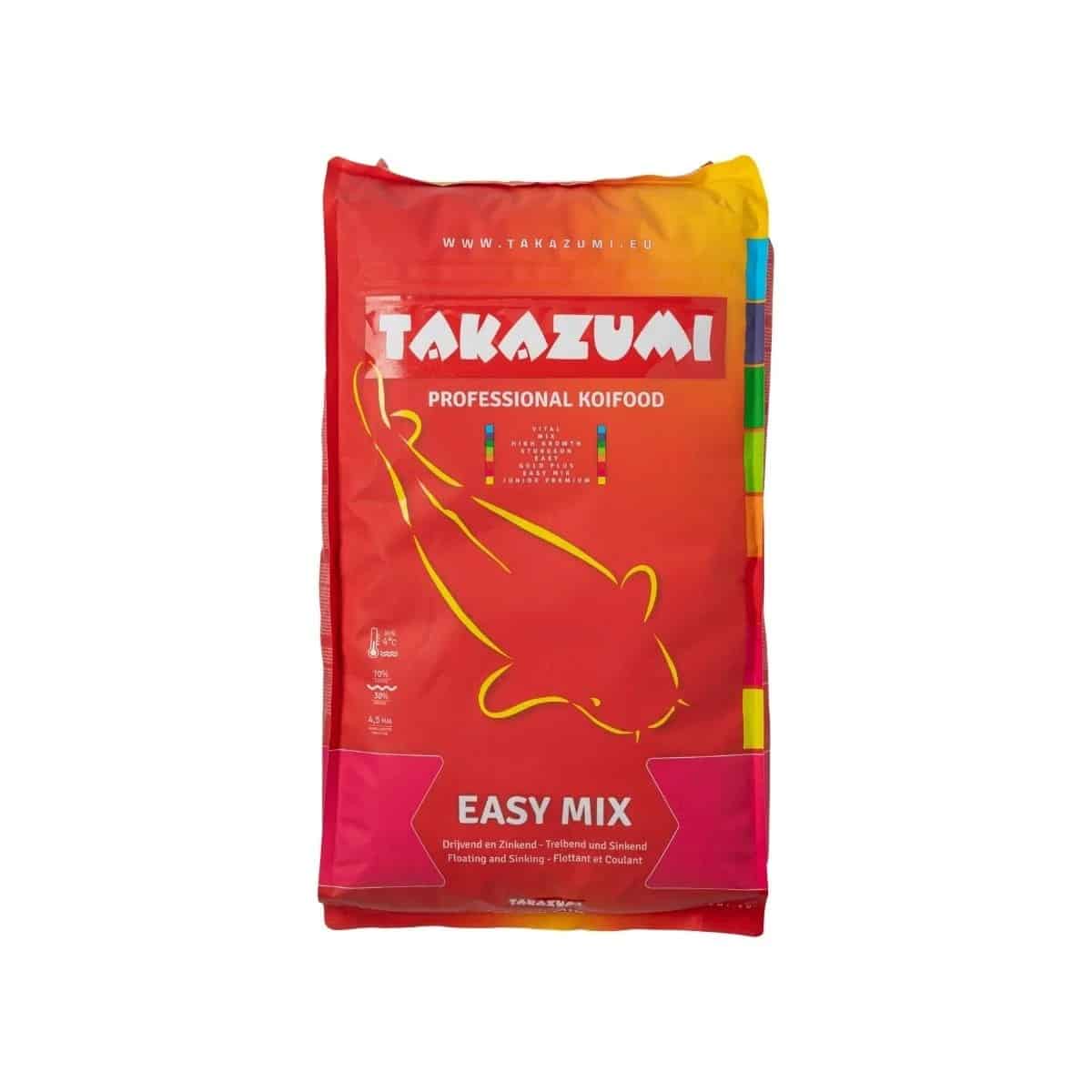
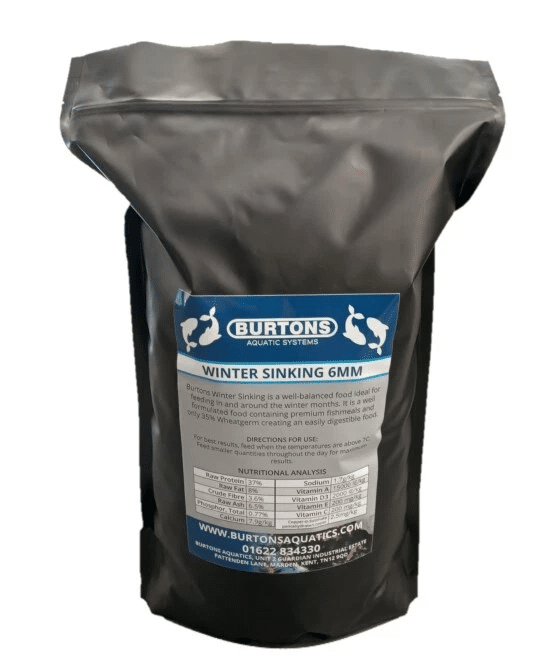
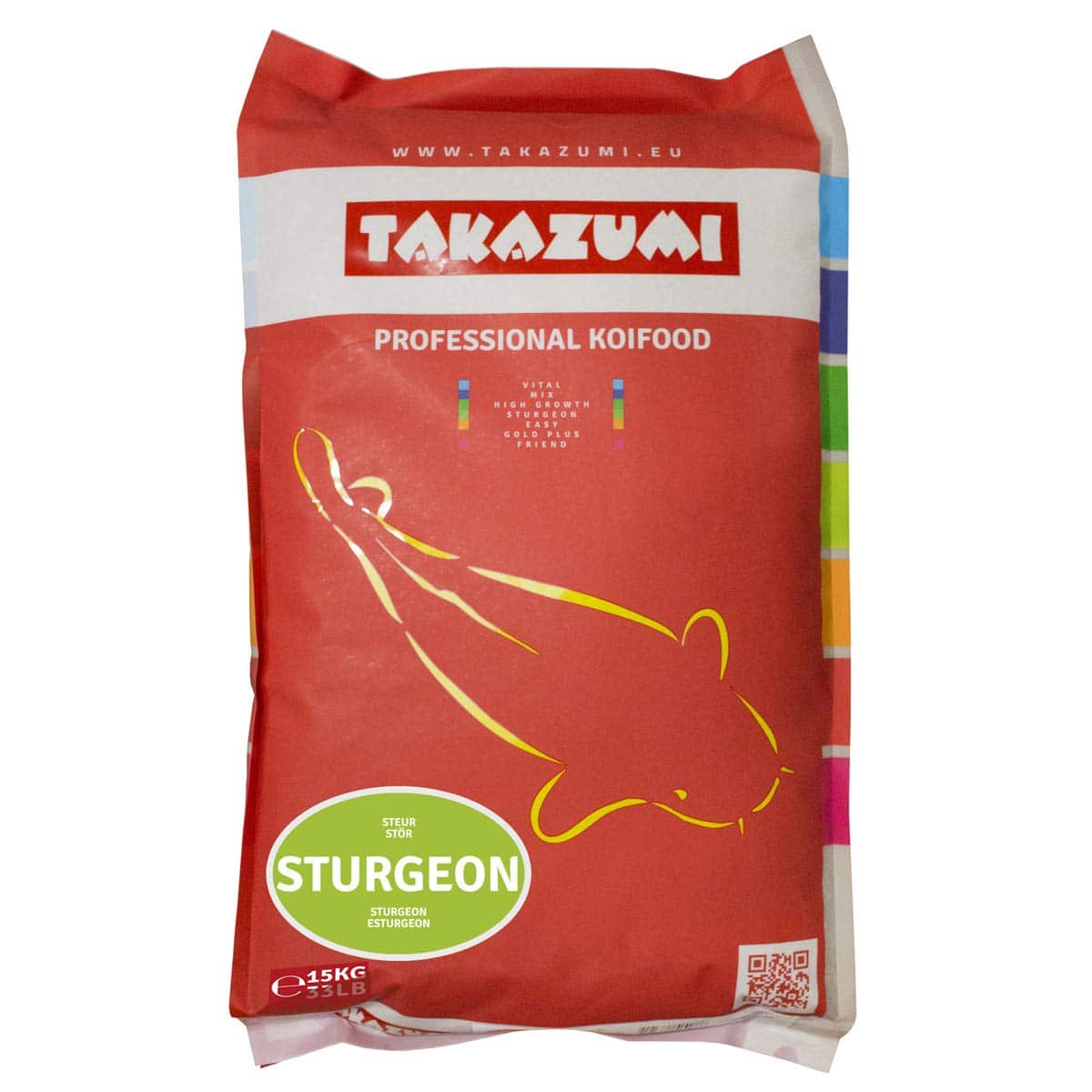
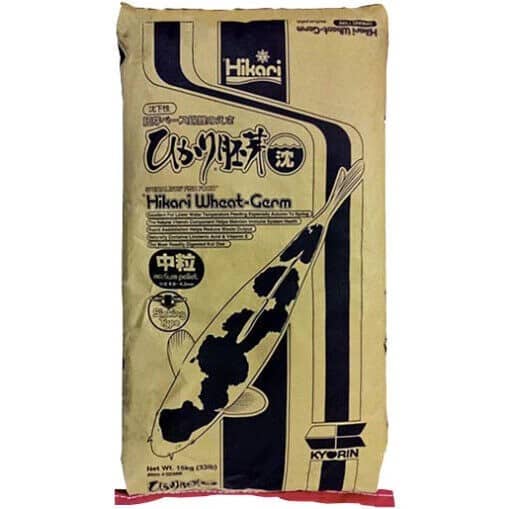
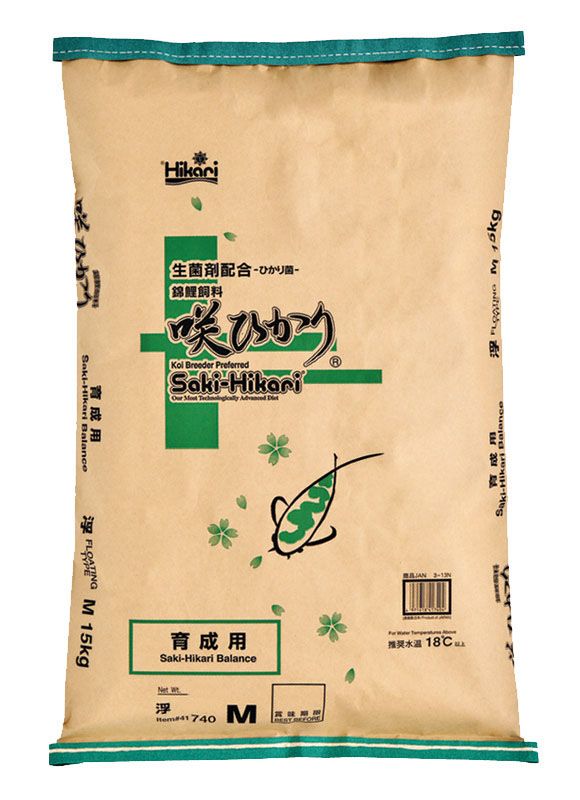
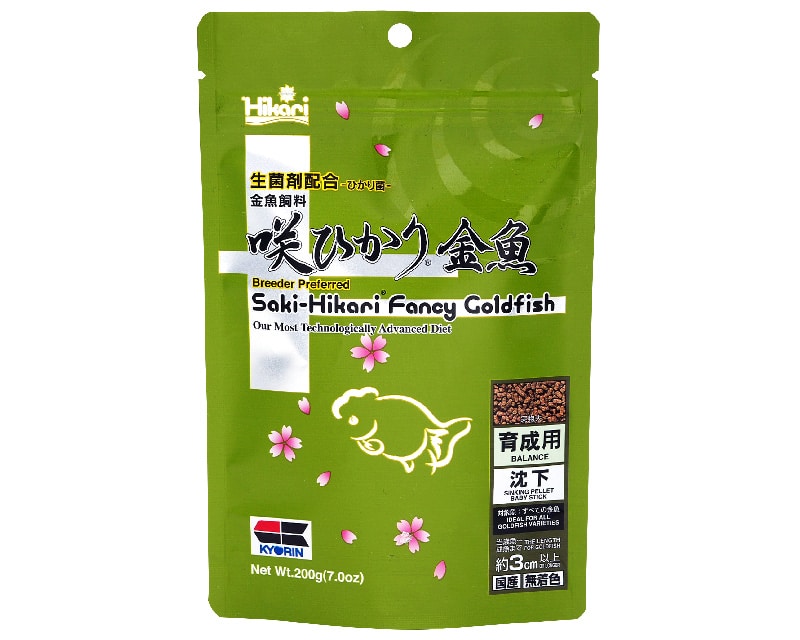
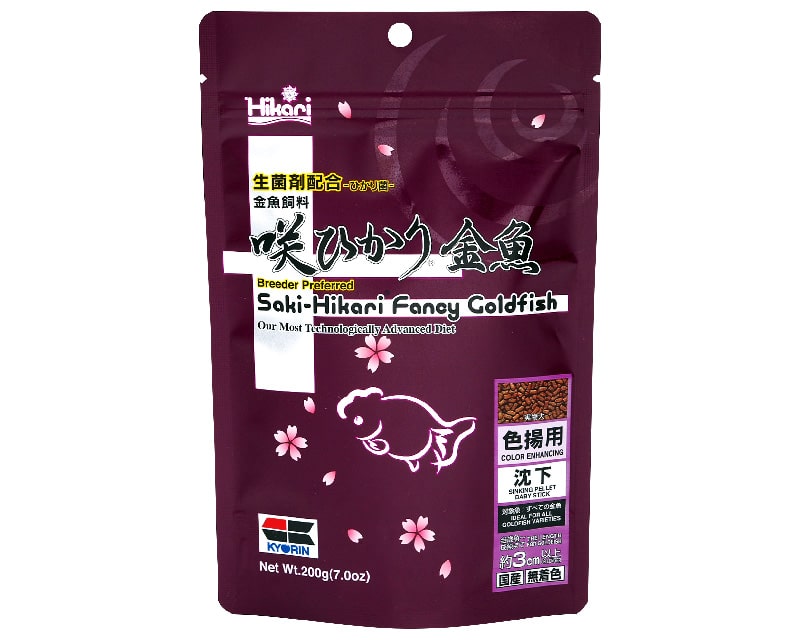
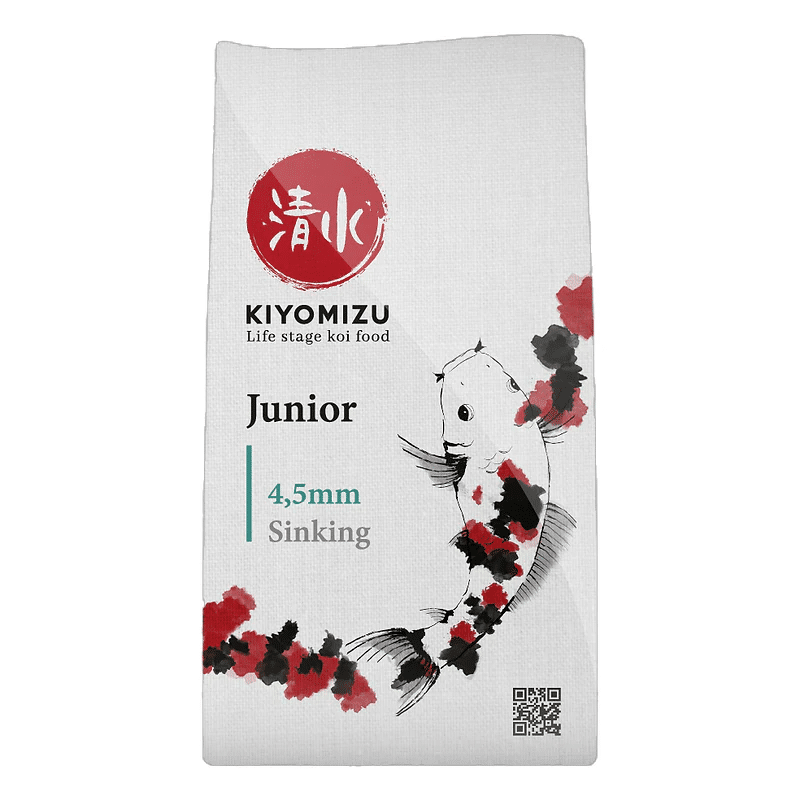
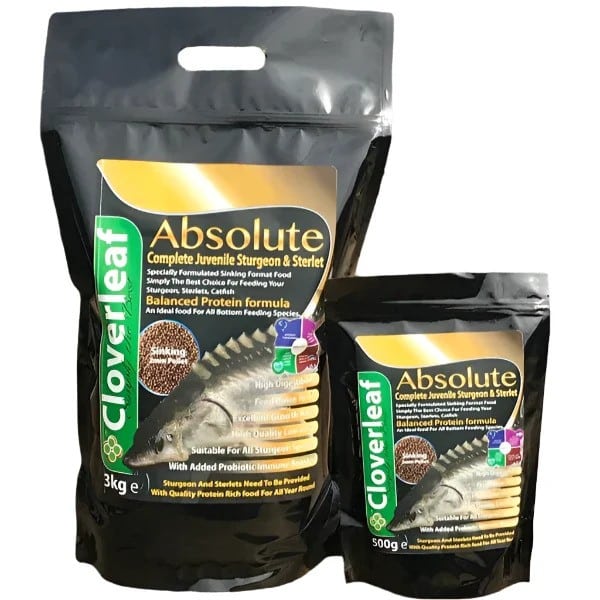
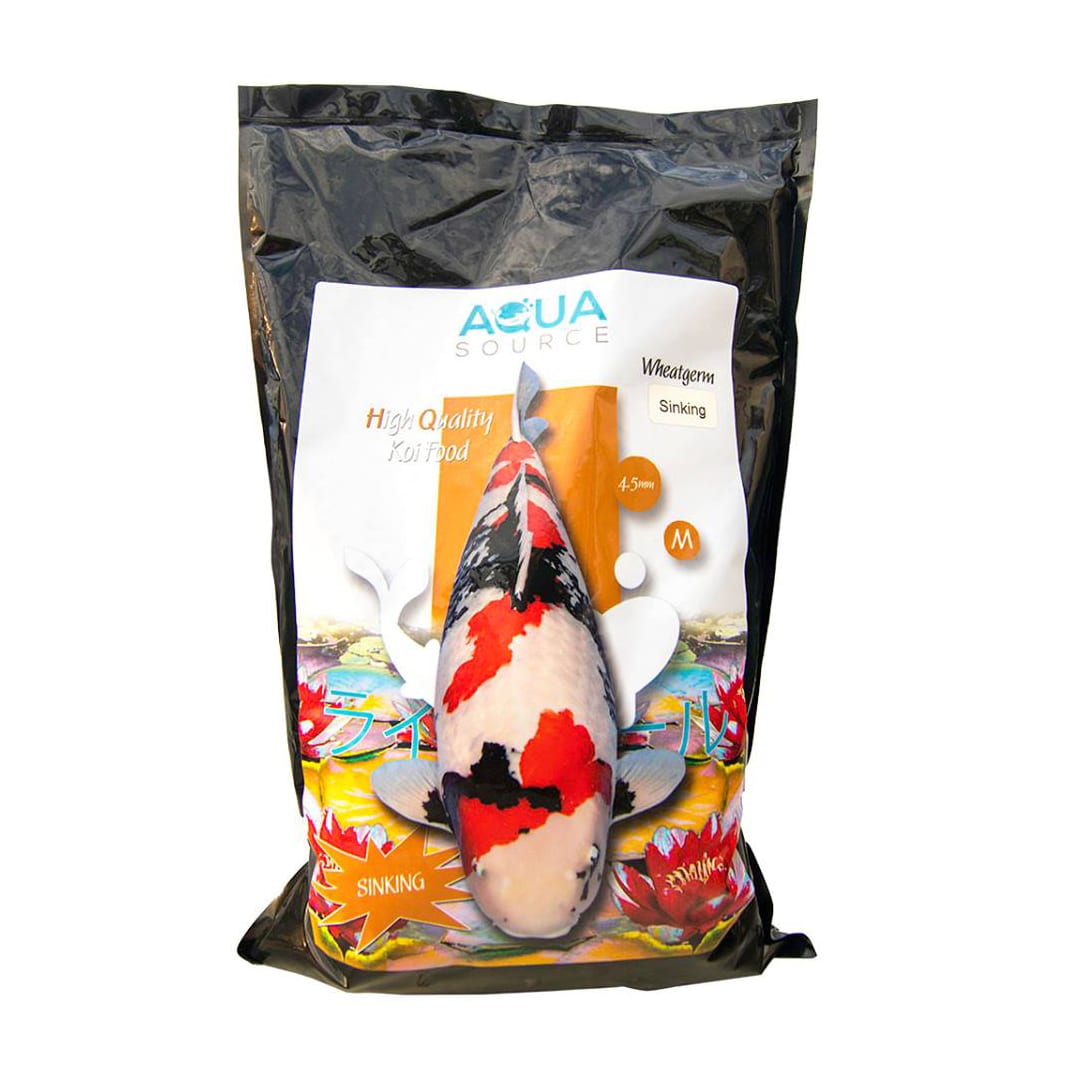
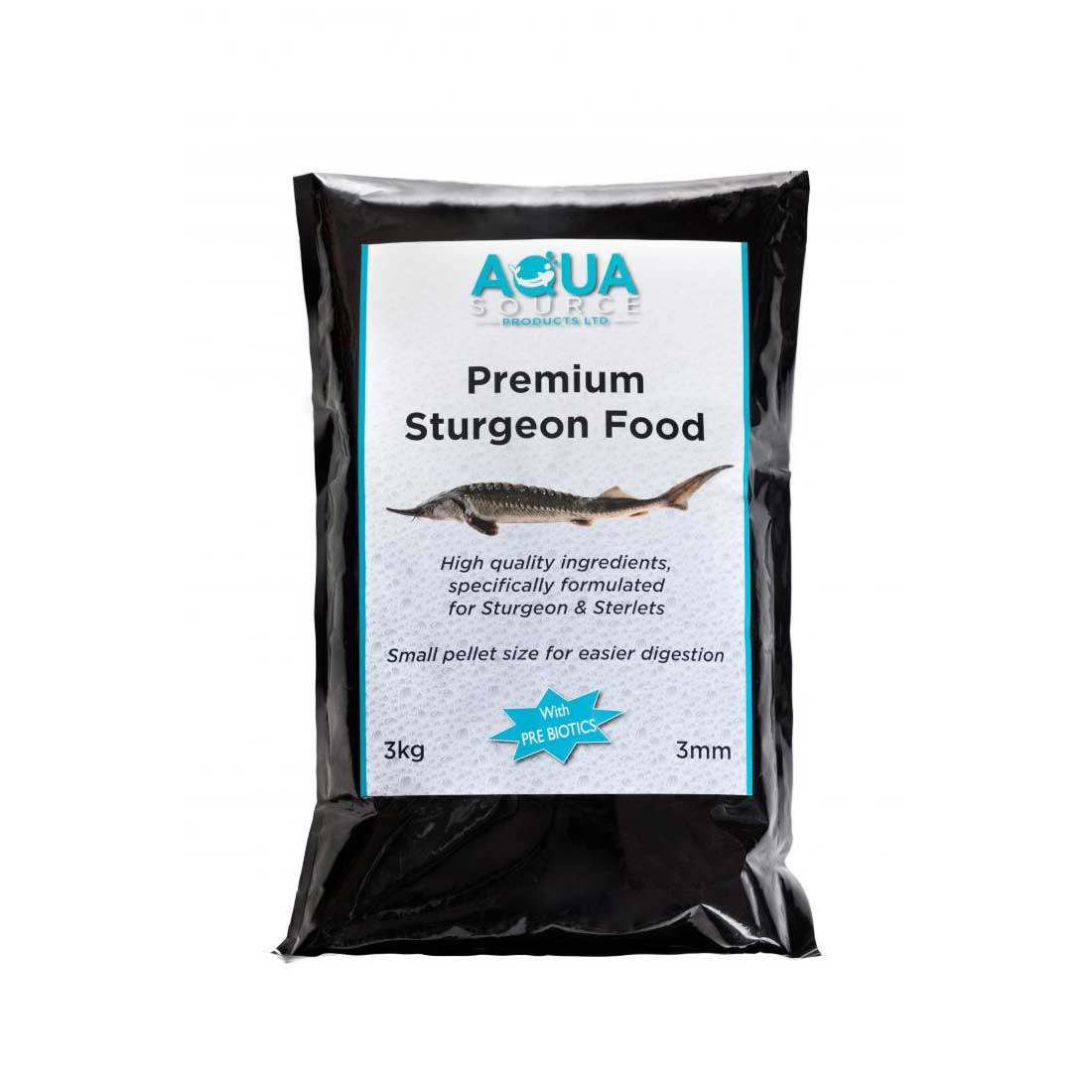
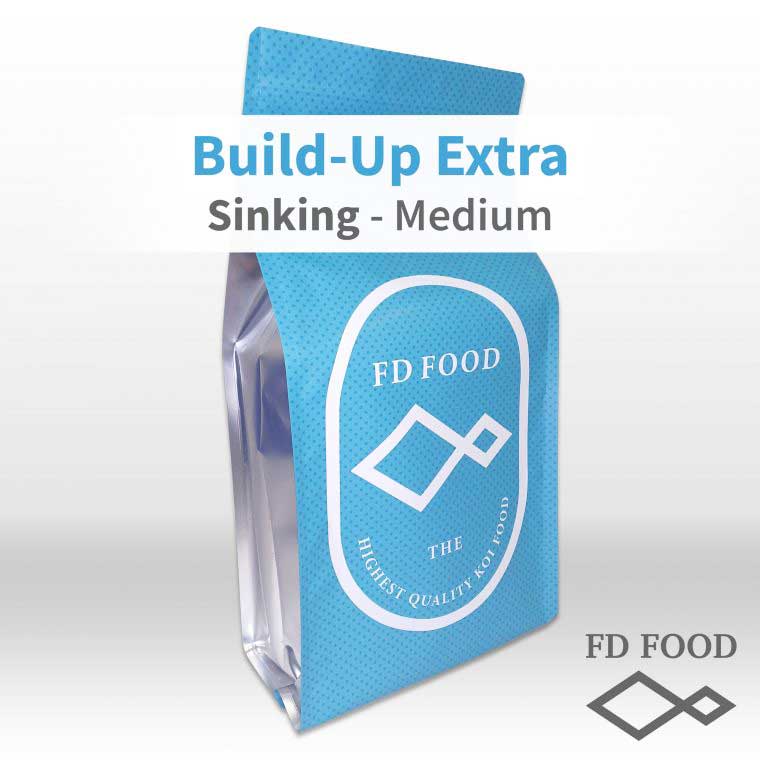

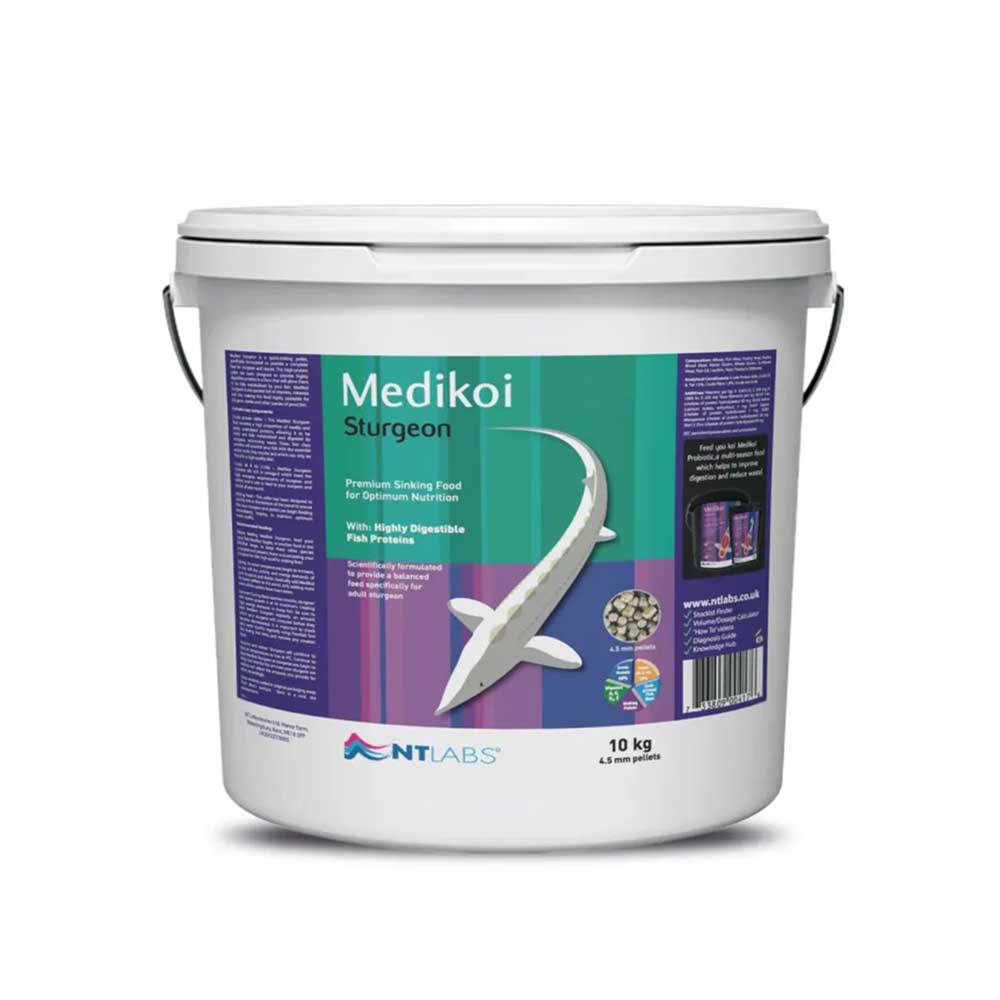
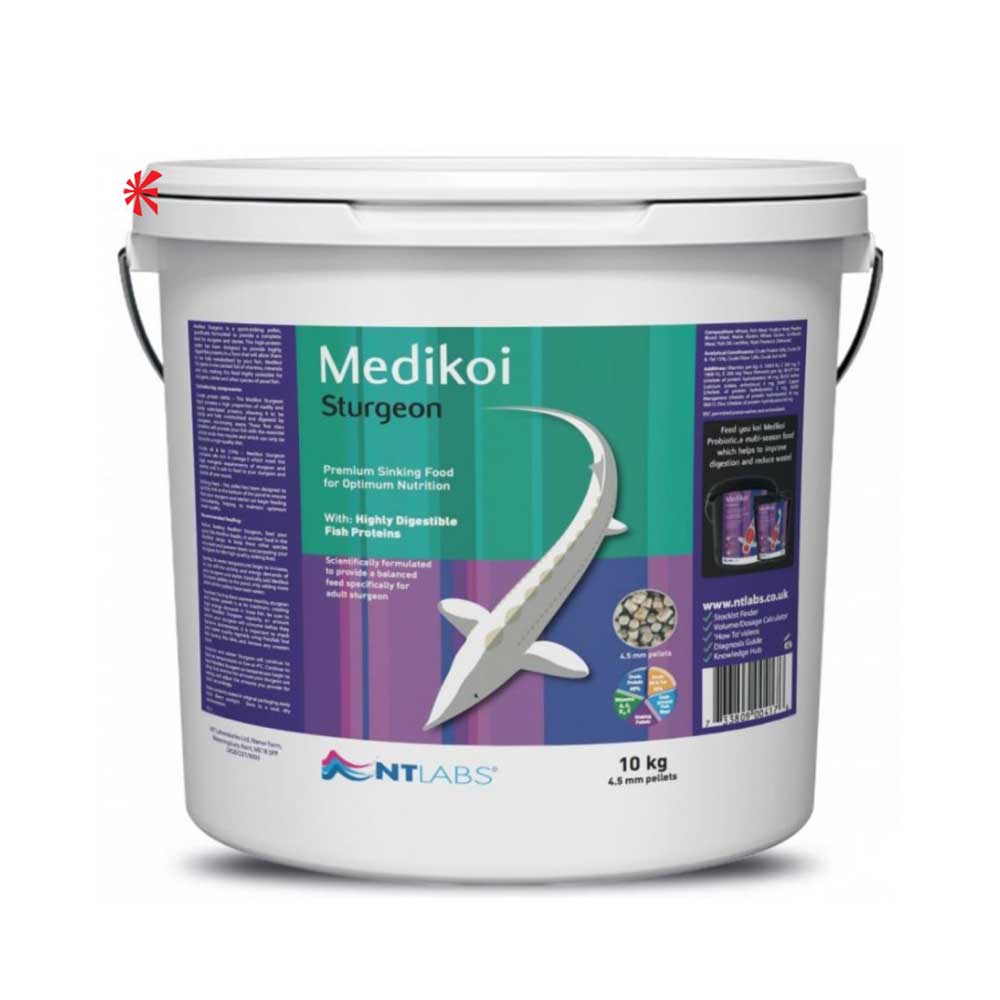
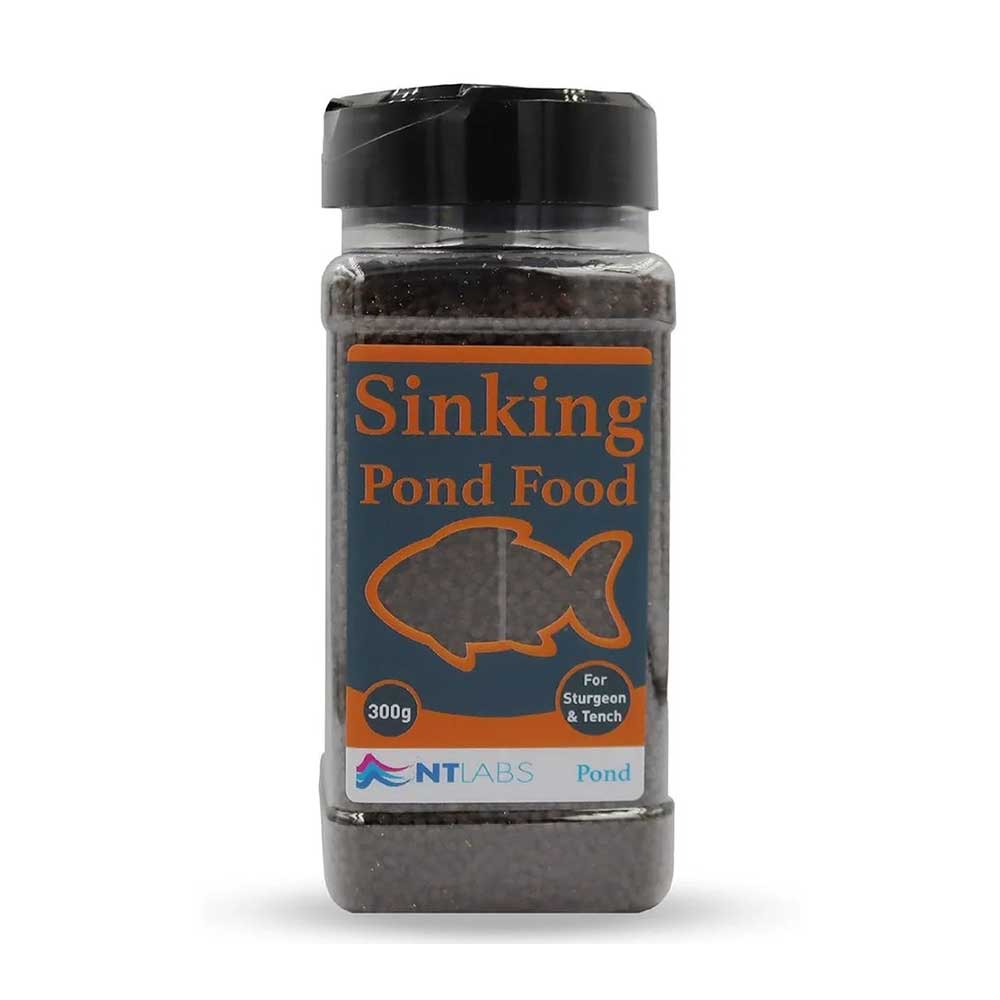
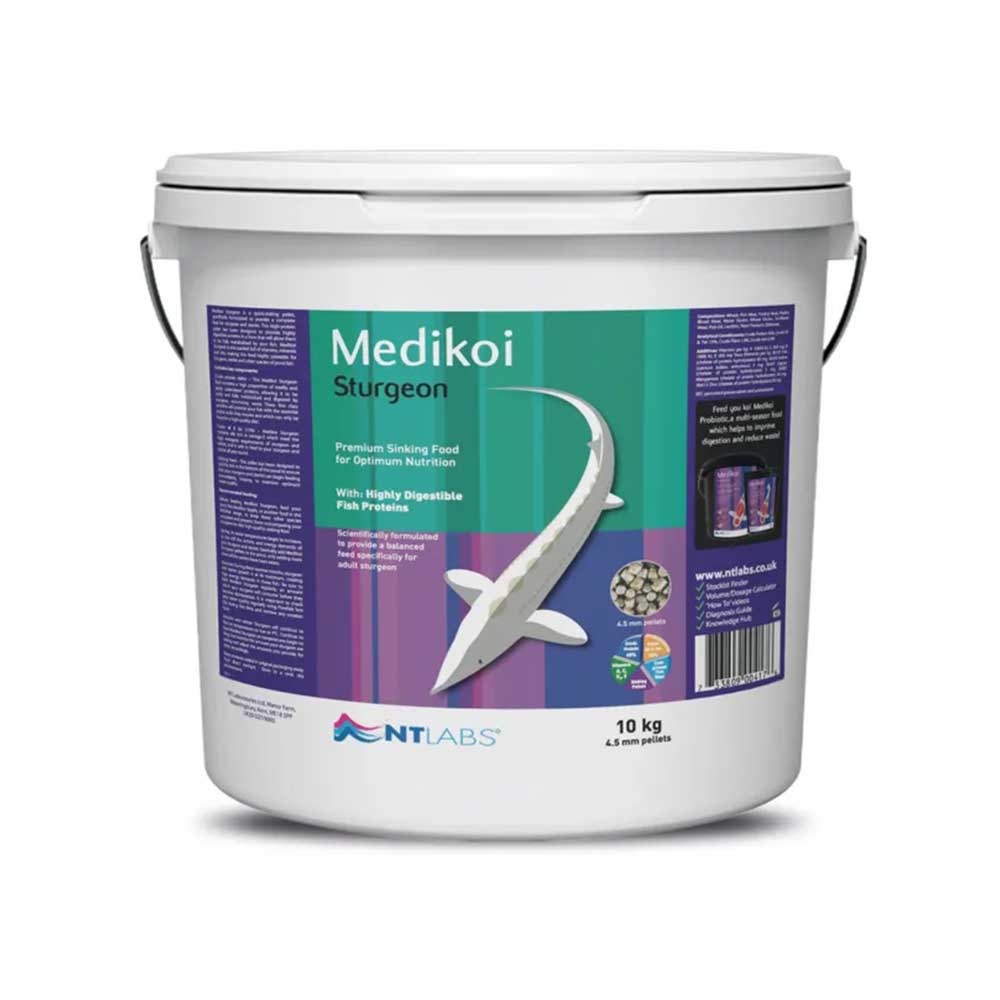
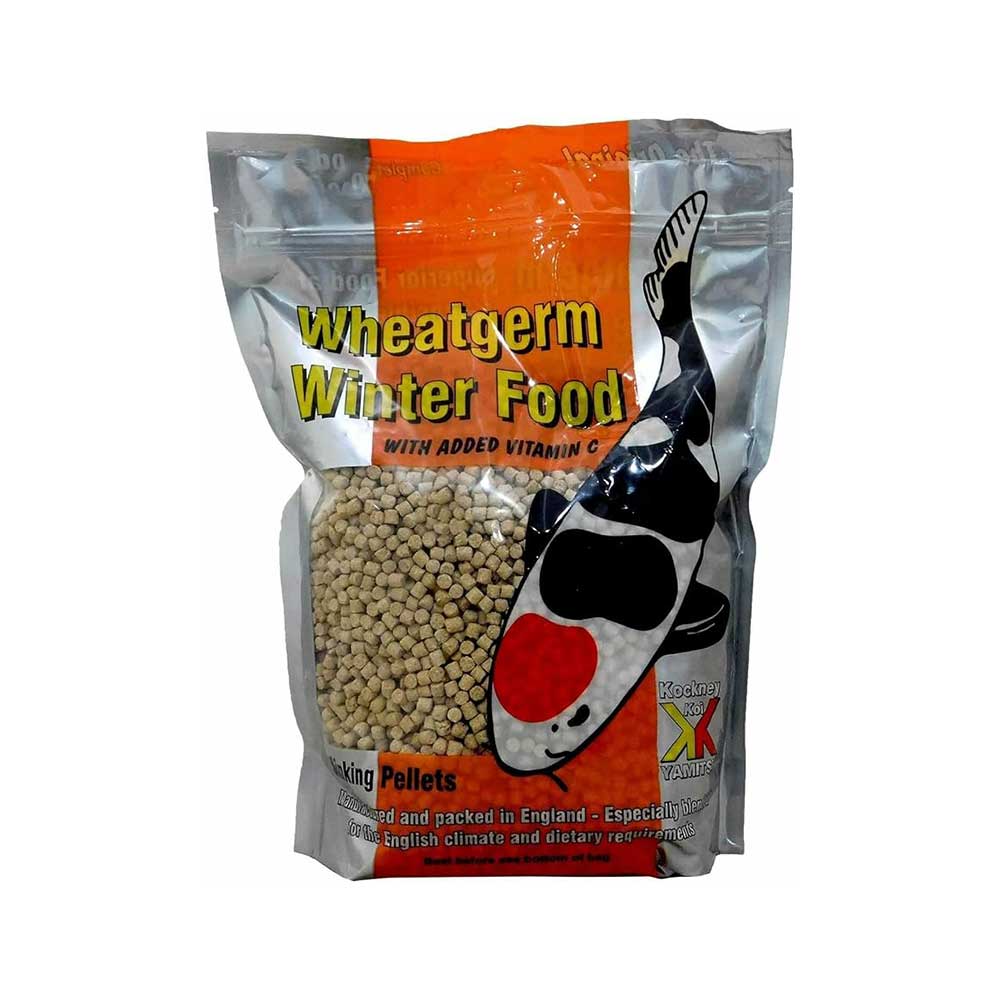
Representative sinking koi and pond-fish foods
Sinking food is useful for shy feeders, sturgeon and ponds where surface feeding is unsuitable. Confirm species, pellet and temperature guidance on the individual product.
Sinking koi food is not the same as sturgeon food
Not every sinking pond pellet is intended primarily for koi. Sturgeon, sterlet, catfish and other bottom-feeding species have different feeding habits and may need a dedicated formula. For these fish, browse our sturgeon and sterlet food range rather than assuming any sinking koi pellet will provide the correct main diet.
Kusuri Sinking Pellet, for example, is designed for bottom-feeding pond fish such as sterlets, catfish, tench and goldfish. Koi may eat specialist bottom-feeder foods, but these products should not automatically be treated as the normal daily diet for a dedicated koi collection.
Feed sinking pellets carefully
The main disadvantage of sinking koi food is that uneaten pellets are harder to see and remove. Begin with a small quantity, watch the fish as the food descends and only add more when you are confident the first feed has been eaten. Pay particular attention in ponds with bottom drains, because pellets may be drawn towards the drainage system before slower fish can reach them.
Choose a pellet size that the smallest fish can eat comfortably and adjust feeding to water temperature, fish activity and water quality. If ammonia or nitrite is present, water clarity deteriorates or the fish become less enthusiastic, reduce feeding immediately. Sinking food still creates a biological load, so it works best alongside correctly sized pond filtration, strong oxygen levels and regular maintenance.
Browse the products below or use the filters to compare sinking koi food by brand, food type, feeding season, pellet size and bag size. You can also return to the main koi food category to compare sinking pellets with floating foods, seasonal diets, health foods and koi treats.
Sinking Koi Food FAQs
What is sinking koi food?
Sinking koi food is a pellet or granulated fish food that moves below the water surface rather than remaining afloat. It is designed to make food available to koi that feed in the middle or lower areas of the pond.
The formula can still vary considerably. Some sinking foods are designed for growth, some for cooler weather and some for everyday feeding, so always choose by nutritional purpose as well as pellet behaviour.
Why should I use sinking koi food?
Sinking koi food can help timid, nervous or lower-ranking koi feed without having to compete in a busy surface feeding group. It can also encourage feeding at different depths and create a calmer feeding pattern.
It is particularly useful where one or two dominant koi take most floating pellets. However, sinking food must be fed carefully because uneaten pellets are harder to see.
Is sinking koi food better than floating koi food?
Neither type is automatically better. Floating food is easier to monitor, lets you inspect the fish and makes uneaten pellets easier to remove. Sinking food can be better for shy fish or koi that prefer feeding below the surface.
Many pond keepers use floating food as their normal diet and add sinking food where needed. Compare other options in the main koi food category.
When should I use sinking koi food?
Use sinking koi food when fish are feeding more confidently below the surface, when surface competition is preventing some koi from eating, or when the specific formula suits your seasonal feeding programme.
Do not choose it only because it sinks. Check whether it is a growth food, wheatgerm food, complete diet or specialist bottom-feeder food.
Do koi naturally feed from the bottom?
Koi are opportunistic feeders and will take food from the surface, water column and pond floor. Their downward-facing mouths allow them to search through lower areas for food.
That does not mean all koi should be fed only on the bottom. Floating food remains useful because it allows you to observe appetite, behaviour and physical condition.
Is sinking koi food good for shy koi?
Yes. Sinking pellets can give shy koi access to food away from the main surface feeding rush. This is useful where dominant fish repeatedly push smaller or more nervous koi away.
Start with a small amount and watch where the pellets travel. The aim is to help shy fish eat, not to leave food hidden on the pond floor.
Can sinking food reduce competition between koi?
Yes. By distributing food through different depths, sinking pellets can reduce crowding at the surface and give less dominant koi more opportunities to feed.
A mixed food such as Aqua Source Balance Plus Sinking/Floating can be useful when you want both surface and lower-level feeding at the same time.
Is sinking koi food suitable for deep ponds?
Sinking food can be useful in deeper ponds because it reaches fish that spend more time below the surface. It may suit shy koi, younger fish or koi that are reluctant to join surface feeding.
Watch the route of the pellets carefully. In a pond with strong circulation or a bottom drain, food may be moved away from the fish before it is eaten.
Can I use sinking koi food in a shallow pond?
Yes, provided the food suits the fish and season. In a shallow pond, you may find it easier to see whether the pellets are being eaten than in a very deep pond.
Feed small amounts and avoid allowing pellets to settle among gravel, folds or debris where they can break down unnoticed.
Can I feed koi only sinking food?
You can use a complete sinking koi food as the main diet if it is suitable for the season and the fish are eating it properly. Check that the product is described as a complete food rather than a treat or specialist supplement.
There is still value in occasionally using floating food because it gives you a clear opportunity to inspect the koi while they feed.
Can I mix sinking and floating koi food?
Yes. Mixing sinking and floating koi food can help fish feed at different depths and reduce surface competition. It is often useful in ponds containing a mixture of bold and shy koi.
Keep the total quantity controlled. Using two foods does not mean the pond should receive twice as much food.
What is a 50/50 sinking and floating koi food?
A 50/50 food combines approximately equal proportions of sinking and floating pellets. It allows some fish to feed at the surface while others follow food lower into the pond.
Aqua Source Hi Growth 50/50 Sinking and Floating Koi Food is a growth-focused example, while the best choice still depends on temperature, filtration and your feeding goal.
Is sinking koi food the same as sturgeon food?
No. Sinking describes what the pellet does in water, while sturgeon food describes the species and nutritional purpose. A sinking koi food is formulated for koi; a dedicated sturgeon food is formulated for sturgeon or sterlet.
For bottom-feeding species, use the specialist sturgeon and sterlet food category rather than assuming every sinking product is interchangeable.
Can sturgeon eat sinking koi food?
Sturgeon may eat sinking koi pellets, but ordinary sinking koi food should not automatically become their main diet. Sturgeon and sterlet have their own feeding behaviour and nutritional requirements.
Use a complete species-appropriate food and make sure it reaches the fish without being taken by koi first.
Can koi eat sturgeon food?
Koi will often eat sturgeon food if they find it, but sturgeon food is not normally intended as the everyday main diet for koi. It is designed for different fish and may have a different nutritional profile.
Feed koi elsewhere in the pond when necessary so dedicated sturgeon pellets can reach the bottom-feeding fish.
Is Kusuri Sinking Pellet a koi food?
Kusuri Sinking Pellet is a specialist sinking food intended for bottom-feeding pond fish such as sterlets, catfish, tench and goldfish. Koi may eat it, but it should not automatically be treated as a standard koi maintenance food.
Read the individual product purpose carefully instead of grouping every sinking pellet together.
What types of sinking koi food are available?
Sinking koi food includes growth diets, wheatgerm and cooler-weather foods, life-stage foods, complete all-season formulas and mixed sinking-and-floating diets. The correct type depends on temperature, fish age, feeding behaviour and your main aim.
For regular feeding, compare with all season koi food and staple and complete koi food.
Is sinking growth food good for koi?
Sinking growth food can be very useful when koi are active, the water is warm and you want to support body development without forcing every fish to feed at the surface.
Growth foods are richer and create more biological load. Strong pond filtration, oxygen and regular water testing are essential when increasing the feeding rate.
When should I feed sinking growth koi food?
Feed sinking growth food during warm, stable conditions when koi are active and digesting food strongly. Follow the temperature guidance for the exact product rather than feeding by calendar alone.
Introduce it gradually after wheatgerm or lighter food. Reduce the amount if ammonia, nitrite or water clarity deteriorates.
Is sinking wheatgerm food good for koi?
Yes. Sinking wheatgerm food can combine easier seasonal digestion with a pellet that reaches koi feeding below the surface. It can be useful in spring and autumn when fish are active but less enthusiastic at the top.
Compare suitable products in the wheatgerm koi food range and follow each manufacturer’s temperature guidance.
When should I use winter sinking koi food?
Winter or cold-water sinking food is intended for cooler periods when koi are still active enough to eat. Feed much less than during summer and stop if fish are inactive or ignoring food.
Burtons Winter Sinking Food is a seasonal sinking option, but it should still be used according to water temperature and fish behaviour.
Can sinking koi food be used as an all-season food?
Some sinking foods are formulated for a broad part of the feeding season, while others are specifically for warm-weather growth or cooler-weather feeding. Pellet behaviour alone does not determine season.
Check the product description and compare it with dedicated all season foods before deciding on a year-round routine.
What water temperature is suitable for sinking koi food?
There is no single temperature for every sinking food. A sinking growth diet may require warm water, while a sinking wheatgerm or winter food may be intended for much cooler conditions.
Always follow the guidance on the exact product and use fish activity as an additional check. Do not feed simply because the air temperature feels mild.
Can I feed sinking koi food in spring?
Yes, provided the koi are active and the chosen food is suitable for the water temperature. A sinking wheatgerm or digestible seasonal food is normally more appropriate than a rich growth diet in early spring.
Build feeding gradually and use water testing to make sure the biological filter is coping as activity increases.
Can I feed sinking koi food in summer?
Yes. Summer is the main period for sinking growth diets because koi are active and can use richer nutrition more effectively. Several small feeds are generally better than one heavy feed.
Warm water contains less oxygen, so do not combine heavy feeding with weak aeration or poor filter performance.
Can I feed sinking koi food in autumn?
Yes. As temperatures fall, move away from rich growth diets and towards a suitable wheatgerm or cooler-weather sinking food. Reduce both the amount and frequency as fish activity slows.
Autumn feeding should maintain condition without leaving excess food to decay in cooler water.
Can I feed sinking koi food in winter?
Only when the product is intended for cold-water feeding and the koi remain active. In many unheated UK ponds, feeding becomes minimal or stops during the coldest periods.
If the fish are sitting low and showing no interest, adding sinking food near them is not helpful. It is more likely to become waste.
What pellet size should I choose?
Choose pellet size around the smallest koi that needs to eat. Young or small koi require smaller pellets, while larger fish can normally manage medium or large pellets.
The pellet should be swallowed comfortably without repeated spitting or breaking apart. Mixed-size ponds often benefit from a smaller or medium pellet.
Can small koi eat sinking pellets?
Yes, as long as the pellet size and nutritional formula suit them. Smaller koi may benefit from food that reaches them away from larger surface-feeding fish.
Kiyomizu Sinking is designed around younger koi and is an example of a life-stage sinking diet rather than a generic bottom pellet.
Can large koi eat small sinking pellets?
Yes. Large koi can eat small pellets, although they may need more individual pellets to receive the same quantity of food. Small pellets can help distribute food between mixed sizes.
If the pond contains only large koi, a medium or larger pellet may be more practical and easier to control.
Can goldfish eat sinking koi food?
Goldfish can eat many sinking koi foods if the pellet size and formula are suitable. Sinking food may be useful for fish that prefer feeding below the surface.
For mixed ornamental ponds, a general complete pond fish food may sometimes be more practical than a rich specialist koi growth diet.
Is sinking koi food suitable for mixed ponds?
It can be. Sinking food may help koi, goldfish and other fish feed at different levels, but all species must be able to eat the pellet and the formula must suit them.
If sturgeon or sterlet are present, provide a dedicated sturgeon or sterlet food rather than relying on ordinary koi pellets.
How much sinking koi food should I feed?
Begin with a small amount that the fish clear quickly. Because the food disappears below the surface, it is safer to underfeed initially and add a little more once you know where and how the fish are taking it.
The correct amount depends on temperature, fish size, stocking level, food richness, oxygen and filter maturity.
How often should I feed sinking koi food?
Frequency depends on the season and product. During warm growth periods, several small feeds may be suitable. In cooler water, feeding should be less frequent and much lighter.
An automatic fish feeder may help deliver small regular portions, but it must be tested carefully with the pellet size and sinking rate.
How can I tell whether sinking food has been eaten?
Feed in a clear, visible area and watch the fish follow the pellets down. Start with only a few pellets so you can see whether they are actively searching and swallowing them.
Underwater cameras or a viewing window can help in deeper ponds, but consistent fish behaviour and stable water tests are also important indicators.
How do I prevent uneaten sinking food?
Use small portions, feed in the same observable area and wait before adding more. Avoid throwing large handfuls across the whole pond, because this makes it difficult to know what has been eaten.
Choose the right pellet size and reduce feeding immediately if fish become slow or distracted.
Can sinking koi food raise ammonia?
Yes. All food becomes biological waste after it is eaten, and uneaten sinking food adds an additional load as it decays. Heavy feeding can cause ammonia to rise if the filter cannot process the waste.
If ammonia is detected, stop or sharply reduce feeding and check the pond using reliable water testing products.
Can sinking food make pond water cloudy?
Yes, especially when too much is fed or pellets are left to break down. Cloudiness may also indicate that the filter is struggling with increased waste or that fine food particles are circulating.
Reduce feeding, remove waste where possible and inspect the pond filter before changing food again.
Will a bottom drain remove sinking koi food?
A bottom drain may draw sinking pellets towards it, particularly where circulation is strong. This can carry food away before slower or shy fish have eaten it.
Feed away from the strongest pull, use smaller portions and watch the route of the pellets. Adjust pump flow or feeding position if necessary.
Can sinking koi food be used in an automatic feeder?
Many dry sinking pellets can be used in an automatic feeder if their size, shape and oil content suit the dispensing mechanism. Always test the feeder over a tray before relying on it.
Browse automatic fish feeders and make sure the food remains dry, because damp pellets can bridge or dispense unevenly.
How should I store sinking koi food?
Store it sealed in a cool, dry place away from direct sunlight, damp and pests. Keep the original bag closed or transfer it to a clean airtight container.
Do not leave food beside the pond where humidity and temperature changes can damage oils, vitamins and pellet structure.
Does sinking koi food go off?
Yes. Oils can become rancid, vitamins deteriorate and damp pellets can spoil or develop mould. Old food may also become less attractive to fish.
Check the best-before date and discard food that smells stale, looks mouldy, has clumped or feels damp.
Is premium sinking koi food worth buying?
Premium food can be worthwhile where digestibility, controlled growth, probiotics, life-stage nutrition or lower waste are important. The value depends on the fish and pond rather than the price alone.
Even an excellent food will perform badly if it is overfed, stored poorly or used at the wrong temperature.
Which brands make sinking koi food?
The current range includes sinking options from brands such as Aqua Source, Burtons, Hikari, Kiyomizu and Kusuri.
Compare the food purpose, season, pellet size and pack size rather than choosing by brand name alone.
What is Kiyomizu Sinking Koi Food?
Kiyomizu Sinking is a premium life-stage sinking food designed for younger koi that prefer feeding below the surface. It focuses on controlled development, digestion and long-term condition.
Choose the pellet and pack size around the koi being fed and follow the product’s feeding guidance.
What is Aqua Source Hi Growth Sinking Koi Food?
Aqua Source Hi Growth Sinking Koi Food is a warm-weather growth diet for active koi that feed below the surface. It is intended to support body development during suitable conditions.
Introduce it gradually and monitor ammonia, nitrite, oxygen and filter performance when increasing the feed rate.
What is Burtons Growth Sinking Food?
Burtons Growth Sinking Food is a high-protein sinking diet for warm-weather koi growth and body development. Its sinking format can help fish that do not compete confidently at the surface.
It should be used when the pond is warm, fish are active and biological filtration is mature.
What is Burtons Winter Sinking Food?
Burtons Winter Sinking Food is a cooler-weather sinking diet containing wheatgerm and designed for easier seasonal digestion.
It is not a reason to feed inactive koi heavily in winter. Use it only when temperatures, fish activity and the individual feeding instructions allow.
What is Saki Hikari Growth Sinking Koi Food?
Saki Hikari Growth Sinking is a premium sinking growth food aimed at supporting body development and efficient digestion during active feeding conditions.
It is a specialist growth diet, so it should be matched with warm water, strong filtration, good oxygen and controlled feeding.
How do I choose the best sinking koi food?
Start with the season and water temperature, then choose the nutritional purpose: growth, wheatgerm, everyday feeding or life-stage support. After that, select a pellet size the smallest koi can eat and a bag size you can use while fresh.
Finally, consider whether fully sinking food is necessary or whether a mixed sinking-and-floating diet would make feeding easier to monitor. Browse related health and probiotic foods, colour foods and koi treats only when they match a clear feeding goal.
