






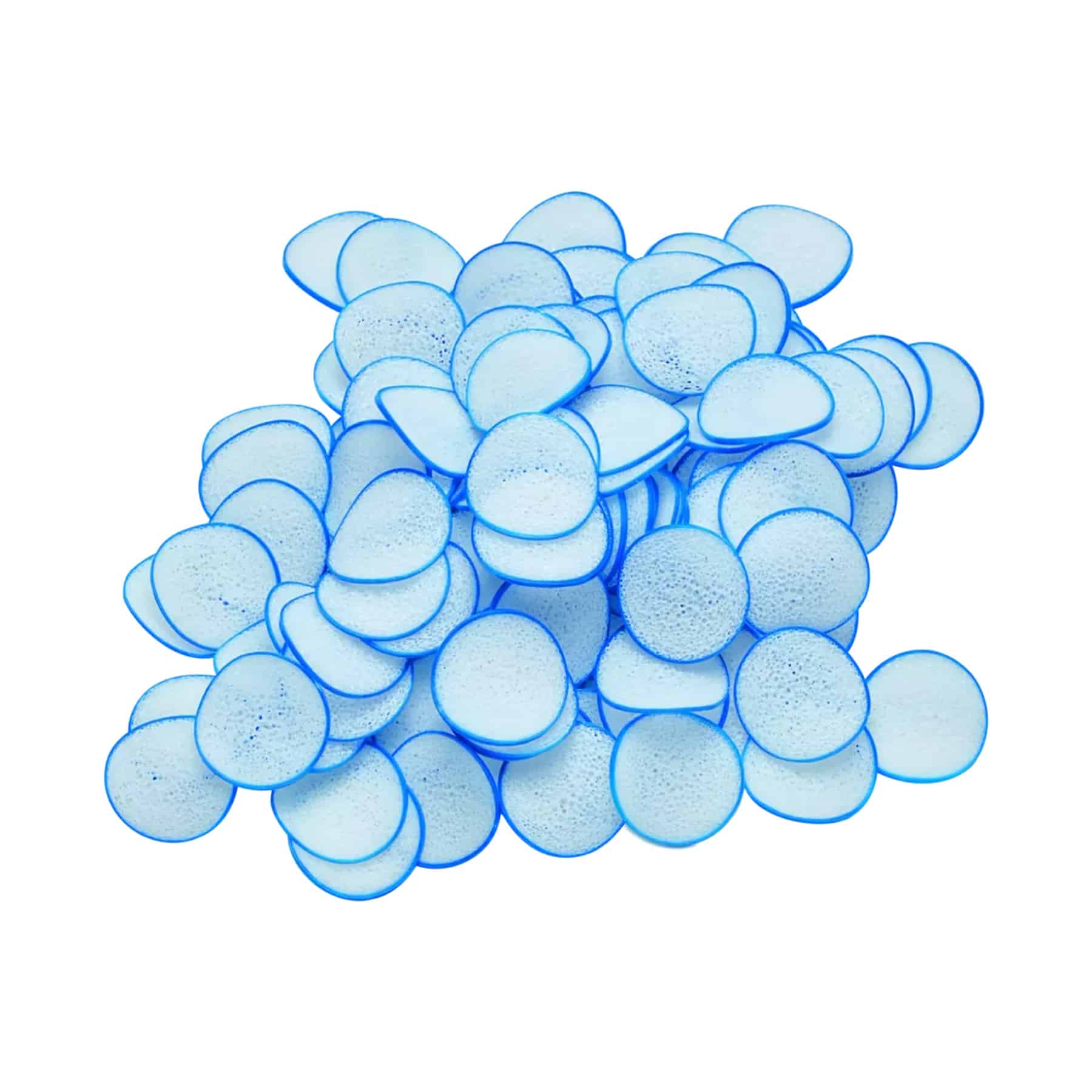


Oase PondPads Biological Filter Media 20L
| Brand | |
|---|---|
| Pack Volume | 20 Litres |
| Media Type | Porous moving-bed biological media |
| Colonisation Surface | 5,000m² per m³ |
| Guarantee | 2 Years |
Oase PondPads 20L high-performance moving-bed media with a manufacturer-stated 5,000m²/m³ colonisation surface for koi and pond filters.
£95.49 (inc VAT)
Oase PondPads High-Performance Biological Filter Media – 20 Litres
Porous moving-bed media with 5,000m²/m³ colonisation surface
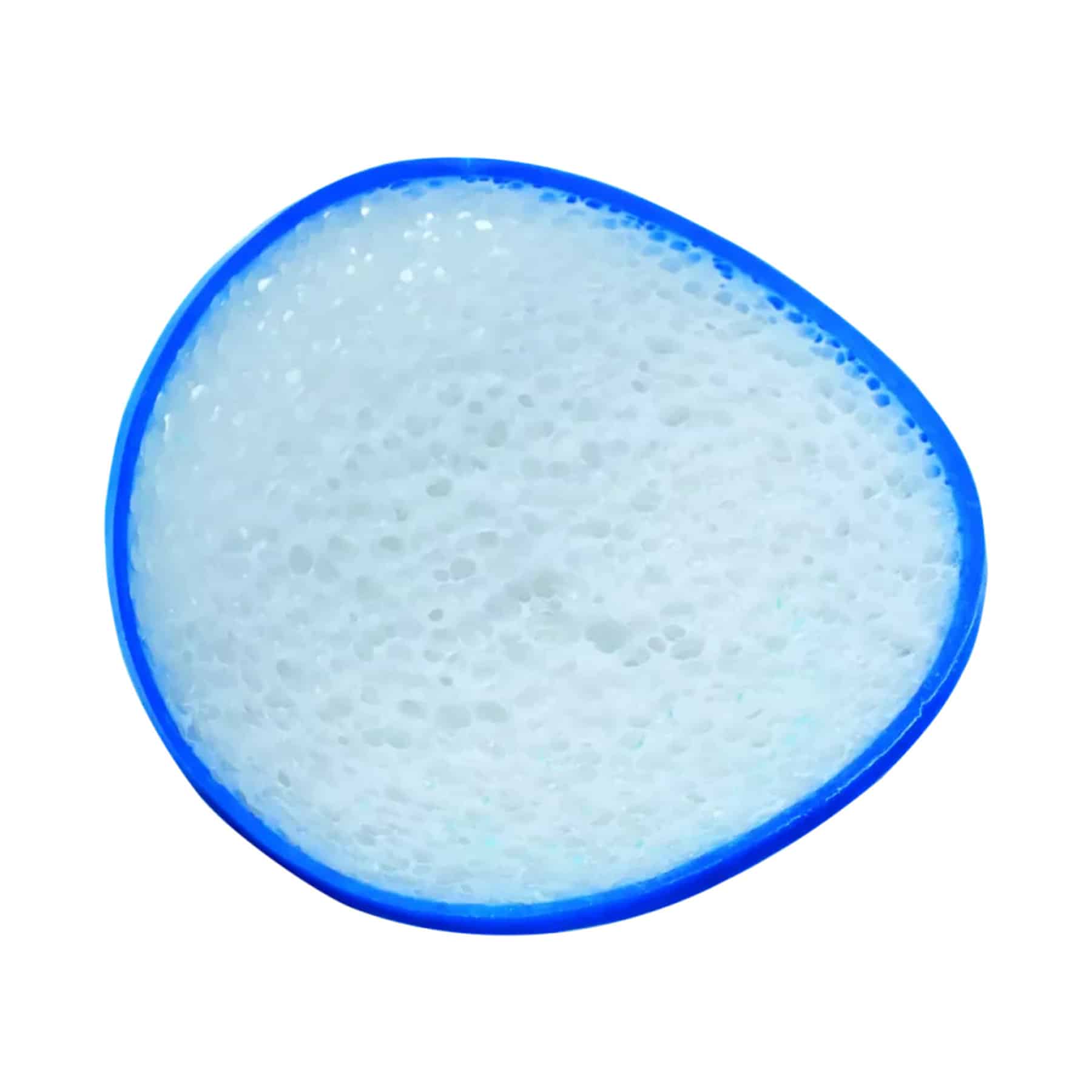
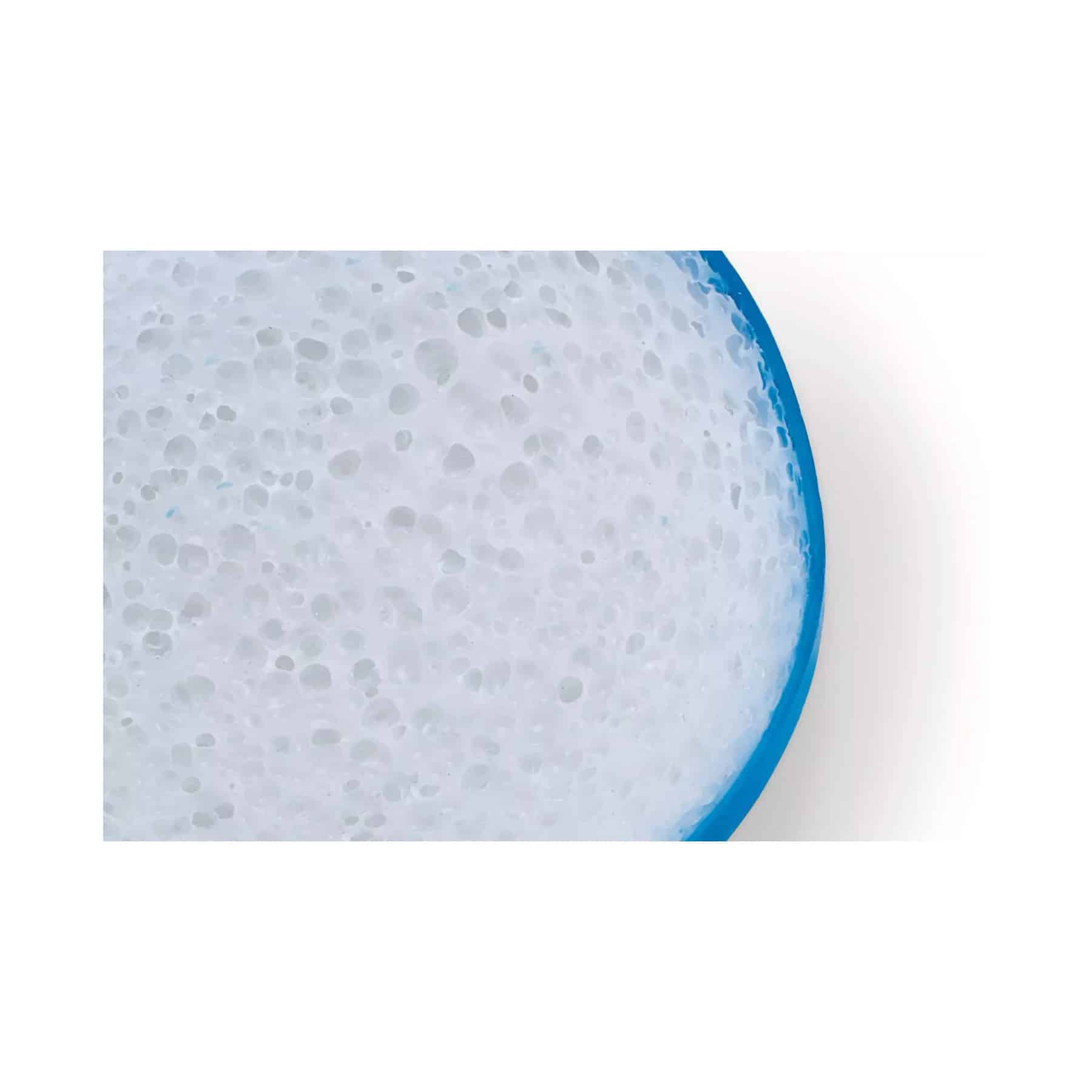
Oase PondPads are a high-performance biological filter medium developed for moving-bed treatment in koi ponds, swimming ponds and garden-pond filtration. Their porous surface structure provides an exceptionally large protected area for microorganisms while the moving bed keeps oxygenated water circulating around the media.
Oase states a colonisation surface of 5,000m² per m³. It also says that 10 litres of PondPads break down waste associated with approximately 215 g of feed in 24 hours. Its current part-73372 page does not separately certify a daily feed capacity for this 20-litre pack. A simple doubling would ignore the chamber, oxygen supply and biological maturity. Real pond performance depends on temperature, oxygen, flow, media maturity, water chemistry and how efficiently solids are removed before the biological stage.
Verified specification
| Oase part number | 73372 |
|---|---|
| GTIN | 4010052733722 |
| Pack volume | 20 litres |
| Net weight | 2.7kg |
| Colonisation surface | 5,000m²/m³ |
| Manufacturer-stated biological reference | Approx. 215g feed per 10L per 24 hours under specified conditions |
| Guarantee | 2 years |
Planning a PondPads moving bed
Use PondPads in a chamber designed to keep them moving without allowing them to enter outlets or drains. The air diffuser should turn the whole bed rather than creating one violent column and several dead zones. Leave adequate free volume; packing a chamber solid prevents the movement and oxygen exchange on which the process depends.
Mechanical pre-filtration is equally important. Removing faeces, uneaten food and leaf debris before the biological stage prevents the porous media from carrying an unnecessary solids load. For a complete system, compare Oase ProfiClear Premium Compact filters, our wider pond-filter media and suitable pond aeration.
How to set up the 20-litre pack
Check the physical space in the intended moving-bed chamber before ordering. Twenty litres is the volume supplied in the pack, not a recommendation to fill every chamber to that level. The media must have room to circulate freely, and the retaining screens must hold the individual pads without restricting water leaving the chamber. Confirm the filter manufacturer’s media-fill guidance, aeration arrangement and service access. An enclosed pocket where the pads sit still will not perform like a properly moving bed.
Keep air and water moving through the biological stage whenever the filter is in use. The air supply must be strong enough to roll the entire bed without constantly forcing media against one outlet screen. If some pads collect in a corner, check diffuser placement and the chamber’s flow path before adding more media. A blocked mechanical stage can starve the bed of flow even when its own airline is working. Make these checks during normal maintenance rather than waiting for a water-quality problem.
Allow the biology to mature
Fresh PondPads are not a mature filter. Bacteria need a stable supply of oxygenated pond water and time to establish a biofilm. During start-up, test ammonia and nitrite regularly and increase feeding only when the system is coping. Cold water, low oxygen, changes in pH or alkalinity and recent treatments can slow or disrupt biological conversion. An established filter’s operating history is therefore more useful than applying a laboratory feed reference without context. Keep existing mature media running during any planned transition where possible, and follow the filter maker’s instructions for the combined media load.
Maturing and maintaining the media
- Rinse new media in clean water without detergent before installation.
- Provide uninterrupted aeration and water flow while the biological filter is operating.
- Increase feeding gradually and test ammonia and nitrite during maturation.
- Protect the bed from chlorine, disinfectants and long periods without oxygenated water.
- Do not attempt to make established media look new; preserve the useful biofilm.
- If the bed stops moving, check air delivery, diffuser condition, media fill and solids accumulation.
Frequently asked questions
Are PondPads the same as plastic K1-style media?
No. They use a different porous pad structure and a much higher stated colonisation surface. Chamber and screen design must suit the physical media.
Can I put all 20 litres in any filter?
No. Follow the filter or chamber specification and retain enough empty volume for continuous movement.
Do the pads arrive biologically mature?
No. New media needs time, oxygen and a controlled nutrient load to develop a stable biofilm.
Will PondPads remove solid waste?
Their primary role is biological treatment. Efficient mechanical filtration should remove settleable and suspended solids before the moving bed.
How much food can 20 litres support?
Oase states an approximately 215 g per 24-hour reference for 10 litres under its conditions, but does not publish a separate guaranteed daily feed allowance for this 20-litre pack. Choose media and filter capacity for the whole pond, increase feed gradually and check ammonia and nitrite rather than relying on a doubled headline number.






Reviews
There are no reviews yet.