






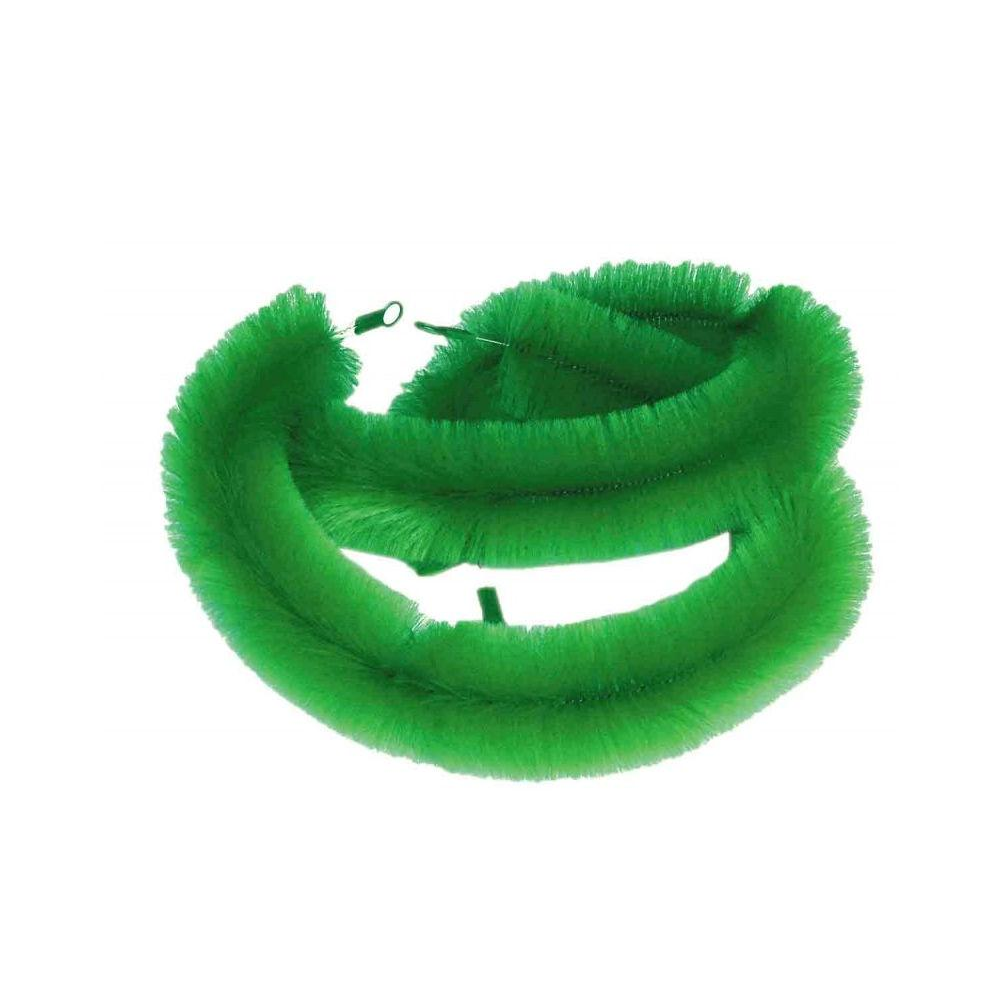
Koi Pro Spawning Brushes – Pack of 2
| Brand | |
|---|---|
| Pack quantity | 2 brushes |
| Manufacturer part number | 08060660 |
| Purpose | Spawning surface |
These Koi Pro spawning brushes provide a surface on which koi can deposit their eggs. The box contains two brushes, making it an option when preparing a pond for breeding or replacing an existing set.
£29.99 (inc VAT)
Koi Pro Spawning Brushes – Pack of 2
A removable egg-laying surface for a planned koi breeding setup
Koi Pro Spawning Brushes provide a place for koi to deposit their eggs in a pond prepared for breeding. This boxed set contains two brushes, identified by Aquadistri as product 08060660. They are particularly useful when you want a spawning surface that can be inspected and moved to a prepared rearing area, rather than relying entirely on eggs deposited around the pond.
What is supplied?
| Brand | Koi Pro |
|---|---|
| Pack contents | Two spawning brushes in a protective box |
| Manufacturer code | 08060660 |
| Supplier code | FM260 |
| Purpose | Surface for koi to deposit spawn |
This is the pair of brushes. A breeding tank, air pump, filter and fry food are separate purchases. The pack quantity describes the contents, rather than a stocking recommendation or a promise that two brushes will suit every pond layout.
How spawning brushes help
Koi eggs are adhesive: during spawning they can attach to suitable underwater surfaces. In a planted environment those surfaces include vegetation and roots. A dedicated spawning brush offers an accessible alternative in a koi pond where planting may be limited. It also gives the keeper a removable surface to work with if eggs are to be transferred away from adult fish.
The brushes support that particular stage of breeding. They do not determine whether the fish are mature, ready to spawn or compatible, and they cannot guarantee fertilisation or hatching. Seasonal temperature and daylight influence spawning activity, so plan around the actual conditions and the fish rather than expecting a fixed calendar date.
Positioning the brushes in your pond
Aquadistri’s accessory guidance places the brushes just below the water surface. Choose a position you can reach comfortably for observation and retrieval. Before introducing them, consider how the pair will sit in relation to pond walls, pipework and other equipment, allowing space for the fish to move around the spawning area.
Check the final position after immersion and follow the instructions supplied with the pack. Keep access to pump intakes and filter equipment clear. If your available space is restricted, ask us to confirm the current brush measurements before ordering; dimensions from a different brand’s spawning brush should not be used to plan this installation.
Have the rearing arrangements ready first
Adult koi may eat both eggs and newly hatched fry. If your aim is to rear young fish, prepare a separate, suitably filtered and oxygenated system before spawning begins. When transferring egg-bearing brushes, avoid a sudden water-temperature change between the parent pond and the receiving system.
Work through the practical sequence beforehand: where the receiving tank will stand, how water will be checked, how equipment will be accessed and who will provide daily care. Make sure the eventual growing space is part of the plan too. A spare bowl is useful for temporary handling, but it does not provide the managed environment required for ongoing rearing.
Water checks during and after spawning
Spawning releases substantial organic material into the pond. Tetra’s koi-care guidance recommends daily ammonia and nitrite checks during this period, effective aeration and filter maintenance as required. Continue observing the adult pond even if you move the brushes elsewhere: transferring the eggs does not remove everything released into the water.
The Colombo Pond Test Lab Professional provides separate ammonia and nitrite tests. Keep a dated record of readings in both systems, alongside the spawning date and maintenance carried out. Clear-looking water alone cannot tell you whether these parameters are satisfactory.
Watch the parent fish after vigorous spawning activity, including for signs of injury. Warm conditions can also reduce available oxygen, so check that aeration is operating reliably through the night as well as during the day. Test results and direct observation together provide a more useful picture than checking the brushes alone.
Prepare food for the first free-swimming stage
Newly hatched koi initially draw on their yolk reserves before starting to feed independently. Tetra’s fry-feeding guidance identifies small first foods such as Artemia and daphnia, with suitable prepared foods introduced as the fish develop. Arrange an appropriate food supply in advance and match particle size to the young fish.
Do not assume that the adult pond’s normal pellets will meet the needs of newly free-swimming fry. Feeding, waste removal and water monitoring need to be planned together, because feeding adds to the load on the rearing system. Seek experienced breeding advice if you have not raised koi before.
Choosing between spawning and filter brushes
Select brushes by their intended use. The Black Knight 16 x 8-inch filter brush is a separate product intended for a filter chamber; these Koi Pro brushes are sold for spawning. Similar appearance does not establish that two products are interchangeable.
Before putting equipment away after breeding, ensure no eggs or fry remain dependent on it. Clean fish-contact equipment appropriately and store it where it will remain clean and protected from crushing. Inspect the brushes again before the next use, and reassess their position if the pond layout has changed.





Reviews
There are no reviews yet.