






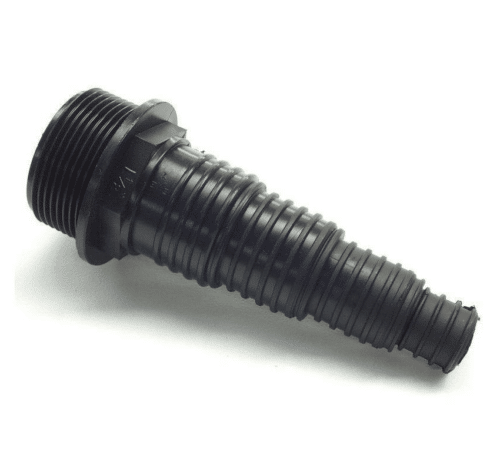
Female BSP Stepped Hosetail — 3/4 Inch Thread
| Fitting type | Stepped hosetail |
|---|---|
| Thread | 3/4 inch female BSP |
| Hose sizes | 1/2 inch, 3/4 inch or 1 inch |
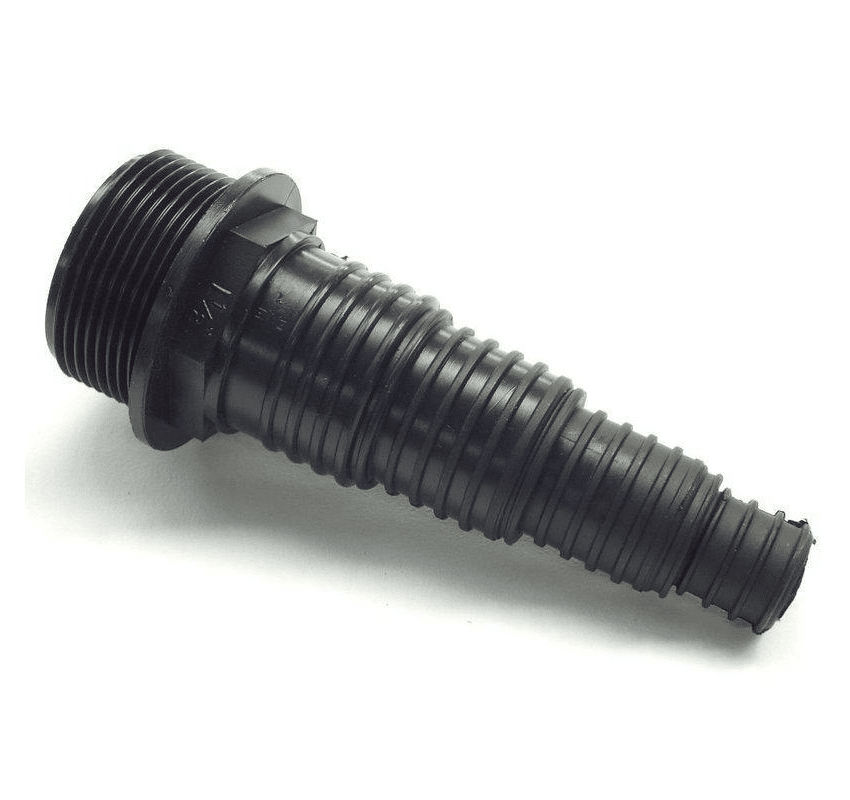
This adaptor has a three-quarter-inch female BSP threaded connection and stepped hose-tail choices for half-inch, three-quarter-inch or one-inch hose. Match the female thread to the equipment’s male port, then choose the correct step for the intended hose bore.
£2.92 (inc VAT)
Female BSP Stepped Hosetail — 3/4 Inch Thread
This adaptor has a three-quarter-inch female BSP threaded connection and stepped hose-tail choices for half-inch, three-quarter-inch or one-inch hose. Match the female thread to the equipment’s male port, then choose the correct step for the intended hose bore.
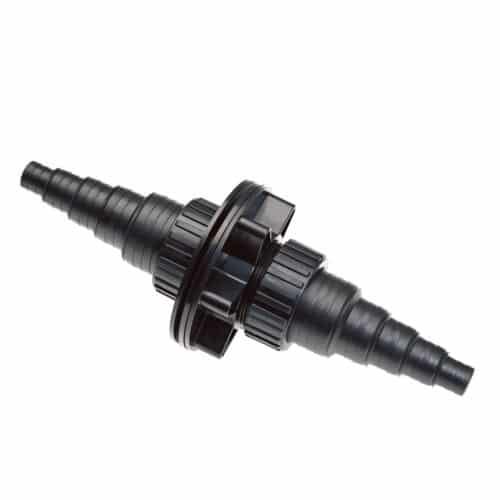
A stepped tail provides several listed hose-size positions on one adaptor. Check the receiving equipment and follow the fitting instructions for the selected position. If trimming is needed, remove only the sections that the fitting design allows and keep the intended retaining area intact.
Connection and supplied quantity
| Option | Supplied unit |
|---|---|
| 3/4 inch female BSP to 1/2, 3/4 or 1 inch hose | One stepped adaptor |
The selected item supplies the stated fitting. Hose, clamps, separate sealing materials, pumps and other installation parts are not included. Read the full connection description before ordering, because the thread and hose measurements identify different parts of the assembly.
Understand the complete connection
BSP means British Standard Pipe. Its nominal inch designation is a connection name, not a direct ruler measurement across the outside of a thread. Identify the receiving port from its instructions or a correctly identified existing fitting rather than choosing from an approximate outside diameter.
A male thread connects to the appropriate female receiving thread, while a female threaded fitting needs the matching male connection. Start a compatible thread squarely and check that it engages correctly. Do not use force to make different thread standards or damaged components fit together.
Match the hose side separately
Where the selected fitting includes a hose tail, choose the compatible hose by its internal diameter and intended application. The thread size does not determine that hose bore. Two fittings with the same nominal BSP thread can have different tails and therefore require different hose sizes.
Check the hose condition and its outside profile before selecting a retaining clip. Wall thickness affects the outside size of the assembled joint. A clip secures a correctly matched hose and tail; it cannot restore a split hose or correct an incompatible bore.
Plan the fitting position
Arrange the connection where it can be inspected and serviced. Leave enough room around the threaded joint and any hose retaining clip to use the appropriate tools. Consider how the water route will be drained or isolated when the equipment needs maintenance.
Support the connected hose or pipe independently so that its weight does not pull sideways on a small equipment port. Keep the route relaxed and avoid a sharp fold immediately beside a tail. A correctly sized fitting still needs a suitable layout to remain practical in use.
Follow the equipment’s limits
The stated connection dimensions do not establish a pressure or temperature rating for the whole water circuit. Match the fitting and surrounding components to the operating conditions required by the equipment. Use a documented component where a specific rating is essential to the installation.
If the route involves flow adjustment, follow the pump, filter and UV instructions. A valve changes the water route; it does not increase pump output. Adjusting or closing a connection can affect other parts of the circuit, so check the complete arrangement before returning it to normal operation.
Fit the threaded connection correctly
Safely isolate the equipment and drain the affected section before disconnecting the original fitting. Inspect the receiving port, remove unwanted debris and check that the threads are sound. Do not continue assembly if a fitting is cracked, distorted or unable to start correctly.
Use the sealing method intended by the receiving connection. A flat washer joint and a joint sealed on the thread operate differently. Follow the equipment instructions rather than adding a guessed combination of tape, adhesive and sealant to every fitting.
Secure a compatible hose
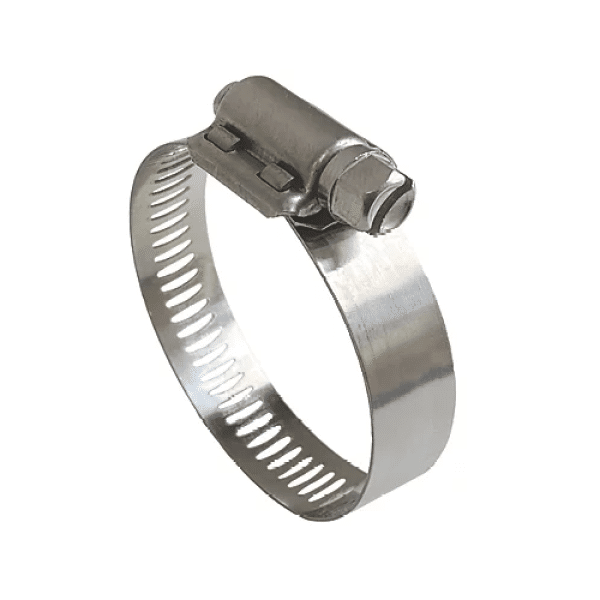
Where a tail is present, place the appropriate clip over the hose before fitting if the arrangement requires it. Seat the hose fully into its intended position, align the clip correctly and tighten without cutting into the wall or crushing the tail.
Keep the finished joint accessible for inspection. Do not use a projecting hose branch as a long lever to tighten the threaded end. Excess force can damage the receiving port or distort the intended sealing arrangement even when the nominal size is correct.
Test and maintain the connection
Refill and restart the circuit as the equipment manual describes. Inspect the threaded connection and every affected hose joint under normal operation. Confirm that the intended water flow is available and that the fitted component can be reached for future checks.
If a joint leaks, isolate the circuit and check the cause. Repeated tightening is not a substitute for correcting an unsuitable seal, damaged hose or mismatched connection. Recheck the route after moving the equipment or changing another part of the installation.
Compare related water fittings
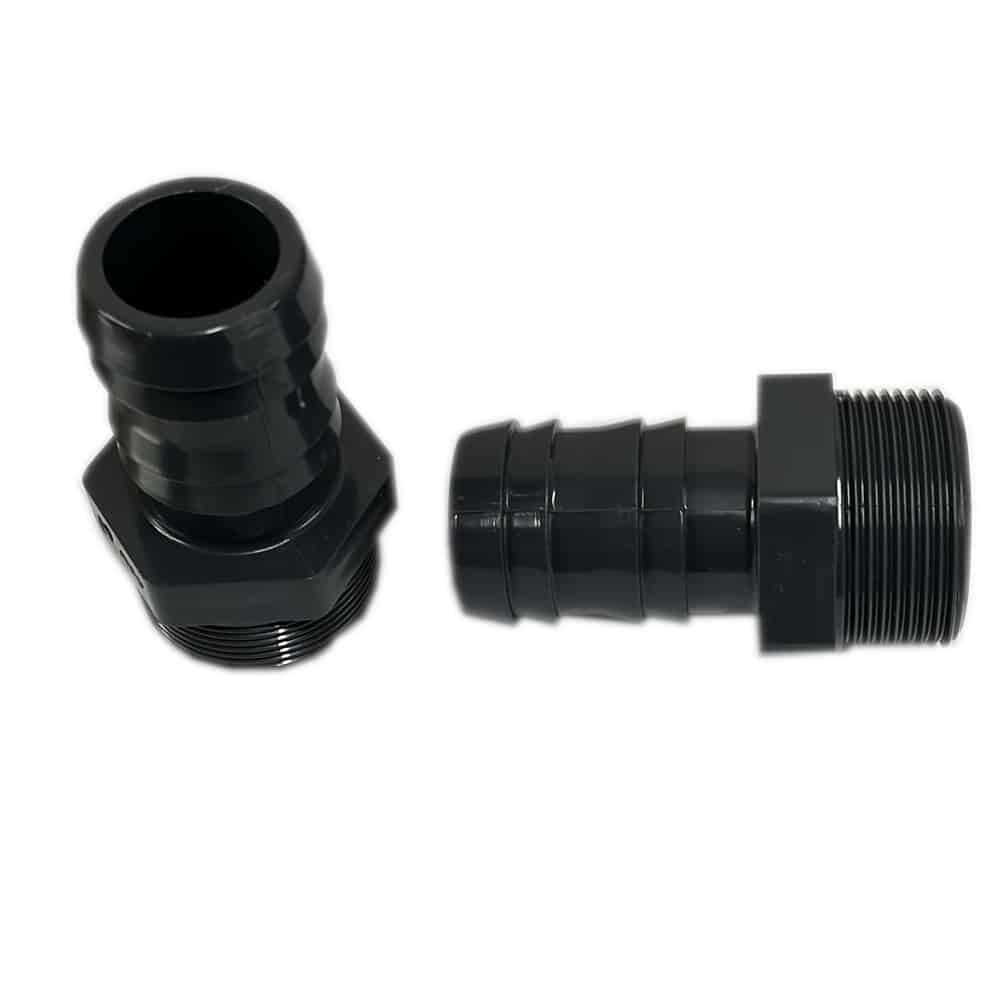
Our straight 1½ inch threaded hosetail and stepped 1½ inch male BSP hosetail are separate connection choices. Our stainless steel hose clips offer retaining options for matching hose joints. Compare the complete dimensions and application before selecting an alternative.


Reviews
There are no reviews yet.