





Filter Pond Plants
Floating Pond Plants
Natural shade, nutrient control and valuable shelter for healthy UK ponds
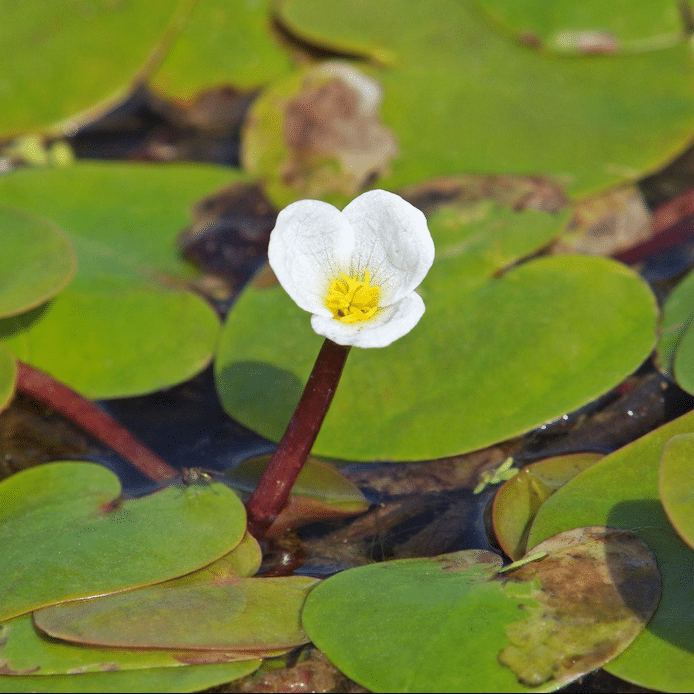
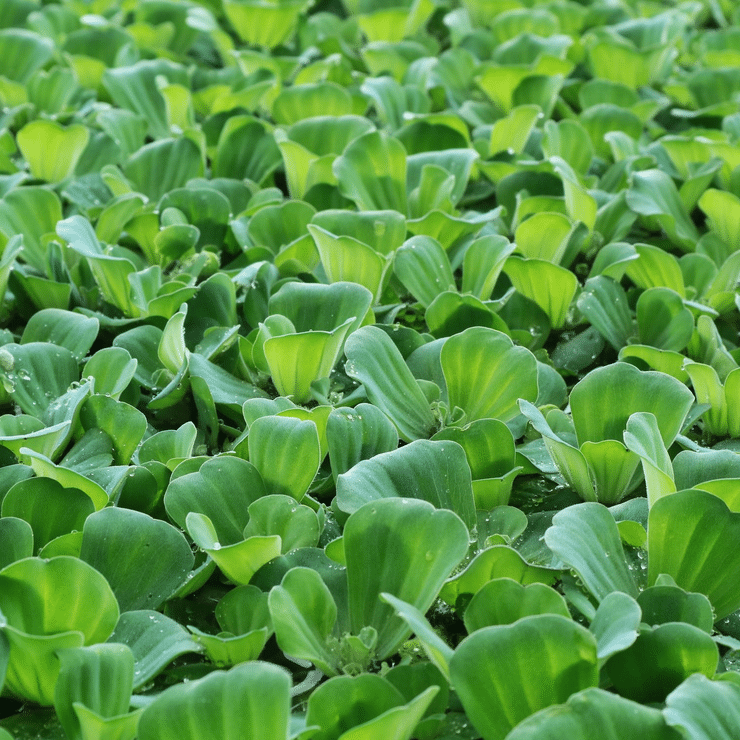
Floating pond plants are one of the simplest ways to add greenery, shade and natural interest to a pond. Unlike marginal plants, water lilies and other basket grown aquatic plants, floating plants rest freely on the water surface, with their roots hanging directly into the pond.
They do not normally require aquatic baskets, compost or a permanent planting position. Once unpacked, they can simply be placed onto the water and allowed to settle naturally. This makes them particularly useful for ponds without planting shelves, newly established ponds and areas where additional surface cover is required.
Floating pond plants can contribute to a healthier pond environment by absorbing nutrients directly from the water through their trailing roots. These nutrients include nitrogen based compounds and phosphates that might otherwise support excessive algae growth.
Their leaves also create shade across the pond surface, reducing the amount of direct sunlight entering the water. This can help make conditions less favourable for green water and blanketweed while also providing cooler, sheltered areas during warm weather.
Floating plants cannot guarantee clear water on their own. Fish numbers, feeding, sunlight, filtration, water quality and regular maintenance will all affect the condition of a pond. However, when used as part of a balanced planting scheme, floating plants can make a valuable contribution to clearer and more stable water.
The roots and foliage provide useful habitat for pond wildlife. Tadpoles, aquatic insects and small fish can shelter among the hanging roots, while the shaded areas beneath the plants offer protection from strong sunlight and predators. Floating plants can therefore be particularly valuable in wildlife ponds and naturally planted garden ponds.
Different varieties offer different leaf shapes, colours, flowers and growth habits. Some remain relatively compact, while others can multiply quickly during warm weather and may need occasional thinning. Choosing a variety suited to the size and conditions of your pond will help prevent overcrowding.
£18.50 (inc VAT)
❄️ Out of season - available next yearPrice range: £95.00 through £155.00 (inc VAT)
✔️ In stock - ready for dispatch£18.50 (inc VAT)
❄️ Out of season - available next year
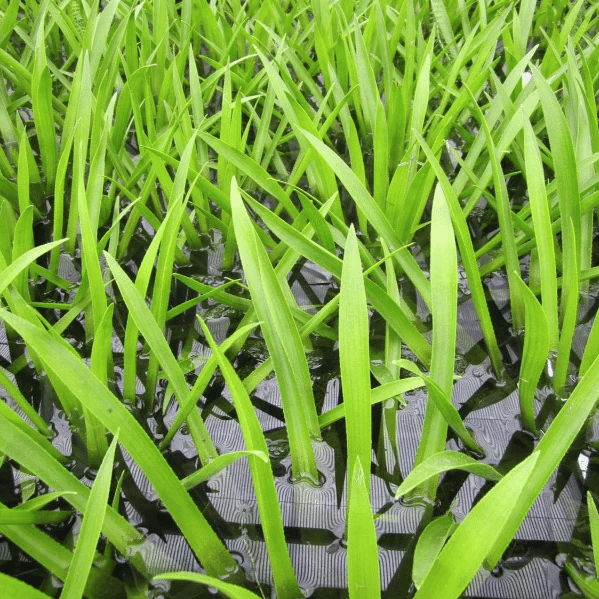
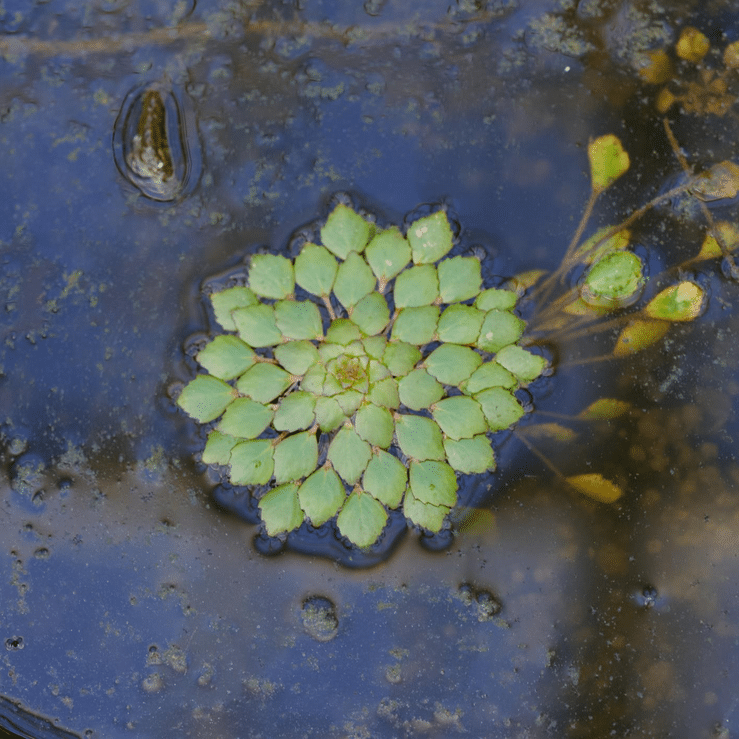
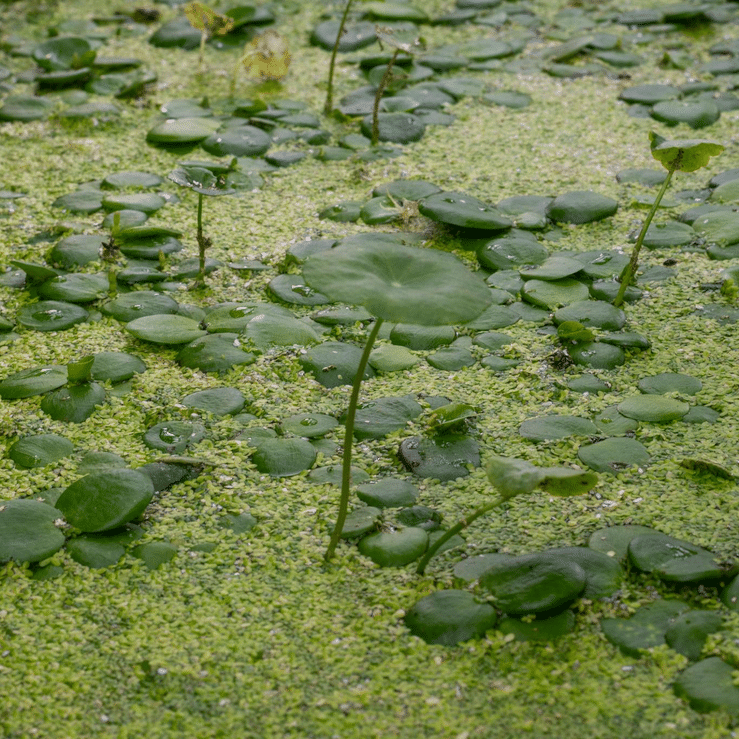
Key Benefits of Floating Pond Plants
- Provide natural shade across the water surface
- Absorb nutrients directly from the pond water
- Help make conditions less favourable for excessive algae
- Create shelter for fish, tadpoles and aquatic insects
- Add instant greenery without baskets or aquatic compost
- Suitable for ponds without planting shelves
- Help soften the appearance of formal ponds and water features
- Easy to remove, reposition or thin when required
Choosing the Right Floating Pond Plants
When selecting floating plants, consider the size of your pond, the amount of sunlight it receives and the strength of the water movement.
Floating plants generally perform best in still or gently moving water. Constant disturbance from waterfalls, fountains, powerful return pipes or aeration can push plants into one area, overturn them or keep their leaves permanently wet.
They should also be kept away from pump inlets, surface skimmers and filter intakes. Long roots and loose foliage can become drawn into equipment and may restrict the flow of water.
Some floating plants grow and multiply rapidly in warm, sunny conditions. This can be useful when quick surface cover is required, but compact ponds may need regular thinning to maintain open water.
Each product page includes information about the expected growth rate, preferred conditions, seasonal availability and winter care.
How Much Surface Coverage Is Recommended?
Floating leaves from floating plants, water lilies and deep water plants can ideally cover approximately 50% to 66% of the pond surface during summer.
This level of coverage can provide useful shade while still leaving open water for gas exchange, water circulation and viewing fish.
The ideal amount will depend on the design of the pond. Wildlife ponds may suit a more natural and densely planted appearance, while formal ponds and koi ponds may require more open water.
Floating plants should be thinned if they begin covering the entire surface. Complete coverage can restrict light from reaching submerged plants and may reduce gas exchange between the water and atmosphere.
Seasonal Growth and Winter Care
Many floating pond plants grow most strongly during late spring and summer, when the water is warmer and daylight hours are longer.
Some hardy varieties may survive the winter within the pond, while others naturally decline or die back as temperatures fall. Tender plants may not survive freezing conditions and are sometimes treated as seasonal additions in the UK.
Plants purchased early in the growing season may initially appear small, but suitable varieties can develop quickly once the water warms. Always check the individual product information for specific winter care and seasonal availability.
During the growing season, remove yellowing leaves and any decaying material before it sinks into the pond. Excess plants can be thinned by hand and added to a compost heap where suitable.
Using Floating Plants With Other Pond Plants
Floating plants work particularly well when combined with oxygenating plants, marginal plants, deep water plants and water lilies.
Oxygenating plants provide submerged growth and habitat beneath the water. Marginal plants add height, colour and structure around the edges. Water lilies and deep water plants create more permanent surface cover from baskets positioned below the water.
Using several different types of pond plant creates a more varied and balanced environment than relying on floating plants alone.
Care should be taken not to create excessive surface coverage. Floating plants can spread between the leaves of established water lilies, so occasional thinning may be necessary to ensure every plant has enough light and space.
Are Floating Plants Suitable for Fish Ponds?
Floating plants can be used in ponds containing goldfish and other ornamental fish. Their roots provide shade and shelter, and their foliage can make fish feel more secure.
However, some fish may nibble the roots or disturb the plants. Large koi can be particularly destructive and may eat or damage floating plants before they have time to establish.
Floating plants should not be relied upon to control water quality in a heavily stocked fish pond. Suitable filtration, water movement and regular maintenance will still be required.
Why Buy Floating Pond Plants From That Pond Guy?
Our floating pond plants are selected for their health, strength and suitability for British garden ponds. Each product includes clear information about its growing conditions, eventual spread, seasonal availability and care requirements.
We combine carefully selected aquatic plants with practical pond experience, reliable UK delivery and helpful advice when required.
Whether you are looking to add shade to a fish pond, improve a wildlife habitat or introduce instant surface cover, you can order with confidence from experienced pond specialists.
Products in the Current Floating Range
The Floating products on this page link directly to their current specifications, variations and prices. If the right option is unclear, tell us what you already own and what you need the new item to do.
Frequently Asked Questions – Floating Pond Plants
What are floating pond plants?
Floating pond plants are aquatic plants that rest freely on the surface of the water rather than being planted into aquatic baskets or compost.
Their leaves remain above or directly on the water, while their roots hang beneath the surface and absorb nutrients directly from the pond. Depending on the variety, floating plants may form individual rosettes, produce runners or multiply into larger groups during the growing season.
How are floating plants different from water lilies?
Floating plants are not rooted into a basket at the bottom of the pond. They move freely across the surface and take nutrients directly from the water through their hanging roots.
Water lilies grow from rhizomes planted in aquatic baskets. Their stems rise through the water and support floating leaves and flowers at the surface.
Both provide surface shade, but their planting requirements and growth habits are very different.
Do floating pond plants need aquatic baskets or compost?
Most true floating pond plants do not need baskets, soil or aquatic compost. They are simply placed onto the surface of the pond, where their roots hang freely into the water.
This makes them useful in ponds without planting shelves or where additional surface cover is needed without introducing another basket.
Always check the individual product description, as some plants commonly associated with surface planting may still have different requirements.
Can I place floating plants directly onto the pond surface?
Yes. Floating pond plants can normally be unpacked and placed directly onto calm water.
Allow the plants to settle naturally and avoid positioning them immediately beside a waterfall, fountain, powerful return pipe or pond skimmer. Strong water movement may push them into one corner or repeatedly submerge their leaves.
What are the benefits of floating pond plants?
Floating pond plants can provide surface shade, absorb nutrients from the water and create shelter for fish, tadpoles and aquatic insects.
They are also an easy way to add instant greenery to a pond without needing shelves, baskets or aquatic compost.
Their value will depend on the species, quantity and growing conditions, so they should be used as part of a varied pond planting scheme rather than relied upon alone.
Do floating pond plants help reduce algae?
Floating plants can help make conditions less favourable for excessive algae. Their leaves shade the water, while their roots absorb nutrients as the plants grow.
However, they cannot guarantee an algae free pond. High nutrient levels, excessive feeding, heavy fish stocking, strong sunlight and insufficient filtration can still cause green water or blanketweed.
Floating plants work best alongside suitable pond maintenance, balanced fish numbers and other aquatic plants.
Do floating plants absorb nitrates and phosphates?
Actively growing floating plants absorb nutrients from the pond water, including nitrogen and phosphorus based compounds.
The amount absorbed depends on the plant variety, growth rate, water temperature and the quantity of plants present. A small number of plants will not remove all the nutrients produced by a heavily stocked fish pond.
Removing excess plant growth from the pond also removes some of the nutrients stored within that foliage.
Can floating plants keep pond water clear without filtration?
In a lightly stocked wildlife pond, a varied selection of plants may help support naturally balanced water without mechanical filtration.
In ponds containing larger numbers of fish, floating plants are unlikely to process all the waste produced. Suitable filtration, water circulation and regular maintenance will usually still be required.
Floating plants should support the pond system rather than replace correctly sized filtration.
How many floating pond plants do I need?
The quantity required depends on the variety, initial plant size, growth rate and the surface area of the pond.
Some floating plants remain compact, while others multiply rapidly during warm weather. For this reason, a fixed number per square metre is not suitable for every species.
Begin with a modest quantity and allow room for growth. Additional plants can be added later if the surface remains too open.
How much of the pond surface should floating plants cover?
As a general guide, floating leaves from floating plants, water lilies and deep water plants can cover approximately 50% to 66% of the pond surface during summer.
This provides useful shade while leaving open water for circulation, gas exchange and viewing fish.
The entire surface should not be allowed to become covered. Excess plants should be thinned regularly if they begin forming a continuous layer.
Can too many floating plants be harmful?
Excessive floating plant coverage can restrict light from reaching oxygenating plants beneath the surface. It may also reduce gas exchange and interfere with pumps, skimmers and water circulation.
Dense plant cover can be especially problematic overnight, when aquatic plants use oxygen rather than producing it.
Regular thinning helps maintain a sensible balance between shaded areas and open water.
Do floating pond plants produce oxygen?
Floating plants release oxygen during daylight as part of photosynthesis, but much of this exchange occurs around their leaves at or above the water surface.
They also use oxygen during the night. Floating plants should therefore not be treated as a direct replacement for submerged oxygenating plants or pond aeration.
A healthy pond will usually benefit from several different groups of plants rather than relying on floating varieties alone.
Are floating pond plants good for wildlife ponds?
Floating plants can be very useful in wildlife ponds. Their trailing roots provide shelter for tadpoles, newts, small aquatic creatures and insect larvae.
The foliage creates shaded areas and may provide resting places for frogs and insects. Floating plants are most beneficial when combined with marginal plants, submerged plants and areas of open water.
Native status should be checked on each individual product page if you are creating a specifically native wildlife pond.
Are floating pond plants safe for fish?
Most traditional floating pond plants are suitable for ponds containing fish. Their roots and foliage provide shade, shelter and additional structure within the water.
Some fish may nibble the roots or leaves. Goldfish may cause minor damage, while larger koi can quickly eat, overturn or destroy floating plants.
Always check the specific plant information and avoid using garden pesticides or fertilisers around the pond.
Will koi eat floating pond plants?
Koi frequently investigate and eat floating plants, particularly varieties with soft roots and foliage.
In a koi pond, floating plants may disappear shortly after being introduced. Floating plant rings, protected planting zones or separate filtration areas can sometimes reduce damage, although determined koi may still reach them.
For heavily stocked koi ponds, floating plants should be viewed as an optional addition rather than a dependable part of the filtration system.
Can floating plants be used with water lilies?
Yes. Floating plants can be combined with water lilies, provided the overall surface coverage is monitored.
Water lilies create established areas of broad floating foliage, while floating plants can fill smaller gaps between them. However, fast growing floating plants may crowd the lily leaves or reduce the light available to them.
Remove excess floating growth before it begins covering newly emerging water lily leaves.
Can floating plants be used with oxygenating plants?
Yes. Floating plants and oxygenating plants grow in different parts of the pond and can complement one another.
Floating plants create shade and absorb nutrients near the surface, while oxygenating plants grow mainly beneath the water and provide submerged habitat.
Avoid allowing floating plants to cover the entire surface, as excessive shade can restrict the growth of oxygenating plants below.
Do floating pond plants need full sun?
The preferred light level depends on the variety. Many floating plants grow strongly in full sun or partial shade, but very intense sunlight can sometimes scorch delicate leaves or cause shallow water to become excessively warm.
Heavily shaded ponds may produce slower growth and fewer flowers.
Always check the individual plant information to ensure the variety is suitable for the amount of sunlight your pond receives.
Can floating plants grow in a shaded pond?
Some floating plants will grow in partial shade, although their growth may be slower than in a brighter position.
Ponds beneath dense tree cover may receive too little light for strong growth. Falling leaves and debris can also collect among floating plants and reduce water quality.
Select shade tolerant varieties and monitor them to ensure they are producing healthy new leaves.
Do floating pond plants prefer still water?
Most floating plants perform best in still or gently circulating water. This allows their leaves to remain upright and their roots to hang naturally beneath the surface.
Strong currents can push plants into one area, repeatedly overturn them or force them beneath the water.
In ponds with significant circulation, position floating plants in a sheltered area or use a floating containment ring to keep them away from powerful flows.
Can floating pond plants grow near a waterfall?
Floating plants can grow in the same pond as a waterfall, but they should not be placed directly beneath the falling water.
Constant splashing can damage delicate leaves, repeatedly submerge the plants and push them away from the area. Position them in a calmer section of the pond where the surface remains relatively settled.
Can floating plants grow near a fountain?
Most floating plants do not perform well immediately beside a fountain. Spray and surface movement can overturn the plants, keep their leaves wet and prevent them from settling naturally.
They may be suitable in a sheltered area farther away from the fountain. A floating ring can also help keep them within a calmer section of the pond.
Can floating plants block a pond pump?
Floating plants can block or restrict a pump if their roots or loose leaves are drawn into the intake.
Keep them away from pump inlets and inspect the pump guard regularly during periods of strong plant growth. A suitable intake cage can help prevent roots and foliage from entering the pump.
Can floating plants block a pond skimmer?
Yes. Pond skimmers are designed to draw material from the water surface, so they may also pull in floating plants.
Position the plants away from the skimmer opening or use a floating barrier to prevent them drifting into the intake. Regular checks are important because changing wind direction can move plants across the pond.
Can floating plants be kept inside a floating ring?
Yes. Floating rings can be used to keep plants within a particular section of the pond.
They are useful for preventing plants from reaching skimmers, pumps, fountains or waterfalls. They can also provide limited protection from fish, although large koi may still disturb plants from underneath.
Can floating plants be moved around the pond?
Yes. One of the advantages of floating plants is that they are easy to reposition.
They can be moved into a sunnier or calmer area if they are not growing well. Handle the plants carefully and support the roots where possible, as long trailing roots can be damaged if pulled or tangled.
Do floating pond plants need fertiliser?
Floating plants absorb nutrients directly from the pond water and do not usually require additional fertiliser.
Adding general plant fertiliser to a pond can encourage algae and may be harmful to fish or wildlife. If floating plants are growing poorly, it is usually better to check the sunlight, water temperature, fish damage and water movement before considering feeding.
Why are my floating plants turning yellow?
Yellow leaves may be caused by natural ageing, cold water, poor light, nutrient shortages, fish damage or unsuitable water conditions.
Remove badly damaged leaves and check whether the plant is producing healthy new growth. A small number of yellowing older leaves is normal, especially when plants are adjusting after delivery.
Why are my floating plants turning brown?
Brown leaves can develop after frost, strong sunlight, physical damage, repeated splashing or a sudden change in water conditions.
Tender plants may also begin to decline naturally as temperatures fall. Remove dead foliage and check that the plants are positioned in calm water with suitable light.
Why are my floating plants sinking?
Some floating plants may temporarily sit low in the water after transport or handling. Damaged leaves, trapped water, weak roots or repeated disturbance can also cause them to sink.
Move the plants into calm, shallow water and remove any badly damaged material. Healthy plants should usually regain their natural position once they settle.
Why are my floating plants being pushed to one side?
Wind, pump returns, fountains and waterfalls can all move floating plants across the pond.
This is normal because the plants are not rooted in place. A floating ring or barrier can be used to keep them within a chosen area if constant movement becomes a problem.
Why are the roots of my floating plants getting shorter?
Fish may be nibbling the roots, particularly goldfish and koi. Strong water movement can also cause delicate roots to break.
Shortened roots do not always mean the plant will die, but continued damage may reduce its ability to absorb nutrients. Moving the plants into a protected area can help.
Should I trim the roots of floating pond plants?
Floating plant roots do not normally need regular trimming.
Very long roots can sometimes be shortened slightly if they are becoming tangled around equipment or interfering with other plants. Avoid removing too much at once, as the roots are responsible for absorbing nutrients from the water.
Should I remove dead leaves from floating plants?
Yes. Dead, yellow or decaying leaves should be removed regularly.
This keeps the plants tidy and prevents unnecessary organic matter from sinking into the pond. Decaying material can release nutrients back into the water and contribute to poor water quality.
How often should floating plants be thinned?
Floating plants should be thinned whenever they begin covering too much of the pond surface or interfering with equipment and other plants.
During warm weather, fast growing varieties may need attention every few weeks. Growth will usually slow considerably as temperatures fall.
What should I do with excess floating plants?
Excess plants can often be added to a garden compost heap, provided they are not legally restricted or capable of spreading into natural waterways.
Never release unwanted pond plants into streams, rivers, lakes or public ponds. Allow the plants to drain beside the pond first so that small aquatic creatures have an opportunity to return to the water.
Do floating pond plants die back in winter?
Some floating plants naturally slow down, lose leaves or disappear during colder weather.
Hardy varieties may survive as dormant buds or small plantlets, while tender varieties may die once exposed to frost. Winter behaviour varies between species, so the individual plant guidance should always be checked.
Can floating pond plants survive frost?
Some hardy floating plants can survive normal UK winter conditions, but tender varieties are unlikely to tolerate frost.
Plants in small or shallow ponds are more vulnerable because the water cools and freezes more quickly. Tender plants may need to be moved indoors before the first frost if you want to keep them for the following year.
Can floating plants be overwintered indoors?
Some tender floating plants can be kept indoors in a frost free container of pond water.
They will need suitable light, stable temperatures and regular checks to prevent the water becoming stagnant. Successful overwintering is not guaranteed, and some varieties are easier to replace each spring.
When is the best time to add floating plants to a pond?
Late spring and early summer are generally the best times to introduce floating plants because the water is warming and active growth is beginning.
Plants can also be added later in summer, although they will have less time to establish before cooler weather arrives. Availability will vary according to the species and seasonal growing conditions.
What should I expect when floating pond plants arrive?
Floating pond plants can look different depending on the variety, season and recent weather conditions.
Plants sent early in the growing season may be smaller and have fewer leaves than those dispatched during summer. Some minor leaf damage can also occur during transport, but healthy roots and new growth are more important than perfect older foliage.
Place the plants onto suitable pond water as soon as possible after delivery.
How quickly should floating plants be placed into the pond after delivery?
Floating plants should be unpacked and placed onto the pond as soon as reasonably possible.
If immediate placement is not possible, keep them in a clean container of pond water in a sheltered position. Protect them from strong sunlight, drying winds and frost.
They should not be left sealed inside their packaging for longer than necessary.
Can floating pond plants be kept temporarily in a bucket?
Floating plants can be kept temporarily in a clean bucket or container filled with pond water.
The container should be kept in a bright but sheltered position, and the water should not be allowed to overheat. A bucket is only a temporary solution because water quality and oxygen levels can deteriorate quickly.
Transfer the plants into the pond as soon as possible.
Will floating plants arrive with long roots?
Root length varies according to the plant variety, maturity and season.
Some plants arrive with well developed trailing roots, while younger plants may have shorter roots that lengthen after being placed into the pond. Roots can also become shortened during transport without permanently harming a healthy plant.
New root growth should develop if the plant is kept in suitable conditions.
How can I tell whether a floating pond plant is healthy?
A healthy floating plant should have a firm growing point, healthy roots and signs of fresh leaf development during its active season.
Some older leaves may be marked, yellow or damaged, particularly after transport. This is not usually a concern if the centre of the plant remains firm and new growth is appearing.
Seasonal dormancy should also be considered, as plants may naturally look smaller during cooler weather.
What should I do if floating plants arrive damaged?
Unpack the plants carefully and remove any leaves that are completely broken or decaying.
Place the remaining healthy plants onto calm pond water and allow them time to settle. Minor leaf damage does not normally prevent recovery if the roots and growing point are healthy.
If the plants appear severely damaged, take clear photographs and contact the supplier promptly.
Can floating pond plants be used in a newly built pond?
Yes, provided the pond is ready to support aquatic life.
Tap water should be treated with a suitable dechlorinator where necessary, and any concrete, cement, sealant or fibreglass finish must be fully cured before plants are introduced.
The pond should also contain calm areas where the plants will not be pushed into equipment or repeatedly submerged.
Are floating pond plants suitable for small ponds?
Floating plants can work very well in small ponds because they do not need planting shelves or baskets.
However, fast growing varieties can cover a small surface area quickly. Start with a modest quantity and thin the plants regularly so that some open water remains visible.
The eventual spread and winter hardiness of each variety should be checked before ordering.
Are floating pond plants suitable for large ponds?
Floating plants can be used in large ponds, although a greater starting quantity may be required to create noticeable coverage.
Wind and water movement can gather them into one section, so containment rings or sheltered areas may be useful. In very large ponds, floating plants are normally combined with water lilies, deep water plants and marginal planting.
They should not be expected to cover or balance a large pond immediately.
Can floating plants be grown in container ponds?
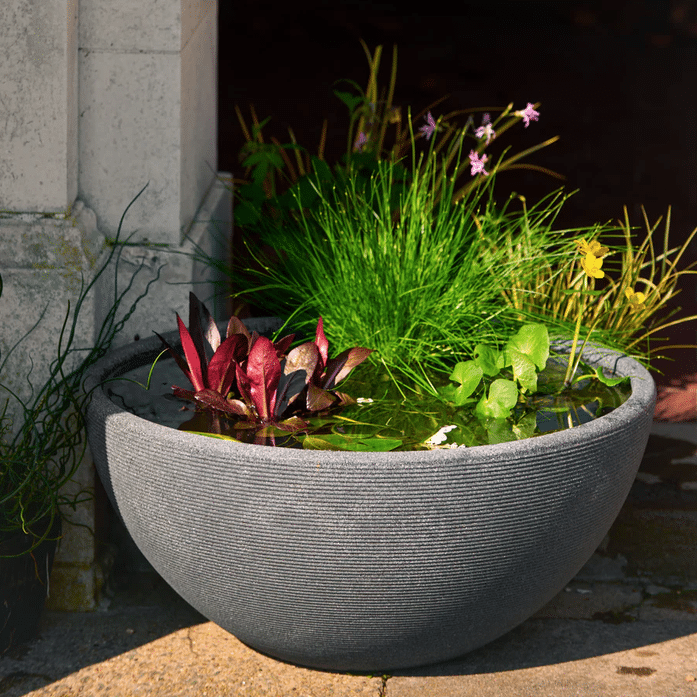
Yes. Floating plants are particularly well suited to barrels, tubs and container ponds because they do not need planting baskets.
Choose compact varieties and avoid allowing the entire surface to become covered. Water levels should be checked frequently because small containers can lose water quickly during warm weather.
Some tender varieties may need winter protection.
Can floating plants be used in raised ponds?
Floating plants can be used successfully in raised ponds if the water surface is calm and the pond receives suitable light.
Raised ponds can warm and cool more quickly than larger ground level ponds, so plant growth and water temperature should be monitored.
Keep the plants away from skimmers, pumps and strong return flows.
Can floating pond plants be used in formal ponds?
Yes. Floating plants can add softness and natural interest to formal ponds and modern water features.
For a controlled appearance, use a limited number of plants or contain them within a floating ring. Regular thinning will prevent them from spreading across areas that are intended to remain open.
Choose varieties that suit the scale and style of the pond.
Can floating pond plants be used in wildlife ponds?
Floating plants are useful in wildlife ponds because they provide shade, shelter and additional habitat.
Their roots can support small aquatic creatures, while the leaves may be used by frogs and insects as resting places. They should be combined with native marginal plants, submerged plants and open water for a varied habitat.
Check whether each variety is native if this is important to the planting scheme.
Are floating pond plants suitable for newts?
Floating plants can provide useful shelter for newts and the aquatic insects they feed upon.
Their trailing roots create protected areas within the water, while the leaves shade the surface. However, a good newt pond should also include submerged plants, dense marginal cover and easy access in and out of the water.
Avoid chemical treatments that could harm amphibians or their food sources.
Are floating plants useful for frogs and tadpoles?
Yes. Tadpoles can shelter among the roots, while frogs may rest near or on larger floating leaves.
The shade created by floating plants can also produce cooler, more sheltered areas within the pond. They are most beneficial when included as part of a diverse planting scheme rather than covering the whole surface.
Some open water should always remain.
Can floating pond plants provide shade for fish?
Floating plants can create useful shaded areas where fish can shelter from strong sunlight.
Their roots and foliage may also help fish feel more secure. However, floating plants should not cover the entire pond, and they are not a substitute for adequate pond depth or suitable aeration during hot weather.
Larger koi may eat or damage them.
Which floating pond plants are best for goldfish ponds?
The best choice depends on pond size, sunlight, water movement and how much the fish interfere with the plants.
Goldfish may nibble the roots of softer varieties but are generally less destructive than large koi. Hardy, reasonably vigorous plants often cope better with occasional damage.
Check the expected spread and seasonal care of each variety before ordering.
Which floating pond plants are best for wildlife ponds?
Plants with dense roots and moderate surface growth can provide useful habitat without overwhelming the pond.
Native varieties are often preferred where the aim is to support local wildlife. However, the best results come from combining floating plants with oxygenators, marginals and areas of open water.
Choose plants that suit the pond depth, sunlight and available surface area.
Are all floating pond plants native to the UK?
No. Floating pond plants include both native and non native species.
Some non native plants grow well in UK garden ponds but may be tender or require winter protection. If you are creating a native wildlife pond, check the native status shown on the individual product page.
Never release unwanted plants into natural waterways.
How do I choose the best floating pond plant for my pond?
Start by considering the pond size, sunlight, water movement, fish population and the amount of surface cover already present.
Choose compact varieties for smaller ponds and more vigorous plants where additional coverage is needed. Check whether the plant is hardy, tender, native or likely to require regular thinning.
The individual product page should explain its expected growth, seasonal availability and preferred conditions.
Can floating pond plants become too invasive for a garden pond?
Some floating plants multiply very quickly during warm weather and can cover a small pond in a relatively short time.
Even when a plant is not officially classed as invasive, it may still become too vigorous for the available space. Regular thinning prevents overcrowding and helps maintain areas of open water.
Always check the expected growth rate before choosing a variety.
Are any floating pond plants restricted in the UK?
Certain aquatic plants may be subject to restrictions because of the risk they pose to natural waterways.
Plant regulations can change, so always purchase from a responsible UK supplier and check current guidance before introducing an unfamiliar species.
Never release pond plants into rivers, streams, lakes, drainage channels or public ponds.
How should unwanted floating pond plants be disposed of?
Remove unwanted plants carefully and leave them beside the pond briefly so that small aquatic creatures can return to the water.
Suitable plants can then normally be composted or disposed of with garden waste. Do not place them into natural waterways or anywhere they could wash into drains, streams or ditches.
Check any specific disposal guidance provided for the individual plant.
Can floating pond plants spread to nearby natural waterways?
Floating plants can potentially be moved by overflowing water, birds, animals or human activity.
Garden ponds close to streams, drainage channels or natural water should be managed carefully. Remove excess growth before it escapes and ensure pond overflow cannot carry loose plants into the wider environment.
Responsible disposal is particularly important with vigorous non native varieties.
Do floating pond plants attract mosquitoes?
Floating plants do not automatically cause mosquito problems, but very dense coverage can create sheltered areas of still water.
A balanced pond containing predators such as aquatic insects, fish and amphibians is less likely to experience large mosquito populations.
Avoid allowing plants to form a complete, stagnant covering across the whole surface.
Can floating plants help reduce mosquito larvae?
Floating plants provide habitat for aquatic insects and other creatures that may feed on mosquito larvae. However, dense plant cover can also create sheltered areas where larvae can develop.
They should not be relied upon as a mosquito control method.
Maintaining a balanced pond with open water, healthy wildlife and suitable circulation is more effective than depending on one type of plant.
Do floating pond plants affect oxygen levels at night?
Like other plants, floating plants use oxygen during the night when photosynthesis stops.
A small or moderate amount of floating growth is unlikely to cause a problem in a healthy pond. However, complete surface coverage combined with warm water, heavy fish stocking or poor aeration can contribute to low overnight oxygen levels.
Regular thinning and maintaining open water help reduce this risk.
Do floating plants affect pond pH?
Floating plants can contribute to normal daily changes in oxygen and carbon dioxide, which may cause small variations in pond pH.
They will not normally correct a serious pH problem. Water hardness, alkalinity, fish stocking, biological activity and the source water used to fill the pond have a greater influence.
Significant or repeated pH changes should be investigated with suitable water testing.
Can floating plants grow in hard or soft pond water?
Many floating plants can adapt to a range of water conditions, but individual varieties may perform better in either harder or softer water.
Sudden changes in water chemistry can be more damaging than a stable water type. Check the growing requirements shown on the product page when choosing plants for unusual water conditions.
Healthy growth is also influenced by sunlight, temperature and nutrient availability.
Can floating pond plants survive in chlorinated tap water?
Untreated tap water may contain chlorine or chloramine, which can damage aquatic life and sensitive plants.
When filling or topping up a pond, use a suitable dechlorinator where required. Avoid placing newly delivered plants into a container of untreated tap water for prolonged periods.
Established plants generally cope better when new water is added gradually and correctly treated.
Can floating plants be used in a rainwater filled pond?
Yes, floating plants can be grown in ponds filled mainly with collected rainwater.
Rainwater can be naturally soft and may contain fewer minerals than tap water. The suitability will depend on the plant variety and the overall pond conditions.
Only collect rainwater from clean surfaces and avoid using water contaminated by chemicals, metals or roofing treatments.
Should floating plants be removed before using a pond treatment?
Some pond treatments can damage aquatic plants, particularly delicate floating varieties.
Always read the treatment instructions carefully before use. The label should explain whether plants need to be removed, whether filtration should be adjusted and whether the product is safe for fish and wildlife.
Plants can be kept temporarily in a separate container of pond water when removal is necessary.
Are floating plants safe with pond salt?
The salt tolerance of floating plants varies between species. Some can be damaged by concentrations commonly used during fish treatments.
Before adding pond salt, check the plant information and calculate the intended concentration accurately. Sensitive plants may need to be removed temporarily and kept in untreated pond water.
Salt should never be added casually without understanding why it is being used.
Can fish medicines damage floating pond plants?
Some fish medicines may harm roots, leaves or the beneficial organisms living around floating plants.
Follow the manufacturer’s instructions and check whether the treatment is suitable for planted ponds. Where necessary, remove the plants before treatment and keep them in a separate container containing untreated pond water.
Do not return them until the treatment instructions confirm it is safe.
Can floating plants be added after using an algae treatment?
This depends on the product used and how long it remains active in the water.
Some algae treatments may affect new or delicate plant growth. Follow the manufacturer’s guidance and complete any recommended water changes before adding plants.
Introducing floating plants will not immediately correct the underlying cause of an algae problem, so nutrient levels, sunlight and filtration should also be considered.
Can floating plants be used in natural swimming ponds?
Floating plants can be used in the planted or regeneration areas of some natural swimming ponds.
They should generally be kept away from the main swimming area, skimmers, circulation inlets and other equipment. Excess growth could interfere with water movement or drift into areas intended to remain clear.
Plant choice should form part of the overall swimming pond design.
Can floating plants be used in pond filter or regeneration zones?
Floating plants may grow successfully in calm planted filter zones where their roots can absorb nutrients from the water.
They must not be allowed to block pipework, pumps, surface skimmers or flow channels. Regular thinning may be required to maintain proper water circulation.
They should support the filtration system rather than replace suitable mechanical and biological filtration.
Do floating pond plants produce flowers?
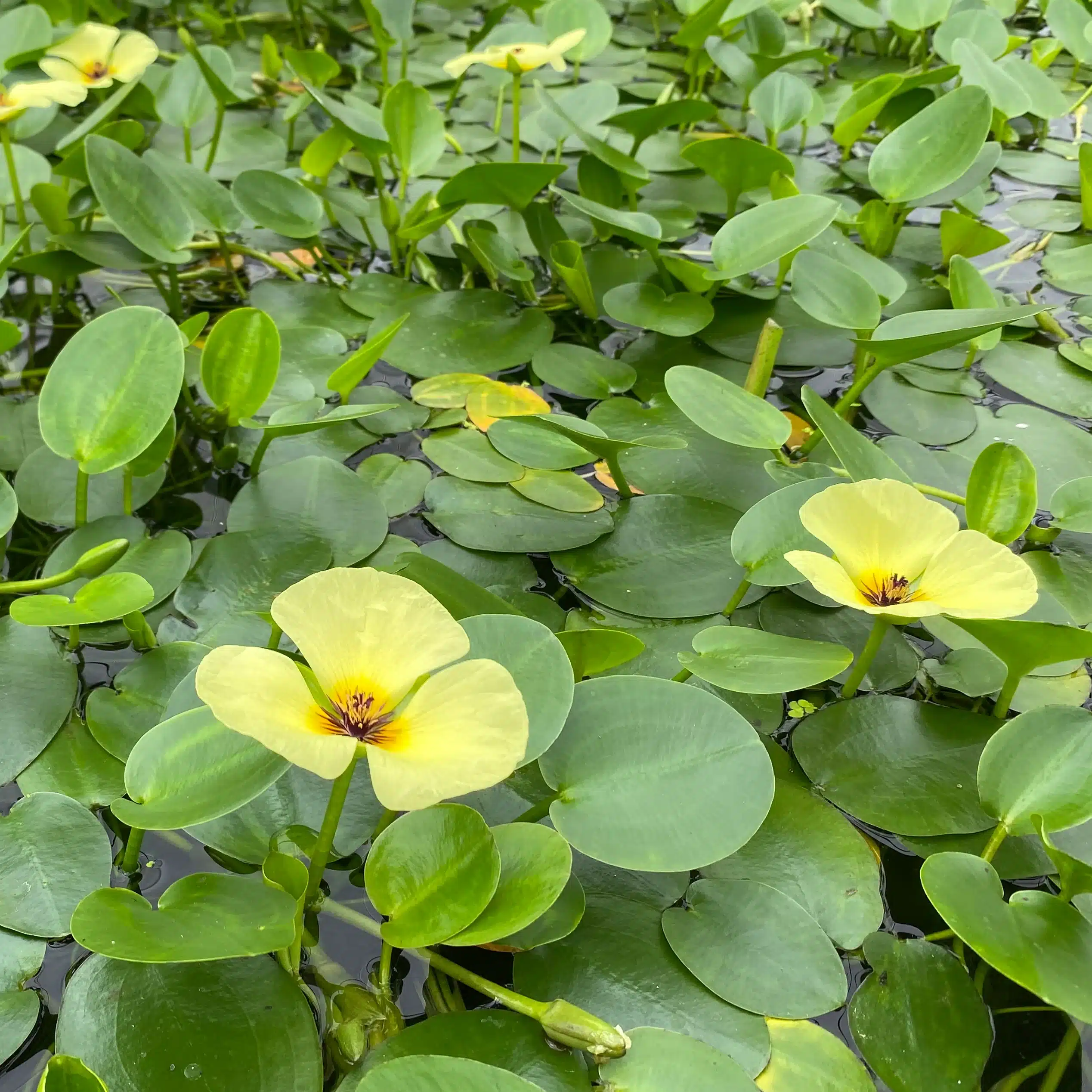
Some floating plants produce attractive flowers during the warmer months, while others are grown mainly for their foliage and trailing roots.
Flowering depends on the variety, sunlight, water temperature, maturity and general growing conditions.
The individual product description should explain the expected flower colour and flowering period.
Why are my floating pond plants not flowering?
A lack of flowers may be caused by insufficient sunlight, cool water, recent planting or the plant not yet being mature enough.
Excessive disturbance from fountains or strong water movement can also restrict healthy growth. Some varieties naturally flower for only a short period or may not bloom every year.
Check that the plant is receiving suitable light and is positioned in calm water.
Can ducks or other birds damage floating pond plants?
Ducks and other water birds may eat, uproot or scatter floating plants while feeding and moving across the pond.
They can also introduce additional waste, which increases nutrient levels and may affect water quality. In ponds regularly visited by ducks, floating plants may need protection or frequent replacement.
A sheltered planted area can sometimes reduce damage, although it may not stop determined birds.
