







Water Lettuce (Pistia stratiotes)
| Size | Pack of 5 Plants |
|---|---|
| Plant Type | Floating |
| Sun / Shade | Full Sun to Part Shade |
| Growth Rate | Medium |
| Native to UK | No |
Tender Water Lettuce has soft green floating rosettes and trailing roots. The listed pack contains five plants, with no basket needed. Not available for delivery to Northern Ireland.
£18.50 (inc VAT)
Water Lettuce (Pistia stratiotes)
Soft green rosettes for a warm, sheltered water garden
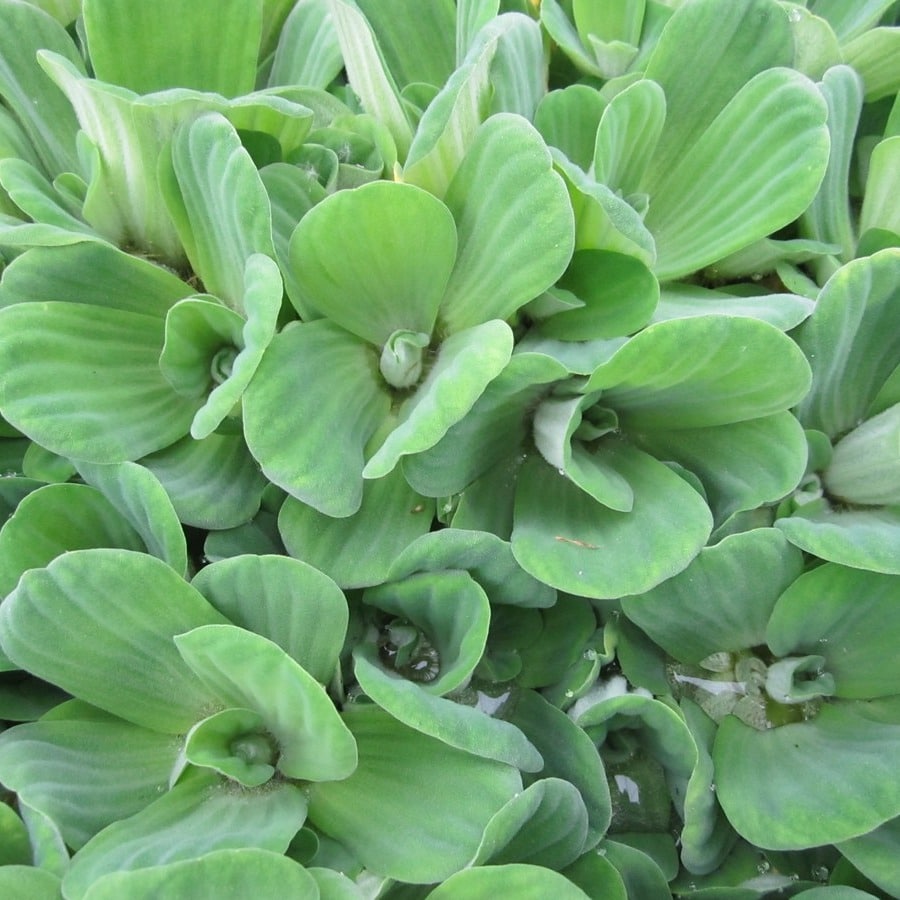
Water Lettuce forms floating rosettes of pale green leaves with a soft, hairy surface and pronounced ridges. Long, fine roots hang beneath them, so the plant has a distinctive outline above and below the water. It gives a different texture from broad waterlily pads or glossy Frogbit leaves, with foliage as its main attraction in a British pond.
The leaves sit at the surface while the roots remain free in the water. Water Lettuce does not need a pond shelf, aquatic basket or compost packed around its roots. This makes its position quite different from a rooted waterlily: the useful space is at the surface, with enough room below for the hanging roots and access to move or thin the rosettes.
New plants develop along runners from the parent rosette. In favourable conditions a small group can broaden across the water, so plan for changing cover rather than treating the five supplied plants as five fixed-size ornaments. Keep some open water and check that neighbouring plants, skimmers and pump intakes remain clear.
This is a tender tropical aquatic, not a hardy plant for a British outdoor winter. Choose a warm, sunny, sheltered position during suitable weather. Before autumn, decide whether you have warm, bright protected conditions for an overwintering attempt, or whether a hardy floating plant would suit your pond better. Lowering Water Lettuce deeper into the pond will not protect its surface leaves from cold.
Use it only in a contained garden water feature and prevent surplus plants or roots reaching natural water. Water Lettuce is harmful if eaten and can irritate skin or eyes, so wear gloves when handling it. This listing is not available for delivery to Northern Ireland.
What you receive
The listed option is a pack of five floating Water Lettuce plants. They are supplied as floating plants, without an aquatic basket. The pack quantity describes the plants supplied; it is not a promise of a fixed surface area of cover when they arrive or after a particular number of weeks.
Unpack promptly and keep the roots wet while preparing their position. The amount of visible growth depends on the season and growing conditions, and a newly supplied group may look more open than an established planting. Avoid leaving the rosettes exposed in drying wind or letting the roots dry in the packaging.
Is Water Lettuce right for your pond?
The practical choice is whether you can provide warmth and shelter, manage its expanding surface cover and plan for its tender winter requirements. The soft, ridged leaves are a foliage feature rather than a reliable outdoor flower display.
- A sheltered surface position: Choose calm or gently moving water away from direct fountain spray, a strong waterfall return and equipment that could draw the rosettes or roots towards an intake. Keep the plants reachable from the pond edge.
- Room to manage the cover: Allow the group to develop without blocking the whole surface. Thin or reposition surplus rosettes before they crowd slower-growing plants or obscure the areas you need to inspect.
- A clear winter plan: Treat it as seasonal outdoor planting unless you have a suitable warm, bright protected growing space. An unheated shed or a deeper shelf is not a substitute for the conditions this tender plant needs.
- A contained garden setting: Keep it within your own managed water feature. Do not introduce it to a natural pond, stream, ditch or other wild water, and do not give away surplus for planting in those places.
Placing your floating plants
Place each rosette gently on the water surface with its roots hanging freely below. Do not bury the centre, tie it to a submerged basket or weigh the leaves below water. There is no basket-to-surface planting depth to measure for this free-floating plant.
Start in a sheltered, sunny part of the feature where you can see how the plants settle. Space the rosettes rather than pressing them into one dense mass. Check the position after wind or changes to the pump flow, especially near a skimmer or a narrow return channel.
Leave enough clear water and space around other planting for routine observation. As runners develop, move or remove surplus plants while they are easy to reach. Check removed growth for small pond animals before taking it away from the water.
Looking after your Water Lettuce
- Keeping the surface open: Look over the group regularly in warm weather and remove surplus rosettes before they cover the whole feature. This keeps the planting manageable and helps you see the water, equipment and neighbouring plants rather than allowing the floating growth to form an unchecked mat.
- Removing decaying leaves: Lift out soft, damaged or decaying growth carefully instead of leaving it to break down in the pond. Retain healthy rosettes and avoid pulling a tangle of roots through other plants or towards an intake.
- Watching the conditions: Water Lettuce responds to warmth, light and shelter. If the leaves decline as the weather cools, first consider the conditions and the plant’s tender nature. Adding more fish food or scattering ordinary garden fertiliser into the water is not an appropriate response.
- Handling the plants: Wear gloves and avoid contact with the eyes or mouth. Water Lettuce is an ornamental plant, not edible lettuce. Wash after handling and keep the plant away from anyone likely to eat ornamental pond planting.
- Containing unwanted growth: Collect removed plants and root fragments so they cannot wash into a drain, ditch or natural watercourse. Ask your local waste service about suitable disposal if needed; do not empty a container of plants or pond water into the wild.
Seasonal appearance and winter care
Water Lettuce is evergreen in suitable warm conditions, but that does not make it evergreen in an ordinary British outdoor pond. Its tender leaves can decline as conditions cool. Remove decaying plants promptly rather than assuming that a rosette will rest safely underwater in the way a hardy waterlily does.
If you intend to try keeping it, move healthy plants into a suitable warm, bright protected setup before cold weather. Keep the roots in water and continue checking for decline or overcrowding. Before choosing this route, make sure the space will stay suitably warm and bright through winter; a frost-free but dim shed is not enough.
What it can contribute to a pond
The leaves create patches of shade, and the growing roots take up nutrients from the water. These are useful characteristics of living planting, but Water Lettuce does not guarantee clear water or replace filtration, sensible feeding and routine pond checks.
Manage the cover as part of the whole planting scheme. A healthy feature still needs space at the surface, working equipment and removal of decaying material. Choose the plant for its foliage and the conditions you can provide, rather than relying on it as a treatment for a water-quality problem.
Size and growing conditions
- Botanical name
- Pistia stratiotes
- Plant type
- Tender free-floating aquatic perennial
- Main interest
- Soft, ridged pale green rosettes with hanging roots
- Position
- Sheltered water surface; roots hang freely below
- Planting depth
- No basket depth: keep the leaves at the surface
- Light
- A sunny, sheltered position
- Mature size
- RHS height and spread bands are 10–50cm; groups can expand by runners
- Hardiness
- RHS H1B; tender, suited to outdoor summer conditions
- Winter appearance
- Evergreen only in suitable warmth; not reliably hardy in a British outdoor pond
- Native to the UK
- No
- Handling
- Harmful if eaten; skin and eye irritant; wear gloves
- Listed pack
- Five floating plants; no basket required
- Delivery restriction
- Not available for delivery to Northern Ireland
- RHS information
- RHS plant profile: Pistia stratiotes
Delivery restriction
Water Lettuce is not available for delivery to Northern Ireland. Please keep this restriction in mind when ordering; the regional rules differ from those in Great Britain.
Other floating plants to compare
Native Frogbit — Native Frogbit has small smooth leaves and white summer flowers. It survives the winter as resting buds below the water in suitable conditions, making it a more useful comparison if you want a hardy floating species rather than Water Lettuce’s tender foliage.
Smooth Frogbit — Smooth Frogbit offers glossy rounded leaves instead of the soft, strongly ridged rosettes of Water Lettuce. It is also a tender floating plant, so compare the appearance without assuming it solves the winter-care question.






Reviews
There are no reviews yet.