





Filter Pond Plants
Fern Pond Plants
Natural texture, structure and shade loving foliage for pond edges
Fern pond plants are ideal for creating soft, natural planting around ponds, streams, bog gardens and damp garden borders. Their elegant fronds, layered foliage and rich green tones add texture and structure to areas where many flowering plants struggle.
Unlike marginal pond plants, ferns are not normally placed directly into pond water. They are planted in the surrounding soil, where their roots can remain cool and consistently moist without the crown becoming permanently submerged.
This makes them particularly suitable for shaded pond edges, woodland style gardens, north facing borders and areas beneath trees. They can help soften stonework, conceal exposed pond edges and create a natural transition between the pond and the surrounding garden.
Our range includes compact ferns for smaller spaces, spreading varieties for ground cover and taller architectural ferns that add height and structure behind lower pond plants.
Key Benefits of Pondside Ferns
- Ideal for shaded and partially shaded pond edges
- Add natural texture and layered foliage
- Help soften stonework and hard pond landscaping
- Provide shelter for frogs, toads and beneficial insects
- Suitable for damp borders, bog gardens and stream edges
- Available in compact and taller growing varieties
- Complement marginal plants, water lilies and other aquatic planting
- Many hardy varieties return year after year
Choosing the Right Fern
The best fern for your pond edge will depend on the amount of shade, soil moisture and available growing space.
Some varieties remain compact and are well suited to small ponds or narrow borders. Others develop tall, spreading fronds and need more room to mature.
Before choosing a fern, consider:
- The expected height and spread
- Whether the position receives full shade or partial shade
- How moist the soil remains throughout the year
- Whether the plant is evergreen, semi evergreen or deciduous
- The amount of shelter available from strong winds
- The space available between the pond and nearby planting
Each product page includes clear guidance on preferred light conditions, eventual size and general care.
Where to Plant Ferns Around a Pond
Ferns perform best in moist, humus rich soil that drains well enough to prevent the crown from sitting in stagnant water.
They are ideal for:
- Shaded pond edges
- Damp borders
- Bog gardens
- Stream margins
- Woodland planting schemes
- North facing garden areas
- Planting beneath trees and shrubs
Although ferns enjoy moisture, most should not be placed directly into the pond or left permanently submerged. Where soil is extremely wet, choose a variety known to tolerate boggy conditions.
Ferns for Wildlife Friendly Ponds
Dense fern foliage creates cool, sheltered areas around the pond edge. Frogs, toads, newts and beneficial insects may use the fronds and damp soil beneath them for cover.
Ferns can be particularly useful for connecting the pond to surrounding wildlife friendly planting. They work well alongside native marginal plants, low growing ground cover and damp loving perennials.
Their value comes mainly from the shelter and humid conditions they create rather than flowers or nectar.
Seasonal Interest and Care
Many hardy ferns return reliably each year. Deciduous varieties die back during autumn and winter before producing fresh fronds in spring, while evergreen and semi evergreen varieties can retain more structure through the colder months.
Once established, ferns are generally straightforward to care for. Keep the soil consistently moist during dry weather and remove damaged or untidy old fronds when necessary.
A layer of leaf mould, composted bark or other suitable mulch can help retain moisture and improve the soil around the roots. Avoid covering the crown too deeply.
Why Buy Fern Pond Plants From That Pond Guy?
Our pondside ferns are selected for their health, reliability and suitability for damp areas around British garden ponds.
Each plant includes clear information about eventual height, spread, preferred shade level and growing conditions, helping you choose a variety suited to your pondside planting scheme.
With practical pond experience, reliable UK delivery and helpful guidance available when required, you can order with confidence from experienced pond specialists.
Browse our collection of fern pond plants and add natural texture, shade loving foliage and year round structure to your pond edge.
Price range: £95.00 through £155.00 (inc VAT)
✔️ In stock - ready for dispatch£22.50 (inc VAT)
✔️ In stock - ready for dispatchPrice range: £13.00 through £30.00 (inc VAT)
❄️ Out of season - available next yearPrice range: £10.50 through £18.00 (inc VAT)
❄️ Out of season - available next year£22.50 (inc VAT)
✔️ In stock - ready for dispatch£22.50 (inc VAT)
✔️ In stock - ready for dispatch£22.50 (inc VAT)
✔️ In stock - ready for dispatch£22.50 (inc VAT)
✔️ In stock - ready for dispatch




Products in the Current Ferns Range
The Ferns products on this page link directly to their current specifications, variations and prices. If the right option is unclear, tell us what you already own and what you need the new item to do.
- Eared Lady Fern (Athyrium otophorum var. okanum)
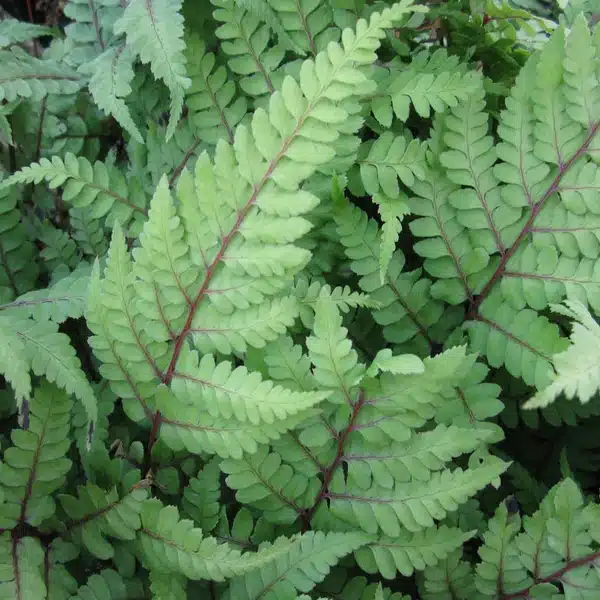
- Japanese Painted Fern (Athyrium nipponicum ‘Metallicum’)
- Japanese Tassel Fern (Polystichum polyblepharum)
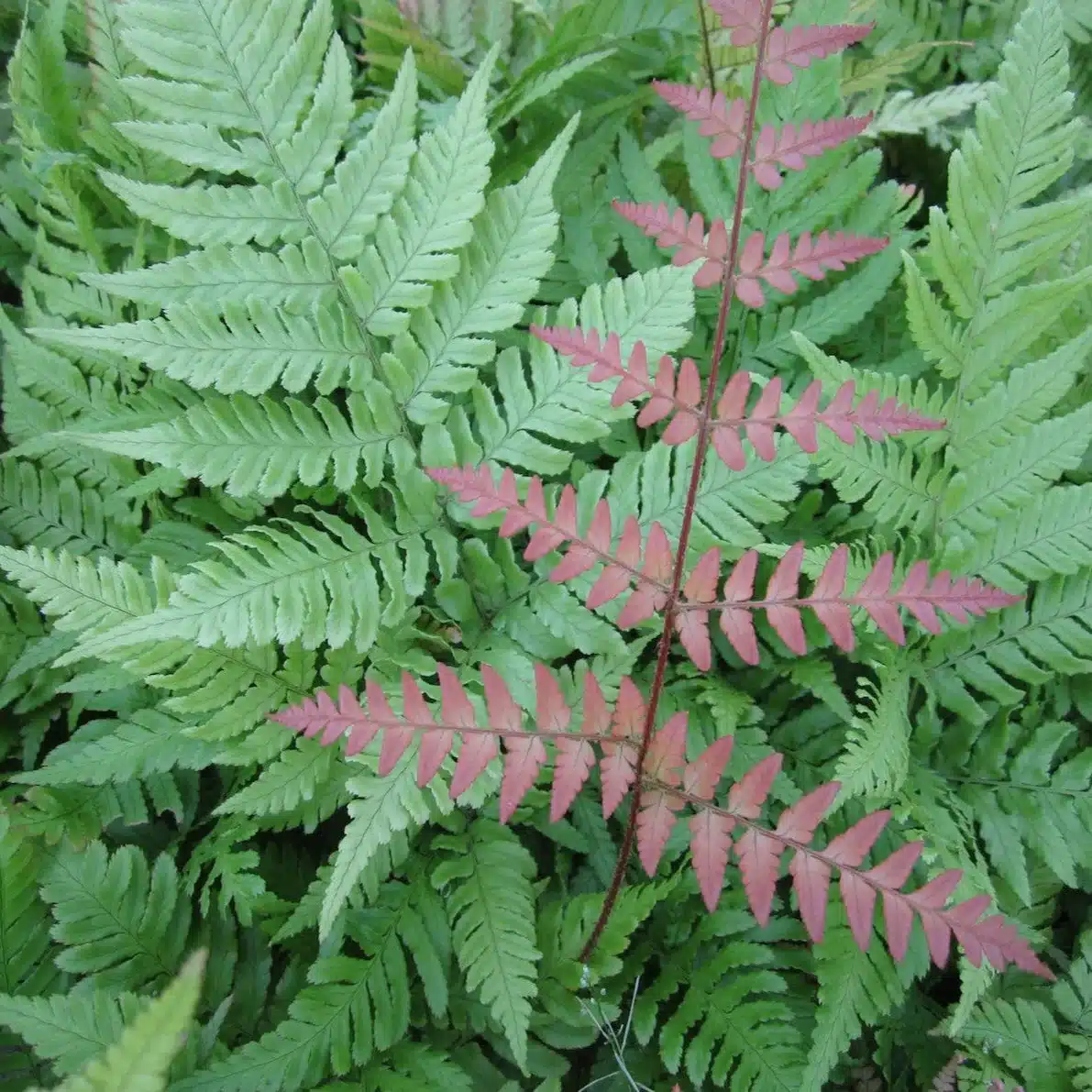
- Japanese Wood Fern (Dryopteris erythrosora)
- Lady Fern (Athyrium filix-femina)
- Male Fern (Dryopteris filix-mas)
- Marsh Fern (Thelypteris palustris)
- Mini Garden Pond Kit
- Royal Fern (Osmunda regalis)
- Sensitive Fern (Onoclea sensibilis)
- Shuttlecock Fern (Matteuccia struthiopteris)
- Slender Crested Male Fern (Dryopteris filix-mas ‘Linearis Polydactyla’)
Frequently Asked Questions About Fern Pond Plants
Fern pond plants are ideal for adding natural foliage, texture and shelter around shaded pond edges. These questions explain where to plant them, how to care for them and how to choose the right fern for your garden.
What are fern pond plants?
Fern pond plants are ferns selected for planting around ponds, streams, bog gardens and other damp parts of the garden.
They are generally planted in moist soil beside the pond rather than directly in the water. Their foliage helps soften hard pond edges and creates a natural transition between the pond and surrounding planting.
Can ferns be planted directly in pond water?
Most ferns should not be planted directly into pond water.
They prefer moist soil where their roots remain cool and damp, but their crown is not permanently submerged. Planting too deeply can cause the crown and roots to rot.
Always check the growing conditions for the individual variety.
Where should ferns be planted around a pond?
Ferns are best planted in damp soil around the pond edge, beneath trees, beside streams or in shaded borders.
They work particularly well behind marginal plants, alongside rocks and around areas where the pond meets the garden.
Choose a position where the soil remains moist without becoming permanently flooded.
Are ferns suitable for shaded pond edges?
Yes. Many ferns are particularly well suited to shaded and partially shaded pond edges.
They can thrive in areas where many flowering plants struggle, including north facing borders and positions beneath trees.
Some varieties tolerate more sunlight than others, so check the individual plant guidance before choosing a position.
Can ferns grow in full sun?
Some ferns tolerate partial sun if the soil remains consistently moist, but most prefer shade or dappled light.
Strong afternoon sunlight can scorch delicate fronds and dry the soil quickly.
Where the position is sunny, choose a suitable variety and provide regular watering during dry weather.
What type of soil do pondside ferns need?
Most pondside ferns prefer moist, fertile soil with plenty of organic matter.
The soil should retain moisture while still allowing excess water to drain away. Leaf mould, well rotted compost and composted bark can help improve both moisture retention and soil structure.
Avoid planting most ferns in dry, compacted or permanently flooded ground.
Can ferns grow in bog gardens?
Some ferns grow well in bog gardens, provided the soil is damp rather than constantly submerged.
The crown should usually remain above standing water. Varieties differ in their tolerance of wet conditions, so select a fern that is suitable for consistently moist or boggy soil.
Can ferns grow beside streams?
Yes. Ferns can look very natural beside streams, especially where the banks remain moist and shaded.
Position them far enough from strong flowing water to prevent their roots from being washed out.
They work well with moisture loving plants and can help soften stone lined or constructed stream edges.
Are fern pond plants suitable for small ponds?
Yes. Compact ferns can add texture around small garden ponds without overwhelming the available space.
Check the expected height and spread before planting. Smaller varieties are better for narrow borders, container ponds and limited areas beside patios.
Which ferns are best for large pond edges?
Larger architectural ferns are suitable for spacious pond edges where they have room to develop.
Varieties with tall, arching fronds can provide structure behind lower marginal plants and help screen fences or pond equipment.
Always allow enough room for the mature spread rather than judging the plant by its size when delivered.
Do pondside ferns help wildlife?
Yes. Dense fern foliage creates sheltered, humid areas that can be used by frogs, toads, newts and beneficial insects.
The damp soil beneath the fronds can provide cool daytime cover and protected routes between the pond and surrounding garden.
Ferns mainly support wildlife through shelter rather than nectar or flowers.
Are ferns useful for frogs and toads?
Ferns can provide valuable cover for frogs and toads around the pond edge.
Their arching fronds create cool, shaded areas where amphibians can hide from predators and avoid drying out during warm weather.
Combine ferns with logs, stones and low growing plants to create a varied pondside habitat.
Are ferns useful for newts?
Yes. Newts may use the damp, sheltered areas beneath fern foliage while moving between the pond and surrounding garden.
Ferns are most useful when there are connected areas of cover, such as ground plants, logs, stones and shaded borders.
Do ferns attract bees and butterflies?
Ferns do not produce flowers or nectar, so they do not attract bees and butterflies in the same way as flowering pond plants.
Their main wildlife value comes from shelter, shade and the humid conditions created beneath their foliage.
They can be combined with flowering marginal and pondside plants to support pollinators as well.
Are pondside ferns evergreen?
Some ferns are evergreen or semi evergreen, while others are deciduous.
Evergreen varieties retain more foliage through winter, although damaged fronds may still need removing in spring. Deciduous ferns die back before producing fresh growth the following year.
The seasonal habit should be shown on each product page.
Do deciduous ferns return every year?
Yes. Hardy deciduous ferns normally return each spring.
Their fronds die back during autumn and winter, but the crown and root system remain alive beneath the soil.
Avoid digging around the crown during winter, as new growth will emerge from the same area.
When do ferns produce new fronds?
Most hardy ferns begin producing new fronds during spring as temperatures rise.
The young curled shoots gradually unfurl into full leaves. Timing depends on the variety, local weather and how shaded the planting position is.
When is the best time to plant ferns?
Ferns can be planted during spring or autumn when the soil is naturally moist and temperatures are moderate.
They can also be planted during summer, but they will need more frequent watering while establishing.
Avoid planting into frozen ground or during prolonged hot and dry weather where possible.
How far apart should pondside ferns be planted?
Spacing depends on the mature spread of the variety.
Compact ferns can be placed closer together, while larger architectural ferns need considerably more room.
Check the expected spread before planting and allow the fronds to develop without becoming heavily crowded.
Can different fern varieties be planted together?
Yes. Combining ferns with different heights, frond shapes and seasonal habits can create a layered and natural appearance.
Use taller ferns towards the back and compact varieties closer to the pond edge.
Ensure all the selected varieties suit the available shade, moisture and soil conditions.
Can ferns be planted with marginal pond plants?
Yes. Ferns and marginal pond plants work well together, but they normally occupy different planting zones.
Marginal plants sit in shallow water or aquatic baskets, while ferns are planted in moist soil around the pond.
Together, they create a gradual transition from open water to pond edge and garden border.
Can ferns be planted with water lilies?
Yes. Water lilies grow within the pond, while ferns grow around the outer edge.
The combination can create attractive contrast between floating leaves on the water and textured foliage around the bank.
Both should be positioned according to their individual light and moisture requirements.
Can ferns hide pond liners and hard edges?
Ferns can help soften visible liner, stonework and other hard pond edges once their foliage develops.
They should not be used to secure or hold a pond liner in place. The liner must be properly finished before planting.
Low or arching varieties can be particularly useful for creating natural looking coverage.
Can ferns be used to hide pond filters and pipework?
Larger ferns can help screen visible filters, pipes and cables around the pond.
Allow enough space for the mature foliage and keep access routes clear for maintenance.
The roots should not be planted where they could interfere with buried pipework or drainage.
Do pondside ferns need regular watering?
Newly planted ferns need regular watering until their roots become established.
Even mature plants may require additional water during prolonged dry weather, particularly when planted beneath trees where the roots compete for moisture.
The soil should remain consistently damp but not permanently flooded.
Can ferns tolerate dry soil?
Most pondside ferns perform poorly in dry soil.
Prolonged dryness can cause fronds to brown, curl or die back early. Improving the soil with organic matter and applying mulch can help retain moisture.
Some fern varieties tolerate drier conditions better than others.
Should ferns be mulched?
A layer of leaf mould, composted bark or suitable garden compost can help retain soil moisture and suppress weeds.
Keep the mulch away from the centre of the crown to prevent new fronds from being buried or trapped.
Mulching is particularly useful beneath trees and in dry, shaded borders.
Do ferns need fertiliser?
Established ferns in fertile soil usually need very little feeding.
A light application of suitable general fertiliser or well rotted organic matter in spring may help plants growing in poor soil.
Avoid excessive feeding, as this can encourage weak or overly soft growth.
Should old fern fronds be removed?
Dead, brown or damaged fronds can be removed to keep the plant tidy.
For deciduous ferns, old growth can be cut back during late autumn or before fresh fronds emerge in spring.
Evergreen ferns should only have damaged or unattractive fronds removed.
When should ferns be divided?
Established ferns can be divided when they become too large, crowded or difficult to manage.
Spring is often the best time, just as new growth is beginning. Lift the plant carefully, separate healthy sections and replant them at the same depth.
Not every fern divides in the same way, so check the guidance for the variety.
Can ferns be grown in containers?
Yes. Many compact ferns grow well in pots and containers beside ponds.
Use a moisture retaining compost and choose a container large enough for the mature plant. Regular watering will be required because pots dry out more quickly than garden soil.
Ensure the container has suitable drainage.
Can ferns grow in raised beds around ponds?
Yes. Ferns can grow in raised beds if the soil remains moist and the position is not too exposed.
Raised beds may dry out more quickly, so organic matter and regular watering can be particularly important.
Choose varieties suited to the available depth and space.
Why are my fern fronds turning brown?
Brown fronds can be caused by dry soil, strong sunlight, wind damage, frost or natural ageing.
Check whether the soil is remaining moist and whether the plant receives too much direct sun.
Older fronds naturally deteriorate and can be removed once they become untidy.
Why are the edges of my fern leaves crispy?
Crispy leaf edges usually indicate that the plant is too dry or exposed to excessive sun or wind.
Increase watering and consider adding mulch to retain moisture. Where possible, provide more shelter or shade.
Damaged fronds will not fully recover, but healthy new growth should develop once conditions improve.
Why is my fern not producing new growth?
Slow growth may be caused by cold weather, dry soil, recent planting or unsuitable light conditions.
Deciduous ferns may remain dormant until spring temperatures rise. Check that the crown has not been planted too deeply or covered by heavy mulch.
Newly planted ferns may need time to establish before producing substantial growth.
Can fern crowns rot?
Yes. Fern crowns can rot if they are buried too deeply or remain in stagnant, waterlogged soil.
Plant the crown at the recommended level and avoid allowing thick mulch to collect over it.
Choose a position with moist but suitably drained soil.
Can ferns survive UK winters?
Most hardy pondside ferns are suitable for normal UK winter conditions.
Deciduous varieties die back, while evergreen varieties may retain foliage. Plants in exposed pots can be more vulnerable than those planted in the ground.
Check the hardiness of the individual fern before planting.
Are fern pond plants safe around pets?
Plant safety varies between fern species.
Some plants commonly called ferns may be harmful if eaten, so check the information for the individual variety if dogs, cats or other pets have access to the planting area.
Pets should not be encouraged to chew garden plants.
Are fern pond plants safe around children?
Ferns can be used around family gardens, but children should not be encouraged to eat or handle unfamiliar plants.
Some fronds may also be rough or delicate and can be damaged by frequent contact.
Children should always be supervised around the pond itself.
How do I choose the best fern for my pond edge?
Begin by checking the amount of sunlight, how moist the soil remains and the space available for mature growth.
Choose compact varieties for small or narrow borders and taller ferns for larger pondside planting schemes. Also consider whether you prefer evergreen foliage or seasonal deciduous growth.
Each product page should provide the expected height, spread, light level and moisture requirements.
