






Cloverleaf Pond Heaters – Simple and Effective Electric Heating for Ponds
Cloverleaf Pond Heaters are a practical and reliable heating solution designed to maintain a consistent water temperature throughout the colder months. Ideal for koi ponds and garden ponds alike, these electric heaters help protect fish health, maintain filtration efficiency, and prevent water temperature from dropping too low.
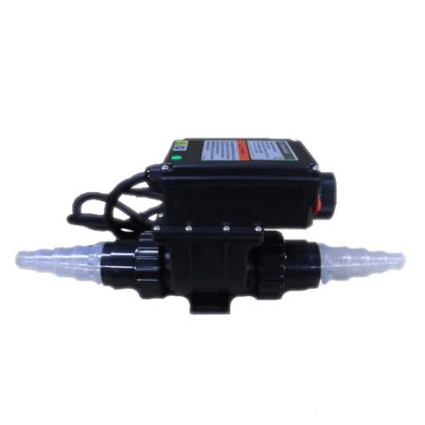
Thanks to their plug-and-play design, Cloverleaf Heaters are easy to install in both new and existing pond setups. Each unit includes both rigid and flexible pipe fittings, making them suitable for a wide range of plumbing configurations and ensuring seamless integration with your current pond system.
Why Choose a Cloverleaf Pond Heater?
✔ Quick installation – Comes complete with rigid and flexible pipe connectors for versatile fitting.
✔ Consistent water temperature – Helps prevent sudden drops that can stress or harm pond fish.
✔ Supports pond filtration – Keeps your filter bacteria active during colder months.
✔ Built for reliability – High-quality construction for year-round durability.
✔ Energy efficient – Designed to provide effective heating without excessive energy consumption.
Choosing the Right Cloverleaf Pond Heater
Cloverleaf Heaters are suitable for a variety of pond sizes and applications, whether you’re maintaining a dedicated koi pond or a smaller ornamental garden pond. These heaters provide dependable temperature control without the high installation costs of more complex heating systems.
Their user-friendly design makes them an excellent choice for DIY pond owners or anyone looking for a low-maintenance, high-performance heating option.
For help selecting the correct Cloverleaf Pond Heater for your setup, feel free to contact us. Our expert team can guide you through the best heating solutions to suit your pond’s needs.
Cloverleaf Pond Heaters – Frequently Asked Questions (FAQs)
Below are the most common questions we receive about Cloverleaf Pond Heaters, designed to help you understand their features, compatibility, and how they can help maintain healthy water temperatures all year round.
1. What is a Cloverleaf Pond Heater, and how does it work?
Cloverleaf Pond Heaters are electric immersion-style heating units that help maintain a stable water temperature in koi ponds and garden ponds. The heater is plumbed directly into your pond’s pipework and uses an electric heating element to warm the water as it flows through the unit. This ensures consistent temperature control during cold weather.
2. Which ponds are suitable for Cloverleaf Heaters?
Cloverleaf heaters are ideal for:
-
Koi ponds
-
Garden ponds
-
Quarantine or hospital tanks
-
Ornamental ponds with sensitive aquatic life
They are available in multiple kilowatt outputs, making them suitable for small to medium ponds up to around 20,000 litres.
3. Are Cloverleaf Heaters easy to install?
Yes. One of the key benefits is the ease of installation. Each heater comes with both rigid and flexible pipe connections, allowing you to install it into new or existing systems with minimal effort.
4. Can I use a Cloverleaf Heater with a standard outdoor power supply?
Cloverleaf Heaters require a secure and properly rated power supply. Smaller models (up to 1kW or 2kW) may run on a 13A plug under the guidance of an electrician, but larger models must be hardwired by a qualified professional. Always follow the manufacturer’s instructions and consult an electrician.
5. How energy efficient are Cloverleaf Heaters?
As with all electric heaters, they provide direct heating and are efficient in terms of output-to-input ratio. However, they will use more electricity than heat pumps over time, so they’re best suited for targeted or short-term heating, or for smaller ponds.
6. Will a Cloverleaf Heater keep my pond ice-free in winter?
Yes, maintaining a stable pond temperature above freezing will help prevent surface ice, which protects your filtration system and allows gas exchange for fish health. Always size your heater correctly for winter use.
7. Do I need a flow switch or bypass valve?
Cloverleaf Heaters require constant water flow to operate safely. Some models come with built-in protection, but it’s recommended to use a flow switch or install a bypass to manage water flow and safeguard the unit from dry running.
8. What temperature range can they achieve?
These heaters can raise pond temperatures up to approximately 25–30°C depending on pond volume and ambient conditions. They’re commonly used to maintain koi ponds between 10–18°C during colder months.
9. How do I maintain a Cloverleaf Pond Heater?
Maintenance is minimal. You should:
✔ Ensure secure and leak-free pipe connections
✔ Check for limescale buildup inside the heating element
✔ Inspect electrical connections regularly
✔ Clean and dry the unit if removed for off-season storage
Proper maintenance ensures safety and longevity.
10. Do Cloverleaf Pond Heaters come with a thermostat?
Most models include a digital or dial-style thermostat that allows you to set and maintain your desired pond temperature with precision. Always refer to the specific model’s instructions.
Still Have Questions?
If you’re unsure which Cloverleaf Pond Heater is best for your setup or need help with installation advice, our team is here to help. Get in touch today for expert support and guidance.
