






Elecro Pond Heaters – Premium Electric Heating for Reliable Year-Round Temperature Control
Elecro pond heaters are high-quality electric heating systems engineered in the UK, designed to provide reliable and precise temperature control for koi and garden ponds. Built using robust, corrosion-resistant materials, Elecro heaters offer long-lasting performance in both small and large pond environments.
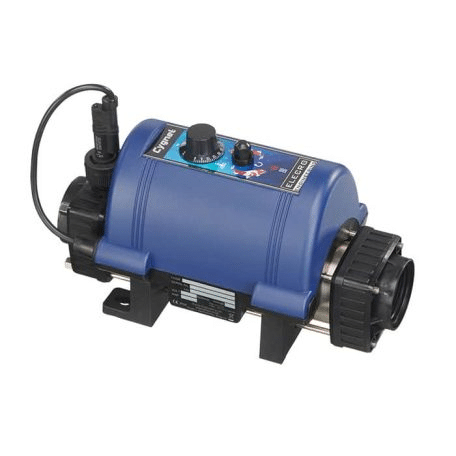
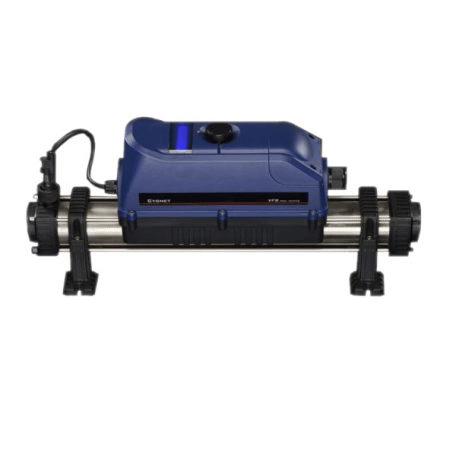
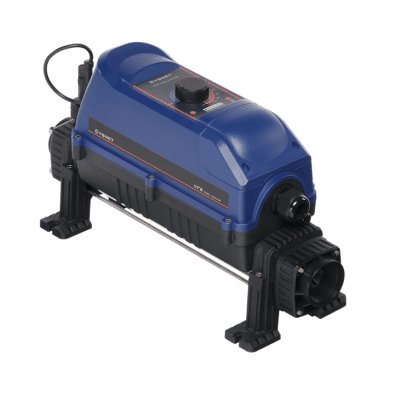
These units are constructed with a specialist polymer flow tube and mouldings that resist temperature fluctuations and wear. The fully reversible flow switch allows flexible installation, and the internal heating elements are designed for complete immersion to prevent air locking and improve heat transfer efficiency.
Whether wall-mounted or floor-mounted using the swivel feet, Elecro pond heaters are versatile, user-friendly, and built to deliver stable pond temperatures throughout the year.
Why Choose an Elecro Pond Heater?
✔ UK Manufactured Quality – Produced in Hertfordshire using top-grade components for dependable performance
✔ Fully Reversible Flow – Reversible flow switch allows water to enter from either direction for flexible plumbing setups
✔ Air-Lock Resistant Design – Inlet ensures full immersion of heating elements, eliminating common air-locking issues
✔ Durable & Corrosion-Resistant – Constructed with titanium components and high-grade polymer alloy for long-term use
✔ Easy Installation – Supplied with swivel feet for both wall or floor mounting options
✔ Accessible Controls – User-friendly controls mounted on the front for convenient adjustment and monitoring
Choosing the Right Elecro Heater for Your Pond
Elecro heaters are ideal for:
-
Koi ponds requiring stable, year-round heating
-
Garden ponds that need support through colder months
-
Quarantine and hospital tanks needing precise temperature control
-
Pond keepers seeking a long-lasting and efficient UK-made solution
Whether you’re retrofitting an existing setup or building a new pond system, Elecro heaters offer unmatched reliability and flexibility.
For more information or help choosing the right size, see our FAQ section below or contact us for expert advice.
Elecro Pond Heaters – Frequently Asked Questions (FAQs)
Below are the most common questions we receive about Elecro Pond Heaters, designed to help you understand their setup, performance, and compatibility with koi and garden ponds.
1. What is an Elecro Pond Heater, and how does it work?
An Elecro Pond Heater is a premium electric heater made in the UK, designed to heat koi and garden ponds. It uses titanium heating elements encased in a corrosion-resistant polymer body. Water flows through the unit, where the element gently raises its temperature before it returns to the pond.
2. Are Elecro Pond Heaters suitable for koi ponds?
Yes, Elecro heaters are ideal for koi ponds. They provide consistent water temperatures which are essential for koi health, particularly during the colder months or in quarantine tanks.
3. What sizes do Elecro Pond Heaters come in?
Elecro heaters are available in various wattages, typically including:
✔ 1kW – For small ponds or quarantine tanks
✔ 2kW – For mid-sized garden ponds
✔ 3kW & 4kW – For larger koi ponds requiring stable, year-round heating
The correct size depends on your pond’s volume, insulation, and location.
4. How are Elecro Pond Heaters installed?
Elecro heaters are supplied with adjustable swivel feet for wall or floor mounting. Plumbing is simple using the supplied connections for rigid or flexible pipe. Installation should be completed by a qualified electrician, especially for higher wattage models.
5. Can the Elecro heater be used with flexible hose?
Yes. Each unit includes fittings suitable for both rigid pipe and flexible hose connections, making it easy to integrate into new or existing filtration setups.
6. Do Elecro heaters need to be installed in a specific direction?
No. Thanks to their reversible flow switch, water can enter from either side. This flexibility allows for easier installation regardless of your current plumbing layout.
7. Are Elecro heaters weatherproof?
Elecro pond heaters are designed to be used outdoors. However, they must be positioned in a dry, ventilated area and protected from direct rainfall or flooding for long-term reliability.
8. Do I need a separate thermostat?
No. All Elecro heaters feature an integrated thermostat and safety cut-out system, allowing you to set your desired water temperature directly from the unit’s control panel.
9. How efficient are Elecro Pond Heaters?
Electric heaters like Elecro models provide 100% energy efficiency, converting all electricity into usable heat. While running costs depend on pond size and insulation, their precise control prevents energy waste.
10. How do I maintain my Elecro Pond Heater?
Very little maintenance is required. We recommend:
✔ Keeping pipework clean and free of debris
✔ Checking electrical connections periodically
✔ Protecting the unit from frost and standing water
✔ Monitoring performance to ensure heating is consistent
Still Have Questions?
If you’re unsure which Elecro Pond Heater is right for your setup or need installation guidance, contact us today for expert support tailored to your pond’s needs.
