






Marsh Fern (Thelypteris palustris)
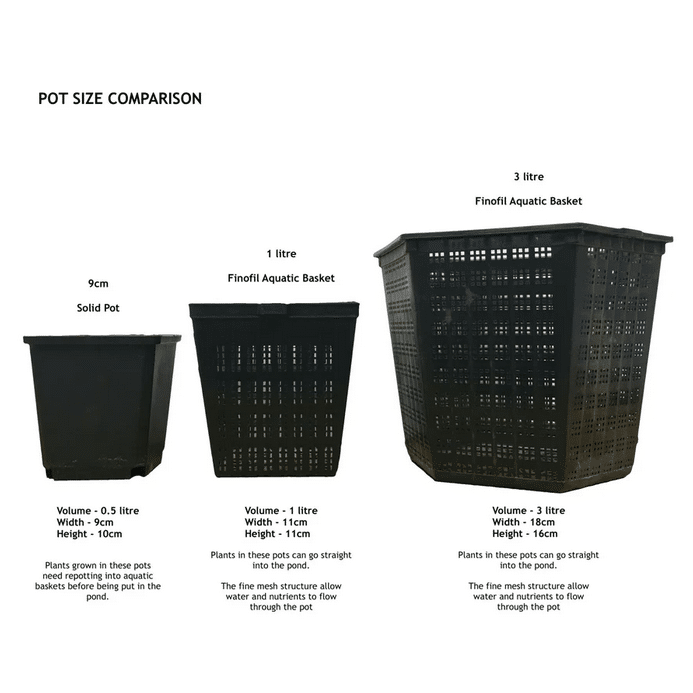
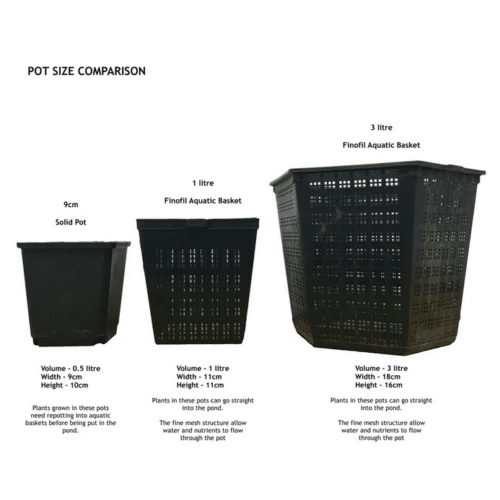
| Size | 9cm – Pack of 3 |
|---|---|
| Plant Type | Fern |
| Sun / Shade | Full Sun to Part Shade |
| Growth Rate | Medium |
| Native to UK | Yes |
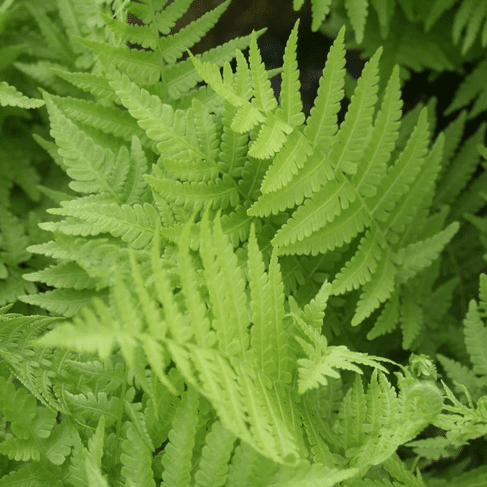
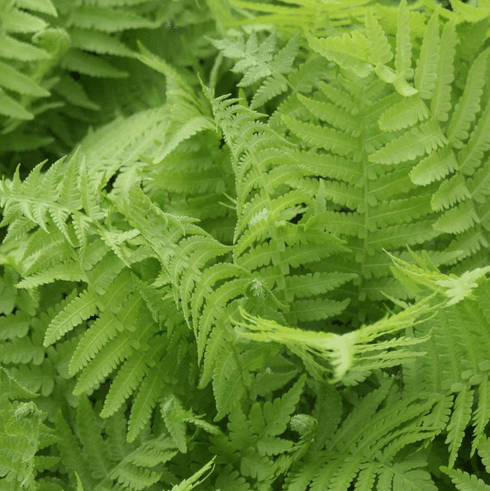
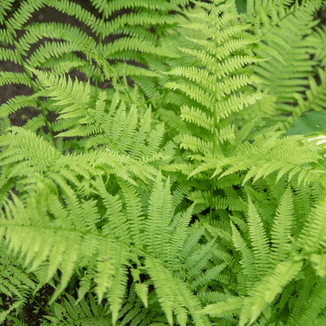
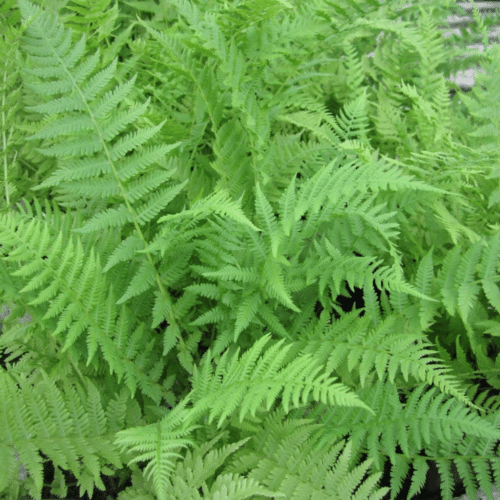
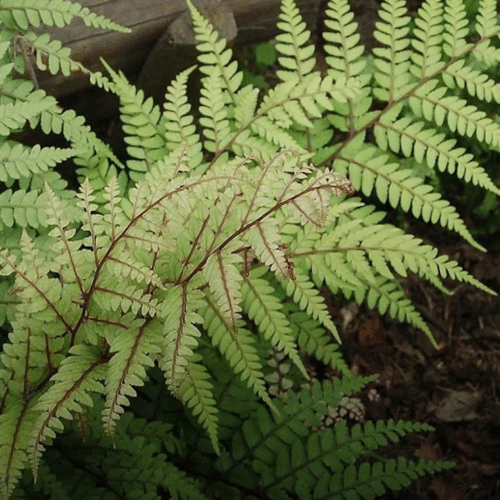
Marsh Fern, Thelypteris palustris, is a UK native moisture loving fern with soft, finely cut green fronds. Ideal for damp pond edges, bog gardens and wildlife friendly planting, it provides natural foliage texture and leafy cover for frogs, toads, newts and insects.
£15.00 (inc VAT)
Marsh Fern (Thelypteris palustris)
A UK native moisture loving fern with finely cut green fronds, ideal for damp pond edges, boggy ground and natural wildlife planting.
Native fern foliage for damp pond edges, wildlife gardens and moist borders
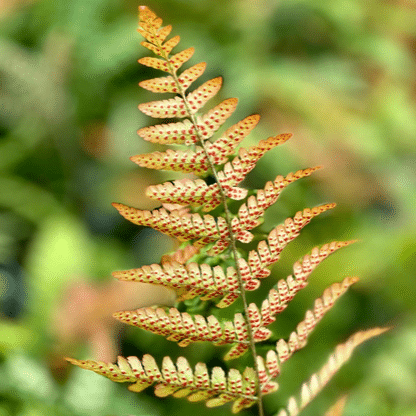
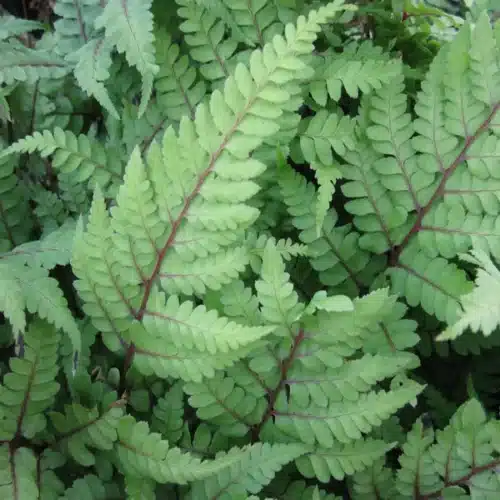
Marsh Fern, botanically known as Thelypteris palustris, is a hardy UK native fern that brings soft green texture and natural wetland character to damp areas around the pond. It is grown for its lacy, finely cut fronds, which create a light and graceful effect in pondside borders, boggy ground, moist wildlife areas and naturalistic garden planting schemes.
This is a moisture loving fern rather than a true aquatic pond plant. It should not be planted into deep pond water. Instead, it is best planted into damp soil around the pond, bog gardens, wet borders or moist ground where the rootball can stay consistently damp. In the right conditions, it can spread gradually and create a soft, natural carpet of fern foliage around the waterline.
Marsh Fern is especially useful for wildlife friendly pond edges. The fronds provide leafy cover for frogs, toads, newts, insects and other small creatures moving between the pond and surrounding garden. Planting moisture loving ferns around a pond helps create a cooler, more sheltered edge and can make the area feel much more natural than bare soil, exposed liner or hard landscaping.
The foliage is deciduous, so it dies back naturally in autumn and winter before returning with fresh growth in spring. During the growing season, the upright to gently arching fronds give a soft woodland and wetland feel. Marsh Fern does not produce flowers, but it is still highly valuable as a foliage plant for adding texture, movement and ground cover.
Thelypteris palustris grows best in moist soil and partial shade, although it can tolerate brighter positions if the soil remains reliably damp. It is a good choice for damp pond edges, wildlife ponds, bog gardens, rain garden style planting and shaded or lightly sunny areas where ordinary garden plants may struggle. It can tolerate poorly drained ground, but it should not be left with the crown permanently submerged below deep water.
Once established, Marsh Fern is generally easy to care for. Keep the soil moist, tidy old foliage when needed and divide spreading clumps if you want to control its spread. It is fully hardy and well suited to UK gardens, making it a reliable choice for natural pondside planting.
🇬🇧 UK-grown aquatic plant: Grown at a dedicated aquatic plant nursery in the South of England and carefully prepared for delivery across the UK.
Key Benefits
- UK native moisture loving fern
- Lacy, finely cut green fronds
- Ideal for damp pond edges and boggy ground
- Useful for wildlife ponds and naturalistic planting
- Provides leafy cover for frogs, toads, newts and insects
- Helps soften hard pond edges and exposed margins
- Fully hardy in UK gardens
- Deciduous, returning with fresh growth each spring
- Good for moist borders and wet garden areas
- Low maintenance once established
- Can spread to create natural ground cover in suitable conditions
- Suitable for full sun to partial shade if soil remains damp
Reasons to Buy Marsh Fern
- Marsh Fern is a brilliant choice if you want a natural looking plant for damp areas around a pond. Its soft green fronds help blend the pond into the surrounding garden and make the water edge look more established.
- It is especially useful for wildlife friendly gardens. The foliage creates cool, sheltered cover, helping small pond creatures move safely between the water and nearby planting.
- This fern is also a good choice for damp areas that are difficult to plant. Where soil stays too wet for many standard garden plants, Marsh Fern can thrive and provide useful foliage texture without needing showy flowers.
- For the best effect, plant it in small groups or allow it to spread through a damp border. It works well with other pondside and moisture loving plants, including Primulas, Astilbes, Hostas, Hellebores, Iris and other ferns.
Moisture-Loving Plant Guidance
Moisture loving plants are different from marginal pond plants.
Marginal plants are normally planted into aquatic baskets and placed on pond shelves, with their roots sitting in shallow water. Moisture loving plants, such as Marsh Fern, are planted outside the pond in damp soil, wet ground or boggy planting areas.
Marsh Fern likes its roots to remain damp, but it should not be placed into deep pond water. Plant it into the ground around the pond, close to the waterline, or in a naturally damp border where the soil does not dry out.
The planting depth is to the rootball. Plant at the same depth as it was growing in the pot, with the crown at soil level.
Care Instructions
- Plant Marsh Fern in moist soil in partial shade for the easiest establishment. It can tolerate full sun or brighter positions where the ground remains consistently damp, but avoid hot, dry and exposed areas.
- Before planting, improve the soil with compost, leaf mould or well rotted organic matter. This helps hold moisture and creates the fertile conditions that ferns prefer.
- Water thoroughly after planting and keep the soil damp during the first growing season. Once established, Marsh Fern is easier to care for, but it will still benefit from watering during long dry spells.
- Do not plant into deep water. It is best used in damp soil around ponds, boggy ground, rain garden style planting areas or wet wildlife borders.
- Tidy old foliage as required. Since this is a deciduous fern, fronds will naturally die back in autumn and winter. Remove old fronds in late winter or early spring before new growth appears.
- If the plant spreads further than wanted, divide clumps in spring or autumn and replant the strongest sections into suitable damp soil.
Flowering Period
Marsh Fern does not produce flowers.
As a fern, it is grown for its attractive foliage rather than blooms. Its seasonal interest comes from the fresh green fronds that appear in spring and provide soft texture through the growing season.
Ferns reproduce by spores rather than flowers, so there is no flower colour or flowering period to consider.
Size, Spread and Growing Conditions
Botanical name: Thelypteris palustris
Common name: Marsh Fern, Swamp Fern, Marsh Buckler Fern
Plant type: UK native moisture loving deciduous fern
Plant height: Approximately 50 cm to 100 cm in typical garden conditions
Potential spread: Approximately 50 cm to 100 cm, with gradual spreading in suitable damp ground
Growth rate: Medium to fast in favourable conditions
Flower colour: Ferns do not flower
Flowering period: Not applicable
Foliage: Finely cut, lacy green fronds
Foliage type: Deciduous
Position: Partial shade preferred, with full sun tolerated where soil remains damp
Soil: Moist soil, clay or loam, with organic matter added if needed
Soil moisture: Moist, damp or poorly drained ground
Planting depth: Plant to the rootball in damp soil, not in deep water
Hardiness: Fully hardy
Native status: Native to GB and Ireland
Best suited for: Damp pond edges, wildlife ponds, bog gardens, wet borders, naturalistic planting and moisture loving garden areas
Wildlife value: Provides soft leafy cover for frogs, toads, newts, insects and small pond wildlife
Your Plant on Arrival
Your Marsh Fern will arrive in a pot, ready to be planted into damp ground around your pond or into a moist garden border.
Remove the plant from the pot before planting. Set it into prepared soil at the same depth as the rootball, firm in gently and water well.
Plant size and appearance will vary depending on the season. In spring and summer, plants may arrive with active green fronds. Later in the year, foliage may be older, reduced or starting to die back naturally. In winter or early spring, deciduous ferns may arrive with little visible top growth, which is normal.
Dispatching Your Pondside Plants
Moisture loving pondside plants are carefully selected, watered and packed before dispatch. As living plants, the amount of visible growth, foliage size and overall appearance will naturally vary throughout the year.
Early season plants may arrive with less top growth and will develop once planted into suitable damp conditions. Autumn and winter plants may be dormant or cut back.
Unpack your plant promptly when it arrives and check that the compost is moist. If you cannot plant straight away, keep it in a cool, sheltered position and water as needed.
Do not allow the rootball to dry out. Plant as soon as practical into damp soil, boggy ground, a moist wildlife border or a suitable pondside planting area.
Products related to the Marsh Fern (Thelypteris palustris)

£22.50 (inc VAT)
✔️ In stock - ready for dispatch






Reviews
There are no reviews yet.