






Shuttlecock Fern (Matteuccia struthiopteris)
| Size | 9cm – Pack of 3 |
|---|---|
| Plant Type | Fern |
| Sun / Shade | Part Shade to Full Shade |
| Growth Rate | Fast |
| Native to UK | No |
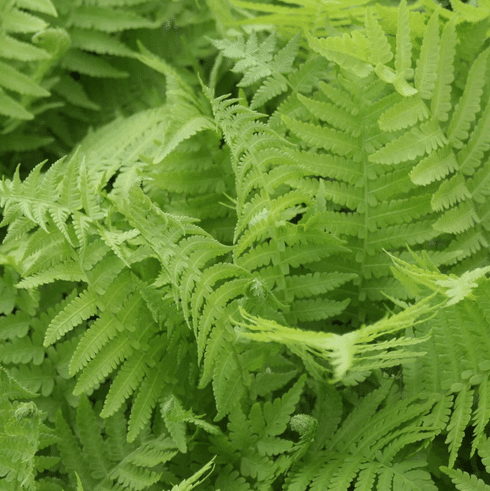
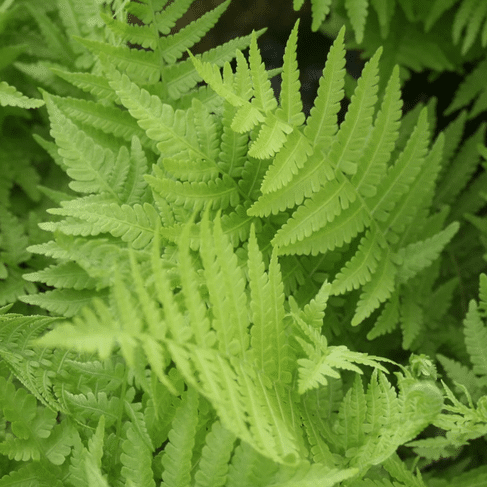
Shuttlecock Fern produces upright rosettes of bright green fronds, creating a distinctive vase-like outline. It is a strong foliage plant for a larger shaded pond surround, especially where there is room for several crowns to develop into a group.
£22.50 (inc VAT)
Shuttlecock Fern (Matteuccia struthiopteris)
Tall, bright green rosettes for a generous shaded planting area
Shuttlecock Fern produces upright rosettes of bright green fronds, creating a distinctive vase-like outline. It is a strong foliage plant for a larger shaded pond surround, especially where there is room for several crowns to develop into a group.
The broad, feathery sterile fronds surround shorter, darker fertile fronds. Established plants spread by underground runners and can form colonies, so their eventual footprint matters as much as the height of an individual crown. This is not a fern to fit tightly between delicate, slow-growing neighbours.
Allow room for an established plant rather than judging it by its delivery pot. Matteuccia struthiopteris has a mature height guide of 1–1.5 m, with a spread of 1.5–2.5 m. These are growing-space figures: the size and fullness of a young plant change with its age, position and season.
The right setting is partial or full shade with moist but well-drained, neutral to acidic soil. Choose a sheltered site and leave space for its spreading habit. A sheltered position helps the fronds keep their shape, and the soil around a new planting needs attention during dry spells even when the pond itself is full.
Plant this fern in the ground beside the pond or in a suitably drained container. The water in the pond is not a planting-depth guide for this plant: keep its crown at the level it occupied in the pot, and give the roots the soil conditions described here. It belongs in the surrounding planting, rather than being lowered into a waterlily position.
Shuttlecock Fern is deciduous, with the green fronds dying down as the season ends. New fronds develop from the crowns in spring. Ferns are foliage plants and reproduce by spores, so their interest comes from the shape, texture and changing growth of the fronds rather than a flower display. Old or damaged foliage can be tidied when necessary without cutting into the crown.
Use the mature spread to leave space between this fern and nearby plants. Lower foliage can soften the edge of a path or pond surround, while a larger clump needs a position where its fronds can arch without being continually brushed past. Regular checks on moisture and damaged growth are more useful than treating it as a plant that needs no care.

What you receive
We supply Shuttlecock Fern in the option you select: 9 cm – pack of 3. Check the selector for current availability and the pack quantity you are ordering. The pot size describes the container supplied, while the mature dimensions below describe the plant once established.
Unpack promptly, check the rootball is moist and keep it in a sheltered place if planting is delayed. Water the root area when needed rather than leaving a small nursery pot to dry beside the pond. Visible fronds vary with the season, so the delivered plant may look less full than its growing-season photograph.
Is Shuttlecock Fern right for your garden?
Shuttlecock Fern needs room for a spreading group, not just the first crown. It can reach around 1–1.5 m high and 1.5–2.5 m across through developing growth. Choose it for a generous shaded pond surround where bright green vase-shaped rosettes can form a feature, with access to remove unwanted offsets if the group expands beyond the plan.
Planting beside the pond
Use a moist, humus-rich soil in partial or full shade and allow a clear boundary for the spreading habit. Plant the crown at its existing soil level. Avoid a small gap between delicate plants where new crowns would be difficult to reach or manage.
Prepare a planting hole wide enough for the roots and improve poor soil with suitable organic matter such as garden compost or leafmould. Remove the nursery container gently, keep the crown at its original level and avoid adding soil over the centre of the plant. Firm around the rootball without trampling the crown, then water the roots into the surrounding soil.
Keep a mulch around the root area to help retain moisture, leaving the crown clear. If using a container, choose one with drainage and enough growing room; check moisture more often than for a plant in the border. A pot beside water can still dry out, and the container should not be placed underwater just because the plant is sold in our pondside range.
Looking after your fern
- Watering: Water new plantings as needed through their first year, directing water towards the roots rather than repeatedly soaking the crown. Inspect beneath the fronds during dry spells; shade and a nearby pond do not necessarily keep the soil moist.
- Mulch and feeding: An annual spring mulch of garden compost or well-rotted organic matter helps enrich the soil and hold moisture. Most border ferns need no extra feed where that soil care is adequate. For a fern in a container, use a suitable general fertiliser during active growth as directed.
- Tidying fronds: Cut dead or ragged fronds at their bases before fresh growth unfurls, taking care around the curled new shoots. Clear the cut material rather than leaving a dense wet covering over the crown. Keep healthy foliage that still contributes to the plant’s outline.
- This fern in practice: Check beyond the original crown for new growth. Remove or divide unwanted offsets in spring where necessary, retaining healthy rooted growth for the planting you want and keeping the remaining clump within its planned area.
- An established planting: Check that neighbours have not crowded the root area or changed the available light. Where division is needed, do it in spring using a method suited to the fern’s crowns or creeping rhizomes; retain healthy rooted growth and keep replanted pieces moist.
Seasonal appearance and winter care
The green fronds die back for winter and new shuttlecocks develop in spring. The resting crown and any developing offsets still occupy the bed even when little foliage is visible. Keep the area marked so winter gaps are not accidentally replanted too tightly.
Keep the root area in appropriate soil conditions during the resting period. Avoid piling soil, mulch or wet fallen leaves over the crown, and take care when working nearby so new shoots are not broken as they emerge.
Size and growing conditions
- Position
- Pondside soil or a drained container; crown at original soil level
- Depth
- Do not submerge as an aquatic basket plant
- Reference point
- The existing rootball or crown level in the surrounding soil.
- Sun
- Partial or full shade
- Height
- 1–1.5 m
- Spread
- 1.5–2.5 m
- Flowering
- Foliage plant; ferns do not produce flowers
- Winter care
- Shuttlecock Fern is deciduous, with the green fronds dying down as the season ends. New fronds develop from the crowns in spring.
- Native status
- Not native to Britain or Ireland
- RHS information
- RHS plant profile: Matteuccia struthiopteris
Ordering and delivery
We do not deliver live plants to Northern Ireland.
Orders received by 11am Monday to Wednesday are normally dispatched on the following working day using a next working day courier service. During busy periods, dispatch may occasionally take an extra day.
To avoid plants being held in depots over a weekend, we do not usually dispatch on Fridays. Highlands and Islands orders using a two day service are not normally dispatched on Thursdays.
Please read our delivery information for delivery arrangements and contact us if you need to check the timing of a particular order.
Other pondside plants to compare
Royal Fern — For a taller native fern with broad divided fronds but a narrower listed spread.
Lady Fern — For a more modest 0.5–1 m spread and finer arching green foliage.
Products related to the Shuttlecock Fern (Matteuccia struthiopteris)

£22.50 (inc VAT)
✔️ In stock - ready for dispatch











Reviews
There are no reviews yet.