






Male BSP Multi-Stepped Hose Tails – 1/2 to 1 1/4 inch
| Connection type | Male BSP to stepped hose tail |
|---|---|
| Application | Flexible pond hose connection |
| Thread and hose sizes | 1/2 inch BSP male – 3/8 / 1/2 / 3/4 inch hose, 3/4 inch BSP male – 1/2 / 3/4 / 1 inch hose, 1 inch BSP male – 3/4 / 1 / 1 1/4 inch hose, 1 1/4 inch BSP male – 1 / 1 1/4 / 1 1/2 inch hose |
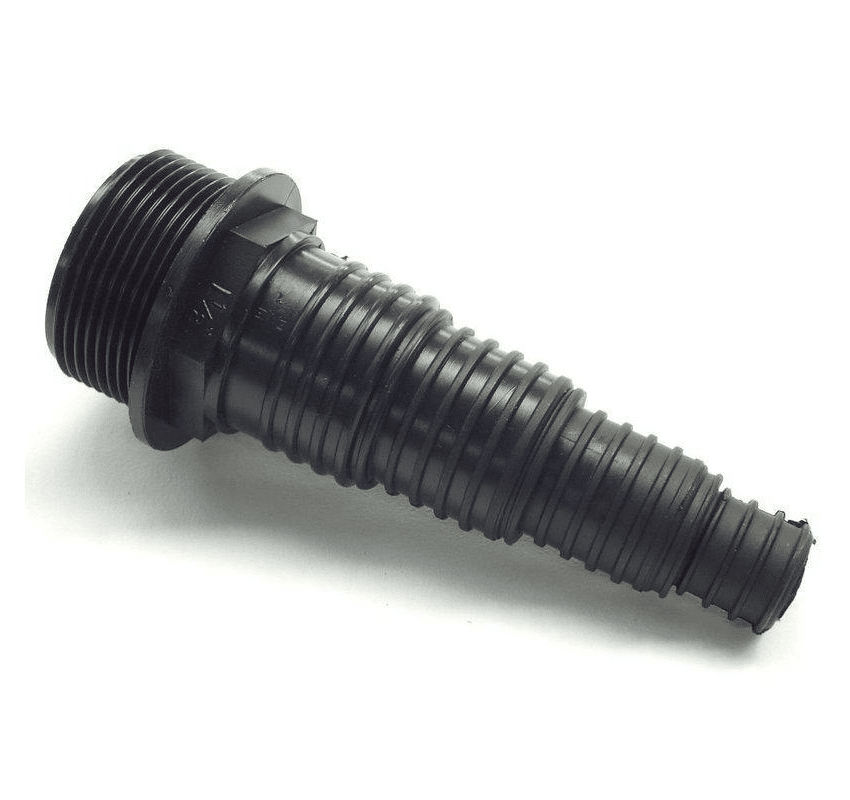
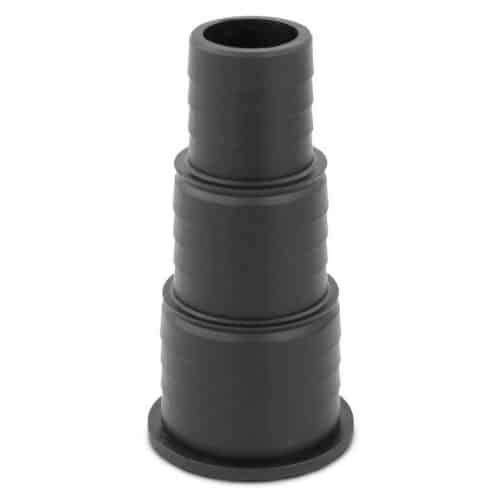
Male BSP hose tails with three hose steps per option. Choose 1/2, 3/4, 1 or 1 1/4 inch BSP, then match the listed hose bore. Supplied individually; hose and clips separate.
Price range: £3.35 through £5.77 (inc VAT)
Male BSP Multi-Stepped Hose Tails
Connect a matching female BSP outlet to flexible pond hose with a male threaded, multi-stepped hose tail. Each fitting has one threaded connection and a graduated hose connection, allowing a choice of hose diameters from the steps listed for that option. These are useful when replacing a damaged connector or adapting a compatible pump, filter or water-feature connection to an existing hose run.
Select the thread size first, then check that your hose diameter appears in the same row below. The thread size and hose size are separate measurements: a 1 inch BSP connection does not mean that every hose attached to it must also be 1 inch. The four options have different combinations, so choose the complete specification rather than relying on the largest number in the product name.
Sizes and supplier references
| Reference | Male thread | Hose steps |
|---|---|---|
| PN009T | 1/2 inch BSP | 3/8, 1/2 and 3/4 inch |
| PN009N | 3/4 inch BSP | 1/2, 3/4 and 1 inch |
| PN009P | 1 inch BSP | 3/4, 1 and 1 1/4 inch |
| PN009R | 1 1/4 inch BSP | 1, 1 1/4 and 1 1/2 inch |
Hose sizes refer to the hose’s nominal internal diameter. For comparison with commonly sold pond hose, 1/2 inch is approximately 12–13mm, 3/4 inch approximately 19–20mm, 1 inch approximately 25mm, 1 1/4 inch approximately 32mm and 1 1/2 inch approximately 38mm. These conversions help identify the size family; they are not a guarantee that every hose formulation will fit every tail.
BSP is a pipe-thread designation. Do not compare the nominal inch size directly with a ruler measurement across the outside of the thread. Check the equipment specification, existing fitting or thread identification before ordering. A similarly described American pipe thread or a manufacturer’s union thread is not automatically compatible with BSP.
When to choose a stepped hose tail
A stepped connector can be convenient where compatible equipment has a female threaded port and your installation uses flexible hose. It also gives a choice of the listed hose sizes when you are planning a new run. It does not change the specification of the equipment outlet, increase a pump’s rated flow or replace a specialist coupling supplied for a particular filter.
Check the space around the port as well as the connection itself. There needs to be room to fit the connector, slide on the hose and position its clip. Avoid a layout that bends the hose sharply as soon as it leaves the fitting. Leave enough access to inspect and disconnect the joint when the equipment needs servicing.
Choosing the hose bore
Follow the pump or filter manufacturer’s recommended hose size. A small hose can be convenient to route, but reducing the bore can restrict the water delivered through the system. Hose length, bends, height and the rest of the fittings also affect actual flow. The largest available step is useful only when it suits both your equipment and the hose you intend to use.
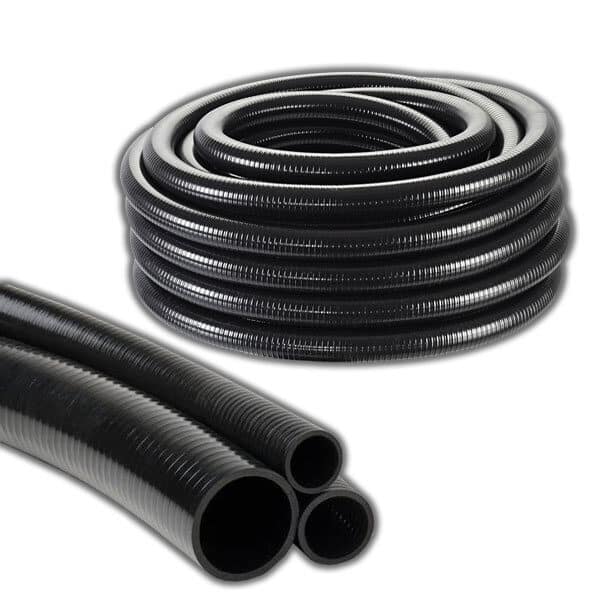
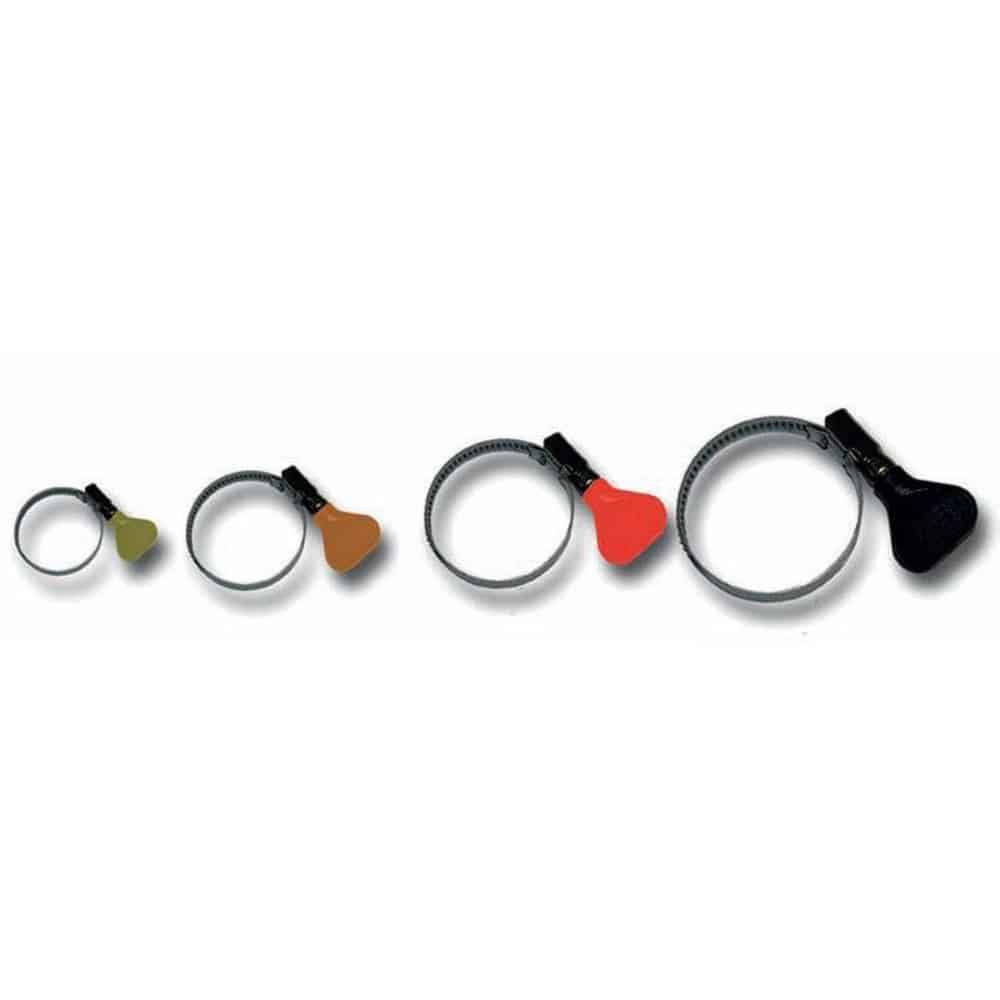
Our heavy-duty flexible pond hose provides options for planning the run. Compare its internal diameter with the chosen step, then select a suitable hose clip for the outside of the assembled hose. A clip’s size should suit that assembled diameter, rather than simply repeating the nominal hose bore.
Assembly and trimming
Isolate the equipment and drain the affected connection before dismantling it. Compare the new fitting with the old one before making any permanent alteration. The thread should engage squarely with the matching female port. Stop if it binds or appears cross-threaded; extra force can damage the port and turn a simple connector replacement into a more involved repair.
Use the sealing method specified for the equipment connection. Some arrangements seal at a washer or shoulder, while others require a suitable thread seal. Do not assume that extra thread tape will replace a missing gasket, or that a threaded hose tail should be solvent-welded into a socket. Keep the fitting aligned and follow the equipment’s tightening instructions.
Where the fitting’s instructions permit trimming for a larger hose, identify the intended step before cutting away any narrower unused section. Keep sufficient tail length and the appropriate retaining profile for the hose and clip. Cut cleanly, remove loose swarf and check the finished edge before fitting the hose. Trimming is permanent, so confirm the connection and hose choice first.
Push the matching hose into its correct position and secure the joint appropriately. Support the hose run so that its weight does not pull sideways on the equipment port. Refill and restart in accordance with the equipment instructions, then inspect for leaks under normal operating conditions. Recheck accessible joints during routine maintenance, especially after moving or servicing the pump or filter.
Other connection options
If your equipment needs a larger thread, compare our separate 1 1/2 inch BSP threaded stepped hose tail. For a change in thread size, see BSP threaded reducers, checking the complete assembly rather than assuming a reducer will suit every outlet.
These options are hose-tail fittings, supplied individually. Hoses, clips, equipment-specific seals and threaded adaptors are separate unless explicitly included in the selected product. No universal pressure, temperature or chemical-resistance rating is assigned to this range. Use the fitting for a compatible pond-water connection within the requirements of the equipment and the rest of the installation.





Reviews
There are no reviews yet.