






Kockney Koi Solvent-Weld Demountable Unions
| Brand | |
|---|---|
| Connection type | Solvent weld |
| Fitting type | Demountable union |
| Size | 1½ inch, 2 inch, 3 inch |
Kockney Koi demountable unions in 1½ inch, 2 inch and 3 inch sizes. Solvent-weld ends with an unscrewing centre connection for maintenance access. Check actual pipe compatibility; these unions do not isolate water flow.
Price range: £3.20 through £12.70 (inc VAT)
Kockney Koi solvent-weld demountable unions
A demountable union adds a removable joint to otherwise permanent pond pipework. These Kockney Koi fittings have solvent-weld connections at both ends and a centre section that unscrews, allowing the connected sections to separate for maintenance. Choose from the 1½ inch, 2 inch and 3 inch options listed here.
They are useful where equipment may need to be taken out of a pipe run, or where a section needs occasional access. Planning a detachable joint before the installation is glued together can avoid having to cut the pipe when servicing is due. The union provides a connection, not a shut-off valve, so water isolation must be arranged separately.
Size and product reference guide
| Nominal size | Kockney Koi reference | Oasis reference |
|---|---|---|
| 1½ inch | 004597 | FL359 |
| 2 inch | 004641 | FL361 |
| 3 inch | 004689 | SW302 |
Each option is one complete union. Pipe, solvent cement, isolation valves and the equipment being connected are separate. All three options use the same basic arrangement of permanent pipe joints and an opening centre connection; select the size to match the pipe system you actually have.
Where a removable pipe joint helps
A pump or ultraviolet clarifier may need to be removed from its position for inspection, replacement or servicing. Two appropriately positioned unions, one on each side of an inline component, can allow that section to be released without disturbing the rest of the pipework. The equipment’s own connection and servicing instructions still determine where joints should be placed.
Unions can also help when laying out separate filter sections or planning access around an awkward corner. Consider the direction in which the component will move when disconnected. A joint that unscrews but leaves the equipment trapped between fixed pipes will not provide useful servicing access.
Leave enough space to reach and turn the centre collar. Keep the connection above an accessible surface where possible, and make sure neighbouring fittings will not obstruct it. The most compact layout is not always the easiest one to maintain once the filter bay contains cables, hoses and other equipment.
Check the pipe system as well as its nominal size
These products are from Kockney Koi’s solvent-weld fitting range. Do not assume that all fittings described as 1½ inch or 2 inch connect to the same pipe. Black solvent-weld waste fittings, imperial pressure fittings and metric pressure fittings can use different actual dimensions despite apparently similar size labels.
Read any markings on the existing pipe and measure the mating dimensions before ordering. When replacing a union, identify the complete fitting rather than buying a centre component purely because its size appears similar. Threads, sealing faces and overall dimensions can differ between manufacturers and ranges.
A suitable conversion fitting is needed when joining different pipe systems. Do not attempt to compensate for the wrong fit with excess adhesive, or force components together. Solvent cement must be compatible with both materials, and the joint must fit correctly before any permanent assembly begins.
Prepare the layout before using solvent cement
Isolate the connected equipment and drain the affected pipework before changing an existing installation. Plan the length of the removable section, including the pipe that enters each socket. Check that the surrounding supports hold everything in alignment without relying on the union to pull two offset pipes together.
Follow the pipe and adhesive manufacturers’ directions for cutting, preparing, cleaning and assembling the solvent-weld joints. Keep cement away from the detachable centre connection and its sealing surfaces. Only the intended pipe sockets are permanently bonded; gluing the opening mechanism would defeat the purpose of the fitting.
Allow the adhesive’s specified curing period before filling or running the system. The appropriate time depends on the cement, conditions and application, so a surface that feels dry is not a reliable indication that the joint is ready. Avoid moving or loading the new joints while they cure.
Opening and reconnecting the union
Stop the pump, isolate the water and relieve any trapped pressure before unscrewing a union. Expect some retained water in the section being removed. Never use the centre collar as a flow-control device or loosen it while the system is running.
Before reconnecting, inspect the sealing surfaces and any seal supplied with the fitting for grit, damage or displacement. Bring the sections together squarely, keeping the pipework supported. Do not use the collar to correct a strained or misaligned installation. If a seal or part needs replacement, match it to the exact union rather than assuming interchangeability.
Refill and restart in accordance with the equipment instructions, then inspect the permanent joints and the detachable connection for leakage. Check again once the system has been operating normally. Keeping the union accessible makes these inspections and later servicing much easier.
Related pipework and alternatives
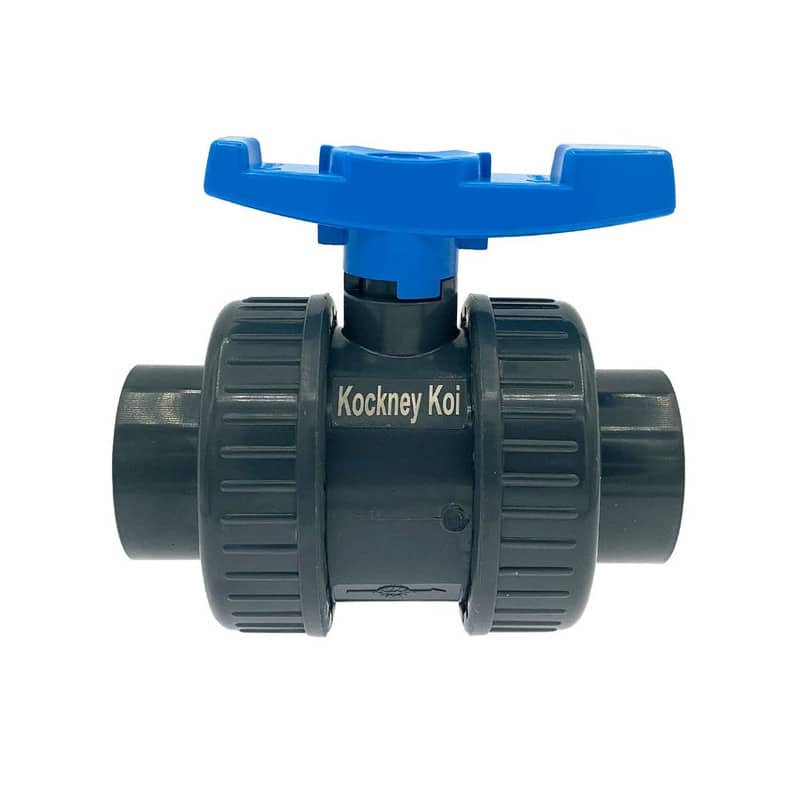
For a layout needing both isolation and detachable connections, compare our Kockney Koi double-union ball valves, checking the selected size and pipe compatibility. A plain demountable union does not offer the valve’s shut-off function.
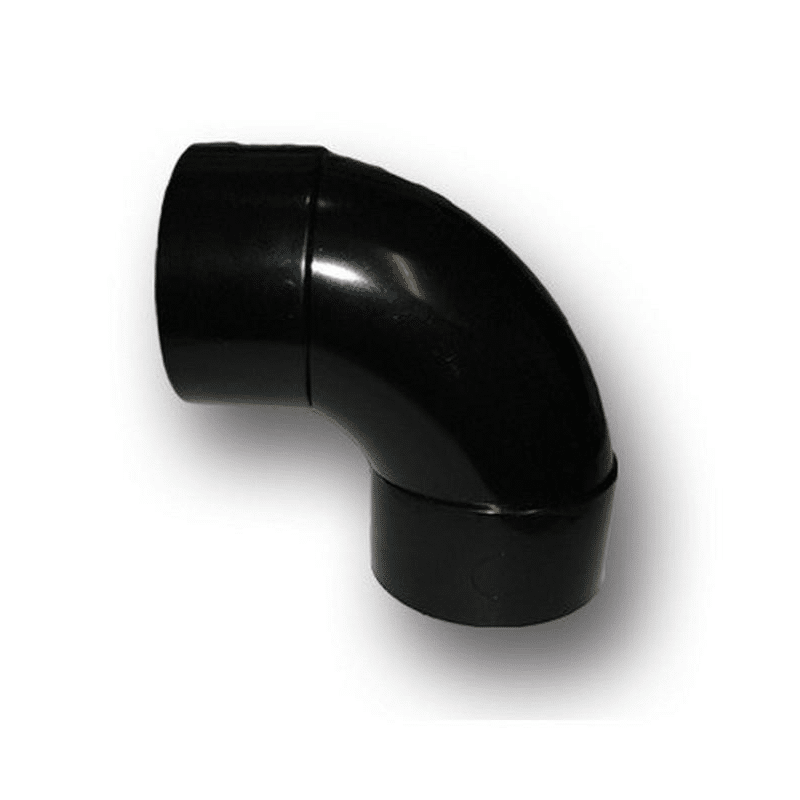
For changes of direction, see our black waste 90 degree bends. Browse pond building supplies for other pipework components. Select each part for the same pipe system and leave room for future access when planning the complete installation.



Reviews
There are no reviews yet.