






Kockney Koi Filter Cage – 1½ Inch / 2 Inch Solvent Weld
| Brand |
|---|
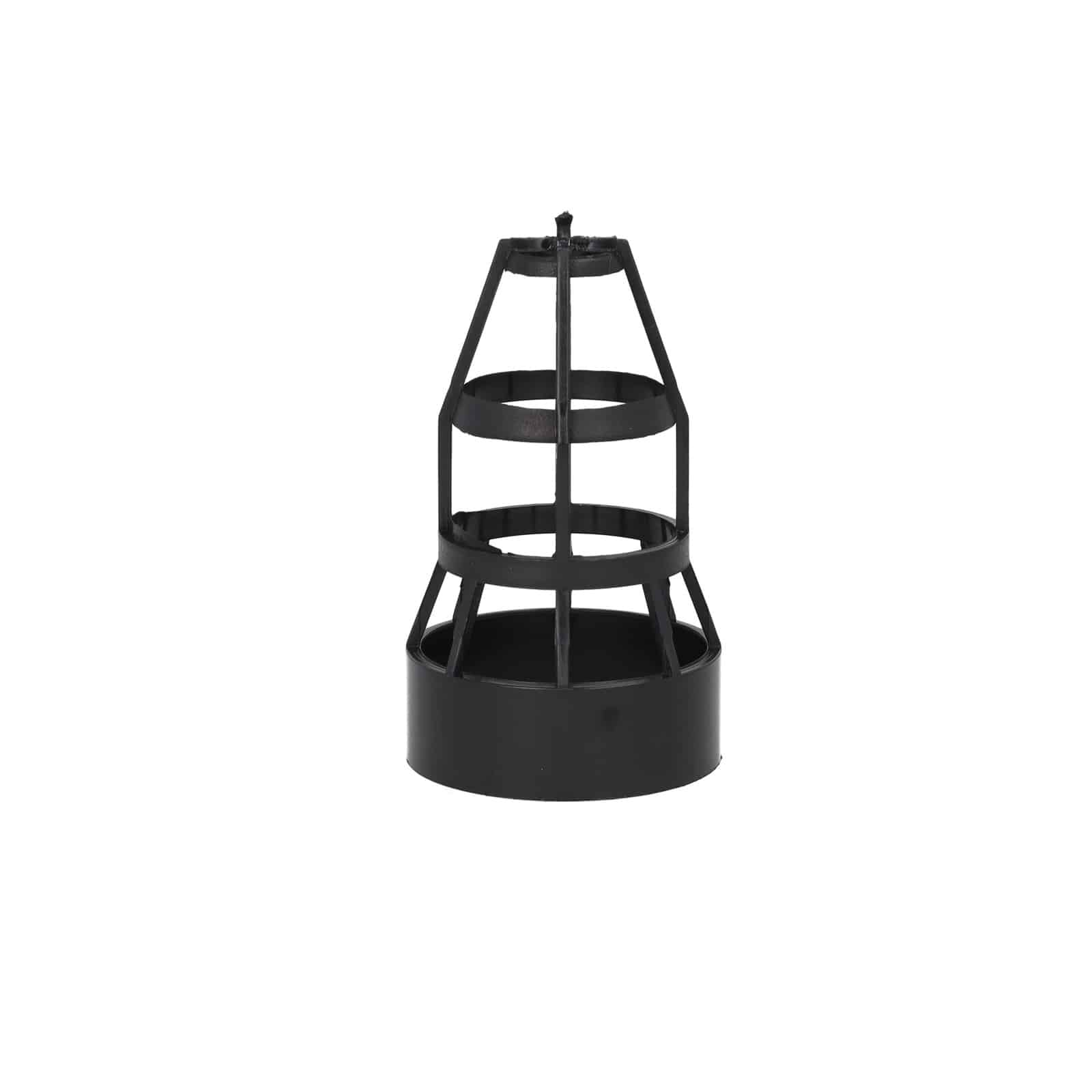
Genuine Kockney Koi open filter cage for compatible solvent-weld plumbing. Dual fit: 1½ inch ID fitting or 2 inch OD pipe, as specified by the manufacturer. Black, supplied individually.
£2.50 (inc VAT)
Kockney Koi Filter Cage for 1½ Inch and 2 Inch Solvent-Weld Connections
A simple guard for exposed openings in pond and filter pipework
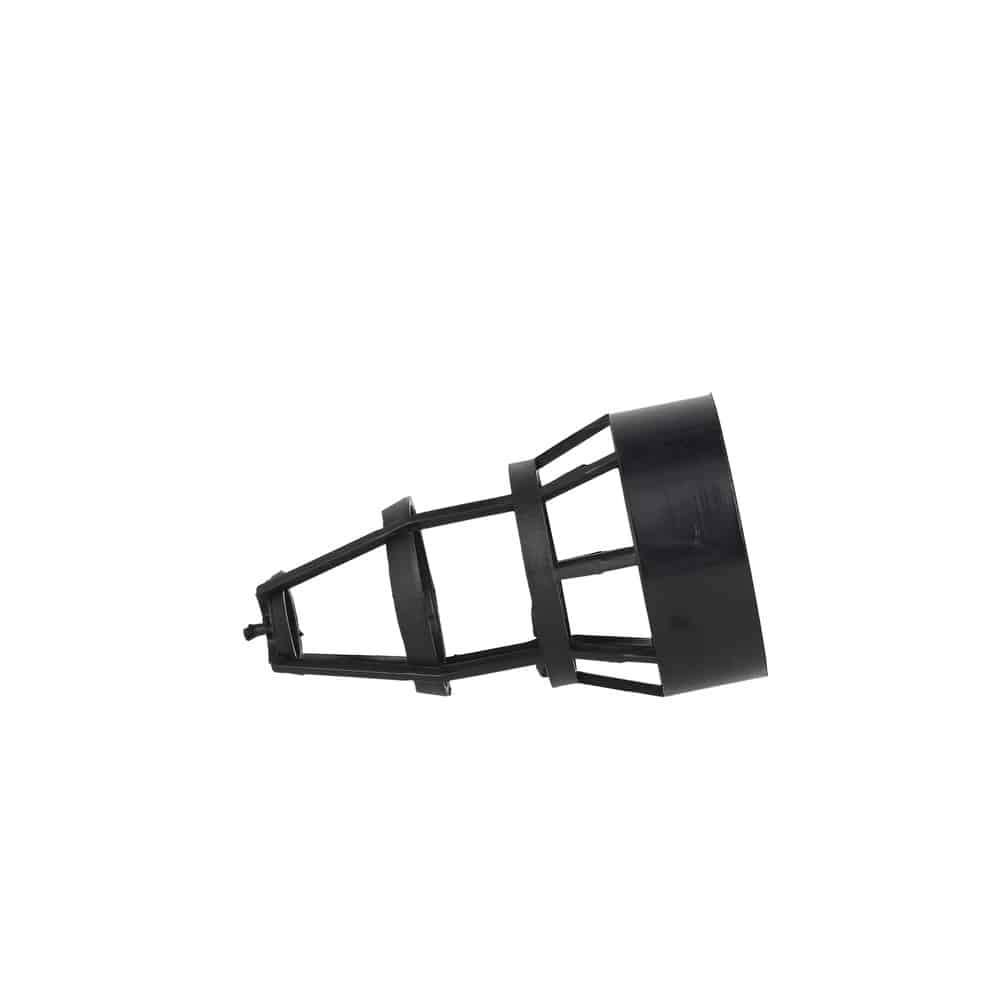
The Kockney Koi filter cage provides an open guard over a compatible pipe opening, helping to keep larger debris and fish out of places they should not enter. Its tapered cage leaves several routes for water to pass through, while the base connects to the appropriate solvent-weld fitting or pipe. It is a practical finishing part for pond plumbing where an otherwise open connection needs a physical barrier.
This is the dual-fit cage, manufacturer reference 002708. Kockney Koi identifies the fit as a 1½ inch internal fitting connection or a 2 inch external pipe connection. These describe two ways of fitting the same product, rather than two different cages supplied together. Check the actual connection before ordering, particularly if the installation combines waste pipe and pressure pipe.
Product details
| Brand | Kockney Koi |
|---|---|
| Manufacturer reference | 002708 |
| Product type | Open filter cage / pipe guard |
| Connection family | Solvent-weld waste fittings |
| Manufacturer fit description | 1½ inch ID fitting / 2 inch OD pipe |
| Colour | Black |
| Supplied | One filter cage |
Where a filter cage is useful
An exposed pipe end can draw in leaves or allow a fish to investigate an opening. A cage adds a barrier at that point while allowing water through its open sides. Kockney Koi lists pond plumbing, filtration openings and overflows among the intended applications. The cage needs to be placed where it can be seen and cleaned, rather than hidden permanently inside inaccessible landscaping.
For a filter chamber, consider what could reach the opening. Large pieces of debris and small loose filter media behave differently. The spaces in this cage are clearly visible in the photographs; check them against the material you need to retain. Do not assume an open cage will hold back fine media, fry or every size of fish. A finer screen may be needed for a different task.
Check the connection, not just the inch size
Pond installations often mix pipe systems. The same nominal inch description can refer to different actual diameters, and a hose connection is different again. Before choosing this cage, identify whether the receiving part is solvent-weld waste pipe or an imperial pressure fitting. Measure the opening and compare the intended engagement with the manufacturer’s dual-fit description.
Our black waste solvent-weld pipe and black waste straight connectors are useful starting points when planning the surrounding run. Select the compatible size in those ranges; a link to the range does not mean every option fits this cage.
If you are replacing an existing part, compare its base connection as well as its overall appearance. A cage that looks similar can still use a different socket or spigot arrangement. Keep the old fitting until the replacement has been checked, especially where pipework has been adapted by a previous owner.
Plan access for cleaning
The cage works by keeping unsuitable objects at the opening, which means debris may collect around it. Leave enough room to remove that debris without dismantling the entire filter bay. Avoid positioning the cage tightly against a wall or another component, as that can make cleaning awkward and obstruct some of the available openings.
Where a permanent solvent joint is appropriate, use a cement compatible with the actual materials and follow its preparation and curing instructions. Think through the maintenance arrangement before gluing. If a removable connection is needed, include an appropriate accessible union elsewhere in the run instead of relying on a loose push-fit joint that may come apart during use.
Water flow and pump protection
The cage is a physical guard rather than a water-treatment device. It does not remove dissolved pollutants, replace biological filtration or provide fine mechanical filtration. Its role is at the pipe opening. The pond’s main filter and routine maintenance still deal with the wider water-quality requirements.
On an intake, accumulated leaves can reduce the open area and restrict the water reaching the pump. Watch for a change in flow and inspect the cage before assuming the pump has failed. Follow the equipment manufacturer’s instructions for isolation before placing hands in the water or working around the intake. Do not use the cage to make an unsuitable suction arrangement safe.
Choosing between a cage and a pickup strainer
A compact end cage and a longer pickup strainer are different arrangements. If your layout calls for a longer intake, compare the separate Black Waste 40mm Pickup Strainer. Choose according to the required connection and the available space, rather than expecting the two products to be interchangeable.
Checks before ordering
Confirm the pipe system, identify which of the dual-fit connections you intend to use and make sure there is clearance around the cage. Consider the smallest fish or filter media that could reach it, and plan how you will clean it after the surrounding equipment is installed. Those checks help avoid buying a guard that fits the pipe but does not suit the job.
If the connection is unclear, send That Pond Guy a photograph and the measured diameter of the existing fitting. We can help you compare the available parts before you make a permanent joint. For a new filter bay, a simple sketch showing the cage position and nearby pipework is also useful.



Reviews
There are no reviews yet.