






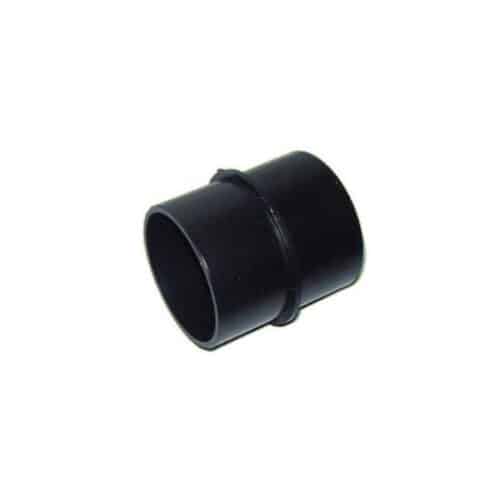
Kockney Koi Blanked Male Solvent-Weld Joiners
| Brand | |
|---|---|
| Connection type | Male solvent weld |
| Fitting type | Blanked male joiner |
| Size | 1½ inch, 2 inch |
Kockney Koi blanked male joiners for closing compatible solvent-weld fitting sockets. Choose nominal 1½ inch or 2 inch. Permanent bonded connection; these are not threaded plugs or open male-to-male joiners.
Price range: £1.54 through £1.63 (inc VAT)
Kockney Koi blanked male solvent-weld joiners
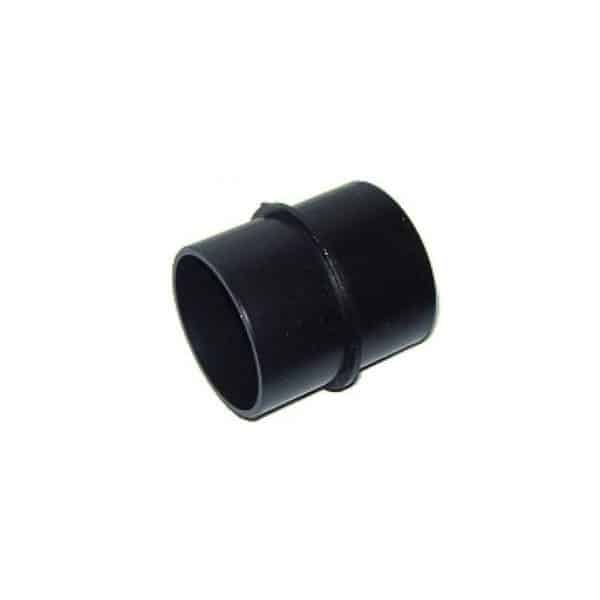
These Kockney Koi blanked male joiners close off an unused connection in compatible solvent-weld pipework. The male end enters a suitable fitting socket, while the closed end stops the pipe run. They are available here in nominal 1½ inch and 2 inch sizes, each supplied as an individual fitting.
A blanked joiner is useful when a pipework layout has a branch that is no longer needed or a spare socket that must be permanently closed. It is different from an open male-to-male joiner, which allows water to pass through. Select the closed fitting for termination, and an open connector when the route needs to continue.
Choose the correct option
| Nominal size | Manufacturer reference | Oasis reference |
|---|---|---|
| 1½ inch | 004610 | SW20 |
| 2 inch | 001862 | FL469 |
Both options have a male solvent-weld connection and a blanked end. The fitting, pipe system and adhesive must all be compatible. This listing does not include pipe, solvent cement or any surrounding sockets, bends or tees. Check how many unused connections you need to close before choosing the order quantity.
Where this fitting belongs in the pipework
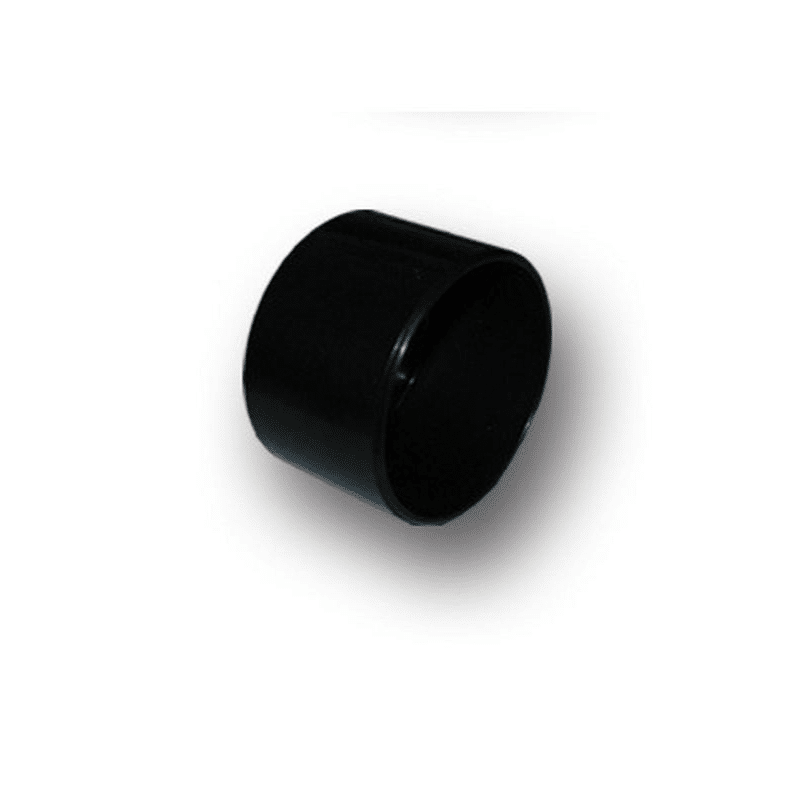
The projecting male end is intended to enter a matching solvent-weld fitting socket, such as a compatible bend, tee or straight socket. Check the actual joint arrangement before ordering: an overpipe cap surrounds a pipe end, whereas a blanked male joiner is selected for a socket connection.
Photographs help identify the shape but do not establish the required dimensions. If you are replacing an old fitting, compare the socket and the original connection, not just the overall appearance. If the old component is already bonded in place, removing it may involve replacing the affected section rather than simply pulling it out.
The finished joint is permanent once the appropriate solvent cement has cured. If you expect to reopen the branch for cleaning, draining or future equipment, consider a purpose-designed access arrangement instead. A blanked male joiner is not a reusable drain plug or a valve.
Check the size and pipe system
These fittings belong to Kockney Koi’s solvent-weld range. Nominal inch names and metric trade descriptions can vary between pipe systems. A similarly named imperial pressure fitting, metric pressure fitting or push-fit waste component is not automatically interchangeable with this product.
Read the pipe markings and check the mating dimensions of the socket before using adhesive. The joint should be the intended mechanical fit for the selected system. Excess cement cannot make an oversized socket or mismatched part into a reliable connection, and forcing an unsuitable fitting into place risks damage.
For a system that changes pipe type along its route, choose a proper conversion component at that transition. Keep a note of the ranges and sizes used so later replacement parts can be identified without guesswork. Do not infer a working-pressure rating from the colour or the presence of a solvent-weld joint.
Planning a permanent termination
Before closing a branch, establish why it exists and whether it provides drainage, ventilation, bypass flow or another function needed by the installation. Do not cap an operating outlet simply because it appears unused. Check the pump, filter and other equipment instructions when changing the water route.
Stop and isolate connected equipment, drain the affected pipework and relieve trapped pressure before starting work. Position the finished termination where it can be inspected, and support nearby pipework so its weight does not pull on the new joint. Leave room for any servicing connections elsewhere in the installation.
Preparation, bonding and curing
Use a solvent cement specified for the materials being joined. Follow its instructions for surface preparation, cleaning, application and assembly time. A product described as a general plastic adhesive is not necessarily suitable for the pipe and fitting combination you have selected.
Check alignment before committing to the joint, then assemble it as directed by the adhesive manufacturer. Keep the installation undisturbed throughout the required curing period. Temperature, humidity, joint size and the adhesive formulation can affect when the system may safely be filled and operated.
Do not treat surface dryness as proof of full cure. Once the required waiting period has passed, recommission the installation according to its equipment instructions. Inspect the terminated connection for leaks and check that the remaining water routes operate as intended.
Common selection questions
Is this a threaded blanking plug? No. Its male connection is solvent weld. A BSP-threaded opening needs the appropriate threaded fitting, with the correct nominal thread and sealing arrangement.
Can the joiner be removed later? The bonded connection is permanent. If regular removal is important, plan a service connection or a suitable access fitting before assembling the pipework.
Will it fit any pipe marked 1½ inch or 2 inch? No. Match the exact pipe system and mating dimensions. Nominal labels alone do not confirm compatibility between different plumbing ranges.
Related fittings and alternatives
If you need an open connection, see our black waste male-to-male joiners. For a cap that fits a pipe end, compare our black waste end caps, checking the selected size and fitting arrangement carefully.
Our pond building supplies category includes other pipework components for planning the full installation. Choose each part for its actual connection type rather than substituting similar-looking fittings.




Reviews
There are no reviews yet.