






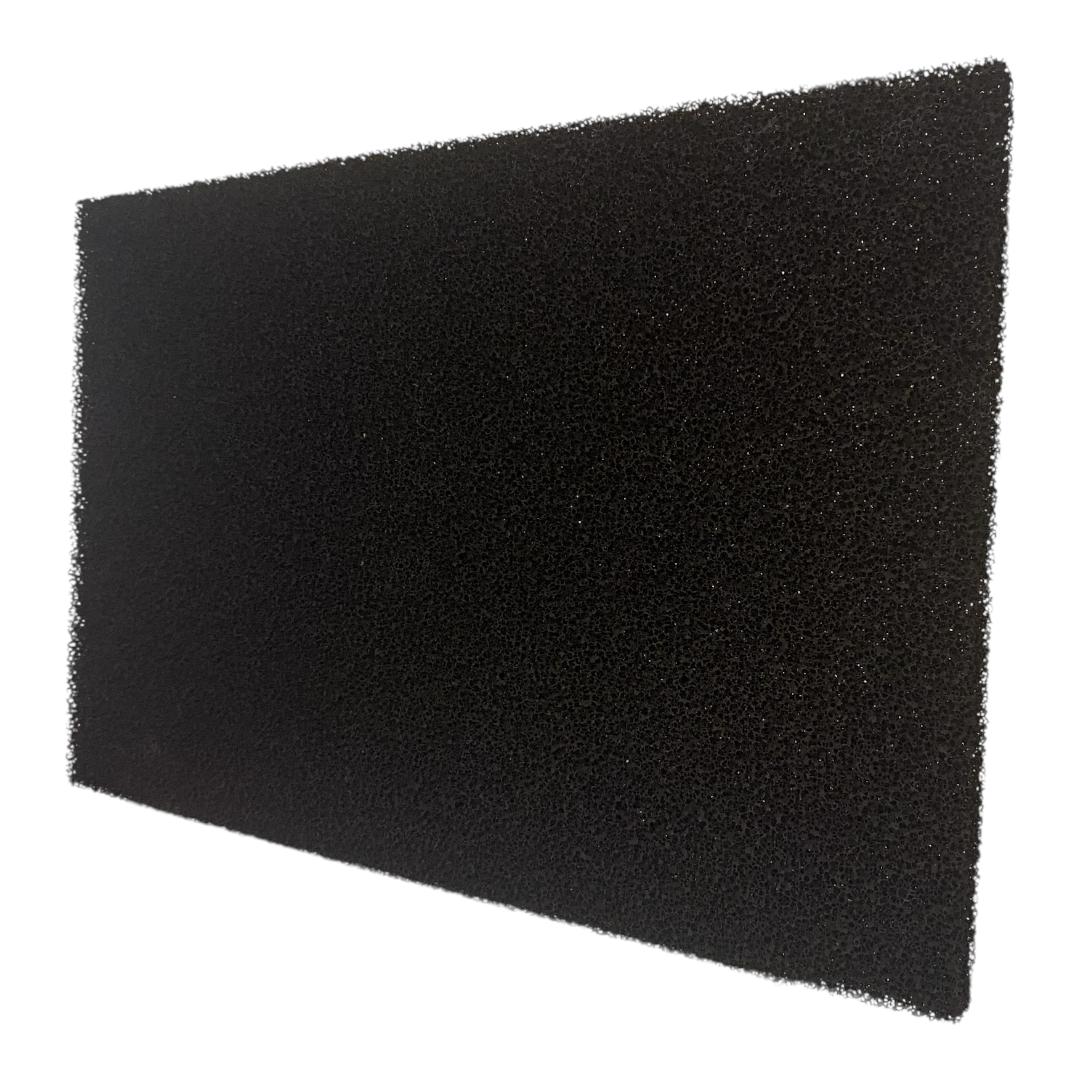
Kockney Koi Activated Carbon Filter Foam Sheets
| Brand | Kockney Koi |
|---|
Carbon-impregnated aquatic filter foam in 11 x 17, 18 x 25 and 21 x 42 inch sheets. Compare dimensions, filter fit and chemical-filtration use. Check fish-treatment instructions before using carbon during medication.
Price range: £16.89 through £69.99 (inc VAT)
Kockney Koi Activated Carbon Filter Foam Sheets
Carbon-impregnated aquatic foam in three sheet sizes
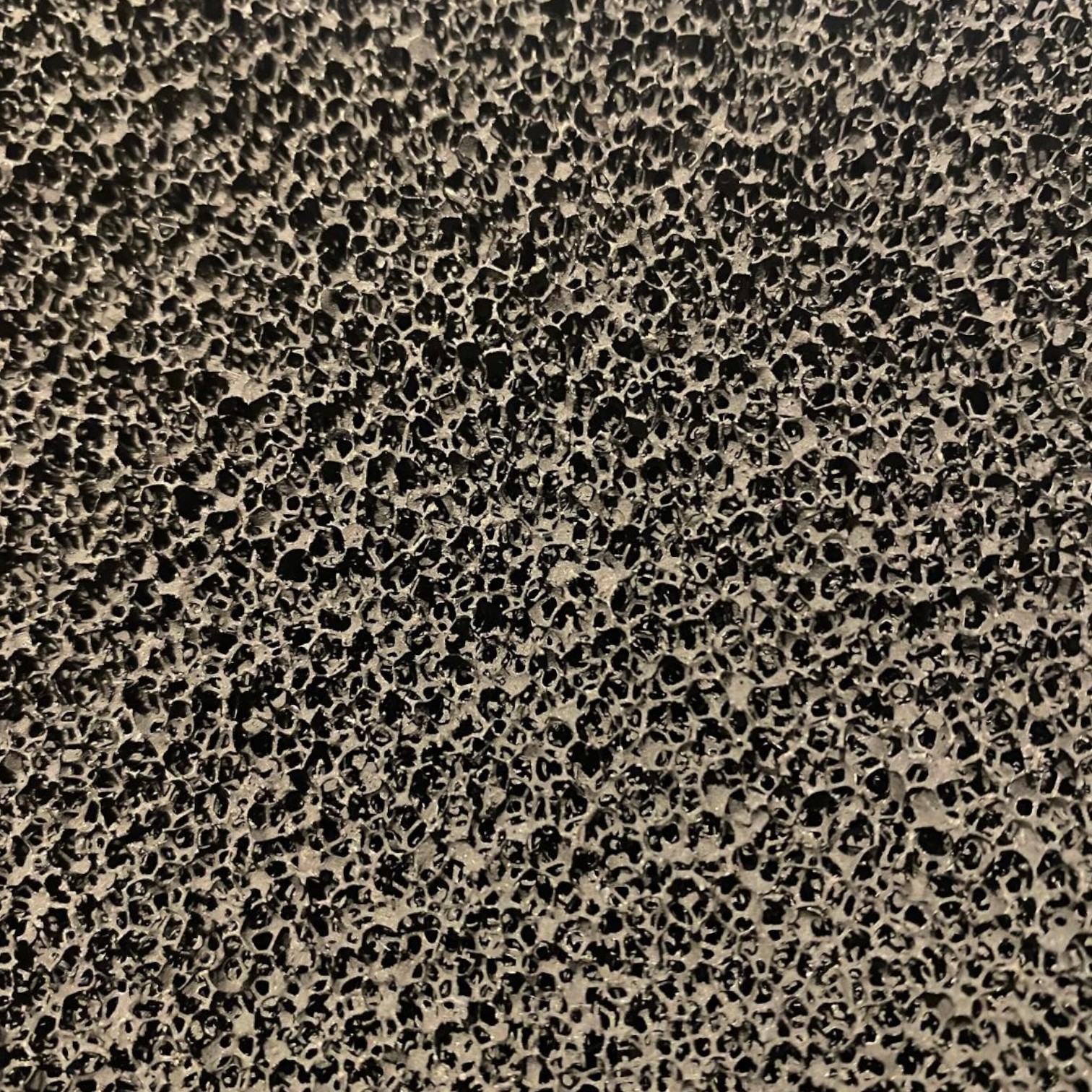
Kockney Koi Activated Carbon Filter Foam combines a foam sheet with activated carbon for chemical filtration in ponds and aquariums. It is a useful format when you want a flat layer of carbon-containing media within a suitable filter arrangement. Choose from 11 x 17 inch, 18 x 25 inch and 21 x 42 inch sheets, checking the available space and the filter manufacturer’s requirements before ordering.
The carbon is incorporated into the foam. This is different from buying a bag of loose carbon granules, and it is also different from a conventional coarse, medium and fine foam set. The sheet format, dimensions and filtration role all matter when deciding whether it belongs in your existing filter.
Compare the three sizes
- 11 x 17 inches: approximately 27.9 x 43.2cm.
- 18 x 25 inches: approximately 45.7 x 63.5cm.
- 21 x 42 inches: approximately 53.3 x 106.7cm.
The centimetre figures are rounded conversions of the published imperial sizes. Each selection is a carbon foam sheet in the size shown, rather than a three-grade foam pack. Measure both dimensions of the place where you intend to use it. Rotating a rectangular sheet may help its orientation, but the longer measurement alone does not establish that it will fit.
Consider how the sheet will be supported and removed as well as whether it can sit inside the chamber. Internal pipework, baskets and retaining grids reduce usable space. Leave access for checking the sheet and carrying out maintenance without having to disturb every other part of the filter.
What the carbon layer does
Kockney Koi describes these sheets as chemical filtration media that help remove chemical impurities and polish the water. That purpose is separate from physically straining large debris or providing the main biological stage of a pond filter. Choose the media to address the actual maintenance requirement, rather than assuming that every form of cloudy water needs the same approach.
A sheet’s dimensions describe its physical size, not a pond-volume rating. Water clarity also does not establish that ammonia, nitrite or other water-quality measurements are satisfactory. If fish behaviour changes or a water-quality problem is suspected, test the water and investigate circulation, filtration and the cause of the problem alongside any decision to change media.
Positioning it in a suitable filter
Follow your filter’s instructions when deciding where additional media can be installed. Check the direction of flow, the intended support and the route water takes to the outlet. Water needs to pass through the chosen media position without the sheet blocking an outlet or being drawn towards a pump. Do not force a sheet into a compartment that specifies a different replacement cartridge.
Keep the arrangement easy to inspect. When the filter is restarted after maintenance, check that the normal flow has returned and that the sheet remains securely supported. An unexpected fall in circulation needs attention; adding another layer of media is not a remedy for a filter that is already struggling to pass water.
Carbon foam and fish medicines
Carbon can remove ingredients from fish treatments. Before starting a course of medication, check its instructions for removing carbon and other adsorbent media. NT Labs specifically identifies carbon and zeolite as media that can remove medicinal ingredients before the treatment has had time to work.
Follow the medicine’s directions for when carbon may be returned. Do not assume that fitting a fresh carbon sheet during a treatment course is harmless because the water looks clearer. Keep the treatment instructions with your maintenance notes so anyone else caring for the pond knows which media has been removed and when it can be used again.
Choosing between replacement foam products
If you need the original mechanical foam arrangement for a particular filter, start with our Pond Filter Foam Sets and identify the correct equipment and size. A carbon sheet should not automatically replace a specified coarse or fine pad simply because both are made from foam.
For ammonia-removing mineral media, compare NT Labs Koi Care Zeolite 5kg and its separate application and recharge instructions. Carbon foam and zeolite have different forms and maintenance requirements. A recharge method given for zeolite should not be applied to these carbon sheets.
Inspection and replacement
Include the carbon sheet in your normal filter inspections. Look for accumulated debris, damage and a reduction in flow, and use the filter manufacturer’s maintenance method. Keep a record of when the sheet was installed so it is not left indefinitely simply because it still holds its shape.
Physical cleanliness and the remaining activity of carbon are different considerations. Do not assume that washing a used sheet renews its chemical-filtration capacity. Select a replacement when needed for the intended application, and keep regular water-quality checks alongside visual inspection of the media. Store unused sheets clean and protected until they are needed.



Reviews
There are no reviews yet.