






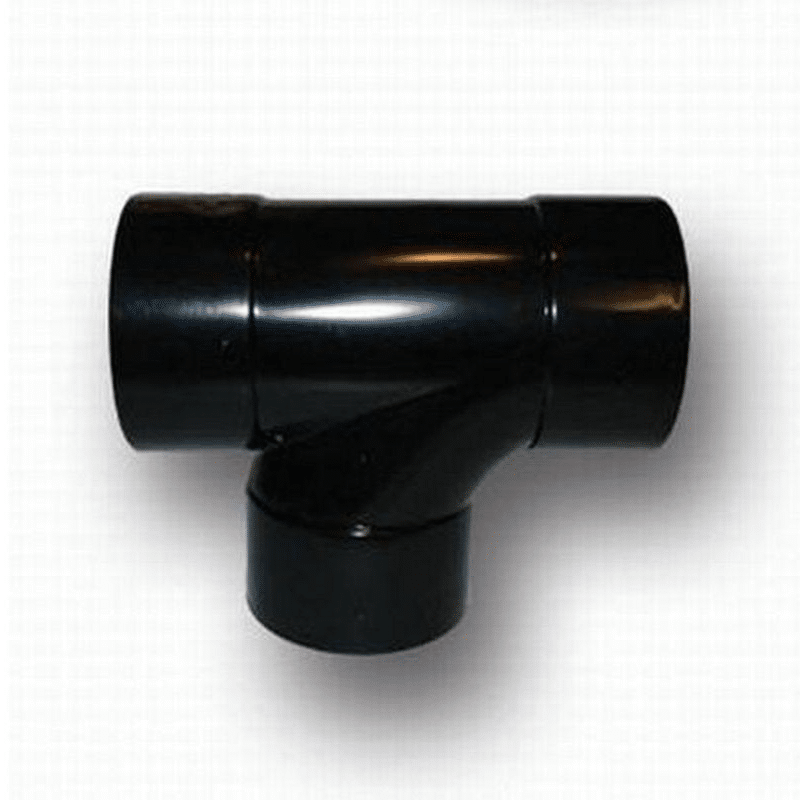
Kockney Koi 1½ inch Crossed-T Solvent-Weld Connector
| Brand | |
|---|---|
| Connection type | Solvent weld |
| Nominal size | 1½ inch |
| Fitting type | Crossed T / X connector |
Kockney Koi four-way crossed-T fitting for compatible 1½ inch solvent-weld pipework. Distributes one feed into three branches; flow-control valves, pipe and adhesive are separate. Manufacturer reference 004399.
£8.56 (inc VAT)
Kockney Koi 1½ inch crossed-T solvent-weld connector
This Kockney Koi crossed-T fitting provides four connection points in a compact cross-shaped arrangement. It is designed to distribute a single feed into three branches in compatible 1½ inch solvent-weld pipework. Manufacturer reference 004399 identifies the fitting; the Oasis supplier reference is SW29.
Choose a crossed T when the layout genuinely needs four connected pipe runs at one junction. It is different from a conventional tee, which has three connection points, and it does not include individual flow-control valves. All connections are solvent weld, so the completed joints are permanent once assembled and cured using a suitable adhesive.
Key product details
- Brand: Kockney Koi.
- Nominal size: 1½ inch.
- Configuration: crossed T / X connector.
- Connection method: solvent weld.
- Intended arrangement: one feed with three outlet branches.
- Manufacturer reference: 004399.
- Supplier reference: SW29.
- Barcode: 5031589004399.
- Supply: one fitting; pipe, adhesive and valves are separate.
When a four-way fitting is useful
A crossed T can make a branching layout more compact than several separate tees joined by short lengths of pipe. Before choosing it, draw the pipe route and identify what each branch serves. Think about how the assembly will fit around your filter, pump, return pipes and the access space needed for routine maintenance.
Compactness is only one consideration. A single junction should not make a valve difficult to reach or prevent equipment from being removed later. If one of the branches needs frequent attention, leave room for an appropriate detachable connection further along that branch. The cross fitting itself is not a demountable union.
For an existing installation, compare the old component’s shape and connection arrangement before ordering. A photograph can help identify the general fitting type, but measurements and pipe markings are needed to establish compatibility. Allow for the portion of each pipe end that enters its joint when checking the completed dimensions.
Dividing water flow between branches
Connecting three outlets does not guarantee that each will receive one third of the water. Different pipe lengths, changes in height, bends and equipment restrictions can cause the branches to carry different flows. Plan each route around the requirements of the equipment it supplies, rather than treating the cross as an automatic flow-balancing device.
If the installation needs separate adjustment or isolation, suitable valves must be selected and positioned elsewhere in the branches. Make sure that any valve arrangement remains compatible with the pump and filter instructions. Do not close off a running pump’s outlets unless its manufacturer specifically permits that operating condition.
The fitting does not have a published pond-volume capacity. It is one component in a pipework system, so the actual flow depends on the complete installation. Match the pipework to the intended duty and check the operating limits of the pump, filter and every other connected component.
Checking pipe compatibility
This product belongs to Kockney Koi’s 1½ inch solvent-weld range. Nominal sizes can be misleading when different plumbing systems are mixed: imperial pressure pipe, metric pressure pipe and domestic waste pipe are not interchangeable simply because their names sound similar. Compare actual mating dimensions and the specified pipe system before applying adhesive.
Where a route changes from one pipe system to another, use a conversion fitting intended for those particular components. Do not force a tight part into place or use extra adhesive to fill an unsuitable gap. A correct mechanical fit and compatible materials are the starting point for a sound solvent-weld joint.
Planning and assembling the installation
Isolate the equipment and drain the affected pipework before cutting into an existing system. Check the orientation of all four connections before making the first permanent joint. With several branches meeting at one point, an alignment mistake can be more difficult to correct than it would be in a straight pipe run.
Prepare the pipe ends and mating surfaces according to the instructions for the chosen pipe material and solvent cement. Use the specified preparation products, follow the adhesive’s working time and assemble the joint without disturbing its final alignment. Do not substitute a cement purely because it is described as suitable for another type of plastic pipe.
Support the surrounding pipework so that it is not hanging from the connector or pulling one branch sideways. Leave the joints undisturbed for the adhesive manufacturer’s full required curing time before filling or operating the installation. Surface dryness alone does not confirm that a joint is ready for service.
Checks after fitting
When the system is put back into use, inspect each connection for leakage and confirm that water reaches the intended outlets. Check the supports again with the pipework full. Keep the fitting and any nearby valves accessible for inspection, particularly while the new installation is first being commissioned.
Related fittings and alternatives
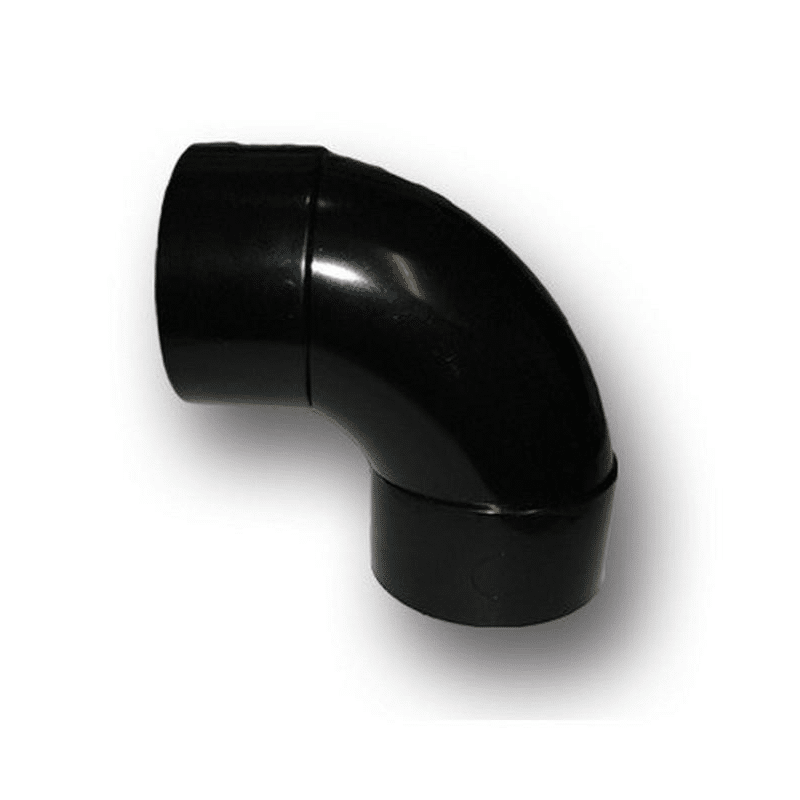
If you only need a three-way junction, compare our black waste tee pieces. For a change of direction, see the black waste 90 degree bends. Check the selected size and actual pipe compatibility on each page before combining components.
Our pond building supplies category brings together other pipework and installation parts. Plan the whole route before ordering so the junction, branch pipes, supports and any service connections work together.



Reviews
There are no reviews yet.