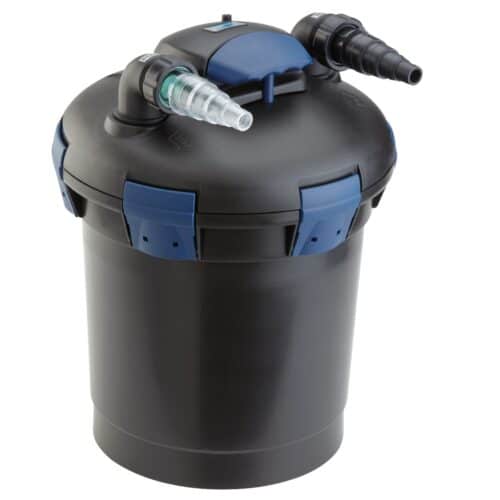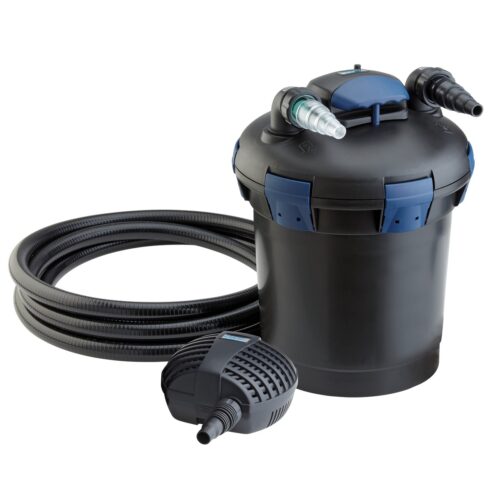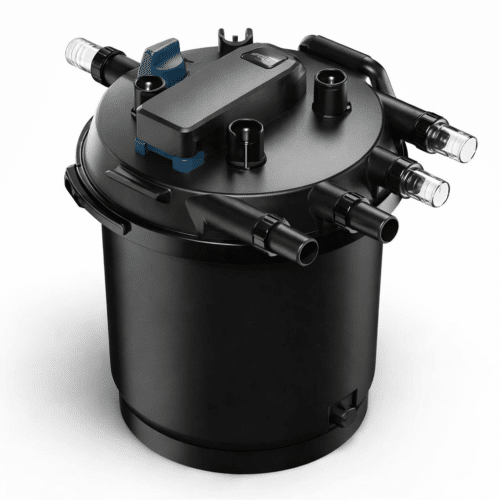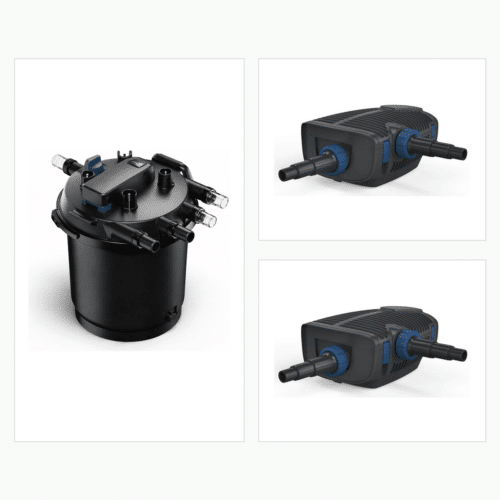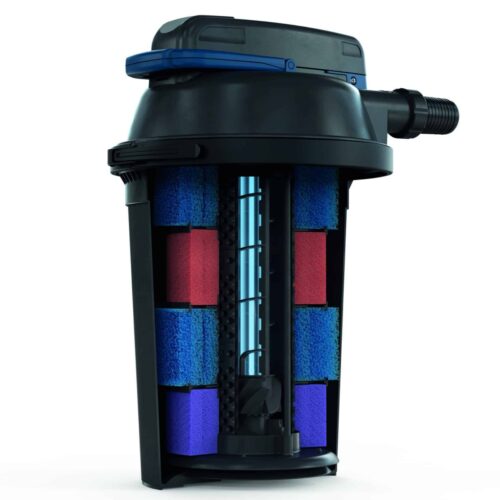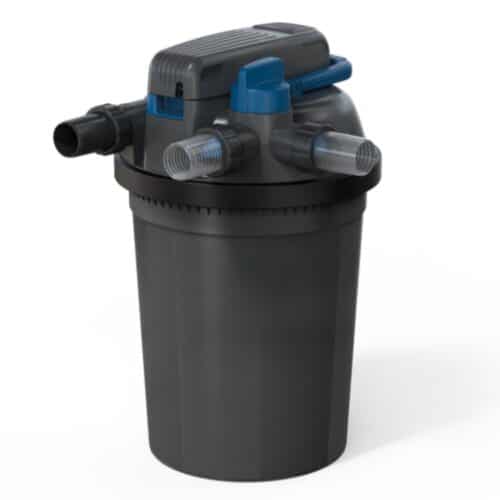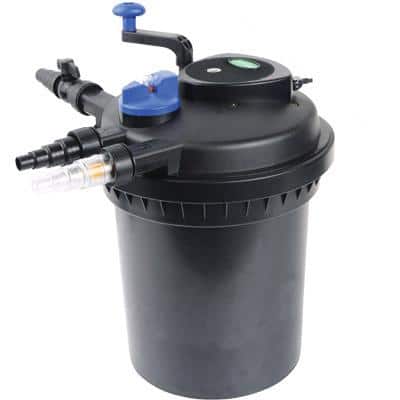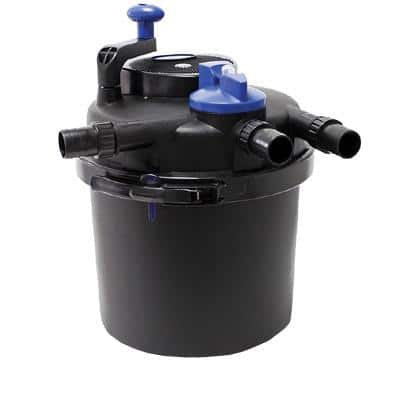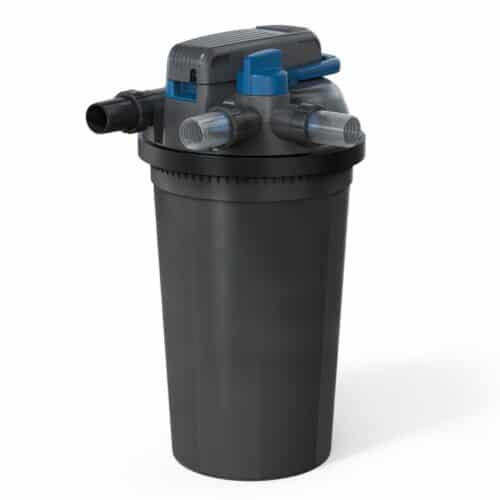





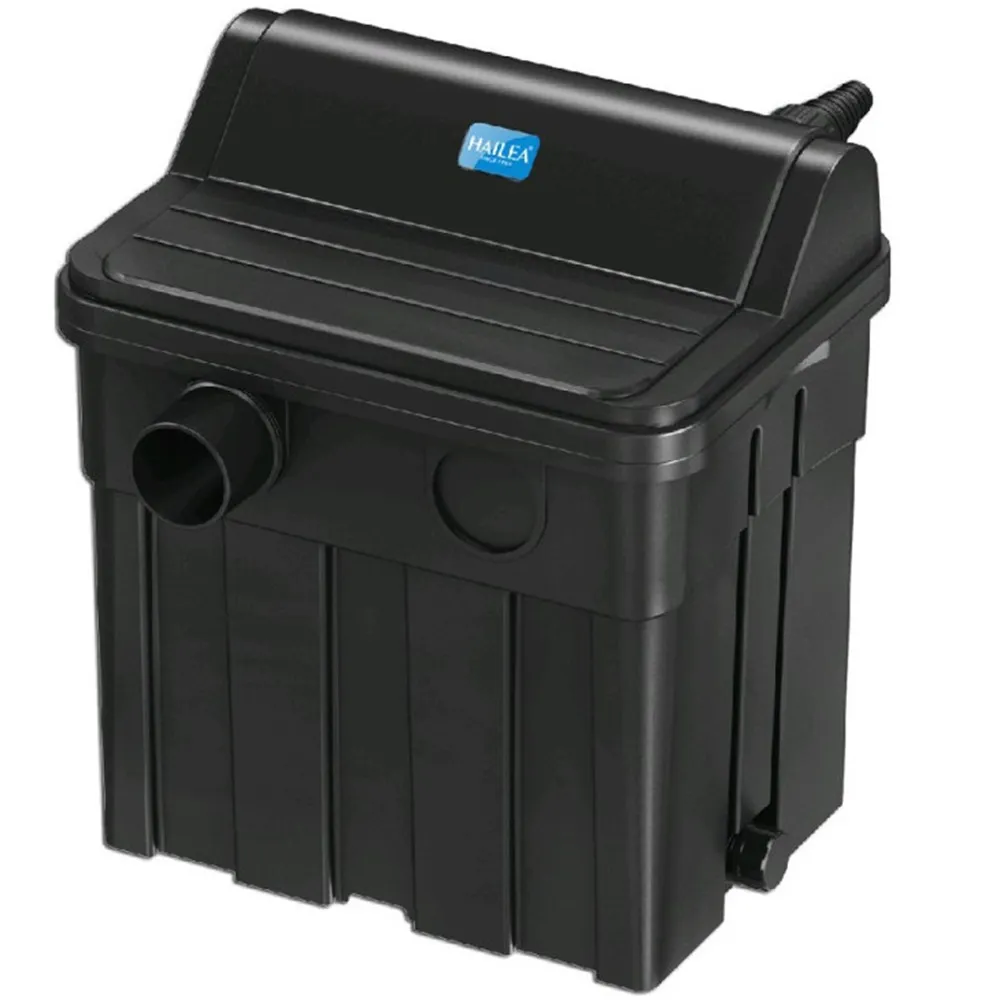
Charles Austen G Series A7000 Pond Filter

SKU: G-A7000
Brand

Flow Rate

4000 L/hour

Power

11 W

Charles Austen G Series A7000 Pond Filter: pond filter with integrated circulation for ponds up to 8,000 litres. Maximum output 4000 L/hour. Rated power 11 W. Supplied by Charles Austen.

£113.99 (inc VAT)

Charles Austen G Series A7000 Pond Filter

Charles Austen G Series A7000 Pond Filter is a pond filter with integrated circulation intended for ponds up to 8,000 litres. Its published maximum output is 4000 L/hour, using 11 W. This page identifies the exact model, duty figures and selection limits so it can be compared accurately with the other products in the range.

Charles Austen is both the product brand and supplier. The figures below come from the current 2026 supplier catalogue, supported by manufacturer guidance where a current technical page is available. Maximum figures are not the same as guaranteed installed performance: pipework, depth, pressure, media loading and maintenance all affect the result.

Who is the G-A7000 best suited to?

This model is best considered for ponds up to 8,000 litres. It sits 2 of 2 when the range is ordered by nominal output/capacity. That makes it easier to judge whether it is a compact entry model, a mid-range choice or one of the higher-output options before comparing price alone.

Key product features

  • Published maximum pond size for straightforward first-stage sizing
  • Integrated water movement figure and electrical consumption
  • Compact filter format for garden ponds
  • Two-model range for 6,000 or 8,000 litre pond duties
  • Exact SKU and manufacturer part number: G-A7000.
  • Supplied through Charles Austen and linked to compatible models for easier range comparison.

Technical specification

Model / MPN G-A7000
Product type pond filter with integrated circulation
Supplier Charles Austen
Brand Charles Austen
Series G Series
Maximum water flow 4000 L/hour
Power 11 W
Energy at 24-hour operation 0.26 kWh per day (calculated from rated wattage)
Published capacity 8,000 litres (published maximum pond size)
Installation format Pond-side installation as shown in the supplier instructions
Range position 2 of 2 when the range is ordered by nominal output/capacity
Catalogue specification 4000 L/hour 11W 8000L

Technical figures are nominal supplier ratings. The calculated 24-hour energy figure, where shown, is rated wattage × 24 hours and does not include tariffs or intermittent thermostat operation.

Understanding the published specification

The published 8,000 litres (published maximum pond size) rating is a maximum system figure, not a guarantee for every pond. Fish load, feeding, sunlight, water temperature and maintenance frequency all change the biological and mechanical load. The stated 4000 L/hour and 11 W identify the integrated circulation duty for this model.

The catalogue specification for this exact model is 4000 L/hour 11W 8000L. Where the page includes a calculated daily-energy figure, it is provided only to make continuous-running products easier to compare; it is not an electricity-cost estimate and does not replace the rated power shown above.

How to size this model correctly

The stated pond capacity is a maximum. Reduce the working capacity for koi, heavy stocking, full sun or high feeding rates, and ensure the whole pond volume is circulated appropriately.

For critical livestock, treatment or commercial systems, allow spare capacity and consider redundancy. If the required duty is close to the model’s maximum, moving to the next size normally provides a more useful operating margin than running a smaller unit continuously at its limit.

Installation and commissioning

Installation format: Pond-side installation as shown in the supplier instructions. Keep access available for cleaning and servicing, use appropriately sized hoses or airline, and avoid unnecessary bends or restrictions. Aquatic electrical equipment should be protected by a suitable RCD and installed in accordance with the supplied instructions.

Rinse manufacturing dust as instructed, fill and vent the filter before normal operation, then check every seal and connection under working pressure. Record the clean-system flow so a later reduction provides a useful indication that media or pipework needs attention.

Commission the complete system by checking actual flow, pressure, water level or temperature at the point of use rather than assuming the headline maximum will be achieved. Recheck after filters, diffusers or pipework have had time to accumulate normal fouling.

Compatible system components

Match the pump to the filter’s permitted flow rather than selecting both independently. Excess flow can reduce contact time or force debris through the media, while insufficient turnover can leave areas of the pond poorly circulated. Provide isolation valves and accessible unions so cleaning does not require draining unnecessary pipework.

Compatibility should be confirmed from the complete installation: connection size, hose or airline bore, voltage, control method, permitted flow and future servicing access can all affect whether two individually suitable products work correctly together.

Maintenance and service life

Clean mechanical media before it blocks, preserve biological media during routine maintenance and keep the pump inlet clear. Avoid cleaning all mature biological media at the same time.

Record the installation date and normal operating performance. A visible reduction in output, increasing noise, rising temperature or repeated tripping should be investigated rather than compensated for by restricting or altering other parts of the system.

Performance checks and fault finding

A falling return flow usually indicates dirty mechanical media, a restricted pump inlet or blocked pipework. Persistent water-quality problems can also result from an undersized filter, immature biological media or excessive feeding. Clean mechanical stages as needed but avoid sterilising all established biological media at once.

Compare any suspected fault with the clean, newly commissioned condition. Changes across every outlet or return normally point to the main unit or a shared restriction; a problem affecting one branch is more likely to be local pipework, airline, a valve, diffuser or connected accessory.

Compare similar pond filters

The table below links to five nearby models so the buyer and search crawler can move through the range without returning to a search page.

Model Key published duty Product type
G-A5000 3000 L/hour · 9 W · 6,000 litres (published maximum pond size) Pond Filter
QF25 11 W · 25 litres (filter body volume) Pond Filter
QF20 9 W · 20 litres (filter body volume) Pond Filter
QF10 7 W · 10 litres (filter body volume) Pond Filter
UVC36 5600 L/hour · 36 W total consumption Pond UV Clarifier
PC8000 8,000 L/hour · 3.8 m · 155 W Pond Vacuum Cleaner

Complete the system and explore the range

The supplier and customer-facing brand for this listing is Charles Austen. The links below connect this model to its dedicated range, relevant system components and the wider Charles Austen catalogue.

Technical information sources

Core model figures were checked against the current 2026 Charles Austen supplier catalogue. Family features, installation points and application guidance were cross-checked against current manufacturer technical material where available.

Charles Austen G Series A7000 Pond Filter Reviews

Reviews

There are no reviews yet.

Be the first to review “Charles Austen G Series A7000 Pond Filter”